Note: This episode was previously recorded in November, 2025.
Links
Transcript
HOST: ALICE CHENG
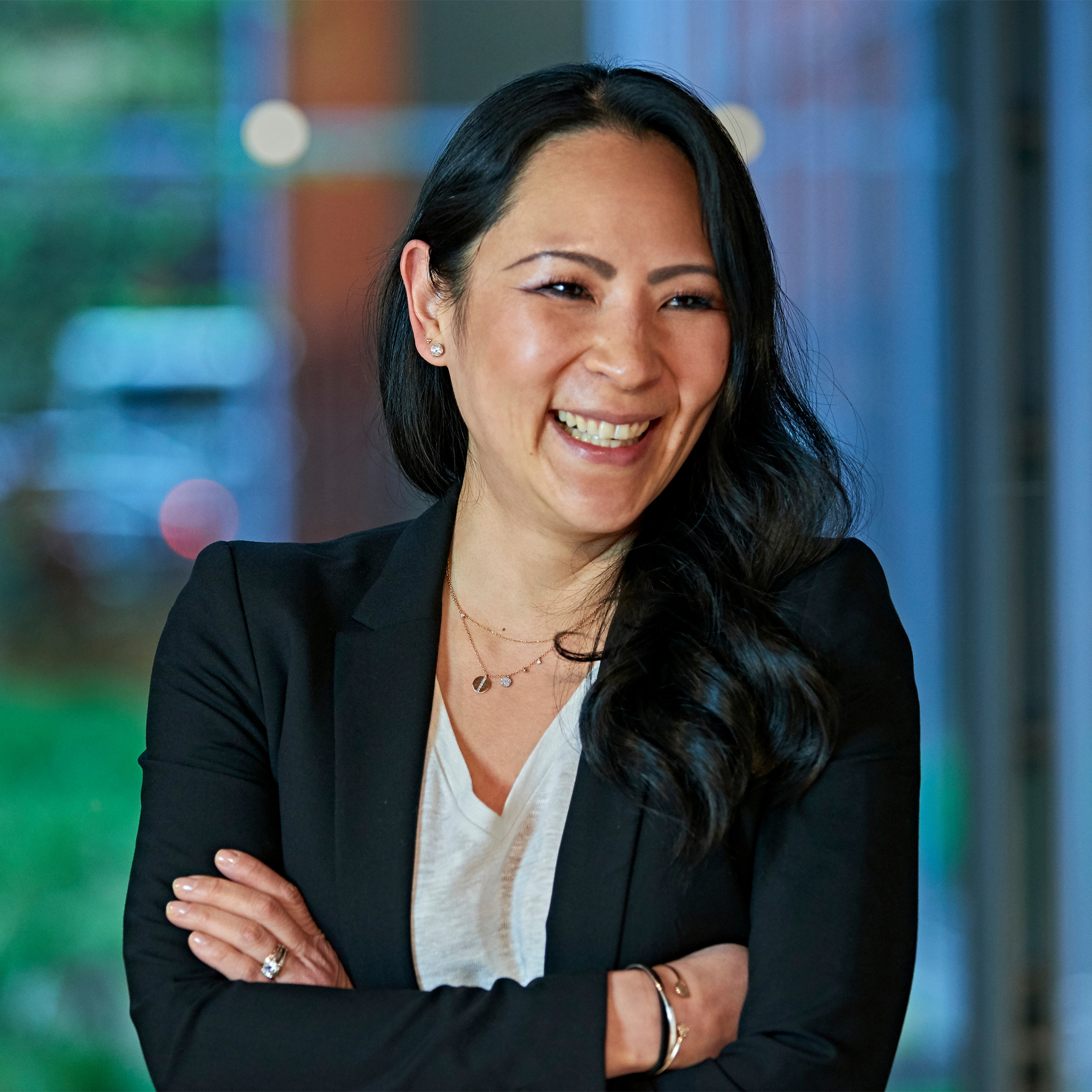
Welcome to Hospitality On The Rise, the podcast about the people shaping the hospitality industry and their journeys. I'm your host, Alice Cheng, Founder and CEO of Culinary Agents, hospitality's go-to hiring platform. And I'm here to give you your dose of virtual mentorship.
Here, we'll be sharing the stories, lessons learned, and advice from hospitality leaders who've carved out their own path to success. After all, this industry is where many get their start and go on to do incredible things.
Whether you're a pro, starting out, or just love the hustle, this podcast highlights what makes hospitality extraordinary, the people.
HOST: ALICE CHENG
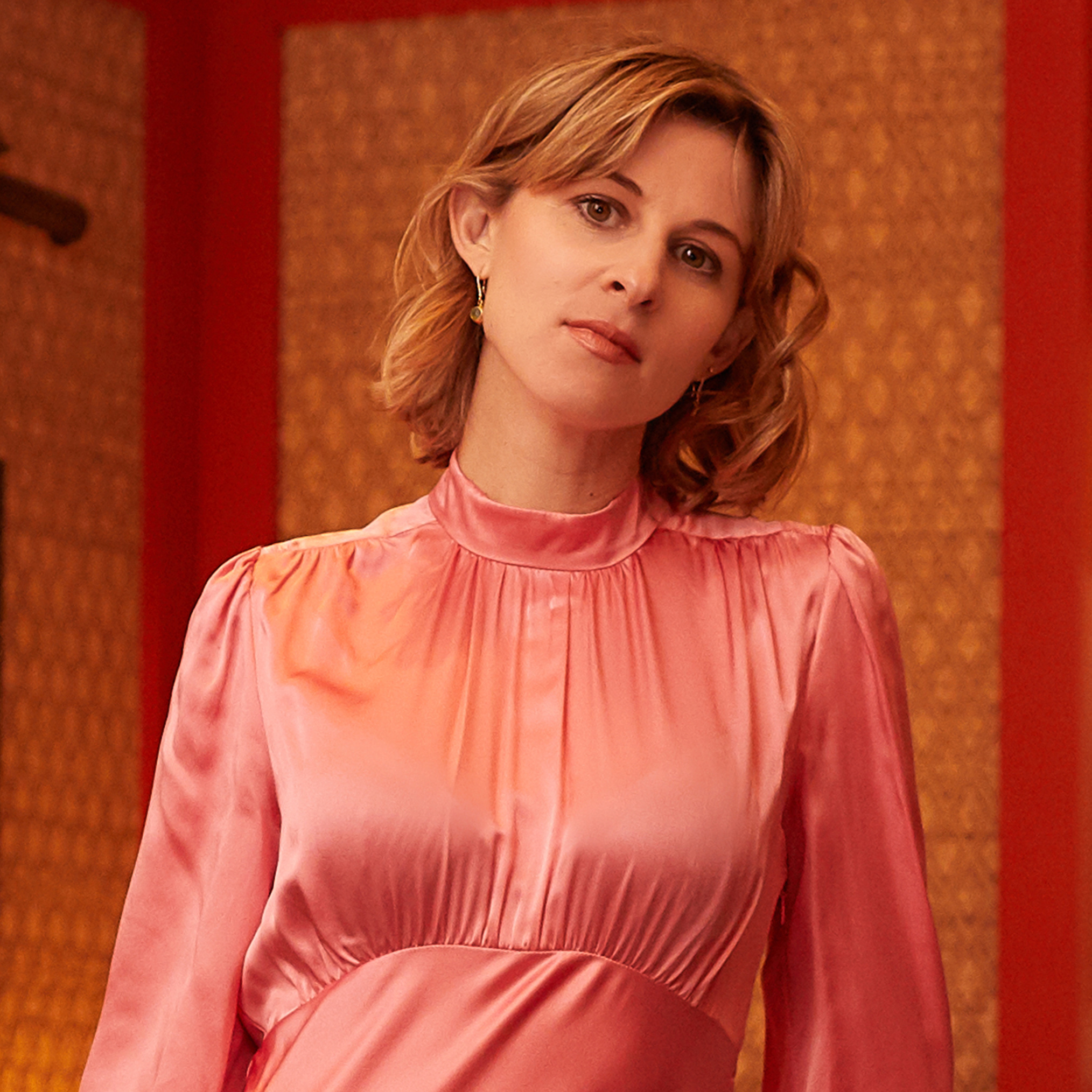
I'm so excited to have Jordan Salcito here with us today. Jordan is the Founder and CEO of Drink RAMONA, which is premium organic wines from Italy, delicious and many different flavors. And she's also the author of an upcoming book, Smart Mouth: Wine Essentials for You, Me, and Everyone We Know. And 2018 JBFA semifinalist [for] Outstanding Wine, Spirits Professional [and] 2019. We got a list here. [Wine Enthusiast] 40 under 40 Tastemaker, etc., etc. But I'm gonna stop talking.
GUEST: JORDAN SALCITO
My goodness.
HOST: ALICE CHENG
I had to hit record because we were just catching up prior to this. So really, let's just do it live. Jordan, thank you so much for joining us today.
GUEST: JORDAN SALCITO
Alice, I'm very honored to be here. I'm very excited and very honored. So thank you so much for having me on the show today.
HOST: ALICE CHENG
Yeah, when I was prepping for this, I was thinking like, when was the last time I saw you? And it could not have been that panel in Los Angeles, like years and years and years ago.
GUEST: JORDAN SALCITO
Oh my gosh.
HOST: ALICE CHENG
Anyway, I feel like social media makes things feel like they're a little bit more connected. So I have been following and cheering on virtually. But before we get to all the great things that you've been doing recently, let's take a step back. How did it all begin? How did you get into hospitality?
GUEST: JORDAN SALCITO
Oh my goodness, I got into hospitality, I mean, if we go all the way back, like, my very first job after babysitting was at a coffee roastery. I was a barista, and I was technically 14 but almost 15. And I remember in Colorado you can get your driver's permit when you're 14, or at least you did when I was 14. And I got into a fender bender, which I'm happy to say was the first and last time that I've been in one.
My parents were like, “Okay, you now just find yourself a job, so you can pay for this.” And no one was hurt, thankfully. But yes, anyway, so that was like the very first entree. And I think there's something, there's the hospitality piece, that was always… then there was restaurants. And I'd always have a restaurant job after my, quote-unquote, “real internship,” my day thing.
But then as I moved to New York after college and needed to pay rent, I had this sort of day job, and then I had this evening job at a restaurant, and it was just so… I think, especially, this would have been early 2000s in New York City. And it was just such a different kind of experience where this was such a profession, and anyone who cared, really had passion, and really had this hospitality. Like a genuine interest in exposing people who were curious to new things and helping them learn and grow, and I benefited from that. And then a sous chef at this restaurant I was working at is the one who said, “Hey, you really seem to care and be interested. You should come with me and work at this place, WD-50. It's going to be really cool.” And I knew nothing about anything, but ended up being part of the opening team at WD-50. And that was extraordinary.
And for me, that was a sort of turning point moment of–I guess there were a number of them, but it was a turning point moment of just realizing how much air, craft, intelligence, thought was a part of a great restaurant. And so that led to me actually moving back to Colorado. At the time, I had a culinary–no, I had an English Literature degree. It was like, maybe I'll write about this amazing world.
And then through culinary school, I ended up cooking at Restaurant DANIEL. And then through cooking at Restaurant DANIEL, I was sort of simultaneously, both through Daniel Boulud himself sort of seeing that I cared when I was, when he'd walk by and see all the interns, and I was always trying to be really focused. And then I started to fall in love with this man who's now my husband, a guy named Robert Bohr, who had a restaurant called Cru at the time, which had a really amazing burgundy program.
HOST: ALICE CHENG
I remember.
GUEST: JORDAN SALCITO
Yes. And I remember DANIEL, there's sort of all these things happening in tandem, but Daniel one day came into the kitchen. It was after service, and I had this book with me called Great French Chefs, and like the pastry department would always leave these amazing apple lasagna snacks, like if they hadn't been sold as desserts, then anyone could sort of eat them before they disappeared. And so I had this book with me, and I was getting a little apple lasagna before walking home, and Daniel came in with a decanter and said, “What is this book? Let me see it. Who are you? What do you do in my kitchen?” And “Do you like wine?” And he poured me this glass, and it was 1990 Chave Hermitage Rouge.
And it was this sort of life-altering moment of like, here's my boss, this iconic Daniel. He's such a man with such a big heart and really an interest in sort of nurturing people who work in his orbit to sort of go and grow and do interesting things. So I think that was sort of the first moment of connection. It turned out that the dish that I made every night, this black bass paupiette, was one that had been inspired by a dish that happened to be featured by Paul Bocuse in this old, out-of-print book that I was carrying. And so all these sort of synergies was quite, quite interesting. And that ultimately led to Daniel sort of like, when there was a wine opportunity, he'd say like, “Hey there's this wine event, you should work it” kind of thing, and that ultimately led to harvest in Burgundy the first time. At the time, that was sort of this in-between moment of finishing the kitchen stage and deciding I was gonna go work as a bus– “busboy” was my official title. So I started as a busboy in the kitchen, but I knew that I would be working harvest down the road later that year.
So it was this mix of I guess wine and the pull of wine, and then fast forward, I guess, to another pivotal role was on the wine team at Eleven Medicine Park. And I got to be part of this incredible team led by John Ragan, who was the wine director at the time. And we were part of a team that won the James Beard Award for Outstanding Wine Service. And it was this, you know, it's just like everyone was living and breathing that wine team. And it was amazing to be part of that kind of a team with so much focus and care and also a part of–at the time the group was still owned by Danny Meyer, and he is such an extraordinary leader, and I feel so grateful that I was able to learn from him. And of course Will Guidara was an amazing front of house manager and GM, that is such an amazing leader in his own right as well. And so I think I have been so lucky to have worked with so many truly brilliant and truly generous people who had so much to teach.
And then I got to work with David Chang and learn his beverage programs, so in continuing the journey of working with just brilliant people who are all so different and learning different things along the way. And Dave's sense of hospitality is very different from Danny's. Like Danny is so service-minded and guest-oriented, and Dave's was so food-focused. I don't know if he would approve of me saying this, but I do think Dave's sense of hospitality came from like, is it delicious? Like, when I'm looking at people and they don't know I'm looking at them, are they smiling in utter delight at how good this is? And that was something that was always so important to him and to his culinary team and all the chefs that he's worked with. And that was really amazing too. And I think that co-influence of factors is ultimately what led to both Smart Mouth and to RAMONA in different ways.
HOST: ALICE CHENG
I love it. I mean like, mic drop. I was thinking of a question, and you literally were answering them one by one. I absolutely love that. I think it's a little too long for our social media short clips, but anyway.
GUEST: JORDAN SALCITO
Sorry!
HOST: ALICE CHENG
I mean what was wonderful–and I'm smiling listening to this, because I also experienced the industry at that time frame. Culinary Agents started in 2012. But prior to that was when I was thinking about it and getting inspired and remembering–like when you said WD-50, I was like, oh, that was such a… what Wiley and the team and all you were doing was such a pivotal, groundbreaking, different thing at the time, creating kind of the beginning of a different trajectory of both leaders, future leaders and just dining. Right?
GUEST: JORDAN SALCITO
Yes.
HOST: ALICE CHENG
And then from there–and you made that joke about Daniel, and Daniel sees everything.
GUEST: JORDAN SALCITO
He does. He really does.
HOST: ALICE CHENG
I do not know how he sees. He may not think he's noticing or seeing, but he notices. And he may not know your name right away at first, but he knows who you are and what you do.
GUEST: JORDAN SALCITO
Yes, yes, it's so true, it's so true.
HOST: ALICE CHENG
But you're absolutely right. And it's important these days or any days when people are thinking about where should I work? Who should I work for? Who do I want to work with? What do I want to learn? Right? And you think about or you seek out these stories or you hear from people that you admire and you're like, “This is what they did. This is how they did it.” And it's really important for people who are thinking about their career, and their career path, and what they should do, and how they get to where they want to go, is that all these little experiences and jobs that you were in, and who you met, and who you worked for, and what you did influenced your next step. Right? That you just took us through, which is amazing. And you obviously worked with really great people and in different environments that ultimately help you shape what it is that you wanted to do or what you're doing now and your experiences. So I love that. Anyway. And you’re just tossing out all these names, and I'm like, oh Eleven Madison Park with Danny Meyer.
GUEST: JORDAN SALCITO
I feel so lucky. I really feel so lucky.
HOST: ALICE CHENG
When you were kind of thinking about the next place that you were going to work or where you wanted to work, at the time where you were like, “Okay, I got this type of experience. I would like to get a different kind of experience.” So, like, “I work in a chef-forward restaurant group versus a hospitality-forward, restaurateur-forward group”? Or was it more like, “This is awesome, and I have an opportunity here, and I'm gonna go there next”?
GUEST: JORDAN SALCITO
I think it was–like I can say this in reverse, but a lot of it was intuition. And there were some times, like in the case of WD-50, that was me being in the right place at the right time and happening to befriend this sous chef who was like, “You care too much. You should come with me and work at this amazing place. It's going to be great.” And knowing that the place that I was, there were a lot of issues with that place. Yeah, I think that was luck. It was luck, and it was friendship. And then with WD-50, I think that led to meeting so many amazing people that then ultimately opened the door later for DANIEL. But I didn't know DANIEL would be a next step at all. I was in Colorado, writing as a sort of the cheap eats food critic at the time and then going to culinary school and trying to figure out what the next thing would be. And I remember going to this book store, and I would order a tea and read these books. The one that I really fell in love with was Letters to a Young Chef by Daniel Boulud.
HOST: ALICE CHENG
Yeah, it's a great book.
GUEST: JORDAN SALCITO
It's such a good book. And it was so specific. And it was like, if you wanna be a chef, if you wanna do something great, then you need to go and work at the best place you can. And you need to know what it's like when you grab the frying pan. You have to grab the right, perfectly-seasoned pan, and you need to put it on the burner, and you need to wait until it's hot, and you need to add the butter, and you need to add–
So it was the step-by-step, and I remember that making-of-the-omelet analogy was just such a good analogy for truly any task done well. And I think having that kind of specific example was like, this is the place. This is the guy that I would love to be able to work for and be part of this organization. So I think it was one of those things where I didn't realize that that would actually ever be possible.
So Robert, who's now my husband at the time, he and I had met at WD-50, but we were not romantically involved. We just sort of kept in touch, and I remember talking to him on the phone one day. I was in Colorado and he was in New York and I must've mentioned DANIEL, and he's like, “Oh you know, I'm happy to… if you want to do your internship there, I'm happy to.. I can't get you in the door, but I can reach out to a contact there who could probably set you up with an interview.” And that's how that happened. And then the interview was, when I was there, it just felt like this is the dream and I'm living it. Oh my God. And so that was sort of the DANIEL experience. Eleven Madison Park happened through, yeah, a lot of intuition, a lot of luck, a lot of right place, right time.
And so I think I have, in moments of doubt, learned to rely on a little bit of that. Like, okay, this is a hard moment. I'm not sure what the right next move is, but let me think about it. Let me journal about it. Let me… Yeah, it's like that… Mr. Robbins? [Mr. Rogers] Is he the one that says, “Look for the helpers, and they appear.”
I mean, that's a weird thing to say, but I do feel like that has been my experience so many times. With Eleven Madison Park, sort of like, yes, it was a guy who– My very first wine job was at a restaurant called Nick and Toni’s, a woman who actually just passed away within the last few weeks. Her name was Bonnie Munshin, and she was amazing. And she was the maitre d' at Nick and Toni's in East Hampton, and she gave me a shot, and she was like, “You can have this part-time. You can work one day a week.” And then the woman who was supposed to do full-time, no-called, no-showed on Memorial Day weekend. So then all of a sudden I had this four days a week, I got to be the sommelier, and that led to… There was a restaurant guest, Josie, who came in on Fridays, and he always brought corkage, and I'd always chat with him. And at the end of the summer, he was like, “What are you doing after this?” And was like, “I'm going to work harvest in Burgundy.” And he's like, “That's not a real job. What are you doing as a real job?” and I’m like, “I don't know, I haven't thought that far ahead yet.” And he's like, “You have to meet a friend of mine, he's Danny Meyer's business partner.”
And so that was actually how that interview ended up happening, and then that led to Eleven Madison Park. Yeah, it was Randy Garutti who was like, okay. He was my first interview, and he's like, “Okay, we have a lot of restaurants. What are you thinking? We have a barbecue place, we have…” And I was like, “I don't know, maybe… You guys are doing some really interesting things at Eleven Madison Park. That would be the dream.” And so that led to a stage, and that led to a round of interviews that went really well. And then I got to be part of that early wine team, which was amazing.
The one I never saw coming was Momofuku because I was taking a break from restaurants. At this point, after Eleven Madison, the very first wine program, the wine list that I ever wrote was at a restaurant that was quite short-lived. I think it was shut down by the FBI actually. And it was a really, yeah, it was a very interesting place to work. It was on the Upper East Side called Crown. And I remember like–I have way too many stories to tell about that place that we will not go into. I wrote my first wine program there.
After writing that program, I was sort of like, okay, you know what? I'm going to take a break from restaurants. It's time to take a break. And so I wound down and transitioned the program to somebody else and was working an event that a winemaker friend had organized. And I had agreed to help with some pairings and knew that Momofuku was doing the food, but never in a million years expected that Dave would be there. And so we caught up. I think I had just read an article in Lucky Peach. It was the one about Andy Warhol–it’s still one of my favorite articles–and how he would deliberately order things he didn't like on restaurant menus so that he didn't eat it and kept his weight down. And he also had a line that I think subconsciously spurred RAMONA into existence, but it was about Coca-Cola being the best of the example of what it is. Like, the president of the United States drinks Coca-Cola and the bum on the corner drinks Coca-Cola, and it was sort of this democratizing of beverage that I think is where that seed got planted.
But I had sent Dave a note a few weeks prior saying, “I loved this article, this is such a great magazine.” And then fast forward, we were in touch, we were face to face and he's like, “What are you doing with your career right now?” And I was like, “Thank you. I actually just decided I'm not gonna do restaurants anymore. I’m thinking about writing,” blah, blah, blah. And 10 minutes later, he came up to me, and he's like, “I need someone to run my wine programs. And I think you're the right person to do it. You know the rules, you understand them. And I now understand that there's an ecosystem and a community of wine people. Why don't you make me a great wine program for the restaurant group?” And he also said, he's like, “I am not a top-down person. I'm a ‘the best creative idea wins’ person. So you're gonna meet with a bunch of chefs, and you're gonna wanna do things, and they're not gonna like that idea. And it's up to the person with the best idea and the best point of view and the most compelling argument. That's the idea that's gonna win out, just so you know how we operate.” And I was all for it. I remember watching these gorgeous dishes go out, and the flavors were so interesting and so fun and so dynamic, and there was so much great energy from his team. And so that was sort of the thing that pulled me back into restaurants. Yeah. So that was, that was the… yeah, I don't even, I went on a tangent there.
HOST: ALICE CHENG
I love it. I'm going to extract some advice out of there because there were so many great little nuggets and tidbits. I mean, I think from my perspective, it's kind of you never know who you're going to meet and when you're going to meet them. So as long as you're on this ongoing, thinking about if this is what you want to do and you're enjoying it and just asking yourself the questions, and be ready that when you meet someone who is in a position to help you, be ready that you have an ask or at least an idea or direction to throw at them, so that they could say, “I can help you. I know this person or this, that, and the other” because you don't want to waste those types of lucky happenstance meetings.
GUEST: JORDAN SALCITO
So true.
HOST: ALICE CHENG
And be vocal about what you want, what you're interested in, because you never know. Right? I genuinely think–not just in the world of careers and jobs, but that's the area that I play in–I genuinely think that people want to help out. They want to help you. But the challenge is they don't know how. And if you make it easy for them or if you give them some direction of what help you need, you increase your chances of actually getting help.
GUEST: JORDAN SALCITO
That's so true. So, so beautifully said.
HOST: ALICE CHENG
Well, congrats. I mean, between being in the right place, the right time, working hard. Right? I mean, let's not over put an overcast on that. Right?
GUEST: JORDAN SALCITO
That is essential. That is essential.
HOST: ALICE CHENG
You hustle. They joke around–”they,” I say, in general–and industry folks joke around showing up as half the battle, but showing up is sometimes half the battle. And you don't know what kind of opportunities that will fall in your lap if you're the one that's there consistently on time or before time or whatever, and just ready and willing.
GUEST: JORDAN SALCITO
Yes. Yes.
HOST: ALICE CHENG
Right? And have the right attitude. So opportunities magically appear. I always say like, luck magically happens when you work hard and you're in the right place at the right time.
GUEST: JORDAN SALCITO
Yes. I think it's a Thomas Jefferson quote that also is always in the back of my head. “The harder I work, the more luck I seem to have.” That has always been true for me.
HOST: ALICE CHENG
That's a good one. So when you did finally take a little step to the side from restaurants, did you think like, “I really want to start my own beverage brand one day”?
GUEST: JORDAN SALCITO
It was like this idea that sort of got planted. It was early on in my life at Momofuku, and it was such a dynamic place to work. And I'd be in one restaurant and the next and sort of all over the place. I think a core tenet of Momofuku of that era was delicious, excellent, casual, or not fussy. And I just felt like there was such an opportunity for someone to do that with wine. But there was never time to do it. It was sort of like, well, between everything going on at the restaurants, and then I was going through the Master Sommelier exams at the time, sort of like, “Oh, I'll do that later.” Like, “Oh, maybe someone should do that.”
And then it was a moment… yeah, so we were deciding whether or not we would chat Master Sommelier stuff, but we can do it in this context. I was taking the exam for the third and final time. So I'd passed–this is back, I was part of the very last class of people who could take all three parts at once. And then I ended up passing the blind tasting on the first go round, nothing the second, and then the third, I remember feeling like, oh my God, I aced this exam. Every question I knew how to answer, and I did it. At the time we had also just opened Ko, so I was working service every night, and I had Bobby Stuckey who is such a mentor and a friend.
HOST: ALICE CHENG
He’s great.
GUEST: JORDAN SALCITO
And he's also the sort of the service person at the Court, because he's like the ultimate service person in the world. He had come in with Danette, his amazing wife, and he said, “Jordan, what you're doing here at Ko, it's the most important beverage pairing that's happening. Like, wow, I'm telling everyone they have to come.”
And it was just having worked service so much of my life and getting into a rhythm, it was a moment where I took that exam and felt so grateful that I knew the answers and passed it with all of that. And when the feedback came, they were like, “Oh, you didn't pass.” And I remember knowing that, yeah, it's like, oh God, it must've been theory because I must've gotten some questions wrong. And they're like, “No, no, theory, you passed with flying colors. But at the champagne table, a couple of the judges just didn't think you seemed like yourself.” And the thing about that champagne table is none of those people knew me. None of them knew me. None of them had ever seen me work in a restaurant before. And none of them at the time even worked in restaurants themselves.
And so it was so jarring, and I had to sort of sit with that for a few days because I'd taken the exam enough times, two other times where I had not prepared enough. Like one time I didn't focus on Spanish dessert wines enough. Another time I fumbled over my words at the decanting station and ran out of time. So I practiced that practical in my head and at night and day. It was such strange advice because it was almost like they couldn't figure out something else to say, but it was the most ridiculous feedback. And I had never felt more like myself. So it's like, wow, okay, I didn't run out of time, didn't get anything wrong. But people who don't know me have decided I didn't pass their exam because I didn't seem like myself to them. And then I had to think about it. And my husband was like, “Are you kidding me? What do you mean? These people don't–” Yeah, he's never had very much interest in the court, but I think it had to be feedback that was so absurd that I needed to be able to sort of… because otherwise I would have just kept working towards it.
And so that ended up being this amazing pause and reflect moment, because I think at least for me, with restaurants, you're always running. It's like, you're always going and you're thinking about, did you change the wine list? You know, all the hundred things. And of course that's just life to a certain extent, but it was a moment where I could really pause and say, “Do I want to seek approval from people who could on any given day decide I do or do not seem like myself according to who knows even what?” So that was this opportunity to sort of be like, wait, do I want to keep going on this path, or is this a time to think about something else?
And then a few days after that, I learned that I was pregnant for the first time, which was another sort of change agent. And that weirdly, I know it's weird to think about starting a beverage company on maternity leave, but it was sort of like, what is the thing that… what can I add to the conversation? And this idea had just sort of been in the back of my head for a long time. And sort of like, this is the moment. If we're gonna do it, it's now. And that was how RAMONA came into being.
HOST: ALICE CHENG
I love it. I love it. And I remember you saying, well, first of all, it's kind of like things that happen. There's always… Things happen for a reason. I'm not a tree hugger, leave it up to fate-type of situation. But I do believe that at any given point something happens, and it's up to you to do with it what you will. And there's always options.
GUEST: JORDAN SALCITO
Yes. Totally.
HOST: ALICE CHENG
And whichever option you choose–and you can choose whichever ones and backtrack and circle around five times. But there's always something I think positive that one can find following something that was unexpected, right? And, potentially, I mean, people work hard towards any other kind of accolades, awards, certifications, just all these things. And I think in general, especially in an industry that there's kind of like this love-hate relationship with organizing bodies that dictate what's good and what's not, right? On one hand, it absolutely does change the trajectory of businesses and individuals in different ways.
GUEST: JORDAN SALCITO
And can be such an amazing thing. Like I have so much gratitude for my journey with the Court. Like, even though that one person's feedback gave me pause, and there are other scandals that sort of followed and that also, I think, gave the industry pause, but it's like, that shouldn't take away from the fact that… Right, it's all what we want to get out of it in certain ways, right? There's so much positive from that.
HOST: ALICE CHENG
Yeah, no, absolutely. Well, I mean, and look what we have now. We have RAMONA. Who ironically–wait, didn't I hear you say one time that it was like your alter ego or something from when you were a child? Right?
GUEST: JORDAN SALCITO
Oh my goodness.
HOST: ALICE CHENG
So maybe that was maybe that's what we were all looking for.
GUEST: JORDAN SALCITO
Yes, 100%
HOST: ALICE CHENG
That was more you.
GUEST: JORDAN SALCITO
That was my little sister's alter ego. She named RAMONA, and whenever she would do something that she was not supposed to do, she would blame it on RAMONA. But it was always so clever and creative and mischievous. Sort of like, wait a minute, this is the alter ego to the world of fine wine, a world that I love very much, that I've learned so much from, but also it's not always timed, like it's not always an appropriate moment for that. So it was like, okay, what if fine wine had an alter ego, then it could be an organic Italian spritz with no artificial anything.
HOST: ALICE CHENG
I love it. Exactly. And delicious.
GUEST: JORDAN SALCITO
Yes, thank you.
HOST: ALICE CHENG
And so take me through, because I know that was like a whole other beast of itself, you starting this company and all that went into it. What were some, like when you made the decision “let's do it” or “I'm doing it,” what were some of the early challenges that you weren't expecting with building a beverage brand?
GUEST: JORDAN SALCITO
Oh my goodness. Honestly, I think the challenges came in the middle. If I had to be very honest, I think building a brand right away is really fun. And I was so lucky, again, we were able to raise a seed fund really early on. I mean, there were a lot of things that happened. I ended up–like the day that we were canning RAMONA, I had been asked previously to be part of this 40 under 40 for Wine Enthusiast. And they were like, “Bring something you're excited about,” and so I took a Red Bull can, and I printed out a pretend label of what would become RAMONA and taped it on. And then I happened to have this bright red lace dress, because the other dress that I planned to wear got left in a hotel room closet, and so I wore the wrong dress, but it ended up being great for this shoot, and then I end up on the cover holding RAMONA, and that is on canning date.
So there were a lot of things that lined up again, things that I had no control over that were just very lucky. And we were able to raise a seed fund, we got into Whole Foods very early on. And I think there was a lot of interest. It was like, okay, we're on to something. People do want quality. They do want quality in these casual, portable moments. And then we were so early to the space that it was like, anything we did was just fun. And then it really took, I would say– So we launched our test batch in 2016, and then in 2019, right before COVID, that was a year of more challenges for me. That was a year where a lot of other things launched. It's so funny looking at the landscape back then, because almost none of them exist anymore.
HOST: ALICE CHENG
Well, you paved the way for them.
GUEST: JORDAN SALCITO
We did, but still you just never know. There's no guarantee. And so it makes me so grateful to everyone who has bought a can of RAMONA at a restaurant, at Whole Foods, on our web, you know, wherever it is. So thank you all. But then all of a sudden, we're not the only fish in the sea, and we're one of many. And that was where we started seeing a lot of money coming in and like, yeah, and a lot of these brands don't exist anymore, which is sort of wild. But all of a sudden with really giant marketing budgets, and it's sort of like, okay, are we still in this for the right reasons? And there were a few moments of like, okay… I think also never having run a business before–I mean, like I'd run wine programs, but that's different than an actual, full, all-encompassing business–you learn very quickly about cash management in a different way. So I think those lessons really set in a couple years in, where it's like, oh, this is not a cakewalk. This is serious. Let's make sure we're doing this the right way.
And so that, I think for me, was where the real learning moments came through. And then sort of like, okay, yeah, let's let's learn this skill set quickly, let's read business books. If I'm not confident in it, I'm reading about it, I'm listening to a podcast on it. I didn't realize that it is a completely different industry. Just because you work with beverages and pour them in restaurants, that has nothing to do with–or almost nothing to do with–running a beverage business with the exception of, I guess, our culture. Which I believe, and my hope is that–we come from the hospitality industry, so it's like, okay, we do everything with heart, and we do everything with a purpose. And I think that's why we're still here.
HOST: ALICE CHENG
Yeah, well, I mean, I said it before, I'll say it again. Congrats. It's not easy.
GUEST: JORDAN SALCITO
Thank you.
HOST: ALICE CHENG
There's a lot of parallels to be drawn in general, just in general starting a business and the challenges that come and then the different stages that your business goes through. Right? Like you described, and each stage has its own set of challenges. And if you're like me, which you sound like you are a little bit on the competitive side, once the landscape changes a little bit, you're like, uh-uh. Like, no, no, no, no, no.
GUEST: JORDAN SALCITO
Yeah, and like even if it's just with myself, it's like, no, no, we are the gold standard. Like, okay, yeah, how can we do this better? And are we thinking–? Yeah, exactly.
HOST: ALICE CHENG
Well, congrats to that. We can't wait to hear what's next. So you have this book. It's not out yet, right? It's coming out.
GUEST: JORDAN SALCITO
It just came out.
HOST: ALICE CHENG
It just came out.
GUEST: JORDAN SALCITO
Yes, 28th of October.
HOST: ALICE CHENG
OK, congratulations.
GUEST: JORDAN SALCITO
Yes. Can I get a copy? Can I show you one?
HOST: ALICE CHENG
Yes, of course.
GUEST: JORDAN SALCITO
Okay, here we go. [BRINGS OUT BOOK]
HOST: ALICE CHENG
Oh, look at that!
GUEST: JORDAN SALCITO
So it is just out, which means I need to get you a copy ASAP!
HOST: ALICE CHENG
Absolutely.
GUEST: JORDAN SALCITO
But yes, and we worked with an amazing illustrator whose name is Jenny Bowers, and she's just so talented. Actually we started working with her… Originally, I just fell in love with her maps. So we have, yeah, there's a lot in here.
HOST: ALICE CHENG
Yeah, I heard it's got infographics and everything. I love it.
GUEST: JORDAN SALCITO
It does, it does.
HOST: ALICE CHENG
But put the fun, put the knowledge and smash it together with some fuchsia. I love it.
GUEST: JORDAN SALCITO
Exactly right. Who doesn't love fuchsia?
HOST: ALICE CHENG
Yes. And this is probably going to air a couple of months after. But hopefully a lot of our listeners will already have the book. And if not, they'll hear all about it during the show.
But on that note, we're going to go to quickfire.
GUEST: JORDAN SALCITO
Okay, I'm ready, I think.
HOST: ALICE CHENG
What advice would you tell your younger self?
GUEST: JORDAN SALCITO
Whoa! I would say patience is a useful– is it a virtue? I would say patience is a requirement sometimes. You just have to learn to be patient. And I would say with that patience, it doesn't mean you're… I guess I would say keep leaning into intuition. I think I definitely did not give it the credit that I do now. And I would say kindness matters.
HOST: ALICE CHENG
What's your advice for someone struggling in the industry?
GUEST: JORDAN SALCITO
Okay, I think when you're struggling, that's such a good litmus test. I mean, something's not in alignment. So it means you're ready to grow, usually. So it's sort of like, okay, great. What direction do you want to grow? What skill do you want to learn? What person do you want to learn from? And when you know that–
It's funny, I think in retrospect, and I hadn't thought about this for a long time, but I wrote Dave Chang an email after the Lucky Peach article, having no idea that I would ever be working as part of Momofuku, but I think that that probably put me on his radar in a way that I hadn't been before. So do your future self a favor, and when you think about what it is you wanna be doing or who you wanna be learning from, send a note. And if that person isn't hiring, they probably know someone you can talk to. So it's sort of like, a body in motion stays in motion. Put forth the motion, and that snowballs into what will become the right next step.
HOST: ALICE CHENG
I love that. What's your advice for fellow hospitality leaders?
GUEST: JORDAN SALCITO
Oh my goodness, I feel like everyone has their own style, as I've learned. I mean, my advice is read Setting the Table if you haven't. It's such a good book, I always go back to it. I love recommending it. I think being part of Eleven Madison in that moment was such a great moment of vision. And now I've read all these other books, but I think the Jim Collins of the world, there's so much to be learned from books. So keep yourself inspired. That's what I would say. Keep yourself inspired.
HOST: ALICE CHENG
On that note, Jordan, thank you so much for spending time with us today, sharing your career path and all the exciting things that you've got working up here. So nice to see you. I need to see you more often next time in person.
GUEST: JORDAN SALCITO
Likewise, likewise. Congrats to you. Huge congrats to you. What you've built is incredible, and I'm very honored and happy to be here.
HOST: ALICE CHENG
Thank you. And wow, I look forward to seeing you soon.
GUEST: JORDAN SALCITO
Likewise.
HOST: ALICE CHENG
Remember, success looks different for everyone in hospitality. No two paths are the same. If you have a leader or a topic you want to hear about, email [email protected].
Hospitality On The Rise is brought to you by Culinary Agents, connecting top talent with employers since 2012. Whether you’re hiring or looking for your next opportunity, join us at CulinaryAgents.com
For more inspiration, subscribe to Hospitality On The Rise and visit HospitalityCareerPaths.com, a free platform by Culinary Agents.
Thanks for tuning in! Remember to like, follow, and subscribe. And if you loved this episode, share it with someone who could use a little inspiration.