Links
HOST: ALICE CHENG
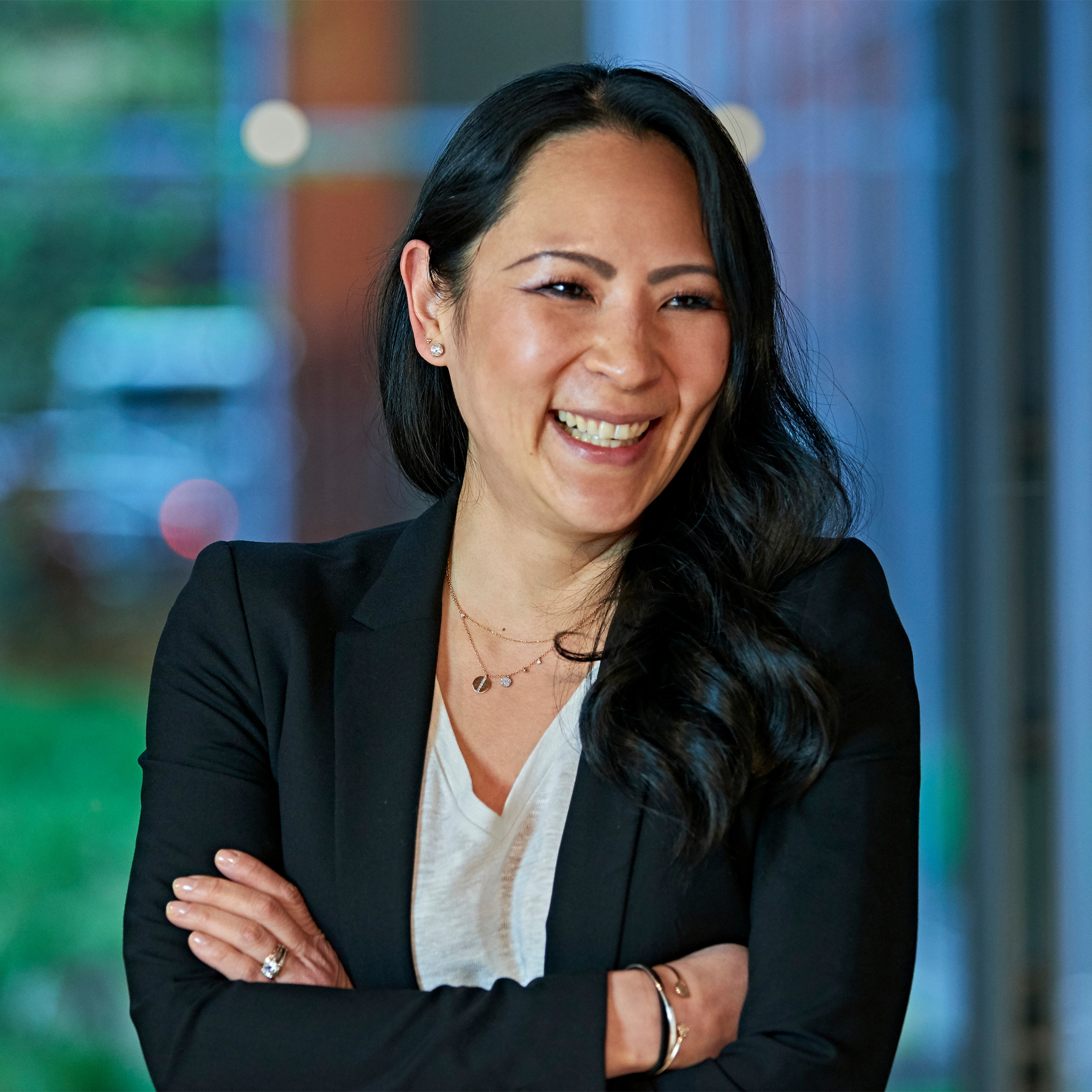
Welcome to Hospitality On The Rise, the podcast about the people shaping the hospitality industry and their journeys. I'm your host, Alice Cheng, Founder and CEO of Culinary Agents, hospitality's go-to hiring platform. And I'm here to give you your dose of virtual mentorship.
Here, we'll be sharing the stories, lessons learned, and advice from hospitality leaders who've carved out their own path to success. After all, this industry is where many get their start and go on to do incredible things.
Whether you're a pro, starting out, or just love the hustle, this podcast highlights what makes hospitality extraordinary, the people.
HOST: ALICE CHENG
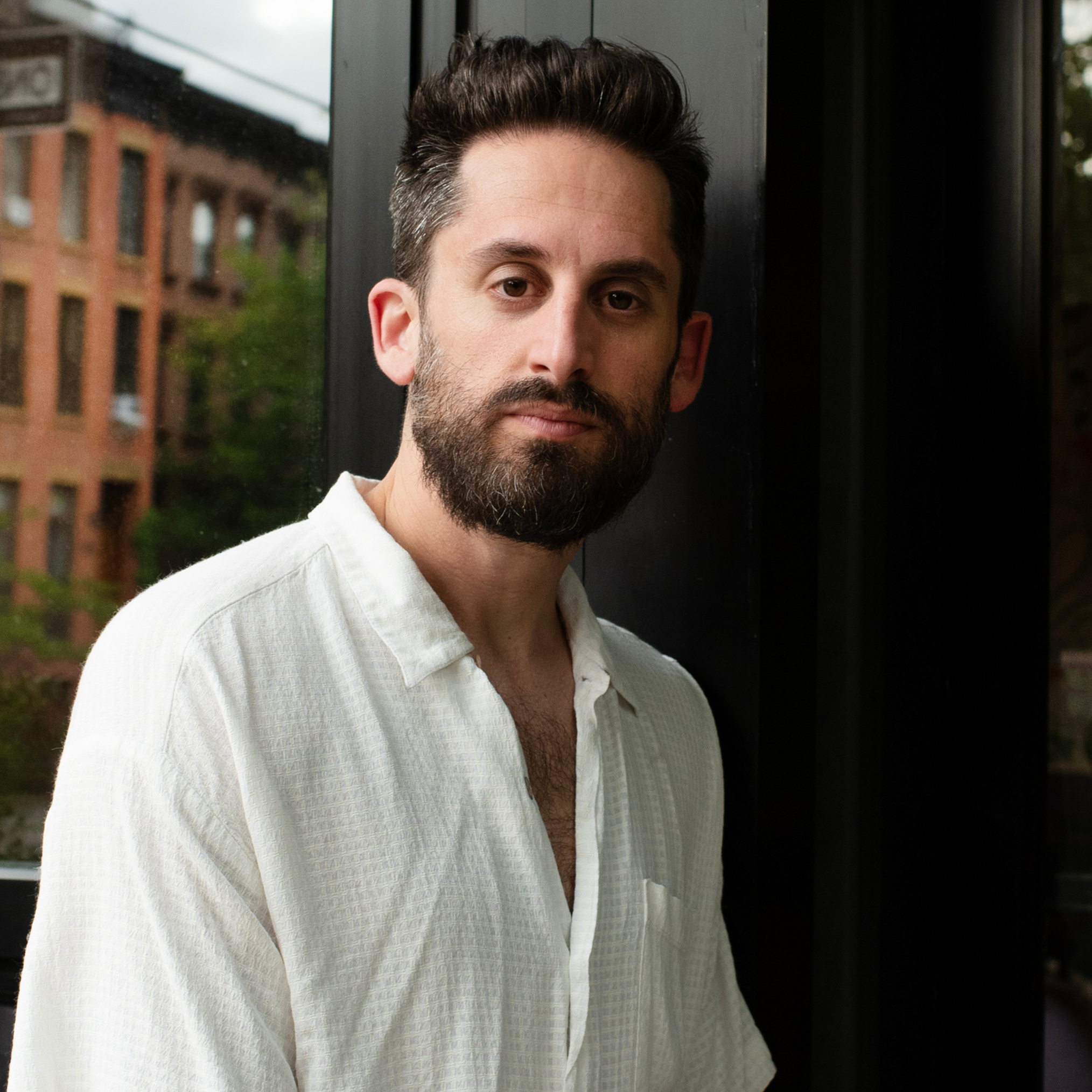
We're so excited to have Eli Sussman here with us today. Eli is the Executive Chef/Partner of Gertrude's, along with some other fun projects underway, which we may or may not hear about. Creator/Host, Talking In The Walkin, which is a chef interview show that takes place inside of the chef’s walk-In. Chef Ambassador to No Kid Hungry. James Beard Rising Star semifinalist. Zagat 30 under 30. The list goes on and on. But let's get to it. Eli, thank you for joining us today.
GUEST: ELI SUSSMAN
Thank you so much for having me. It's nice to talk to you and see you again.
HOST: ALICE CHENG
Yeah, absolutely. You know what I didn't have here is that you have quite the Instagram handle, which we're going to get to, with your memes and content here. But take me back to how it all got started. How did you get in the industry?
GUEST: ELI SUSSMAN
I started in the industry through my brother actually; he got me my first trail. So I was actually living in Los Angeles. I had a desk job. I worked at a creative and marketing agency that represented the record labels. So we basically did the marketing and promotion for CDs. That's how old I am.
And and so I enjoyed that job up to a point when I no longer enjoyed it, and I had been doing some catering and cooking on the side, and I had always done it in high school and college, and my brother said, “Why don't you just come to New York? You can crash on my floor. I'll get you a trail at a restaurant.” I said, “What's a trail?” and I came to New York. And he was working at Roberta's at that time, and he got me an interview at Mile End Deli, which the first location that was in Cobble Hill. I went in, I worked for a couple hours, they offered me a job, I was hooked. I started immediately at Mile End Deli.
HOST: ALICE CHENG
I love it. So self-taught, right? Take me through a little bit. And as I was looking at some of the notes, I was like, this all kind of makes sense now, right? And I don't want to blow up your spot as far as your content is really awesome. And some might think you just fell into it one day and just created all this cool stuff, and you're obviously super witty. But you have quite an extensive resume of experience of marketing, content creation, creative, etc.
At one point, so you kind of transition, career change. Were you still like one foot in, one foot out? Like, “I'm going to do the cooking thing because I love it, but I'm going to do other things.” Or were you all in on the hospitality side?
GUEST: ELI SUSSMAN
Yeah. In LA, I guess you could say I was a little bit one foot in, one foot out, because I had this job that was my desk job that made me the real money, but I'm not sure that that was really fueling me and actually making me happy. So I was working for catering companies in order to make money on the side, but also throwing dinner parties with my friends and also working here and there. One night here, one night there with someone who might be doing an event.
And so coming to New York was actually my really true, full jumping into the industry. And then I jumped in full on, head first. I never really looked back.
I didn't move to New York with a nine-to-five and then start cooking one night a week. I just moved with no job and said, “I'm going to be a line cook. I'm going to see if I really enjoy it. Hopefully I will.” But if not, I felt like I could always use the world of advertising and marketing as my safety net. I felt like I could get another entry-level job at an agency, most likely based on my work experience in LA. I had worked for two different places for about a combined, I don't know, about four years. So that was what my resume said. So I felt as a 24 or 25-year-old, I could probably get another assistant job at an agency. So I had the great privilege of having that safety net. My parents were behind me. I had saved up some money.
So I had a financial and a family and a mental safety net, and I just started working as a line cook, and then I just worked my way up through the restaurant at Mile End. I just sort of took on every single position and worked my way up the ladder, which people don't really do that much anymore, but I did stay somewhere for a pretty long time because I enjoyed the people, the food, the vibe, and so I just stayed.
HOST: ALICE CHENG
Yeah, and you know, for those career changers or hope-to-be career changers out there, it's like, just do it, go all in, right? If you love it, fills your cup, you know?
GUEST: ELI SUSSMAN
Yeah, people ask me, “Should I do what you did?” And there's no right answer. It's the same question that I get posed a lot, which is, should I go to culinary school? Well, I can't necessarily answer that because I didn't go to culinary school. But what I can tell you is that if you have planned, and you've thought about it, and you have a strategic vision of what the timeline looks like, and you want to quit your normal job and do a not normal job, do a hospitality job–I box those in as normal and not normal. But if you want to jump into the hospitality industry, I think there's a lot of skills from a traditional desk job that are very transferable. I also think that, most likely, you will be able to return to the world of your other job in some capacity if you don't like it.
So and now more than ever, there are these jobs within restaurants that require a more traditional skill set that you would have learned at a nine-to-five job. So by that, I mean like restaurants need accountants and marketing. They need someone who's really skilled with IT, social media. So it's like, we're not necessarily talking about you just quitting your job and becoming a line cook. There are other ways you can be involved in hospitality that are not necessarily back of house. They're not necessarily cooking food. They might not even necessarily be inside of a restaurant, right? Like restaurant groups need controllers and accountants and someone who handles their event work. And all these people support the restaurant and the hospitality world and the restaurant group or individual restaurant, but they might not necessarily be a server, a maitre d, a line cook. So there's so much opportunity within the hospitality industry that I'm not sure people actually even think about.
HOST: ALICE CHENG
Yeah, I'm totally gonna latch onto that and run with it for a minute, because at Culinary Agents, we focus on career paths. This is one of the big things we do with Hospitality Career Paths. And we often talk about the skills that you develop and learn while you're working through the industry [that] can be utilized in many different ways, both in other positions and other industry-adjacent things outside of the industry. But the same applies to people who are trying to get into the industry, right?
I think that's one of the beautiful things, is you take the skills that you have, bring them to the industry, and that continues to help evolve this profession. Right?
GUEST: ELI SUSSMAN
Definitely.
HOST: ALICE CHENG
So I love that. And like you said, now more than ever, there are so many different types of… even within a restaurant group. But then you have hospitality at large, and then you have media. Right? And you're a great example, and we're going to get into that on some of the other side hustle-slash- – I didn't purposely skip over the fact that you are quite the author as well. We're gonna get back to that. But I love that. Thank you for sharing, and it's completely true. I'm somewhat of a career changer as well. Although more like a boomerang. I started in hospitality then I left and I came back. You do see the parallels in what people need to do and understand and the skills.
And then last thing because it's not about me, it's about you. We also hone in on skills that hospitality positions require and what businesses are looking for more and more. And even for back of house, the top skill for cooks has been communication. That's been something that is really more and more important and sought after and something that people are continuing to hone in on.
Okay, intermission over. Back to the regular schedule programming. So you mentioned you worked at a couple of different places and you worked your way up. Can you share with me some of the other great places that you worked at? I'm looking at some of them here.
GUEST: ELI SUSSMAN
Yeah, so I was at Mile End for a while, and then my brother and I wanted to join together, although we pushed back on it as long as we could, to open a shawarma restaurant. So we wanted to do a fast-casual concept that we would make everything from scratch. So we had been ideating this fast-casual, we would make our own pitas, we would make all the fillings, pickled vegetables, all the sauces. It would just be everything would be done from scratch. So a very sort of chef-driven, fast-casual restaurant for lack of a better term. And we decided that we were gonna do it, and we left our own restaurant jobs. And then what was sort of presented to us, this opportunity, was to run this restaurant in Montauk called Ruschmeyers.
So we were raising money for Samesa. We did a pop-up actually at Threes Brewing, which is in Gowanus, where they used to host. Now they have a set restaurant that's there, but they used to host restaurants that were in an incubation style state or that were a pop-up, like a Smorgasburg type thing. So we were there for one month, and these guys came in and they said, “look, we're the F&B operators at Ruschmeyers in Montauk,” which was a Chelsea Hotel owned property. We did a tasting, they offered us the job.
So I moved out to Montauk, and we became the chefs of a massive sprawling operation, which is like, Ruschmeyers is 300 seats on the weekends. They do 700 covers on a Saturday night. I mean, can't remember exactly, but it was incredibly busy. It did really high rev numbers, and it had a huge staff. And I came from Mile End, which was… 300 square feet and had 19 seats, and then the Manhattan location was a little bit bigger. And yes, okay I was running both, but I had never really run a– You know, we had a 12-person back of house team. We had a 60 or 70-person front of house team, a GM and AGM.
It was this massive operation, and I was honestly pretty young and my brother's wife was pregnant. And we moved out there, and my brother's child was born right in the middle of the summer. And so he left and went back to Brooklyn to be with his wife. She had been coming out, going back and forth. And then they were in Brooklyn for a little while, and they then returned at the end of the summer to Montauk. But for a while, I was really just out there by myself. That was a real big crash course for me in operations and in handling so many different aspects of what being an executive chef is, which is sometimes you're a therapist, sometimes you're a mathematician, sometimes you're just a glorified prep cook, and sometimes you are a logistical administrative person. And I needed to do all of those things at that job. It was a phenomenal thing to do right before opening our own business.
We then came back to New York and opened Samesa, and then we opened Ed & Bev's, which was a Detroit-style Coney Island concept. And we had various permutations of those at various locations. We had some in Brooklyn, we did it in the Rockaways, we were at Essex Market for a while, Grimm Brewery. So various versions of both of those concepts for about eight years. We did it at Rockefeller Center for three and a half years. And then I hooked up with Nate and Rachel, and then we opened Gertrude's in 2023. So I, for the most part, have been running my own restaurants that I own for the better part of the last decade or so.
HOST: ALICE CHENG
Wow. Wow. I love these because I always discover a whole other... It's like these interviews are a gateway into a whole other area of like, “Oh, I didn't know that.” But I'm trying to think of when you go from– First thing is when you go from small to the large operations, and you say it's a crash course, and you did give some examples, you're really good at these, by the way. I was going to ask you what was something that was the biggest eye-opener or difference between going from a smaller [operation]–because you were running the show there–and then going to this type of massive… And then Montauk is another beast in and of itself because of the timing and the volume and the people and everything. Were there like a couple things, pieces of advice if somebody was going from a small small operation and considering working in a bigger one because they want different experience?
GUEST: ELI SUSSMAN
Yeah, well, I think from a… I mean, there's so many, but from a leadership standpoint, it didn't change for me dramatically. I had to be in charge in the Mile End kitchen. I had to be in charge in the Ruschmeyers kitchen. The main differentials for me was the product change and the service change. So Mile End was primarily a daytime operation. It was heavily focused on brunch. It was a Jewish delicatessen concept. So it was very meat heavy.
And then Ruschmeyers was much more geared towards dinner service. It was much more heavily weighted towards the weekend warrior tourism traffic. So the weekdays were very, very quiet, and the weekends were absolutely insane. There was this similar trajectory, which was like, you have your legs underneath you, and then you hit the weekend at both of these places and it was like, for brunch at Mile End, was like a bomb went off, and at Ruschmeyers, it was like dinner service. This is totally insane. So you have to manage people's expectations and personalities that work for you, in terms of knowing that on Thursday, you have to start getting prepared for Friday because on Friday, you're getting prepared for Saturday, right?
So you just have to think about the week holistically and how you're staffing it so that nobody feels like they are having the burden of prep and service firmly on their shoulders. That is what a leader is supposed to do, is try to make everybody feel good about their job. And generally speaking, what I've always tried to do at any place that I've ever been–even [as] like a lead line cook or a sous chef, and not even necessarily being the owner–is you have to make people want to come to work. And the way that I have always tried to do that is to try to be a place that people enjoy coming and having a kind, warm, inclusive experience at work. That seems maybe easy or obvious to just be like, “Have it be a nice place to work,” but it's actually not that easy.
And I think the flip side of that is sometimes what you can get out of people and what some people actually want is this high pressure cooker, high intensity work environment where someone is gonna be all over you all day, you know, either yelling and or demanding things from you in a very specific way. And what I've always said is we are not doing heart surgery. We are putting food on plates. So I want you to be happy. I want you to enjoy it. I want you to be responsible and punctual and do well at your job and work cleanly. But also I try to temper my expectations for what people are going to put in, and I hope people will then realize that they can get something out of the job. And I hope that they get out of the job what they want.
And sometimes people have worked for me and they're like, “This is not intense enough for me. I need someone to be yelling at me,” and I'm not that guy. And I'm not gonna give you that experience. Also I didn't work for, like, five different famous chefs for 20 years. So from certain technical standpoints and what the menu looks like and how often it changes and the style of cooking, you have to go somewhere and find the place and the person that appeal to you that you want to work for them so that you can learn something and get something out of it.
So that's a really, really long-winded answer of me saying that all jobs are different for the leadership and for the employee and that you have to be willing to put in a lot to get a lot out. And you also have to, sort of before you start, know what you're looking for and have a real conversation with the person that's hiring you about what you're trying to get out of the job and what they're going to be able to give back to you in that job.
HOST: ALICE CHENG
Yeah, I love that. We talk about employer branding. We talk about [this] day and age is the way that people look for jobs and what information and what access they have. And we always say do your research, because not every place is for everyone. And you have to understand or think about what you're looking for. Like, what do you want out of this experience? Who do you want to work for? Who do you want to work with? What do you want to learn? Figure out all your little buckets and how to fulfill them in a realistic way. And then apply and do your interviews.
GUEST: ELI SUSSMAN
100%. I mean, I went and worked at Mile End specifically because I wanted to learn how to smoke meat and make hot dogs and bake, and they were doing all those things from scratch. So that was really appealing to me. It was a very DIY Brooklyn “We make our meat. We make our pickles. We make our sauerkraut.”
HOST: ALICE CHENG
Those are, like, exposed brick and everything, right? Yeah.
GUEST: ELI SUSSMAN
Of course. Yeah, of course, and that was the exact vibe that I was looking for. I will say that I made the right decision there, and I've seen many many people make the wrong decision and then leave, and I think that that is okay as long as you do it in a very responsible, professional way. Like, you don't like the place, put in your notice, explain to them why you don't like it, hopefully give them the opportunity to change if it's something that can be changed. But if it's something that can't be changed, you should move on to a new job that you will enjoy more. And I will say the other part of that is like, really gather all the experience that you want from various places, but also think about what the value is in staying somewhere.
I know a lot of people that have stayed somewhere for a long period of time, and there's tremendous value in that about learning not only certain skills and certain stations, but also being brought into the fold from the economic and administrative side to actually see behind the curtain and understand what it takes to run a restaurant.
It's way, way, way different to be the chef of a restaurant than own a restaurant. There's almost nothing about them, unfortunately, that crosses over. Like you can be the owner and the chef at the same time, but unfortunately, a lot of people are like, “Oh, I've been the chef for a while, it's time for me to open my own restaurant.” I wish I would have spent more time at other people's restaurants before I opened my restaurant, learning from them. And I often think that people rush to that finish line, and I'm guilty of that as well.
HOST: ALICE CHENG
Do you have–because I hear that pretty often too–do you have an example of something that you learned or didn't realize when you made that shift over?
GUEST: ELI SUSSMAN
To being an owner? Yeah, there's, I mean, a million of them. The main one is that you do not realize how much of owning a restaurant is truthfully just filling out compliance paperwork, insurance, legal, city compliance. I mean, New York is very, very complicated, but regardless of what city you live in, you have to pull all these paperwork, you have to renew them, you need workers' compensation insurance, you have to have a mechanism to organize and disperse your payroll. Like none of these things just appear out of midair, right? You have to vet these companies, you have to sign a contract with them. Linens, internet. You have to pay your water bill.
All of these things that as a day-to-day operational leader within a restaurant as an executive sous or a chef de cuisine, you don't necessarily have to touch because you're just making the restaurant go round in terms of staffing it and putting food on plates and running service. Those are things that probably will not be part of your purview, at least not at the highest level. Even repairs and maintenance. You might tell someone that something is broken, and you might even call the repairman, but you're not then following up, paying the invoice, and making sure that the person did it properly, not necessarily.
So there's all these things that as an owner, if you rush into it and you haven't actually shadowed an owner who knows what they're doing, you then have to make it up as you go. And that's what my brother did, and I would say that that is not a strategy. That a good strategy would be to gather as much experience on the owner and operator side as you can before doing it yourself.
HOST: ALICE CHENG
Amazing. Well, you guys certainly have figured out your way, and just getting started because a little birdie told me that there might be some new projects underway. I'm obviously going to dive into some of the content creation stuff that you do clearly because you have so much experience. Can you share a little bit about that?
GUEST: ELI SUSSMAN
Yes, so some new projects in the pipeline. Gertie is moving from Williamsburg, my partner's Jewish deli concept, and it's gonna be a counter order sandwiches. And then in Carroll Gardens, there's gonna be a place called Trudie's Tavern, which is going to take over the Buttermilk Channel space and will be a wonderful neighborhood restaurant in the same way that Gertrude's is.
HOST: ALICE CHENG
Nice, well, we're excited. And I'm going to kind of spend a little time here, because you're quite the extensive author. And I don't know if it's been announced yet, but I did see that there is a new project underway. So I don't know if we can speak about that, but let's go into the content side that you have. So you're quite the content creator.
GUEST: ELI SUSSMAN
Thank you.
HOST: ALICE CHENG
Can you take me through–? First of all, content creation is a full-time job in and of its own. So I don't know how you stay balanced and have all these balls juggling in the air, but it's quite amazing, and your content is hilarious.
GUEST: ELI SUSSMAN
Thank you, yeah, it's a strange realm to be an actual, real person that works in a restaurant and then a fake persona moron that makes videos on the internet and embodies these sort of tropes about the hospitality industry. But people seem to really dig it, so I'm gonna keep doing it until they get sick of me.
HOST: ALICE CHENG
Yeah, yeah. Well, clearly, I mean, you have the experience, right? So you're not just someone poking fun or making up scenarios. I think that's one of the reasons why people resonate with it so much, because they're real world situations and probably some that you've lived through, right?
GUEST: ELI SUSSMANv
Yeah. Yeah, unfortunately, it's the opposite. I occasionally will get someone that I worked with or a current line cook and they'll be like, “Was that about me? Can you not make a video about me?” And I'm like, “That's not about you if you can believe it. You just do the same thing that every line cook has ever done for the past 30 years, because everyone is not original, including myself.”
And it's like we've all heard the same excuses from everyone. We've all had the exact same issues with equipment and with people and with our mental health. And so everyone's kind of in a silo in their own world, head down, having these problems. And yet they are, we're all having the exact same problems.
HOST: ALICE CHENG
And that's to your earlier point about having fun and enjoying what you do, I mean, clearly, yes, you're poking fun and you're taking these examples, and it's resonating. But that's one of the things I think people love about this industry as well. There is this like… there's so much shared humor understanding in this kind of club of like, “I get it. I get that joke. I get it.”
GUEST: ELI SUSSMAN
Totally.
HOST: ALICE CHENG
And you know, hey, everyone needs a good laugh every now and then.
GUEST: ELI SUSSMAN
I think the whole purpose of the Instagram is that so that everyone can feel like they're in it together. It's almost like a meeting room or like a group chat in a way, where everyone's like, “Oh, I am going through that same annoying problem.” And they can kind of come to my page and laugh and commiserate and hopefully share an anecdote. You know, often I'll ask for people like, “Put in the comments the worst thing that ever happened with your grease trap” or whatever. And like, I think it's a cool mechanism for people to vent about these problems that they have that they do feel that they have to own individually. And actually it feels really good to explain to someone what's been going on in your life and actually have them understand it.
So it's been a very cool meeting place for people, and I've made some very cool digital friends, for lack of a better term, and people that I just shoot the shit with and commiserate about what's going on. Guys and women that own restaurants across the United States, and line cooks everywhere, and wine people. They all want to share what is going on with them and share their own stories, and they share the memes because I think that they are relatable and that's the goal.
HOST: ALICE CHENG
Yeah, yeah. And I am guilty of spending time also in the comments section. And I particularly enjoy when someone who clearly stumbled upon the page, right, and doesn't understand because they're not in the industry, and they ask a question or they make a comment. And then everybody comes out to explain, and I'm like, this is the best.
GUEST: ELI SUSSMAN
Totally, I've left comments before on some other comedy videos where I am just really dryly commenting, and people will pile on to me. And then sometimes I'll see, like, 20 comments down, somebody will be like, “Clearly none of you have seen like The Sussmans page,” you know? And I know when I'm a little bit out of my depth, is when I encounter non-hospitality people in another context, and people think that I'm being serious when really I'm just trying to take the piss a little bit and be satirical and poke fun at folks. So I do sometimes have to watch a little bit where I comment and how I behave, because sometimes people don't get it, and it goes over their head, and they think I am being either malicious or serious when really I'm really just trying to joke around.
HOST: ALICE CHENG
Yeah, well I know a lot of people in the industry. We've got 2.5 million hospitality visitors, and I know a lot of people really enjoy your content, as do myself and my team. So keep it coming. It's also a great point for a great place for people to do research and learn a little bit, too, if you're trying to either get into the industry or understand a little bit about what's going on.
GUEST: ELI SUSSMAN
Totally. And I answer all my DMs, so anyone who's ever reached out to me, I really do respond to them, and I've gotten questions as far-reaching as, “Should I start a restaurant?” and “Should I enter the industry?” And then as specific as, “What type of immersion circulator do you use at the restaurant?” So I love talking about this stuff. I want to be in this industry and do this job, because it's the only thing that I want to do. And so it's really satisfying for me to speak and talk to people that love doing what they do and are in the industry as well. I'm accessible, I'm easy to find, and I love chatting with folks across the industry about what's going on with them. It's good for my content. I get to mine it for content later on, you know.
HOST: ALICE CHENG
Yeah. I love it. I love it. Well, on that note, we're to go to quickfire.
GUEST: ELI SUSSMAN
Okay.
HOST: ALICE CHENG
What advice would you tell your younger self?
GUEST: ELI SUSSMAN
Be more patient. Spend more time working for other people. Drink more water.
HOST: ALICE CHENG
What's your advice for someone struggling in the industry?
GUEST: ELI SUSSMAN
Depends in what context they're struggling, but I think if they're struggling from a “Do I like it? Do I not like it?” perspective, they need to talk to their supervisor and hopefully get some advice on whether they're pursuing the proper path. If they are struggling mentally, I think that there are resources for that. There's Southern Smoke. There's Ben's Friends. Hopefully you can talk to someone that you trust at the restaurant. I think that's a big problem within our industry where people are keeping these things to themselves. So if you're struggling, I think it's always better to go to someone that you can trust and talk with them about it, and hopefully they can help you out.
HOST: ALICE CHENG
What's your advice for fellow hospitality leaders?
GUEST: ELI SUSSMAN
Stop yelling and stop thinking that just because you got there, you did it yourself. I think everyone who is in any position of leadership got there on the shoulders of many other people, and we all need to remember that. I am in my position due to a tremendous amount of privilege, good luck, and some hard work. And I think that many people that are in these really influential big positions, they don't want to acknowledge the fact that part of the reason that they're there is by really going on the shoulders of other people and also some good luck. And I think we all need to be a little bit more compassionate in this industry when talking to both our peers and people that are working their way up. Because if you're in that leadership position, everyone is looking to you for mentorship and guidance and advice. And one minute of your time can be super valuable to a young cook. So try not to blow them off and try to have patience and compassion for those people that work for you, because they wanted to work for you because you are exceptional, and don't let them down.
HOST: ALICE CHENG
Right, I love that. On that note, thank you so much, Eli, for spending time with us. I know you're very, very, very busy. And I look forward to you creating some content about us. No, I'm kidding. No, I look forward to what's next. I know you got a lot of irons in the fire, and really excited. So congratulations on everything, and looking forward to seeing many more successful things.
GUEST: ELI SUSSMAN
Thank you. Great to talk with you. Great to see you always. I'm working on a comedy hospitality book. I can't wait to finish it, and then maybe I'll come back, and we can talk about it again.
HOST: ALICE CHENG
Absolutely. I'm going to book you.
GUEST: ELI SUSSMAN
All right.
HOST: ALICE CHENG
See you later. Thanks Eli.
GUEST: ELI SUSSMAN
Bye, thanks.
HOST: ALICE CHENG
Remember, success looks different for everyone in hospitality. No two paths are the same. If you have a leader or a topic you want to hear about, email [email protected].
Hospitality On The Rise is brought to you by Culinary Agents, connecting top talent with employers since 2012. Whether you’re hiring or looking for your next opportunity, join us at CulinaryAgents.com
For more inspiration, subscribe to Hospitality On The Rise and visit HospitalityCareerPaths.com, a free platform by Culinary Agents.
Thanks for tuning in! Remember to like, follow, and subscribe. And if you loved this episode, share it with someone who could use a little inspiration.