Links
Transcript
HOST: ALICE CHENG
Welcome to Hospitality On The Rise, the podcast about the people shaping the hospitality industry and their journeys. I'm your host, Alice Cheng, Founder and CEO of Culinary Agents, hospitality's go-to hiring platform. And I'm here to give you your dose of virtual mentorship.Here, we'll be sharing the stories, lessons learned, and advice from hospitality leaders who've carved out their own path to success. After all, this industry is where many get their start and go on to do incredible things.
Whether you're a pro, starting out, or just love the hustle, this podcast highlights what makes hospitality extraordinary, the people.
HOST: ALICE CHENG
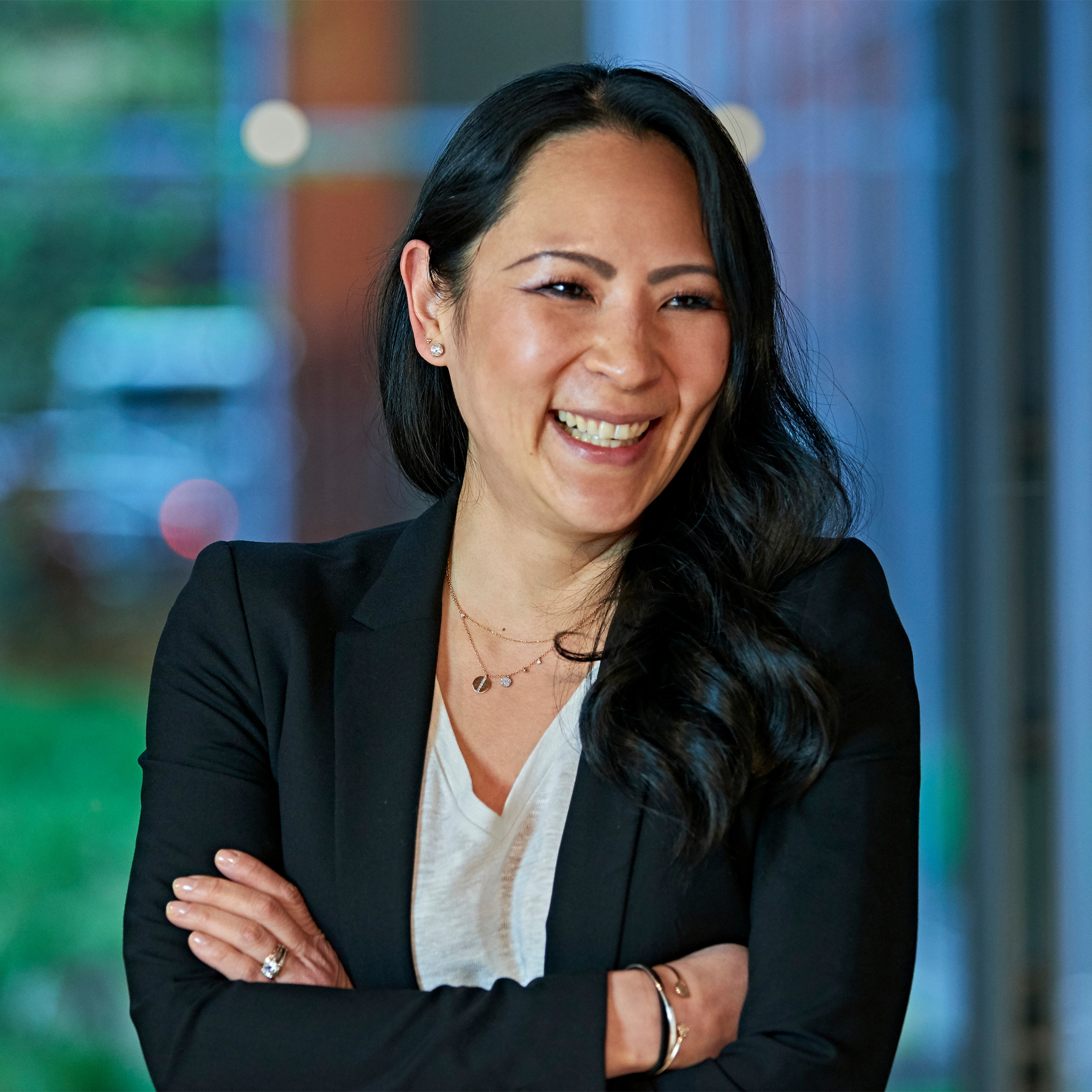
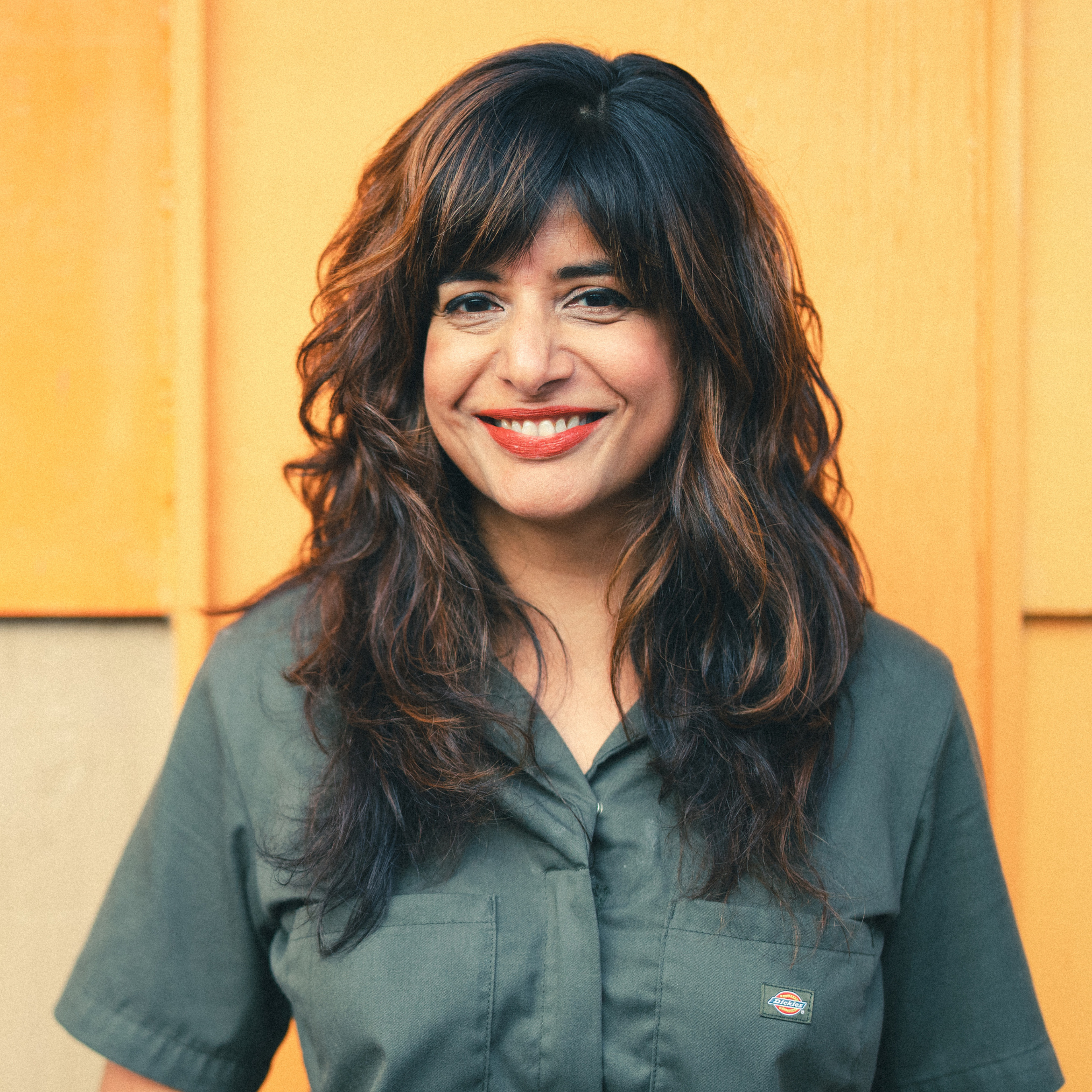
I'm so excited to have Cheetie Kumar here with us today. Cheetie is the Chef/Co-Owner of Ajja, VP Board Director of Independent Restaurant Coalition, the Acting President of the Southern Foodways Alliance, Board Member of Government Affairs Committee for the North Carolina Restaurant and Lodging Association, and part of the Chef Corps for World Central Kitchen. Amongst other things, Cheetie is the first legit rock star we've had on the pod here. So we're going to hear a little bit more about that. Thank you, Cheetie, for joining us today.
GUEST: CHEETIE KUMAR
Thanks so much for having me. I'm so excited to be here.
HOST: ALICE CHENG
Yes. So tell me, I know I feel like you have had several careers over the past years. How did you get into the hospitality industry?
GUEST: CHEETIE KUMAR
Well I started off while I was getting my psych degree, kind of working on concert boards in college and being a DJ at the college radio station. I managed bands, and then I realized that I was a frustrated musician. So I kind of learned how to play guitar, was on tour, and like most starving artists, we work in restaurants to support our creative output.
And so I was doing these parallel things, and my whole life I had loved cooking. Well, loved-hated it, but whatever. Growing up, my mom taught me how to cook because I really wanted to learn. And then when my family moved to America from India, my mom was working, my dad was working. I was kind of the meal starter. I was my mom's sous chef. So I really got a good fundamental knowledge of basics. Then I was reading cookbooks my whole life.
So I wanted to work in the kitchen while I was touring, but I ended up bartending because it was more money. So I did that for a while. And that was like my first real, I guess, restaurant jobs. But then my now-husband and some friends opened a music venue because we really wanted a place in town in Raleigh, North Carolina that was run by and for indie musicians. We didn't really have a place like that. It was a little third space for us. The original location got torn down to build a convention center. And when we looked for a new space, we wanted to have a food component and a more serious cocktail bar kind of situation.
So when we found a space, it was not… It was way bigger than what we wanted, but it included an already built out restaurant. It was a second generation space. It was the only thing we could afford to do. And so I really became a professional chef because I had a lease on a restaurant and I was like, “Well, I guess I gotta learn how to do this now.” So pretty convoluted way to go about it. I would not recommend.
HOST: ALICE CHENG
Well, I think that's one of the beautiful things about talking to leaders such as yourself, is that not every path is cookie cutter. And everyone gets their own way.
GUEST: CHEETIE KUMAR
That's right.
HOST: ALICE CHENG
And it can be a really beautiful process. Sometimes it just happens.
GUEST: CHEETIE KUMAR
Yeah, life is not linear, you know?
HOST: ALICE CHENG
Yeah. And when you were cooking growing up, I love that. You're the meal starter, you said. Did it ever cross your mind that you would kind of have a restaurant or do this in the future?
GUEST: CHEETIE KUMAR
Not in my wildest dreams. I mean, I'm the child of–well, I am an immigrant. My parents are from India, and you may or may not know, but parents of that culture.
HOST: ALICE CHENG
Oh, I know.
GUEST: CHEETIE KUMAR
Yeah, I'm sure you've been subject to the same things. We have three whole options: doctor, perhaps a lawyer, and I guess if you're not that smart, maybe an engineer, which makes no sense because engineers are so smart, but there's a weird hierarchy, doctor being like the penultimate. And my sister fulfilled that. My brother also was going into psychology as a clinical path. And I was the middle child, but it took me a long time to have the idea that these weird careers that I was forging for myself were legitimate and just to accept it. I wasted a lot of years feeling lost and guilty or like a loser for not having this very traditional goal set. I never could really picture what I wanted to do, but I knew what I loved, which was food and music. And if I had just given myself permission when I was young, then I would have saved some time.
HOST: ALICE CHENG
I mean, that's like the first major piece of advice right there…
GUEST: CHEETIE KUMAR
Yeah, 100%.
HOST: ALICE CHENG
… for folks kind of starting out. Because I'm sure you see this often. We hear it often. It definitely is something that still is out there, with people trying to figure out like, “Is this a long term career path for me? I love doing it, but…” right? There's always this little bit of torn feeling, and regardless of what other pressures–a family or just individual internal pressures that you have or one has. And it's so great because you're a walking example; there's many different examples of people who have pursued different things. And whether all roads kind of led them back to hospitality or some hybrid form of things that they just loved and they were able to match that together, I mean, that's really pretty magical.
GUEST: CHEETIE KUMAR
That's right, that's right. And I think as the world evolves, society evolves, the world becomes sort of more accessible. There are so many more creative careers available to people. I think most people really do have three careers, like on the average in their life. So you don't have to decide for your 60 year old self when you're 22. That's ridiculous.
HOST: ALICE CHENG
Right? I don't know what's going to happen then, right? I mean, even this industry alone has created or there are so many other ways you can be a part of this industry, work in this industry, bring skills that you either develop somewhere else to this industry and vice versa. Right?
GUEST: CHEETIE KUMAR
That's right.
HOST: ALICE CHENG
And I think that's one of the beautiful things about working in hospitality is like you really could be fluid about it. It could be a side thing. It could be a full thing. It could be whatever you want it to be.
GUEST: CHEETIE KUMAR
That's right. I mean, as long as you're kind of really present on the day-to-day level and giving it your all and really paying attention to the things that spark you, you know? I think that's the only way to do it.
HOST: ALICE CHENG
Yeah. Well, that's great. I'm going to take it back to you specifically, because you pursued music for quite some time. It wasn't just like a “thing.” And so clearly that was also another passion and you kind of married them together. What was one of the most challenging things or maybe like an initial lessons-learned when you were building your first venue, basically?
GUEST: CHEETIE KUMAR
Well the first venue was actually a music venue, actually a venue. And I kind of was in this interesting position. There were four partners at the time. And one of our landlords in the building was a general contractor. So he was the contractor on record, but he gave us such a heavy discount. But he was like, you're going to be the project manager.
So I actually oversaw all of the construction, which meant that I got there at seven in the morning. And then when the construction people left, then I started shopping for bar fixtures and light fixtures, and like R&Ding recipes and all of that kind of stuff. So those are really long days.
But I learned a lot in that time, just understanding the decisions you make, early on, the build out is permanent. Like, you think that you're going to go back and fix that shelf or something. You know, construction part is so difficult and it's so intense. But really what you're doing is doing this marathon to get to the starting line. You're not even finishing. Like, you end construction, and then the pressure is on to open as fast as possible.
So you really, you know, the more experience you have, you hopefully have work behind the bar and you understand what your reach should be. You've hopefully worked in a kitchen and understand how a well-functioning line operates and where refrigeration should be, where should the trash cans go, where should the hand sinks be. Those are physical kind of things, but I think more than anything, I would say that space really needs to be… you need to be flexible in what your concept is.
When you walk into a room, when you walk into a building, it makes you feel something, and it kind of tells you what is appropriate for there. You might have an idea that you want to be white tablecloth, fine dining French restaurant or whatever, but if your space doesn't really feel like that, there's gonna be this discordance forever. So it's better for you to change because a building can't change.
So I think matching the vibe, matching the location and your neighborhood, and your food concept, and your layout–those are limitations that aren't, they're not movable. So you have to be really flexible and have some foresight into what the eventual thing is gonna be. Just like creating a recipe, you need to have a knowledge of like, who's gonna pick it up on the line? How is it gonna be eaten? What silverware is it gonna be on? Which plate is it going to be? How is the staff going to talk to it? How does a guest feel when they eat it? Like all of those things really, you know, we're always kind of trying to predict in the near future, I guess.
HOST: ALICE CHENG
Yeah, I love that. I've never heard that, but it makes total sense. But it's like you're imagining the life cycle of the thing.
GUEST: CHEETIE KUMAR
Yes.
HOST ALICE CHENG
Whether it's the dish or the venue or the restaurant or whatever, or even an potential employee, right? A potential leader.
GUEST: CHEETIE KUMAR
100%.
HOST: ALICE CHENG
What is their potential and how do I see them working in the space, etc.? So great. I learn something new every time I talk to somebody. I love that. And so after you have your first venue, your first music venue, and then you find another space that now you're incorporating food, and it's been… it's like an evolution because then after that, you open restaurant specific. So can you take me through a little bit how the growth happened?
GUEST: CHEETIE KUMAR
Yeah, so that was actually in the same building. So was a three story, 10,000 square foot building. Very, very challenging, totally terrifying. I mean, I have never been so terrified in my life. I think opening a restaurant is very, very scary. And it should be because it's a potentially devastating process or the most wonderful thing you'll ever do. Whatever it is, it's challenging.
So, I mean, I had like a specific extra kind of thing to consider because it's in the same building. There's a music venue upstairs, there's a bar downstairs. I have to kind of really understand how the three things work together and do they work together? How much overlap do we want it to be? I think I had ideas initially before I even opened a restaurant, that I just wanted to have, like, a five-item menu in a place that was like a stationary food truck, kind of. Like I pictured something in Austin, but I lived in Raleigh, and there wasn't really anything like that. It wasn't really allowed. And really the space I ended up with was like a legit restaurant with a bar, full kitchen, 3,500 square feet. And it really felt like, again the space felt like it wanted to be more than what I had imagined. So I had to sort of grow to step into these shoes.
And it evolved in this way and the build out... I had a friend who was a really talented designer, but she was just kind of helping me. I didn't have any money at all. Like we opened that restaurant for $90,000, which is crazy.
HOST: ALICE CHENG
Wow. Could be a case study.
GUEST: CHEETIE KUMAR
Yeah, I mean this was in 2013, and things were a little bit less expensive, but still we tile the bathroom floor with pennies, because literally that's what we had. And it's like all of these things we did that were so threadbare and scrappy ended up becoming… they felt intentional because we kind of made it so personal, and that was such a big lesson. And it took me a long time. Again, 2013, my menu… I'm from India-descent, but I lived here since I was eight years old. I didn't want to have, like, an “Indian” restaurant. I didn't want to put butter chicken on my menu. I loved food from Korea and Vietnam and Malaysia and ALL of India and the Middle East. And I thought, right, like, is there a story here to connect all of these people? Because I grew up in the Bronx, and I had friends from all over the world. We were all immigrants and we all had stinky refrigerators and...
HOST: ALICE CHENG
And stinky packed lunches. I mean, hey.
GUEST: CHEETIE KUMAR
Exactly, like we were all the misfits that everybody was like, “I've got peanut butter and jelly.” I was like, “I don't. I wish I did.”
I don't know, so it really took me a while, and fortunately we had cheap rent, so not that it wasn't terrifying, but I had the time to find a way to coalesce this idea. But you know, I think like if I opened that restaurant now, I think I'd probably focus a little bit more, but I still wouldn't know which category to call ourselves on Yelp or Facebook or whatever. There's no real Pan-Asian kind of category that encompasses what I want it to. It's not a sushi-Thai place, which for some reason that's kind of taken off. I just wanted to talk about the spice route and how we've influenced each other throughout history, and that's still the kind of conversation that inspires me. I've gone way off topic on your question, but I don't know.
HOST: ALICE CHENG
No, not at all. I actually was just going to ask you, how do you stay inspired? And there you go. Right? Because part of growth and business and sustaining and understanding business and how to stay in business is like what's going to resonate. Yes, you talked about the space and all the logistical stuff. But then once you open, and you start getting feedback. and you see the reactions and what people want, right?
GUEST: CHEETIE KUMAR
Yeah.
HOST: ALICE CHENG
Then to your point before, remaining flexible to kind of give it its own voice and find its place, right? And oftentimes once that becomes a fit–in the tech world, it's like product-market fit–then you're like, okay, how do I grow this? Or how can I spin something off this that, based upon feedback, we know that is in high demand. And those are stories we hear, which are wonderful about growth, right? How the next concept kind of develops from the first one.
GUEST: CHEETIE KUMAR
That's right.
HOST: ALICE CHENG
So how long did you wait between… because you have other projects happening or maybe…
GUEST: CHEETIE KUMAR
Right now, I don't. So yeah, so from 2010 to 2022, we had a music venue called Kings, we had Garland, which was my first restaurant, and we had a bar named Neptune's. And then from 2022 to 2023, we closed Garland, we sold Kings, we sold Neptune's, we kind of got out of that lease. But in the meantime, we'd gotten this opportunity, actually in 2020, to buy this little plot of land with a cute building that my husband Paul and I had loved for years. Our friends were operating a coffee shop out of the front, and they got wind that the owner was trying to sell the building, and we found out about this SBA loan that exists for operators who are gonna be working in a property, so it's not for real estate development, it's not for investment, it is for operators.
So we took a chance on this spot ,and it wasn't supposed to be either or, but that's how it turned out. So Ajja opened in 2023, June of 2023. We closed Garland on September 1st of 2022. But it took me a really long time to do something else, and now we're working on another project, two and a half years after Ajja's open. I got to the point where I thought, I realized that the physical limitations of that building–or the physical demands, I should say, not the limitations, because it was 10,000 square feet–I just never, you know, a 250-capacity music venue is even harder to make a profit than a restaurant. And I just, I think we were constantly almost there, almost there, and then something would happen and we'd go back. And we spent a decade like that, and then the pandemic hit, and then we had to kind of reinvent.
And you know, just like most people in the world, that was a time for us to kind of think about what belonged in our life and what we wanted our days to feel like. We had a chance to stop and really make some hard decisions. And once we did that, I was like, well, we could stick with this and only do this and be satisfied with it, or we get rid of this and do anything else, and we chose plan B. And now what happened was, like, opening Ajja, just had the chance to be– we just had these intentions, and we knew what we didn't want it to feel like at least, and we knew we had dreams of what it could be. And so we really created the systems and the infrastructure from the first day to kind of help us accomplish those goals, those personal goals of what our life should be like at this point in our careers.
So that's sort of like… it was a really good way to not feel like we were always trying to figure out what our mission was. We started with the mission. We built our labor model based on that mission. We built everything around that mission, and that was such a real like once-in-a-lifetime… I want to use the word “blessing.” Like, I really feel like we were lucky to have that opportunity.
HOST: ALICE CHENG
Yeah, now that we're, what, five years after the beginning of the pandemic, when you try to find all what was positive that came out of it, because so much negative came out of it. And it was very commonly, especially with restaurateurs and just people in this industry or in general, is just taking a step back. Because it's so often you can just get tunnel vision, you have your routine day to day repetition, all that stuff. And it's always busy, always grinding, and sometimes you lift your head up, and before you know it, 10 years has passed or five years or three years, whatever it may be, right?
GUEST: CHEETIE KUMAR
That's right.
HOST: ALICE CHENG
And getting this kind of forced pause, that is one positive thing. And a lot of folks reset. Reset, rebranded, reevaluated, re-everything, and then reset. And I think now we're seeing a lot of the positives of all of that action.
GUEST: CHEETIE KUMAR
Yeah.
HOST: ALICE CHENG
So great, thank you for sharing. I think that's something that we're also hearing commonly from leaders now, because you're also working in an environment where you have multi-generational on one roof, right? You're hiring either first-time workers or folks who are coming out of culinary school or hospitality school or just people that love the industry and want to work in the industry.
GUEST: CHEETIE KUMAR
That's right.
HOST: ALICE CHENG
If you don't have you as leaders, if you don't have your kind of goals or vision set–even if it's written down, I think sometimes that helps–sometimes before you know it, you get so busy and you're like, wait a second, what's going on?
GUEST: CHEETIE KUMAR
I've lost my plot, yeah.
HOST: ALICE CHENG
Yeah. Yeah. So congrats on whatever is coming up next.
GUEST: CHEETIE KUMAR
Thank you.
HOST: ALICE CHENG
And also you're very active on many other things here. You're on the board of directors for Independent Restaurant Coalition and very vocal in supporting the overall industry and community. How do you balance all of this? This is a lot of, I shouldn't use the word “balance.” I say like work-life harmony, right? How do you make time to make sure that all the buckets are filled?
GUEST: CHEETIE KUMAR
Well, it's a work in progress, and it's a daily thing. I think a lot of… I mean, I'm not gonna lie, it's really challenging sometimes, and it is hard to make time for everything. And I am used to putting myself and my needs sort of last, but I really do try now to be very intentional about… like anytime I can sneak in a little bit of self care and definitely exercise a certain amount of hours a week. Try to make good decisions about food and alcohol and sleep. But I think that what was plaguing me before, which I really worked very hard in the last five years in therapy and everything–the anxiety of what was coming or what the day, the next day was gonna bring, the fear of whatever the circumstances are right now–were almost heavier than the actual work, than the actual hardship. And I really learned to try to, you know, those intrusive thoughts that come, I used to just jump on them and go for a ride, and it was like catastrophe fantasies all day long, every day. I just kind of thought, “What is this helping? This is not accomplishing anything.” And I think in my head I had this neurosis, almost. If I think about it enough, I can solve it before it happens. And it just doesn't work, you know? So I really tried to just create some space and really try to be a little bit more intentional about what's happening in the moment and when it's time to stop working. Forgive yourself for stop working. It's okay, it's been 12 hours. You can stop now. It's been 14 hours, you can stop now. And some days it's been seven hours, but just think about things.
HOST: ALICE CHENG
You can stop now.
GUEST: CHEETIE KUMAR
You can stop now, it's okay. And you can refuel. I think that's a big part of this industry is that we're so used to being in this crisis mode and this fight or flight. Tickets are printing , and you gotta get your ticket times, your ticket times. You gotta be ready for service and watch your labor cost, labor hours and all of this stuff. It's really difficult to shift your brain physically from that mode to exhale mode, and it really requires some physiological changes, and intentional movement is a big part of it. These are practical skills that really help. A cold bath or some ritual that resets your brain.
Not to get too woo-woo, but I think it's really important to maximize… the time that you don't have at work, to really maximize the fuel that you can get out of it. There's no point in thinking about work when you're not at work. Unless it's an emergency, just put it down. It's gonna be there tomorrow, I promise you. And nobody's gonna, we're not… We're not operating hospitals, we're operating restaurants. Like, nobody's gonna die, it's fine.
HOST: ALICE CHENG
Yeah, yeah. And it's so important to… I think that's something that more people are trying to get to, that place, and remind themselves. Before you were talking about the going down the rabbit hole and on the path, but I'm like, yeah, that path leads to burnout. Right?
GUEST: CHEETIE KUMAR
It does, it is the expressway.
HOST: ALICE CHENG
And I think that's also a trend that I'm loving to see with leaders, is this intentional, it's no longer the pride of working until you burn out. If pride is even the word, but that was something that was kind of glorified.
GUEST: CHEETIE KUMAR
It was. It was like a badge of endurance. Like, “I'm so tough, whatever, suck it up and let's go.” Like, you don't have to do that all. Sometimes you have no choice, but if you have a choice, then don't choose that, you know?
HOST: ALICE CHENG
Yeah, yeah, or like reserve, make some reserves so that when you have to, you can step up, right?
GUEST: CHEETIE KUMAR
That's right.
HOST: ALICE CHENG
But that is really important because nobody does anybody any good when leaders and mentors burn out, right? Or they're no longer available, or they're not their best versions of themselves to teach and show and be the example for upcoming leaders for younger generations or just people who are starting out in the industry who have always had that passion to succeed in the industry. And they look at their role models and leaders and they're like, “Wait how else can I do this?” Right.
GUEST: CHEETIE KUMAR
Yeah, and also just the impact that your mood has on everybody around you and how you approach your day, what your resting face is. It matters, the influence. Everybody in the kitchen, everybody in a restaurant, we all impact each other. We spend so much time together. If we're not really… if we're having a bad day, we're all human, just communicate. Like, “I'm having a hard day today, nothing personal. I'm just…” that's all it takes.
But if you're showing up and you're spent to the core, and you're in a terrible mood and you're doing that day after day, you're gonna be a jerk to your team, and that is gonna foster a very toxic environment. And that's not gonna be good for anybody. Let's just try to have some fun. At the end of the day, that's all we got. We're on our deathbed, we're not gonna say, “That prep list was incredible,” we're gonna say, “I made people feel a certain way.” That's what people are gonna remember, how you made them feel.
HOST: ALICE CHENG
Yeah, I love that. So on that note, I think we're going to go to quick fire.
GUEST: CHEETIE KUMAR
Okay.
HOST: ALICE CHENG
Actually, no, I'm going to take a step back first. I want to hear about if you are able to share what's next. You mentioned briefly that there might be another project.
GUEST: CHEETIE KUMAR
Yeah, so this was not an opportunity we were looking for, but there's a spot really close to our house that is a convergence of a bunch of neighborhoods. Ajja is in a neighborhood. We moved from downtown to this neighborhood thing. And I'm just kind of really embracing this culture of being in a neighborhood. And this spot has been through many iterations, but it's going to be a like a tavern, a casual restaurant with a little market in the middle, like in a patio with a bar. Well the bar's inside, but quick service, quick service/slow food, and some soft serve, and some fresh juices, just a really fun neighborhood spot that we can explore some fun surprises on the culinary side.
And yeah, just someplace where we can walk to and yeah, it's not a big lofty thing, but it's something that I feel like our neighborhood really needs, and I think it'll be a really great community anchor and that's very inspiring to me.
HOST: ALICE CHENG
That sounds wonderful. It also sounds like a place like if I was driving up, driving by, I’d be like, “Let's stop in there.”
GUEST: CHEETIE KUMAR
Yeah, yeah, get your sundries for your hotel room.
HOST: ALICE CHENG
Yeah, seriously, maybe pick up a sandwich or something. I don't know.
GUEST: CHEETIE KUMAR
That's right, exactly.
HOST: ALICE CHENG
And for those of you who are just listening and not watching, I just really love the way that Cheetie's face lit up when she started talking about it. But anyway, now on that note, we're going to go to quick fire.
GUEST: CHEETIE KUMAR
Okay.
HOST: ALICE CENG
What advice would you tell your younger self?
GUEST: CHEETIE KUMAR
Believe in your gut.
HOST: ALICE CHENG
What's your advice for someone struggling in the industry?
GUEST: CHEETIE KUMAR
Find a therapist. Figure out what it is that's making you feel challenged or stuck. And believe in your gut. If you're struggling, are you in the wrong work environment? Are you doing the wrong thing? It's okay to let something go and let a new thing come into your life.
HOST: ALICE CHENG
And what's your advice for fellow hospitality leaders?
GUEST: CHEETIE KUMAR
Communicate with your team. Create healthy boundaries for yourself and for your managers and for your entire staff. Be malleable. Listen and learn every day.
HOST: ALICE CHENG
And now on that note, thank you, Cheetie, so much for joining us today. I can't wait to drive by your new little neighborhood spot and pull in and grab a sandwich.
GUEST: CHEETIE KUMAR
Thank you. Or something else maybe.
HOST: ALICE CHENG
Or something else, or a bottle of wine, picnic necessities, and all that stuff.
GUEST: CHEETIE KUMAR
Exactly. You've read the concept.
HOST: ALICE CHENG
Remember, success looks different for everyone in hospitality. No two paths are the same. If you have a leader or a topic you want to hear about, email [email protected].
Hospitality On The Rise is brought to you by Culinary Agents, connecting top talent with employers since 2012. Whether you’re hiring or looking for your next opportunity, join us at CulinaryAgents.com
For more inspiration, subscribe to Hospitality On The Rise and visit HospitalityCareerPaths.com, a free platform by Culinary Agents.
Thanks for tuning in! Remember to like, follow, and subscribe. And if you loved this episode, share it with someone who could use a little inspiration.