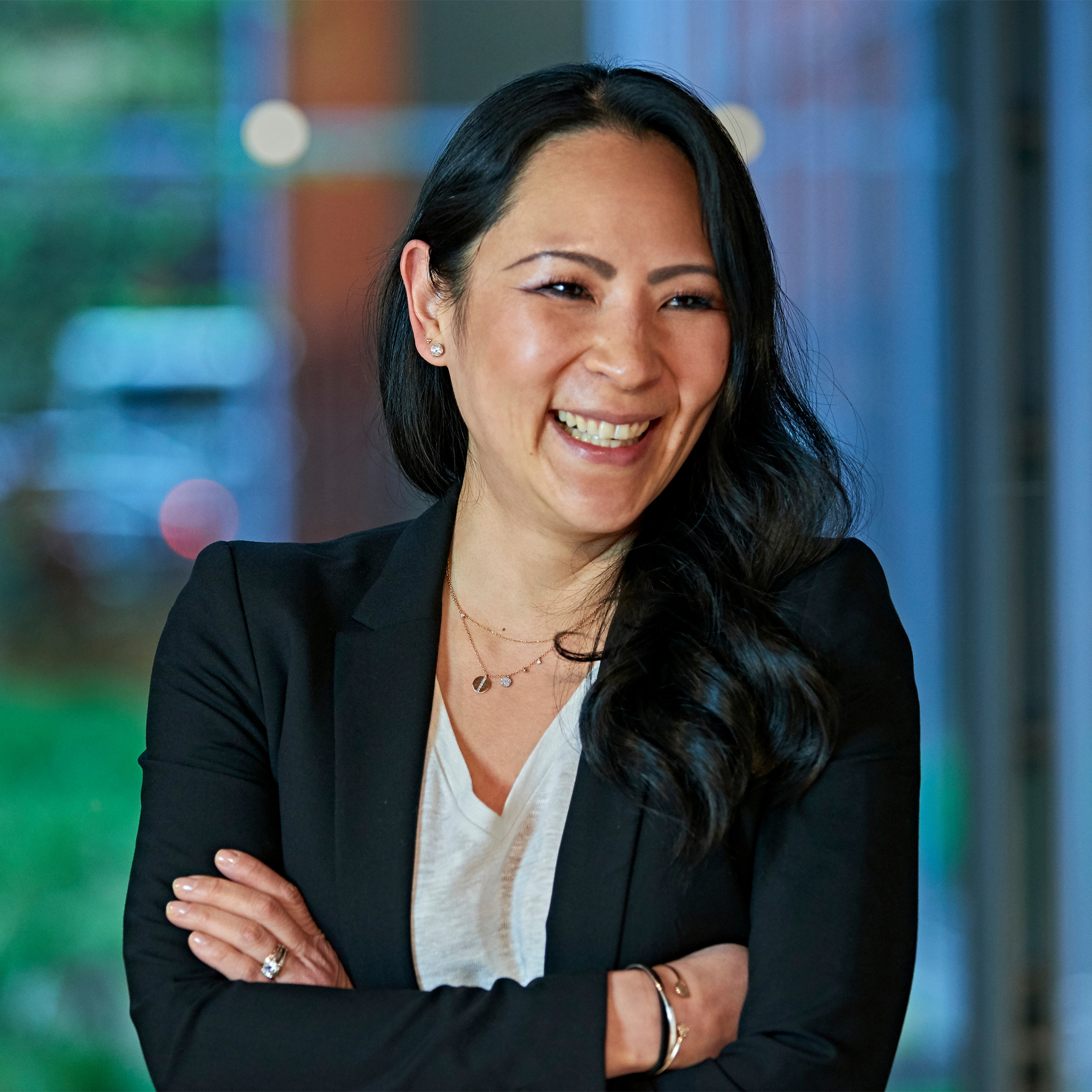
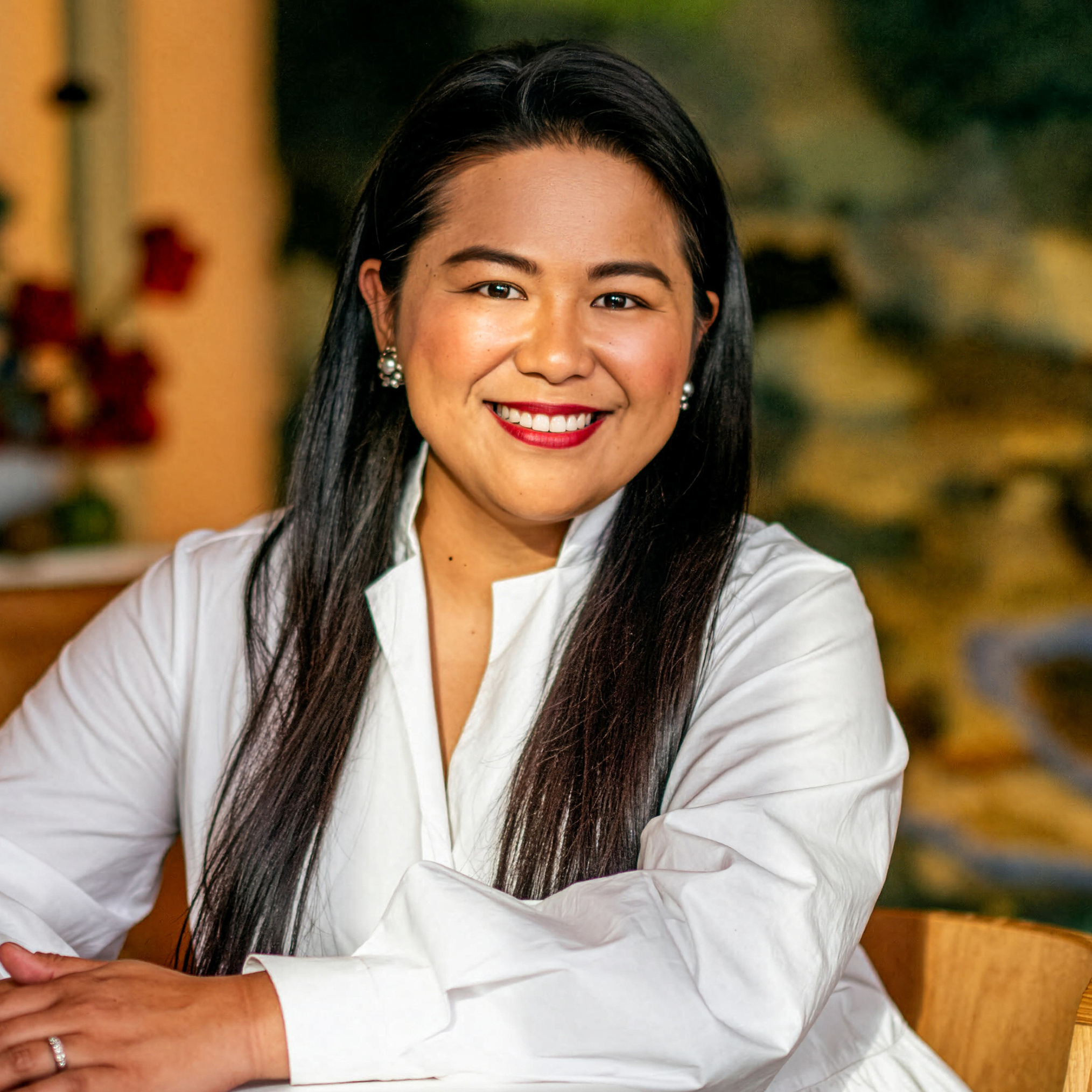
Tune in to hear June's insights on what it takes to be a leader, the power of collaboration in entrepreneurship, and why staying grounded is key to success in hospitality.
Links
- Goodnight Hospitality (Instagram)
- Goodnight Hospitality (Website)
- June's All Day (Instagram)
- June's All Day (Website)
- June's Rosé (Instagram)
- June's Rosé (Website)
Transcript
HOST: ALICE CHENG
Welcome to Hospitality On The Rise, the podcast about the people shaping the hospitality industry and their journeys. I'm your host, Alice Cheng, Founder and CEO of Culinary Agents, hospitality's go-to hiring platform. And I'm here to give you your dose of virtual mentorship.
Here, we'll be sharing the stories, lessons learned, and advice from hospitality leaders who've carved out their own path to success. After all, this industry is where many get their start and go on to do incredible things.
Whether you're a pro, starting out, or just love the hustle, this podcast highlights what makes hospitality extraordinary, the people.
HOST: ALICE CHENG
I'm so excited to have June Rodil here with us today. She's a Master Sommelier, one of 29 women in America to earn the MS credential. She's the CEO and Partner of Goodnight Hospitality, which includes Montrose Cheese & Wine, Rosie Cannonball, MARCH Restaurant, which retained their Michelin star that was announced last night–even though this is not going to air right now, but I'm still going to be celebrating–and Marigold Club, which also received a mention and distinction.
She's a partner of June’s All Day, Founder of June’s Rosé, which I'm going to make the same joke as I did during prep that that rhymes. And as I mentioned before, Master Sommelier, Vice President of Southern Smoke Foundation, Chef Committee of World Central Kitchen, and on the Court of Master Sommeliers. So June, there's a whole literally three pages of more things that you've accomplished in everything that I have here. But I'm going to let you share with us. Welcome, thank you for joining us
GUEST: JUNE RODIL
Thanks for having me
HOST: ALICE CHENG
So I just was joking, but not joking that I have pages of accomplishments and accolades and all these other 40 under 40 and the list goes on and on. But we're curious, how did it all begin? How did you get into the hospitality industry?
GUEST: JUNE RODIL
It's a pretty common story. I really needed to make some money during college to pay for rent. I was going to school full time, and the hospitality industry is just extremely flexible. I also was a philosophy and literature major, extremely private isolationist. And I needed to get out and socialize, and so it ended up being like this really great synergy of needs, right? And the hospitality industry was there to provide. I ended up falling in love with it throughout my college career. And after I graduated, I finally made the leap. I became honest with myself and was like, “I really like it here. I really feel like myself here.” And I took the leap and never looked back.
HOST: ALICE CHENG
I love it. When you said you're probably dabbling and working part time here and there, was there… do you remember a time or maybe a job or a moment where you were like, “Wow, this is great. This is this thing” or was it just like a culmination of…?
GUEST: JUNE RODIL
A little bit of both. I mean, so my longest tenureship while I was in college was at The Driskill Hotel, which is kind of this old school, allegedly haunted hotel. So I did everything from cocktailing–and old school cocktailing, like lists of scotches, cigar service. I was 19 years old. I wasn't even drinking legally. And yeah, and so I did everything from that to overnight in-room dining, banquets. And I kind of went up this brigade system, which was a little bit old school. Like we had the white coat and everything, and I ended up becoming a dining room captain. And that's where I started helping the beverage director there do food and wine pairings for the tasting menus. It really hooked me.
So just having that sense of security and loyalty to a place. And they had that loyalty to me to be flexible enough with my schedule. Some years I was able to work full time, other times it was, like, two nights a week, and they were willing to work with me to maneuver me throughout the hotel to continue to be able to study and have a job. So I really feel like that was kind of that place that really turned the tables for me of what I wanted to do.
HOST: ALICE CHENG
Yeah, yeah, and I see… is this a rumor I see that you started at Olive Garden?
GUEST: JUNE RODIL
Uh huh. It's not a rumor. That was the first not a rumor, can contend. A hundred percent,man. And that training is great. Like to this day, if I see someone who has tenureship at a Garden restaurant, The Cheesecake Factory, something like that, Hillstone especially, that pedigree of training is really, really intense compared to other smaller restaurants or smaller organizations. So I have a lot of faith in that training process that we always end up granting an interview just to see if they're ready to move to a different style of restaurant like ours. But also we know that they have the ability to really care and to follow directions and to be moldable.
HOST: ALICE CHENG
Yeah, and I love that. I highlight that for a couple of reasons. One is, as you just said, that a lot of these larger institutions have a reputation of just training programs, giving exposure. And also it's a great place for, I mean, this industry is like the number one employer for youth, right?
GUEST: JUNE RODIL
Absolutely.
HOST: ALICE CHENG
It's kind of the number one first place that people get jobs in the U.S. and the skills that you acquire here, even if you just have a bunch of fun. Like, you can go do other things. And we find that oftentimes people kind of come back because they realize they went and did a bunch of things and are like, “I had the best time and I learned the most when I was working in hospitality with these people. So let me try a different route.” And it's like jobs are stepping stones to careers. You start one place, and you never know where you end up. And look at you.
GUEST: JUNE RODIL
Exactly.
HOST: ALICE CHENG
So thank you for sharing. That's exciting and very motivating, by the way, for folks who may have stumbled into the industry and are like, “I don't know if this is a thing.” Well, it's a thing, right?
GUEST: JUNE RODIL
It's a thing, you just have to make that decision. And it's okay if it's a slow decision. I think that it's important to see what's out there. When people leave our company and we're like, if we cannot provide you the experience, the title, the money that you see elsewhere, please go out and find it. Like, let's just part ways in a great way because we want those doors to maintain a back and forth. It's really important in this industry. So absolutely.
And no matter where you come from in the industry, it's so flexible and nimble that people can really grow within it extremely quickly. And I don't think that people recognize that, right? Starting from the bottom is something, like, it doesn't take a long time to really stair step and escalate.
HOST: ALICE CHENG
Yep, so great. So on that note, I'm like, I wanted to take a little detour, but back to you. So you worked at Olive Garden and then Driskill, and you have all this experience. This is where you got more exposure to the beverage side.
GUEST: JUNE RODIL
So I started getting into beverage at The Driskill. It's when I moved into the main dining room, and it was a very old school dining room, and you had the opportunity to do a tasting menu. Within the tasting menu, there was pairings. And so I started my love for wine whenever I started actually getting allowed to taste the pairings with the food. And that was just so magical to me. That was like, that's the special sauce, I think, when wine–or any beverage really–enhances food and food enhances wine. So then they go together, and this bond happens to where it takes it to the next level, that's really the thing that sparked my interest. I just found that so intensely magical, and I keep looking for those perfect pairings. And now it's just such a minute part of my job, but it's still something that brings me such joy whenever I'm dining, whenever I'm working with a team. So it was those moments that really solidified things for me.
HOST: ALICE CHENG
I love it. And at the time, did you know that there was this whole wine path that…?
GUEST: JUNE RODIL
No! Who grows up, especially an Asian kid, like absolutely not. Like my parents, they're not teetotallers, but you know, church wine, little wine here and there, it was never something that they were against, but it wasn't super day-to-day. It was more of a special occasion thing. And yeah, and nobody grows up saying, “I want to be a sommelier.” Like, we don't even know what that word is. Yeah, we're not a vocational country, or super profoundly a vocational country like others, especially in Europe. So it's not something that I even knew existed. So, I mean, I'm a good student, so I started studying about guilds and organizations that enhance these skills and if it was something. So of course, the model is Europe where this started. And so I really started looking into other certifications and that's how I took that deep dive into the Court of Master Sommeliers.
HOST: ALICE CHENG
Wow, great, great. Yeah. And you certainly went in there, and then I see that you were also potentially going to pursue law.
GUEST: JUNE RODIL
Yes, so yeah, I actually got accepted into law school. Honestly, it was the realization… I had a part-time job–I had many part-time jobs when I was in college. So there was the hospitality route, and I also had a second part-time job for an attorney in Austin. And I still touch base with them to this day. Every so often, I'll see a little note because they'll come to one of the restaurants. It's so sweet.
But I worked part time for these three attorneys, and they were amazing, and I really enjoyed it. Like a very detail-oriented, very operations-driven, which is kind of how I became a CEO, is really the realization that like, while wine is this passion, there's a lot of different avenues that you can take to what you're really good at. And I am good at organizational skills, operations, problem-solving. That's really how my mind works. And so I saw this opportunity truly to, I was like, “I'm going to become an attorney because it makes this much money. And this much money is what I need to travel the world and eat and drink in the way that I would like to, that I aspire to.” So it became an avenue to actually do what I want. And then because I'm a problem solver, I was like, “But I'm already in that avenue in a different way. And I think that if I really do this right, I can very much make a career out of hospitality.”
I'm a pretty low risk person. So I ended up taking the LSAT, getting accepted, actually making a plan to move, and then weighed the pros and cons, and I realized I just didn't want to go back into debt for a career that actually took me away day to day from the things that I already really enjoyed in life. So I put it on the back burner, and it never became a front burner ever again.
HOST: ALICE CHENG
And you know, I'm going to latch on to that because I think what you just said there is really important in general, for people who are making life decisions, especially career decisions. I don't know at what age this was happening, but it sounds like it was before your time as far as sometimes being mature, thinking about “what do I want” and then working it backwards. Right?
Oftentimes we hear about… leaders here will say advice to their younger self as “I wish I slowed down a little bit and asked myself harder questions, thought about things a little differently.” It seems like you kind of went through that thought process at a timely time, and laying out your options and making those decisions. So it's basically proof that like, OK, you can take a step back. You can pursue multiple things. But when you ask yourself the hard questions like, what am I trying to do? What am I passionate about? What am I trying to get at? And if the other thing is just the bridge to get you there, then maybe there is an easier or quicker or more logical path directly.
GUEST: JUNE RODIL
Absolutely, absolutely. A lot of people now are really– In the past, you would go to school to do this thing and then have this job after school. And now people are… it's all about diversification of your portfolio or however you wanna state it, but you aren't just defined... It's not a monolith, like, your job isn't your definition. Even though I feel like it's part of my personality because I have so many jobs that revolve around one industry, and it's different than just having the same job day to day. And there's boredom in that for me. Like going within the same four walls every day is a treacherous feeling for me. And I think it's because I love the hospitality industry. It's so versatile. It's so nimble. You're moving constantly.
So being in an office a lot really scared me, and I felt like it was just an avenue to get to what I really wanted. And then when you realize that there are jobs that allow you to do the thing that you're most passionate about, that was the tough decision, right? It would have been an easy decision just to continue to go to school. I know I'm good at school, I know I'm good at studying, I know I'm good at research, like I could have been a tax attorney and made six figures way sooner than I ever started making six figures, but it wouldn't have been as fruitful as my life is now.
HOST: ALICE CHENG
Yeah, yeah, I love that. Those are those lessons right there. Life lessons.
GUEST: JUNE RODIL
For sure, for sure. There are no regrets in my mind in terms of what industry I decided to truly pursue. Like, I know that I would have been good and I would have had a completely different and likely good life, but it just wouldn't have been the one that I wanted.
HOST: ALICE CHENG
Yeah. I love it. And I'm going to latch on what you're saying here also with you're saying you clearly knew a lot about yourself and what you wanted and your strengths. And some people don't. And it's OK. It's an ongoing pursuit of “what do I want” and knowing what your strengths are, etc. But when you do know that, it's great to lean into it and then connect the dots to what do you want, what are my strengths, what do I know about myself? And figure out how to get to the place that you want to go.
OK, I'm going to go back to your career because you've done a lot of stuff. Sorry, I digress. I'm extracting all these life lessons from you. But I also want to highlight the fact that– so when did you start, when were you like, “OK, I'm ready to start my own thing”?
GUEST: JUNE RODIL
Whew! It kind of, I will say, it kind of fell on me. This is so… it's such a weird thing. I became a beverage director for McGuire Moorman. Used to be McGuire Moorman Hospitality, and now it's McGuire Moorman Lambert Hospitality Group. And I realized I was looking to really complete that final stage of the Master Sommelier diploma. And I had already become a director of operations for a restaurant group. So wine and beverage actually became such a marginal part of my day to day, and it was very difficult for me to get through that final hurdle if I didn't immerse myself in it more. So I was looking to change jobs. I had opened, I don't know, it was like 10 concepts by that time. And I realized that this very successful company did not have a corporate beverage director, and it was probably time for them to; they had six concepts. And when I started talking to them, it was through one of my best friends–she was an executive chef there, and she actually is still there. She just came back to the restaurant group recently.
And during that time, just a real weird set circumstance happened, like essentially the company was like, “We want to do a wine bar, we've always wanted to do one, and we want to partner with you.” And I was like, “Me? I don't understand what's happening.” And I was like, “I would love to, that sounds so great.” Like it allows me to get back into operations. Again, I love the creation process, I love opening restaurants. I like that. It's so hard, but it's so rewarding once it's done. And there is a thrill that's behind it. There's the pressure. Like I've always been a gameday player. I feel like my best scenarios of what I can do and what I can push myself to do are always in high-stress situations. So being able to realize that, again, I love opening restaurants, and I think they really saw that. They also saw the marketability of what I was doing. And so we opened June’s All Day.
I honestly wasn't pursuing that. I thought one day I would love to do that. And it was always like, I love partnerships and collaborations. I always thought I was going to open one with my best friend or someone. So I knew that I didn't want to just go out on my own. I think the best restaurants have collaborators. Maybe they don't even acknowledge it because it's got someone's name on it. I know I remember fighting a little bit about putting my name on the door and then… It's like the opposite of ego, like, “Please don't put my name on the door. I don't want people to think that I'm going to be there 24/7.” And they're like, “No, no, no, not at all.” Of course, that's what happened. But I mean, truly, I'm lucky enough to have a name that's a little bit more all-encompassing in terms of definitions and vocabularies, that it's a month of the year. It could be a dog. It's a little bit more open ended than “Jennifer's,” right? Like “Jessica's.” So it worked. It worked and I liked it.
HOST: ALICE CHENG
It did. It does. Yeah, I remember when it opened. It's funny, I was thinking back, when I was prepping for this, and remembering when I first met you face-to-face a couple of weeks ago. And I'm like, how have I never met you? Because I remember when June’s All Day opened, I've dined there many times. I haven't been to Austin in a while. But just the vibe there, the wine list, obviously is amazing. But the food is great, too. And it's just like… I mean, brunch there is just brunch.
GUEST: JUNE RODIL
It's so great. And I will truly say this, they really provided such a great opportunity to go into partnership that I don't think really exists very often. And because of that, that's kind of the model that our company does in terms of going into partnership with people, because we want to give people those chances. ‘Cause, you know, I latched onto it because at the end of the day, it was a concept that I really believed in, and I really enjoyed my job. It would have been dumb to say no. And it's this beautiful little corner of Austin that I think has now found its place in a neighborhood. It's really galvanized into the neighborhood. And that's the dream. I didn't want anything, and I don't think my business partners really wanted anything to just be like, “this is a destination.” It's just like, no, it's for the neighborhood, and the neighborhood and the restaurants grow around it together.
And that's really what I love about restaurants in general and what we continue to do at Goodnight Hospitality in Houston, because it really is about the people that want to go in there. The definition of who you end up being is never just the first idea of what you're going to do when you open a restaurant. It's always going to be the collaboration of the concept, the people that work there and the people that go there. So it takes a moment to figure out what it is, and June’s All Day really works, and it makes me so happy to go there all the time.
HOST: ALICE CHENG
Yeah, yes, I can't wait to go back. And that's a perfect segue– That's just one place that you have in Austin. And then you made a change, and now you have a growing group in Houston.
GUEST: JUNE RODIL
Yeah.
HOST: ALICE CHENG
So take me through, like, obviously you have so much experience, and you have strengths in a lot, and a lot of the skills needed, quite frankly, to be an owner and leader and operator in this industry. And so at what point were you like, “Okay, I'm going to start a new thing in another city”?
GUEST: JUNE RODIL
Once again, wasn't an original idea of mine. It was someone else's, my business partner’s. I mean, I think that my fatal flaw is I'm really horrible at selling myself. I'm not the person that's like, “This is what I want to do, and I need money to do it. Who am I gonna reach out to?” Never. Like [gags], that makes me wanna... Like, my ability to do that is to find a person that's going to do that. It's never gonna be me because I feel so awkward doing that.
So once again, this was a project that was kind of, you know, the genesis of it was already started. And then we needed to bring that final push of evolution of what the restaurant group was gonna be into fruition. And so they brought me in to do that, right? And as a full partner, ‘cause again, it's about operations. Like I love creatives. I am not one. My creativity lies in organization and putting a foundation down for that to bloom. It's not the blooming. Like, no, I don't make the food, but I will tweak it so that it's better than what it was originally gonna be, which is annoying to a lot of artists, I will say that. Like, nobody ever wants to be the person that's the nag or that's like, “Let’s rearrange this a little bit, and it's gonna be a little bit better.” Because people want the acknowledgement of the creation from the start, right? So I realized that one of my gifts was to really adjust things to make that operationally sound so that we can perpetuate that goodness over and over again. And my business partners saw that and asked me to be part of this group.
And it was something that at the time where I was, I was really happy. I wasn't really looking for anything else, but it was also limited in terms of autonomy and in terms of decision-making. Like I had a lot, but the next step of evolution for me was to really do it, right? To do it, to be a full owner of a full group, rather than just be a partner. So that was my stepping stone that I'll always really appreciate from McGuire Moorman. And they still are my business partners and are great operators, but there are little tweaks in terms of the way that I operate that I'd like to put out into the world. And I found the right business partners to do it with.
HOST: ALICE CHENG
Yeah, and that's great. I mean, again, we talked earlier about just knowing your own strengths and knowing how to play. But it's also helpful with knowing the areas that either you're not good at, or you don't want to do, or you don't enjoy to do, and finding somebody else who is good at that, who enjoys doing that stuff. Right?
GUEST: JUNE RODIL
100% exactly. Like my business partner, Felipe, when we went in, he was like, “I don't want to deal with anything legal, taxes…” And I was like, “You got it. That is me all the way. Financials? I got it.” And I was like, “I cannot stand repairs and maintenance.” And he was like, “Absolutely. You'll never have to talk to a plumber, a refrigeration person,” and I was like, “Ugh, this is fabulous, yes!”
HOST: ALICE CHENG
Well, so much of–especially when you move into that level of leadership and are owning and managing–so much of that is who you surround yourself with, whether your partner, or it's just your leadership team, or it's your team that's working. All those pieces need to fit together for things to work magically for your guests, right?
GUEST: JUNE RODIL
Exactly, exactly.
HOST: ALICE CHENG
And congratulations, I mentioned briefly in the beginning you retained your star for MARCH restaurant…
GUEST: JUNE RODIL
Yes!
HOST: ALICE CHENG
…and I knew that Marigold Club was added as a mention… was it a Bib?
GUEST: JUNE RODIL
No, it's a recommended. It's a bit too expensive for a Bib, and then Rosie Cannonball retained its Bib Gourmand.
HOST: ALICE CHENG
Yes, okay, I know I'm like, I can't keep up with all these accolades.
GUEST: JUNE RODIL
Yeah, it's, I mean, it's a dream. Like, girl, it is a dream. Whoever thought, like… I was like, “Oh, wouldn't it be cool if the entire”–we call it a campus. I was like, “Wouldn't it be cool if the entire campus received accolades?” And then it did. And I was like, okay, wow, what?
HOST: ALICE CHENG
Amazing.
GUEST: JUNE RODIL
Now, now we've got to live up to those standards.
HOST: ALICE CHENG
I know. Wouldn't it be nice to win the lottery? No, I'm just putting it out there in the ether, you know.
GUEST: JUNE RODIL
Exactly, exactly. Now's the time, right?
HOST: ALICE CHENG
Yeah, yeah. So I have one question. Like, what was one–I'm sure there are many, different hard things. But as you're growing from multiple locations, and opening new things, and then also managing your other partnership, what would be one of the most challenging things that, when you look back on as you were kind of growing and setting things in place, or maybe it wasn't challenging, but a really important thing that needed to be put in place correctly?
GUEST: JUNE RODIL
A couple different things. I think organizationally, it's the people. The most challenging thing has been, honestly, recouping from COVID. We opened right before 2020. So we opened at the end of 2019. So we were only open for almost six months, two of the concepts, and had not yet opened MARCH. So it almost would have been better if we opened during the pandemic because the entire opening process was a blip in the world that was going so well that we actually felt like we kept reopening and reopening and reopening. So resources were really, really difficult during that time, but we made it through. It just took way longer in terms of really regaining the momentum than normal, because the world in which we emerged, post-the height of the pandemic, was a completely different world for hospitality. So that was extremely difficult and a really, really hard lesson because I had opened over 15 restaurants at that time and had never experienced anything like that and had one more restaurant to open like on the timeline during it. We had to make decisions every day and it was very, very grueling.
And because of that, I think the biggest difficulty for me has been spacing out my time and dedication to have connections, like real human interactions with our team. We were very much day to day a part of this very small team during COVID because it was minimized in terms of who could operate. And then as it grew, the expectation was day to day. And that's not really what the expectation was at the very beginning, right?
As a CEO, you really can't have one-on-ones every day, even though you need to have one-on-ones every day and hope that that just trickles down. So that's been extremely difficult because I know that the team wants time with me, but I also know that I work the most efficiently alone in certain instances, right? I'm like 80% alone, 20% with people. That's like the perfect blend in terms of efficiency. And it's just never going to be like… that's not how my job works. That's not how the team wants my job to work. So I've got to find that balance. And I continue to do that. It's extremely difficult, because I know that sometimes I'm like, “Ugh, I really need to be looking at these spreadsheets, answering these emails, doing outreach.” But when you're constantly reprioritizing, a lot of times the prioritization needs to be like, “Ugh, I actually need to stay here and talk to that person and readjust or touch base on something that we've done before,” but it reignites that fire in them in some way. Because otherwise you lose that soul and that magic if you don't circle back around to your people.
HOST: ALICE CHENG
Yeah, absolutely. And switching costs is a real thing.
GUEST: JUNE RODIL
It's hard!
HOST: ALICE CHENG
It's hard. It's hard. Well, you seem to be doing something right in case nobody told that to you.
GUEST: JUNE RODIL
Thank you. Thank you. We joke because Felipe and I, my business partner, we're both immigrants. So we are both survivalists, right? So we always kind of operate in this Sisyphean way. We're just rolling that rock up that hill over and over again, but we don't mind it because it's what our expectations are. So it's very interesting to converge that with someone who just wants to go to work and do their thing. And I'm like, no, there's another hill every day. And that's horrifying to someone who just wants to have a good time at work. So we've got to be able to translate that in a more positive way and in a striking way that actually makes people ignite rather than feel downtrodden. Because for us, that's just survival, right? That's just like, we wake up every day and we're just like, woo, this could go away tomorrow, so there's a new challenge every day. And I know that I'm the worst at it, because it's the it's the next day, I should be so excited about the Michelin accolades, and I'm just like, “Cool, okay, so for the next year…” Relax, dude, relax. And I'm like, “Okay, so for the next year, this what we need to do. We’ve gonna maintain…” You know, it's a lot.
HOST: ALICE CHENG
I love it. I mean, well, that's why you're in your position and your other leaders are in their positions, right?
GUEST: JUNE RODIL
It's hard. I gotta have tough skin because definitely people are like, “That bitch is crazy.”
HOST: ALICE CHENG
But they're also so glad that you're dealing with spreadsheets and they're not.
GUEST: JUNE RODIL
100%, 100%.
HOST: ALICE CHENG
Well, on that note, I think we're going to go to quickfire.
GUEST: JUNE RODIL
Okay!
HOST: ALICE CHENG
What advice would you tell your younger self?
GUEST: JUNE RODIL
Trust yourself. Your gut is right.
HOST: ALICE CHENG
What's your advice for someone struggling in the industry?
GUEST: JUNE RODIL
Take a breath, it's just food and wine.
HOST: ALICE CHENG
What's your advice for fellow hospitality leaders?
GUEST: JUNE RODIL
[Laughing] Take a breath, it's just food and wine.
HOST: ALICE CHENG
I love it. On that note, thank you so much, June, for spending your time with us today and sharing your career path and advice. And we can't wait to hear what's next.
GUEST: JUNE RODIL
Thank you so much, Alice.
HOST: ALICE CHENG
Remember, success looks different for everyone in hospitality. No two paths are the same. If you have a leader or a topic you want to hear about, email [email protected].
Hospitality On The Rise is brought to you by Culinary Agents, connecting top talent with employers since 2012. Whether you’re hiring or looking for your next opportunity, join us at CulinaryAgents.com
For more inspiration, subscribe to Hospitality On The Rise and visit HospitalityCareerPaths.com, a free platform by Culinary Agents.
Thanks for tuning in! Remember to like, follow, and subscribe. And if you loved this episode, share it with someone who could use a little inspiration.