Note: This episode was filmed before 2025 Southern Smoke Festival.
Links
- Form-Function Hospitality (Instagram)
- Form-Function Hospitality (Website)
- Bastia (Instagram)
- Bastia (Website)
- Caletta (Instagram)
- Caletta (Website)
Transcript
HOST: ALICE CHENG
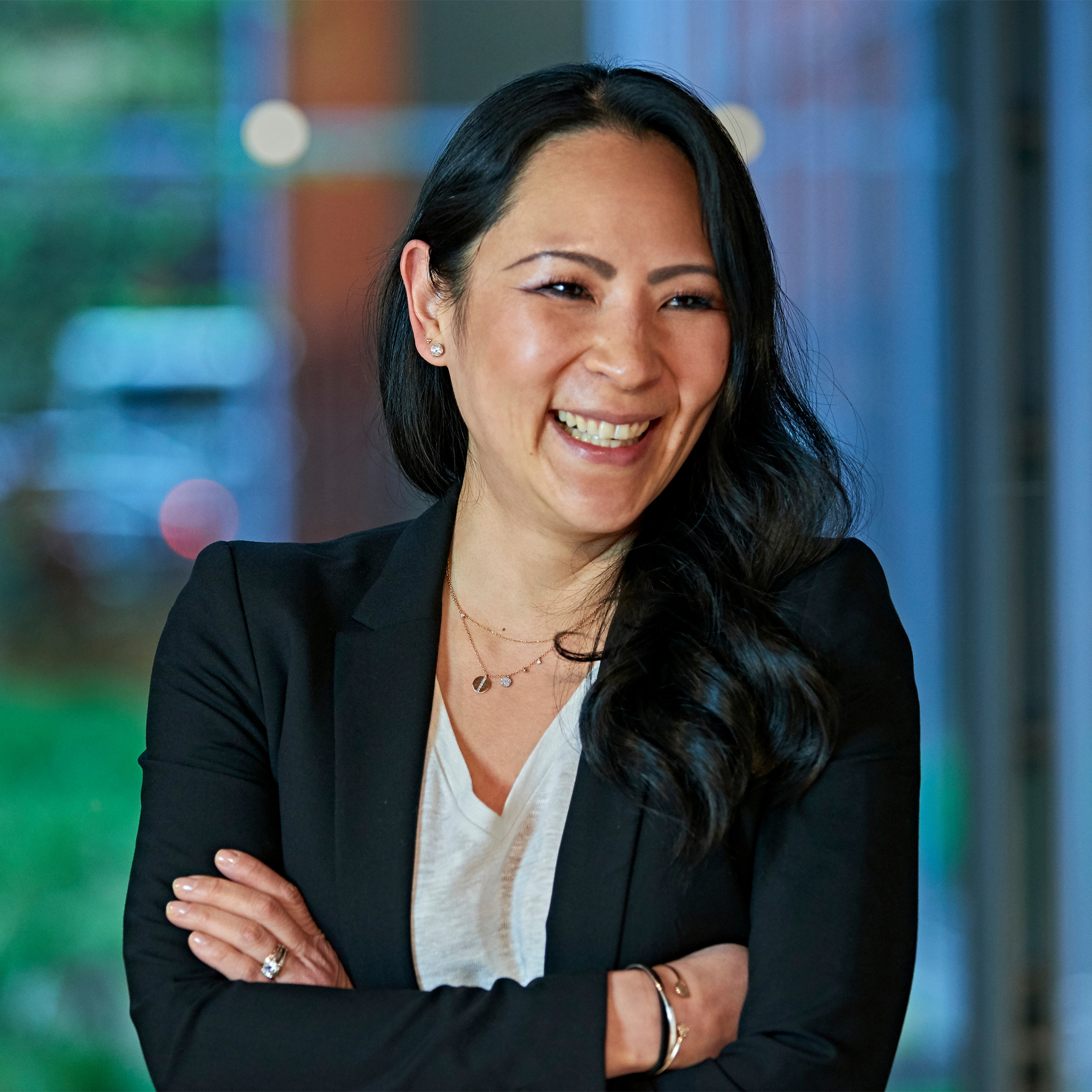
Welcome to Hospitality On The Rise, the podcast about the people shaping the hospitality industry and their journeys. I'm your host, Alice Cheng, Founder and CEO of Culinary Agents, hospitality's go-to hiring platform. And I'm here to give you your dose of virtual mentorship.
Here, we'll be sharing the stories, lessons learned, and advice from hospitality leaders who've carved out their own path to success. After all, this industry is where many get their start and go on to do incredible things.
Whether you're a pro, starting out, or just love the hustle, this podcast highlights what makes hospitality extraordinary, the people.
HOST: ALICE CHENG
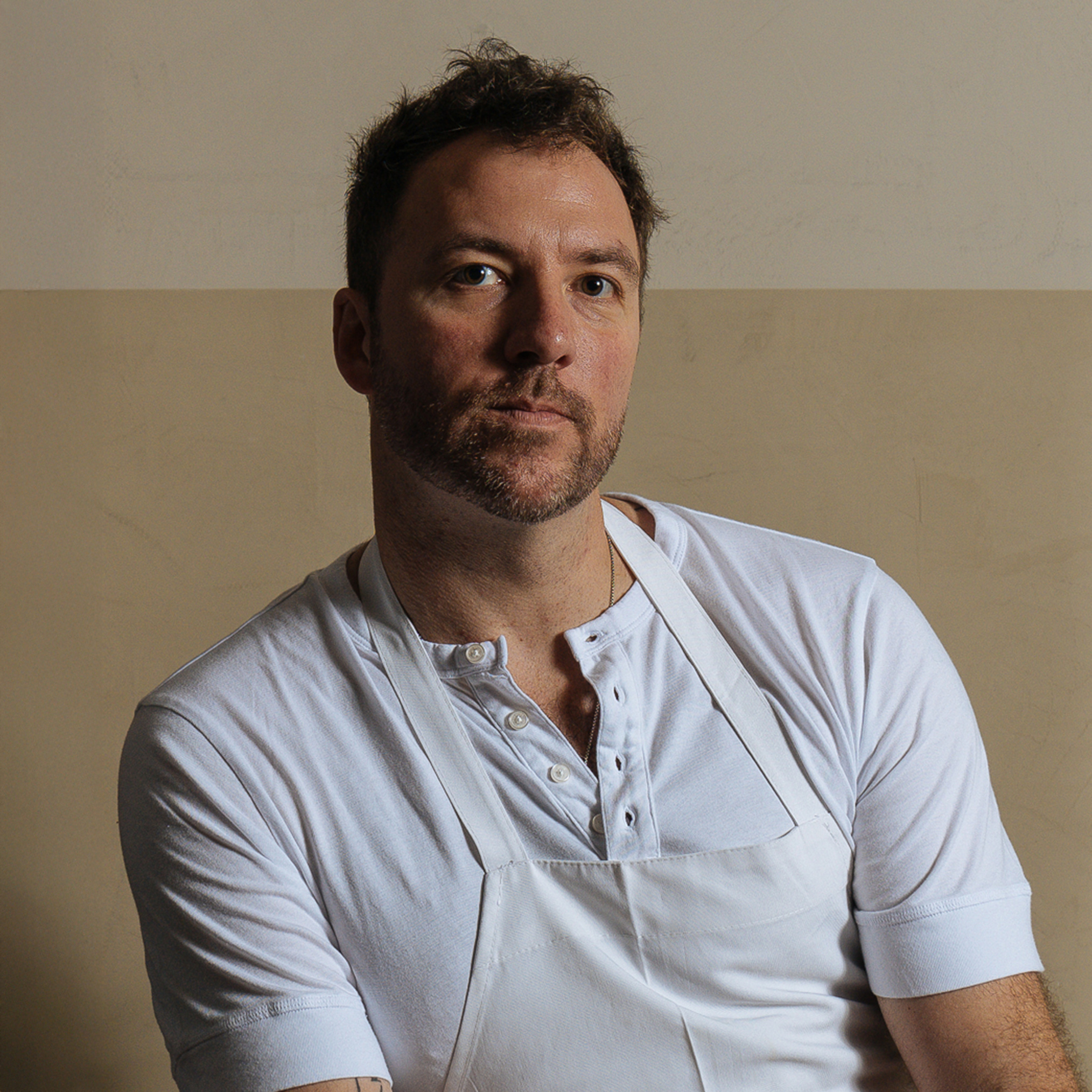
I'm so excited to have Chef Tyler Akin here with us today. Tyler is Founder of Form-Function Hospitality, as well as a Chef-Partner of Bastia and Caletta. He is a well-recognized chef and leader in the organization and resides these days in the Philadelphia area. So we're so excited. Thank you, Tyler, for joining us.
GUEST: TYLER AKIN
Thank you so much for having me.
HOST: ALICE CHENG
So I usually rattle off some of these things, which I'm going to do now. And then I want to get into how you got started here. But I don't want to gloss over the fact that you were 2025: featured in a Forbes article for “Bastia's Tyler Akin on his Favorite Places to eat in Philadelphia.” 2020: Philadelphia Business Journal's 40 Under 40. 2019 StarChefs Philadelphia Rising Stars, an award winner, as well as several other accolades that we'll get into during the show. But I always like to rewind and hear how did it all begin? How did you get into this industry?
GUEST: TYLER AKIN
You know, I had sort of a half-step into the industry as a server after college, which I have in recent years become much more heavily involved in managing and setting standards, etc., for front of house. But it was something that I was doing just to make money so I could take a big Southeast Asia trip. Went to a year of law school, did not take, and began dating somebody whose family had pretty deep roots in hospitality out in Chicago and had landed in the Delaware area managing a country club. They were just steeped in it, and I was exposed to it quite a bit in that context.
But really when I moved to DC with that person, I was not entirely sure what I wanted to do. And I started going to these farmers markets where I'd see this guy week after week setting up these incredible spreads of artisanal bread and classical French pastries. And I approached him and asked him if I could help him sell the stuff, which quickly turned into going out to his bakery, which is outside DC, to actually help with production.
And I think, although that was not hospitality in a restaurant context, what really spoke to me was seeing that closed loop of producing the product, selling it hand in hand to people who were often regulars, and frequently hearing like what they had done with the stuff they'd purchased from us the week before. So to me, although the connections with guests these days, you know, largely being in the kitchen when I'm in the restaurant, it can be a little less direct. I certainly am out there talking to tables and hearing their feedback, and in large part, that's great feedback and that feels good. I think that just knowing that you've had a hand in creating something that's bringing people happiness and nourishment is something that really spoke to me. So over time, that path led into restaurants proper and here I am.
HOST: ALICE CHENG
Yeah, and I'm not going to gloss over that that easily because I like to highlight also that the farmers markets seem to be just this magical place where all the different, the ecosystem if you will, of restaurants and growers and producers and consumers all kind of come together in a happy place. So clearly it had an effect on you, and you started moving more into baking and cooking, and then at what point were you like, “This is something that I want to pursue further.” It looks like you then went to school, so something clearly, that was the clicking of “I want to do this,” and then you went to get some further education in it.
GUEST: TYLER AKIN
Yeah, the guy that I was working for at the bakery, his background was actually as a chef as opposed to like a baker or pastry chef. This was kind of his semi-retirement plan, whereas he'd spent an entire career as a senior chef at the Greenbrier Resort in West Virginia. So that was a place where it was stacked with CIA graduates, and any downtime you were tournée-ing vegetables. Even as a line cook, you had to know how to carve ice for these elaborate winter displays that they did. Really old school in that way. And I think because it was essentially the shadow seat of government during the Cold War, if things ever went down, they kind of had an unlimited budget for those bells and whistles, like ice carving.
So I think Wes, that chef, had a catering division to his business where he would do these huge contracts for largely lobbyist space in DC. And as I got involved in helping him with that, I just found that type of work, actually cooking and executing food, to appeal to me more than being on a bread-shaping bench all day, which over time I found a little bit monotonous. But Wes saw this passion for me and a little bit of skill for me and encouraged me strongly to go to culinary school. So I did that and that was kind of the beginning of my restaurant story.
HOST: ALICE CHENG
Yeah, yeah. So culinary school, and then after that, you went back to the D.C. area to kind of take everything you learned and bring it into some restaurant kitchens.
GUEST: TYLER AKIN
Yeah. So I was really lucky to do my externship, which turned into a longer term job, at a restaurant called Komi, which was a really magical place. It was a tasting menu restaurant with about 40 seats and really had hit its stride, I think, in the couple of years before I joined the team where they were year after year being named the number one restaurant in Washington. Johnny Monis, the chef there, was being nominated year after year for the Mid-Atlantic Beard award. And it was just this kind of mysterious place that didn't formally allow photography in the dining room. So finding clues as to what was actually happening behind those doors was very difficult at that point. But just kind of reading these cryptic menus, and although I couldn't afford to eat there at the time, reading reviews about it and the little bit of press that Johnny had done–’cause that was not really something he was very interested in doing–it just seemed like a really intriguing place that was doing very interesting and kind of, the sort of food that spoke to me.
So I started dropping my resume off there… several times. And in the 11th hour, as I was literally getting off the Metro to accept an externship at another place that I was not nearly as excited about, I got a call from an unknown DC number and it was the sous chef there, who's a friend of mine to this day, saying, “Hey, we'd love to pick you up for your externship.” But I found out later that they had blacklisted my culinary school because of a bad experience with the previous extern. So this was kind of a trust fall for them, but it worked out.
HOST: ALICE CHENG
Yeah, and so many kind of little lessons-learned nuggets here I'll highlight, and one thing that we hear common is the advice of like, if you love it or you enjoy it, go work in it or experience it a little bit before you decide on going to get further education. That may or may not be the path for you. And oftentimes if somebody recognizes your talent and your passion and encourages you to do that, that's something that we see, we hear pretty often as well. But definitely getting some experience in it and then making those decisions to not rush into it.
And then the other part that I like to highlight, because it really shows also how times have changed, is when you're doing your research of where you want to work, right? Because you need to do your research as well. These days, it's far easier to do the research on finding out about a particular culture of a place or what they're doing and then match that with things that you're interested in, what you want to learn, who you want to learn from. Right?
GUEST: TYLER AKIN
Yeah, for sure. I mean, there are so many ways to get behind the curtains for sure these days.
HOST: ALICE CHENG
I would say because I'm also… I'm probably–I don't want to date myself–probably older than you. But back then you’re sending smoke signals, like trying to get the attention and try to figure out what is behind the curtain. So that's great. So you have got some experience there, and you worked at a couple of different places as line cook, most likely kind of gathering your different experiences. What led you to Philly?
GUEST: TYLER AKIN
Yeah. So I was with that group, Johnny and his wife, Anne, who operated Komi. And after about 10 years of really just focusing on that restaurant, a space opened up kind of next door and downstairs, and how I was on the opening team of that restaurant, Little Serow, which is a Northeastern Thai restaurant. Honestly, I believe that I could have settled in to working with that group really truly for the long run. But there were some family circumstances at the time that led me to the decision to be a little bit closer to home in Wilmington, Delaware.
Philly was like the big city for me growing up. It was obviously a vibrant restaurant scene, and that just became the natural place to look. So on a couple of road trips on my days off from Little Serow, I was coming up here and just kind of walking into restaurants and dropping my resume. Johnny had promised to be a strong reference for me. And with varying degrees of success, I had a couple of offers on the table a month later, one of which was Zahav, and I had met Mike at the Beard Awards. One of the cool things about Komi is that they would take the line cooks to the Beard Awards. know, despite the expense of those tickets, which was really cool, like that early in your career to kind of see where it could all lead potentially. And one of the years I attended was a year that Mike was handing out food from Zahav in the, in the common area, I guess it was, was it the Lincoln Center at the time?
HOST: ALICE CHENG
Yeah, I forget.
GUEST: TYLER AKIN
So kind of had some familiarity with him just from that encounter, but when I walked into Zahav with my resume, the first two people who looked at it happened to be very aware of what Komi and Little Serow and were like… Yeah, I pretty much had an offer on the spot. Yeah, that's how I ended up in Philly and have more or less been here since.
HOST: ALICE CHENG
Great, great. And I saw this note here, where in 2016 on Billy Penn’s "21 people key to continuing Philly’s restaurant boom” around that [time]. Yes, Zahav is one of my favorite restaurants in Philly. It's definitely an institution, and that group has grown tremendously over the years as well. So it must have been a really great experience as your first kind of foray into Philly’s dining scene, which is kind of one of the best in the world. For those of you who have never been to Philly, get there.
GUEST: TYLER AKIN
Yeah, I agree. I mean, it is, it gets better all the time. And just when you think we have all the boxes checked for niche cuisines and concepts, somebody comes out with something that is like, wow, I can't believe they thought of that. So it's really an exciting place to be for sure.
HOST: ALICE CHENG
Yeah.
HOST: ALICE CHENG
Yeah, yeah. So you spent some time at Zahav. When did you start thinking about your next thing?
GUEST: TYLER AKIN
I mean, like when I started… very entrepreneurially minded, I think in general. I think from the outset, my goal… really by the time I went to culinary school, my goal was to try to have a restaurant on my own. As I kind of quickly got my bearings and started advancing, that goal shifted to, okay, well, I want to try to do this by the time I'm 30. Arbitrary milestone, but something to kind of work towards. Almost immediately, having moved to Philly, working at Zahav, I was spending days off pulling up listings on LoopNet and to my detriment, and you live and learn, but not working with a broker as I would now, but just really kind of blind shooting spaces. And I found one that the economics of it made sense to do something that wasn't going to require me raising a bunch of money. And so yeah, I guess it was like a year and a half into Zahav when I gave several months notice that I'd be branching out to do my own thing. Yeah.
HOST: ALICE CHENG
You know, if you think back, I'm sure there are a lot of different things, but what would be one of your biggest challenges with kind of breaking out and starting your own thing?
GUEST: TYLER AKIN
I think it was like when you don't have an organization to support an opening, as I clearly did not, it's like, apart from the expense, it's a lot of work, and it's a lot of time. So you effectively have to kind of end your current employment, and move into managing all the work that goes into opening a place. So there's a gap where there's no income, but there's as much money as possible going out. So that was a hard time and a meager time for sure. So that was, I think, the hardest part, was just kind of making ends meet, for that five or six month period between leaving Zahav and getting my first place open.
HOST: ALICE CHENG
Yes, definitely not like a little side hustle project that you work on simultaneously, right?
GUEST: TYLER AKIN
Yeah, no, it can't be.
HOST: ALICE CHENG
It's like all consuming.
GUEST: TYLER AKIN
Yes.
HOST: ALICE CHENG
Yeah. Okay. Well, you got past that clearly, and you got your doors open. What was the next big scary thing?
GUEST: TYLER AKIN
Next big scare… Well, I guess like opening the second place and then opening the third place. You know, I mean, each one is scary. I remember standing out– I kind of raised what was, in the scheme of what I'm doing now, not a huge amount of money, but to me at the time it was quite a bit. And you know, that was to open a second location of one of my concepts. So there was like more on the table than there had been, more pressure, more expectations. And it was my third go round opening a place, and it was the most harrowing of them all. You know, I was, like, behind the restaurant, like in the alley basically crying an hour before the doors opened, and it was all fine in the end. I mean, at least for the year and a half we were able to operate before the pandemic. But yeah, each one is a little bit of a cataclysm in its own right.
HOST: ALICE CHENG
Yeah, I was just going to ask you, does… You know I think this misnomer of once you open one or you have a couple of successes, it becomes easier and easier. I think the answer is like, well, it becomes different.
GUEST: TYLER AKIN
It becomes different. Yeah. Yeah. The stakes generally go up, and I think in that regard, like while you may have more resources, you may have more experience, you may have more team members around you to help with the lift, it’s like the stakes generally keep getting higher and higher.
HOST: ALICE CHENG
Yep, expectations, pressure, different evolution of success, right? Great. So take me to kind of where you are now and what's next.
GUEST: TYLER AKIN
You know, I've been very focused on these spots at Hotel Anna and Bel in Philadelphia over the past year. Bastia, which is our restaurant, and Caletta, which is our bar and kind of has its own food menu and cocktail menu. And I think it's been good to have been really focused on that because we had a great first year. You know, just stepped away from another hotel project that I'd been involved in for the last five years down in Delaware. And all along I do work quietly, supporting other restaurants, especially in a hotel space that, for one reason or another, does not turn into “this is a Form-Function or a Tyler Aiken restaurant.” So I stay busy and have my hands in a few things, but you know, Bastia has really been something I wanted to nail and had been focused on.
HOST: ALICE CHENG
Yeah. How do you manage juggling all these different [things], right? Because you can be the headliner on some things. You can be kind of support for some others. But all of it requires pieces of view, and switching costs typically are high in general. And I know–I don't know you that well, but I know you have a life–
GUEST: TYLER AKIN
I try.
HOST: ALICE CHENG
–and other other applications. But yeah, what are the tips and tricks?
GUEST: TYLER AKIN
Yeah, I don't really have any, apart from at a certain point, you have to come to peace... you have to be at peace with the idea that the restaurant is going to run without you. And that's especially in the hotel context where you essentially have to be continuously open. You know, we have 19 meal periods a week, we're breakfast, lunch, dinner, Monday to Friday. We're brunch, dinner, Saturday, Sunday and that does not even take into account Caletta, the bar, or poolside food and beverage service that we're doing. So all of that is to say that I think the bigger the things get, and the more ambitious they are, the more well capitalized they are, you have an ability to build a proper management team, which when I had a small constellation of little spots, I couldn't afford proper management. And that has been a blessing for me because there's a group of people that I implicitly trust who are here on the nights that I'm able to be with my family, who can kind of execute what we all know needs to be done.
HOST: ALICE CHENG
Yeah, and that's a common leadership journey in general. You get to a point where you're like, “OK, I have the right people. I trust them. I can actually either focus my time and energy on something else, work-related or not work-related, and trust that whatever has been built,” and you set the right structure and path and processes or whatever, and you trust the people that are there to continue them. That can be easier for some than others. I feel like a lot of people in this industry tend to have a little bit of control freakness, which is great, and I would say high standards and all those things that make great restaurants and talented people in teams.
So I'm happy for you because I feel like that tends to be kind of a big deal when you get to a point where you're like, “I can breathe a little bit, and I've got the right team in place.” I know we went down that journey as well. And then you start thinking about your next projects, right?
GUEST: TYLER AKIN
Always, always. I would not say I'm addicted to opening restaurants, and I think that is an affliction that's common, but I'm certainly always looking and listening, you know.
HOST: ALICE CHENG
Yeah. So I have a question. I'm kind of curious. I'm going to go off the cuff here because I do hear this often when I'm talking to people about what they want to do and what they're seeing themselves doing is, what would you say are the biggest differences between running restaurants, independent restaurants or a restaurant group, and working as a hotel partner or working in hotels? Like for somebody who is like, “I want to work in, I want to open a restaurant in a hotel.” Do you have like one or two FYIs?
GUEST: TYLER AKIN
Yeah, sure, a couple. I mean, one, if you're the kind of person who considers their food to be like sacred–like the manner in which it is plated and whether certain components can be omitted or whether it is only taken to a table in the dining room versus a room upstairs–if that's gonna be a deal breaker, it's probably not for you. To be honest, I've worked for chefs, I think, who would not entertain that kind of situation. And I respect that position. And I think that that had sort of passed on to me, like the idea that “This is the dish, take it or leave it. We'll tell you what allergens are in this dish, but it is what it is. If you can't have it, you can't have it.”
I think what I have learned to become, and as I've settled into it, I've grown to really appreciate it and embrace it as a part of my chef identity is being a yes… operating a yes restaurant. And we refer to that in lineups when we talk about what we're trying to convey to guests. Like, we are here to accommodate our guests to the greatest extent possible. If that means substituting one sauce for another that are approximate enough for the dish to still be good, then we'll do that, you know? And it's not going to make me lose sleep that somebody had salsa verde instead of pesto, you know, on their trofie or something like that, you know? So I think if you're not built constitutionally to kind of be super accommodating and flexible, it's just not going to be a good fit, you know? And there's some exceptions; there's certainly hotel restaurants that can operate in a very fine dining sort of mode that can remain no restaurants and still get by. But if you're kind of the main F&B outlet in a hotel, it's just not possible to be that way.
HOST: ALICE CHENG
Yeah, it's not for everyone. It's not for everyone. But what is great is as the industry has evolved in general, you see a lot more of this kind of collaboration, experimentation with different brands coming together. And it works sometimes, and it works beautifully, and that turns into something else. And sometimes it doesn't.
GUEST: TYLER AKIN
Yeah, for sure.
HOST: ALICE CHENG
So we now operate in a world of, like, let's be flexible. Sometimes it works, sometimes it doesn't. But excited for you. Congratulations. It sounds like you have a lot of fun things happening and you've fulfilled a lot of your aspirations of entrepreneurship. I mean, [in] this industry, I feel like restaurant owners and chefs and restaurateurs, everyone's entrepreneurial. You go through very similar, if not the same challenges as any other business starting in a different industry.
GUEST: TYLER AKIN
Yeah.
HOST: ALICE CHENG
Like lack of resources, like endless stress, and all that good stuff. And at the end of the day, the passion and the dedication kind of drives you past the initial. Then before you know it, you're ready for the next one. Right? You're up for more of the beautiful punishment, I'll say.
GUEST: TYLER AKIN
I like that, yeah.
HOST: ALICE CHENG
On that note, I'm going to go to quick-fire.
GUEST: TYLER AKIN
Okay.
HOST: ALICE CHENG
All right. What advice would you tell your younger self?
GUEST: TYLER AKIN
Oh, I mean, I would tell myself to go get a job in a kitchen. I had somewhat of a late start, I would say. I encounter cooks who've come to work in my restaurants kind of new at age 16. That's what they wanted to do. They went straight to CIA or Johnson and Wales. And I look at them, and they're 21, 22. And I'm like, you're gonna be a sous chef in a year or two. You know? We just promoted a young cook here at Bastia, who is a junior sous chef and he's only a couple of years out of CIA, but he had the traits that we needed. Whereas I was not cooking professionally in a restaurant context until my mid-20s. I would tell myself to go cook food somewhere.
HOST: ALICE CHENG
Great. What advice would you give to someone starting in the industry?
GUEST: TYLER AKIN
Somebody who's starting out, I would say, you should aim to be the first one in and the last one out. I know that the culture has shifted certainly on working off the clock. It's not kind of an open-ended arrangement anymore, like the old days where we worked for shift pay, and it was like you need to be here as long as it takes to get the work done and then the kitchen clean at the end of the night. But I think to the extent that it's possible, trying to log some extra hours to learn new things is really invaluable.
There was a friend of mine, Akira Akuto, who most recently had Konbi in LA, he was doing some interviews and putting up some Instagram stories during the pandemic that I thought were really insightful. And I agreed with them in large part. And they were along the lines of if work-life balance is your North Star as opposed to professional development, you're going to shortchange your professional growth. Arguably if you kind of extrapolate how that prioritization serves your career over time, you may be setting back how soon you may be ready to operate a restaurant. Because there's nobody operating a restaurant that is working 40 hours a week, you know? So the sooner you can get accustomed to actually doing the hard, long work that comes with operating restaurants, I think it acclimates you to what the reality is going to be.
HOST: ALICE CHENG
Yeah, yeah. I like to say work-life harmony. It's like you kind of figure out at the end of the day how everything, how the pieces just fit together and make adjustments as needed. But the balance thing is like, it's not going to be equal parts. I mean, it's hard to make it equal parts.
GUEST: TYLER AKIN
It is.
HOST: ALICE CHENG
And if that's the goal, then you might be missing the point. Great. OK, back on track. What's your advice for someone struggling in the industry?
GUEST: TYLER AKIN
I think there are some common struggles, whether they're mental health or substance abuse, financial challenges. I think on the first and third points, at least the mental health and obviously that's tied to substance use, but you know, economic challenges, I encourage people to look up the organization Southern Smoke, which does a ton of good work in that space. You know, supporting people from dishwashers to executive chefs and general managers, kind of stabilize their wellbeing and their lives so that they can get back on track. Otherwise, I think consulting friends and colleagues and mentors about what sort of support resources might be in the community or even in the network of healthcare coverage that your employer may offer. Don't be afraid to seek help. There have been long periods of time during my career that I had been in therapy, and it's been invaluable for me.
HOST: ALICE CHENG
Great. What's your advice for fellow hospitality leaders?
GUEST: TYLER AKIN
My advice… I think that we often paint, because hospitality “leaders” are often a little bit older, like myself, there are obviously exceptions, people who are just prodigious and kind of get to the top very quickly. But there's a lot of conversation about kids these days and the work ethic of the new generation. I think that it can be dehumanizing. It can really undermine your ability to arrive at solutions to whatever issue you're addressing in your own workplace culture or with a particular employee. I think resisting that urge to paint with a broad brush. There are always exceptions, and frequently the exceptions are more common than the actual examples of that thing. So in my mind, it really helps to reset my thinking sometimes and just zero in on what the issue is and not trying to expand it to some kind of generalization about how people are now.
HOST: ALICE CHENG
Yeah, yeah, we definitely have concluded in general that the kitchen and the restaurant or this hospitality world is multigenerational. And you have people who are just starting out working alongside people who have been doing it for 15, 20, 30 years. And having everybody come together to be effective and efficient is a challenge in and of itself. So that's something I think in general leaders are always trying to figure out different ways and new ways and getting advice from each other on how to continue to do that.
GUEST: TYLER AKIN
Yep.
HOST: ALICE CHENG
So on that note, Tyler, thank you so much for joining us today and for sharing your career timeline and exciting things you're working with. I also 100% agree with you. Southern Smoke Foundation is a wonderful organization and we also support them as well. So excited to see you at [Southern Smoke] Festival in a couple of weeks and congrats on everything.
HOST: ALICE CHENG
Remember, success looks different for everyone in hospitality. No two paths are the same. If you have a leader or a topic you want to hear about, email [email protected].
Hospitality On The Rise is brought to you by Culinary Agents, connecting top talent with employers since 2012. Whether you’re hiring or looking for your next opportunity, join us at CulinaryAgents.com
For more inspiration, subscribe to Hospitality On The Rise and visit HospitalityCareerPaths.com, a free platform by Culinary Agents.
Thanks for tuning in! Remember to like, follow, and subscribe. And if you loved this episode, share it with someone who could use a little inspiration.