HOST: ALICE CHENG
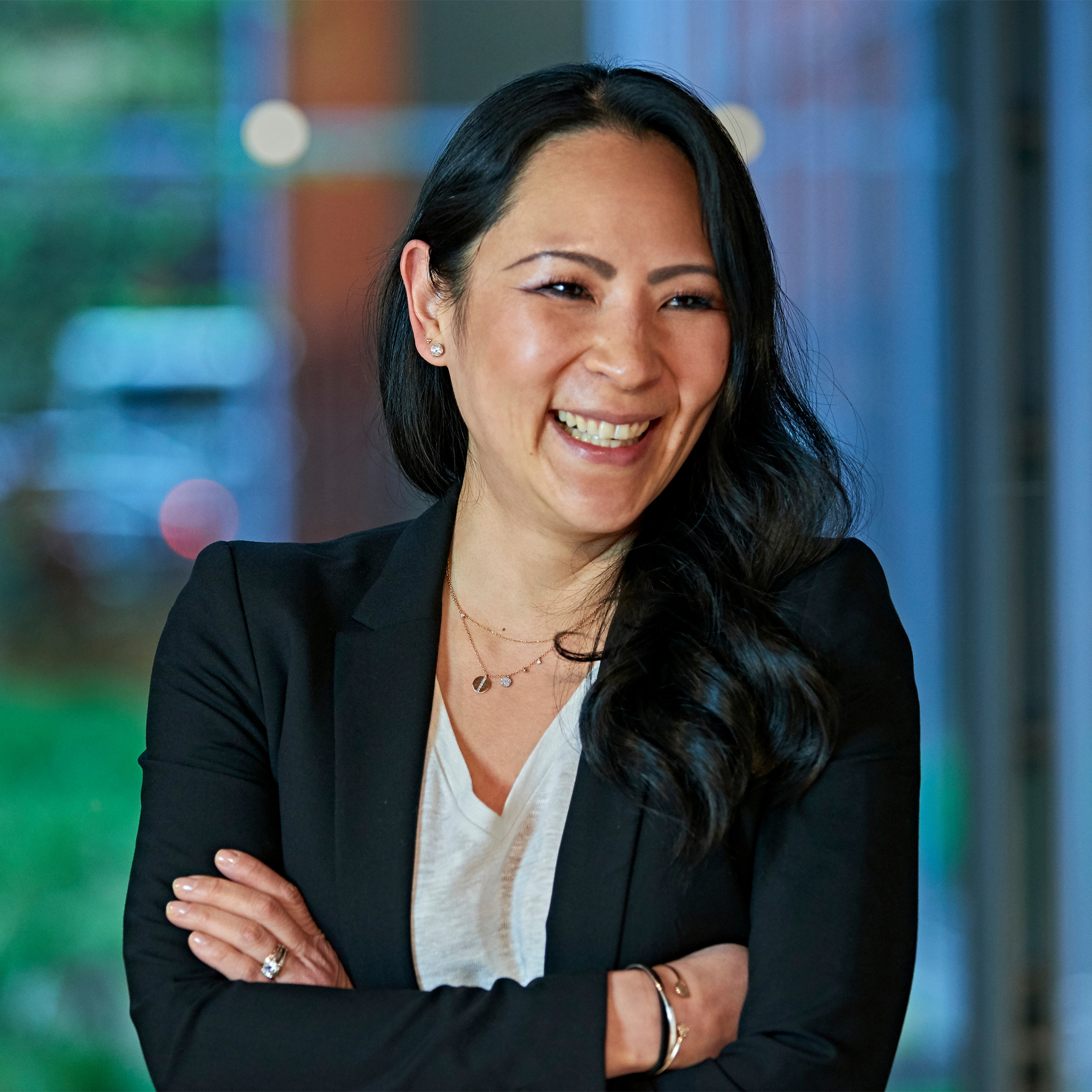
Welcome to Hospitality On The Rise, the podcast about the people shaping the hospitality industry and their journeys. I'm your host, Alice Cheng, founder and CEO of Culinary Agents, hospitality's go-to hiring platform. And I'm here to give you your dose of virtual mentorship.
Here, we'll be sharing the stories, lessons learned, and advice from hospitality leaders who've carved out their own path to success. After all, this industry is where many get their start and go on to do incredible things.
Whether you're a pro, starting out, or just love the hustle, this podcast highlights what makes hospitality extraordinary, the people.
HOST: ALICE CHENG
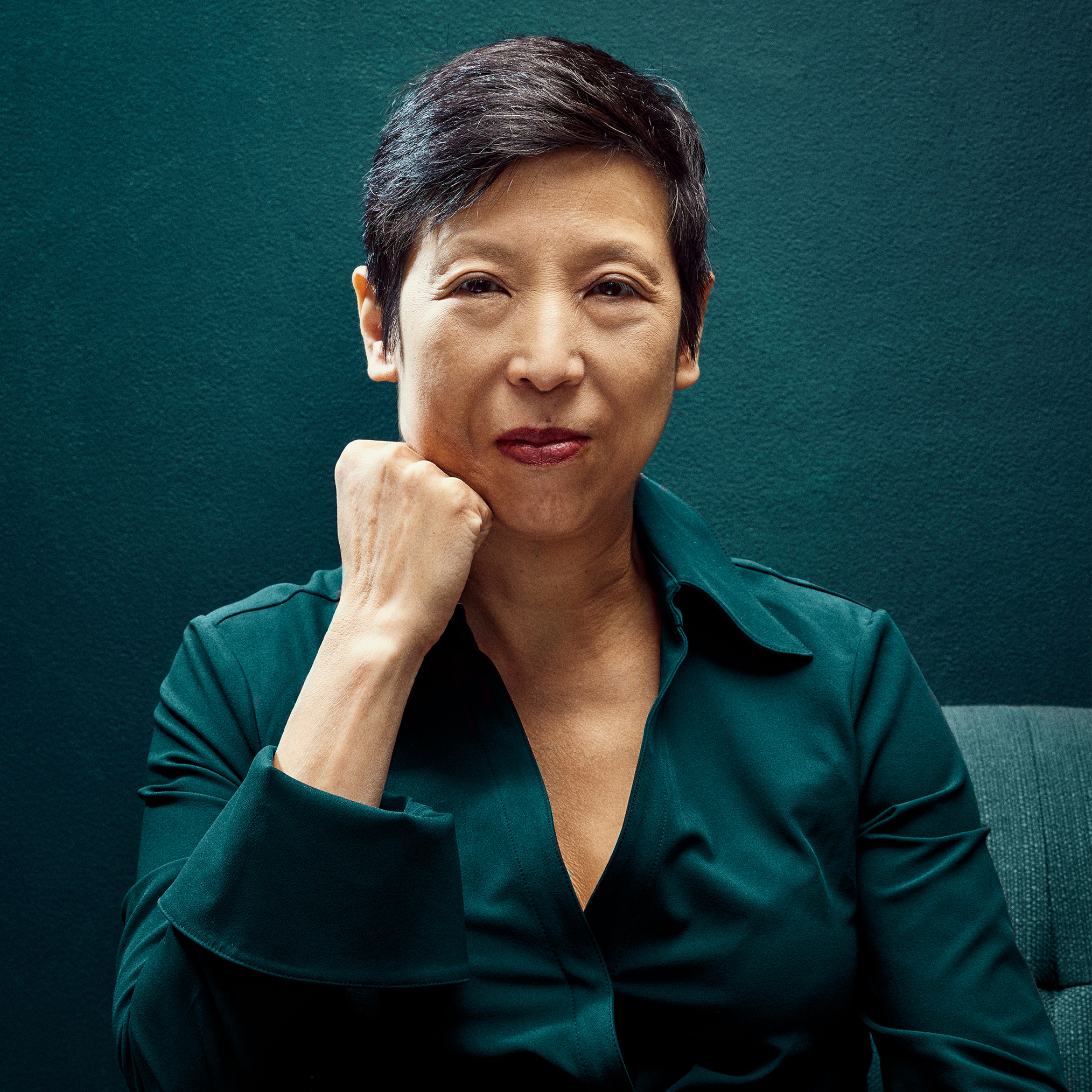
I’m so excited to have Ellen Yin with us today. Ellen is the Founder, Partner and Co-Owner of High Street Hospitality Group, which includes institutions like Fork–I don't want to use institutions out of context here–a Philadelphia restaurant institution for over 25 years, Fork, a.kitchen+bar, High Street Restaurant and High Street Bakery. She's the founder of the Wonton Project and also James Beard Foundation Award-winning Outstanding Restaurateur for 2023, amongst many other accolades which we will get into.
But Ellen, we want to hear more about how you got into this industry and your rise to where you currently are. So welcome and thank you for joining us today.
GUEST: ELLEN YIN
Hi Alice, thanks so much for including me. I'm so happy to be here.
HOST: ALICE CHENG
I was just saying before we got started, you are the woman of the hour, always running around. If you want something done, give it to someone who's busy, right?
GUEST: ELLEN YIN
I think that that's actually true.
HOST: ALICE CHENG
And it's easy to look at all of the accolades you've gotten for individual businesses that you run. But we always like to take a step back and say, how did it all begin? How did you start in the industry?
GUEST: ELLEN YIN
Well, I think I have a lot in common with a lot of people in the hospitality industry, which is that I started my career in high school and fell in love with the restaurant industry when I was working as a bus girl and server and bartender in a restaurant in my hometown in Monmouth County, New Jersey. It was a place that I didn't even know what made it so special for me. The reality is when I look back on my career, it was the first place that I really truly found a place of belonging. And I think that that was so much because, my background, we were an Asian family in a predominantly non-Asian community. I moved to my junior high school in sixth grade when everybody already knew each other, and I never felt like I fit in. But when I entered the restaurant, everybody made me feel like I was part of the team. As long as you were working toward the common good of giving guests a great experience, you were a part of the family and part of the team.
So that experience really shaped my love for hospitality. It was a French restaurant. It was not a place that I–my family predominantly was eating Asian food, and we grew up in the 70s. So we wanted McDonald's on the weekends and anything to get away from my mother's amazing cooking to fit into the community, which really was dumb when I think back at it at this point. That was the first place that I really, really felt accepted, even though I didn't know anything about the food.
HOST: ALICE CHENG
And when you started working in industry, was that kind of like a temporary side hustle? “I love it. I enjoy it. I'm doing it to occupy maybe some time, but then I'm going to go pursue other things or go to college and maybe go a different direction”?
GUEST: ELLEN YIN
Well, you know, Asian immigrant family, my father was dying for me to become an engineer or a doctor or lawyer or something.
HOST: ALICE CHENG
Or a doctor or a lawyer.
GUEST: ELLEN YIN
You know, I was just like, “Dad, I want to be a restaurateur. That's my dream, I want to own my own restaurant.” So I knew from the time I was 17 or 18 that this was something that I loved and that I really wanted. I thought about going to Cornell for their hospitality program and ended up coming to Philadelphia to the University of Pennsylvania because I wanted to go home every weekend and work at this restaurant. Yeah.
HOST: ALICE CHENG
I mean, that's dedication. You don't hear that–when you know early on and obviously things change, right? Sometimes when you're younger, you love something and this is going to be your future and then thing, and then life happens and somewhere along the line, the direction changes. But it didn't change for you. So you're in school, you get higher education on top of that. I see here you kind of focus a little bit on healthcare.
GUEST: ELLEN YIN
Yeah, so immediately after school, I think my major was Entrepreneurial Management, and I did a business plan on a restaurant, ironically, right around the corner from Fork in Old City. And I found out that I was gonna need to raise a lot of money, which my parents were not going to support that. Not that they that amount of money, but they were not going to support me in that venture, and I didn't know anyone that I could get a loan from.
So I accepted that I would have to do something else, and healthcare and hospitality have a lot in common and I ended up getting an MBA in Healthcare Administration, specifically my interest was hospitals because my second most informative experience was actually as a candy striper at the local hospital. I went that direction. But every job that I had, I didn't love as much as the restaurant industry. It was the people, the energy, the immediate gratification of knowing that you serve somebody well, that people were having an amazing experience celebrating birthdays, whatever it was. And I just always loved that.
I think once I was in business school, I kept coming back to the fact that hospitality was a place that I really loved. And so in the back of my mind, I was just like, “Okay, I'm gonna try the other route, but if that doesn't work, I am going full on on trying to open my own restaurant.”
So I actually did a project. My master's thesis was on locating a Taco Bell in Center City, Philadelphia. And after working and consulting for four or five years, I finally realized that if every–you know, I was looking at Food & Wine Magazine, everybody who was being featured, this was the beginning of the chef-driven restaurant. If people in their late 20s can open up a restaurant, I can do that. So I quit my job. I started just working part-time to keep myself afloat, and I put together a business plan. I had a ton of doors shut in my face because of course everyone said, “Well, do you have any experience owning a restaurant?” No. “Do you have any experience managing a restaurant?” No.
So I really think of myself as an accidental entrepreneur and an accidental leader because I really didn't do any of this stuff. But I knew that to achieve it, that is the thing that would make me happy. And for me, I guess my personal satisfaction has always driven my career choices. If I'm going to do it, I need to build a team that can do all the things that people are saying that I don't have any experience at. So I bussed, I bartended, I served, but I never managed a restaurant. So I brought in a chef who became a chef-partner–Anne-Marie Lasher–and she became our opening chef, and she had experience working at the same restaurants in Philadelphia that I had. And I consulted other restaurateurs to help me, and everyone was just like, “You're crazy.” But eventually, somebody loaned me the money.
HOST: ALICE CHENG
And the rest is history.
GUEST: ELLEN YIN
That's how we started. We raised $100,000 between my small savings and my classmate of mine from Wharton [who] loves wine, and he and I have been business partners for 28 years. But he and I both put in $40,000, which, you know, is really nothing, but it was enough to convince the bank that we had enough on the line to loan us the money. And so we borrowed $190,000 and the rest is history.
HOST: ALICE CHENG
Wow, well, that sure sounds super entrepreneurial to me. I feel oftentimes founders–and you said kind of accidental entrepreneur–you know, the drive and the determination sometimes outweighs specific experience sometimes.
Sometimes a really successful entrepreneur that doesn't have the experience, if they have enough retrospect or acknowledgement that they need to fill those expertise and find the right people to work with and partner with and can convince those people to join them. That’s an art form in and of itself.
GUEST: ELLEN YIN
Well, I'm so lucky because my experiences before graduate school and after graduate school, I built a network of people who I never burned any bridges, and they were all people who wanted to support me and wanted to see me succeed. So I was very fortunate in having that kind of community support. In addition to that, a lot of the work that I was doing was translatable, even though it doesn't sound like it would be translatable. I was helping a group of doctors start an insurance company. But I had a boss who just totally believed in me and would give me projects that probably I had no right to even be part of because I didn't have that kind of experience. But he knew that I would figure it out and pull in people that needed to help if I needed help. And I think that has been the key to—not really, none of us really know. Even if you have 20 years of experience running a business, you never know. Who could expect the entire restaurant industry to be shut down for, you know, years or months or whatever?
You know, nobody anticipates that type of issue or even how to solve everyday problems. Dealing with personal conflict, finding people, all the things that have been happening over the past 10 years have been a challenge. And I don't think that you can really be prepared for that unless you have the experience to kind of remain calm. I mean, I think that that has been something that has really helped me. Maybe people who work with me might not say I'm calm, but during a crisis, I think I'm good at remaining calm.
HOST: ALICE CHENG
Well, speaking of being flexible and remaining calm… So you're starting your first restaurant and you have the right team. What was one of your biggest learnings in the first couple of years operating?
GUEST: ELLEN YIN
Well, I really lucked out because I, as you know, didn't have any experience managing. And all the servers that we were bringing in felt like they were part of a team because I could not make decisions on my own… to an extent. So people felt like they were part of the decision-making process. Not that it was a democracy, maybe a… you know, a benevolent dictatorship, but all my team members felt like they were part of something, and they were all working toward a common goal. I think that that approach benefited me at the time.
Then of course I started gaining confidence and then maybe not being as great a manager during, like, after 10 years. I was just like, “I've been doing this for 10 years,” but you know, people still want to be part of that decision making process. So that was a really important learning that I had at the very beginning was how to make people feel included.
HOST: ALICE CHENG
Yeah. And then it certainly served you well as you continue to grow your empire here. When did you know that it was time to expand?
GUEST: ELLEN YIN
Well, you know every restaurateur who has a successful concept will immediately be approached by many people. And it's interesting because I'm involved with this group called Sisterly Love Collective, and people are always asking, especially after the pandemic when there were so many cottage businesses, “How do I know when to grow from one to two?” And I think that was the question, like, how do you grow from one to two when you don't have the money, necessarily, to afford a whole other management person? And even if you're a one-person show, when do you hire that person on? Because you have to suddenly have enough revenue to be able to achieve that. What's the process for getting there?
So I think I started realizing that if I wanted to grow, maybe it would be easier for me to grow horizontally, like next door.
HOST: ALICE CHENG
Like literally.
GUEST: ELLEN YIN
Literally. It was great because I was able to extend my liquor license. I saved a ton of money doing that. We increased our space by having a private room. Then we also added this cafe/bakery. So that was the main challenge, was production of this bakery and adding this thing on. We also spent way more than we expected to. So on my first, I only spent $300,000. But then on your second, people have a certain level of expectation. So it's a lot harder to manage the budget. You're also running a business at the same time that you're opening the business. So that's really hard. And you have no idea what to expect.
So I had these, you know, finally, after being approached on several projects, I took this expansion next door, and it turned out to be a union job, which increased the price of construction by 300%.
HOST: ALICE CHENG
Wow.
GUEST: ELLEN YIN
The week after we opened, suddenly a dumpster appeared in front of my property, and nobody could see that we were open. It really had the potential to derail everything that I had worked so hard toward. So definitely not easy, but once we got that settled–and that took a while because people think, “This business is doing so well.” If I just expand, you automatically assume to be like this booming business. It may or may not. There's multiple reasons why businesses do well. But once I expanded that, got caught up, was in year 15. And in year 15, one of my beloved chefs, Terence Feury, who's now at Ocean House, decided that he was gonna move on.
At that point, I had had four chefs and I was just feeling like, you know, one or two chefs were partners. There was nothing that I could really attribute that, like, four to five year turnover to. And I thought to myself, “They all want to grow, and I don't have any place to grow to.” Even with the additional expansion, I wasn't really in a position to offer anybody a higher level position.
So I decided at that point I want to find somebody who's going to help me grow. Enter Eli Kulp, and Eli was phenomenal. We were very aligned on so many things and really wanted to grow. We envisioned a hospitality group with maybe four to five standard-bearing concepts, maybe $20 million under that umbrella, and that he would be the culinary director, and I would run the rest of the business. Then that could be potentially a way for me to reduce my role in the business, because also unfortunately we all have to think about what does the exit look like? I mean, whether you close the business, sell the business, retire from the business, whatever it is. At some point, we have to start thinking about that. So I kind of had it in my mind that this would be something that would be great for our team and great for everybody involved.
HOST: ALICE CHENG
Yeah, and it's so difficult and necessary to both do future planning and immediate planning and try to fill in the gaps, right? Because as you said, you this is a people business, and the more you bring great leaders into your organization, the more you have the opportunity to take one step back and just use your brain cycles in another way, whether it's to grow the business or to figure out different types of expansion.
As you're planning and growing, you're opening new concepts. How did you think about—because, you know, we were very lucky to have you in the New York City area for a little bit of time before the pandemic changed everything. I was fortunate, a lot of people here were very fortunate to enjoy your hospitality and your creations at that time.
When you're thinking about expanding into different cities, what were some of the challenges that you were looking at, in both city selection as well as how you're going to bring this great brand that you've already built in one city and expand it to another?
GUEST: ELLEN YIN
Well, I think a lot of New York City was Eli's familiarity with New York City, having been part of the Major Food Group, and also just the vicinity between Philadelphia and New York. There were so many New Yorkers coming down to Philadelphia to try our, at that point, burgeoning food scene, now world-class food scene. We had a lot of people encouraging us to consider New York. And we felt that there was not really anything kind of in that vein at that time in New York City, and Eli in particular really wanted to have a restaurant in New York. So we were looking at ways that we could expand to New York City.
At that point we were already running a.kitchen+bar. They had also offered us the opportunity to run a restaurant in New York City under the hotel. But we didn't like the location. And I think when we found this Hudson Street location, we absolutely fell in love with it. It's adorable. It's a corner. It has natural light. It's like in a growing neighborhood right near the Whitney Museum. All these positive things that were happening to it.
But it's really hard because, as you know, then Eli had his accident, things had to change. We had to pivot. We had to bring team members to New York to help create a new team that wasn't the original plan. And so a lot of things had to change.
Also I don't think that I really understood that particular neighborhood, or we didn't understand that particular neighborhood. When we first were under construction, everybody would walk by and say, “When are you opening for dinner?” And we didn't take that as a clue that we should open for dinner. Instead, we did the complete opposite, which was we're going to open for lunch first and brunch, because so many people love our sandwiches and whatnot. But we didn't think about the fact that we weren't going to be selling alcohol–as much alcohol–and we weren't going to be able to get that check average up. In retrospect, there were things that we could have done better.
We ended up getting a great review. It was a tough location. We just were dealt a lot of really disappointing, unlucky situations like a $26,000 water bill in the first three months and, you know, Gansevoort Street being closed. I didn't really understand at that time that Hudson Street goes two directions, and all these little quirky little things that you don't think about until you're in the space.
HOST: ALICE CHENG
I would imagine so many other folks go through this as part of their process. And that I think is really valuable, even just what you just shared about your personal learnings, because you can fall in love with the space, and you can just focus on the natural light, the beauty and the vision. Then especially in cities like New York, or every city has their own little quirks and rules and things. And that sometimes gets overlooked, or the romance of what it can be sometimes overshadows.
So thank you on behalf of the neighborhood, even though I don't live in that neighborhood. But in fact, for New York City, I personally really enjoyed it. And Philly is close by, so you can easily go there and enjoy some of your other great establishments. But recently, you expanded to another city.
GUEST: ELLEN YIN
Right. So we've been partners with AKA Hotels, and they, after the pandemic, acquired a new number of new properties, and this one in Washington DC just really appealed to us. It's in a beautiful location–again, beautiful location with natural light, beautiful outdoor terrace. But as much as I was an outsider in New York, everybody would ask me, “What neighborhood do you live in?” And you know, I didn't mention this, but I take care of my mother, and she needs a lot of support, so I'm not really able to just relocate from Philadelphia to New York on a permanent basis, or Washington, DC. But I did learn that being part of the community is really important.
And I always try to, in New York, be part of as many organizations. The New York Culinary Alliance, I joined but never really had the opportunity to be part of. Women United in Business, we did several events with them in New York City. The Wharton Club. Just all these groups of people that I tried to connect with. And so I kind of knew that that would be what was expected in Washington, D.C. But it is, given the current circumstances of administration change and everything, it is a really tough place right now, and the restaurant scene is hugely supportive, a very tight-knit community. Over the past year and a half, we've been trying to meet as many people as possible.
But we are still in a hotel in a beautiful location that's a little bit off the beaten path. So our expectations have to just be adjusted. But it's been great to meet that community and to be part of it. We're doing an event this weekend. We've been at lots of different industry events. And the Restaurant Association of Washington, DC is just a really great organization that brings everyone together.
HOST: ALICE CHENG
Yeah, they really have a great community down there. And what I'm hearing, which is another piece of great advice, is if you're going to be doing something in a city, get to know the community, get involved in the organizations. The theme of building your community and network is something that seems to be strong in your book of steps and frameworks.
So what's next for you?
GUEST: ELLEN YIN
Well, you know, we were very focused on making Washington, DC a success. We just opened there in September.
HOST: ALICE CHENG
Congrats.
GUEST: ELLEN YIN
We do have a couple small projects on the horizon in Philadelphia. One is just an expansion of our bakery so that we can have seating. For those who have never been to High Street, after we relocated from High Street on Market, we moved to a–you know, I'm actually in a vestibule right now, which is probably about the size of the space of High Street shop–and there's no place to sit. So we are expanding that place and our office space because we lost that during the pandemic. So just re-establishing our kind of bones. Then I have a goal that is to figure out how to become an employee stock-owned company.
HOST: ALICE CHENG
Wow.
GUEST: Ellen Yin
So I'm learning about that as well.
HOST: ALICE CHENG
I love that. You know,we're seeing that shift in general with restaurants and restaurateurs, maybe a little bit more on the independent restaurant-side, where they're finding creative ways to further develop and grow their leadership and keep talent motivated and successful and sharing that success. So I'm sure a lot of people are looking and waiting to see how that unfolds so they can model after it, right?
And being so busy, going back to you, how do you keep yourself learning and growing between going to multiple cities and all your responsibilities and growing teams, etc? Do you have tricks of the trade that you can share on how to keep yourself balanced and motivated?
GUEST: ELLEN YIN
Well, first because I have a general business background, I'm always looking at other businesses to see where I can get inspiration from other places that maybe you don't think that you have something in common with. So I'm always looking at these Harvard Business Review, other things like that, podcasts of course, leadership podcasts, trying to follow thought leaders in our industry and especially with Independent Restaurant Coalition and just learning as much as possible about as many different things as I can. I'm lucky because I'm in a position where I can do that.
I think when I was, as I was moving up in my career, it might have been like signing up for one of these newsletters, like SmartBrief, that just kind of gives you like the lowdown on everything that's happening on a certain topic. And maybe something catches your eye. Believe it or not, even though I'm a small business, the National Restaurant Association puts out tons of really good content that can apply to smaller businesses, but I'm just always looking for trends, and I may or may not dig deep into them, but I'm reading headlines just to see where I want to focus my kind of learning and attention.
HOST: ALICE CHENG
In your spare time.
GUEST: ELLEN YIN
But it takes a lot of effort.
HOST: ALICE CHENG
Yeah, I mean, I guess that's one of the pros of having some commute time sometimes, right? You can catch up on some things.
GUEST: ELLEN YIN
Right. Great, no one's talking to you.
HOST: ALICE CHENG
Right, put on the headphones and get into your zone. On that note, we're going to go into quick-fire questions.
GUEST: ELLEN YIN
Okay.
HOST: ALICE CHENG
So what advice would you tell your younger self?
GUEST: ELLEN YIN
I would say that to listen to everybody, even though you might not think that they have something that you can take away. Try to give your attention to people who could potentially help you.
HOST: ALICE CHENG
What's your advice for someone struggling in the industry?
GUEST: ELLEN YIN
To talk to other people because there are so many people who get stuck, and we all hit a plateau at some point, and a plateau is just a plateau. It doesn't mean that you're not going to get better, but you have to push through that plateau by getting some sort of inspiration. And so many people, like my group Sisterly Love Collective, we're there to provide support and listening and mentorship to other business people. I get inspiration from talking to them as well. When you're particularly at that plateau, you don't know who to turn to, sometimes it's nice to just know somebody can empathize with you, that they've gone through something similar, or that they have suggestions potentially for how to get out of that situation.
HOST: ALICE CHENG
What's your advice for fellow hospitality leaders?
GUEST: ELLEN YIN
We should all connect more. Spend the time to connect.
HOST: ALICE CHENG
Great. I agree. And I think even though we're a couple of years past the thick of it, there definitely are lasting effects of what COVID did to the industry and just now continuing to latch on to the positives, which was realizing that nothing will replace the connection, whether it's in person or virtual, with people in your community.
GUEST: ELLEN YIN
And with regard to what you do, post-COVID, there were so many people who left the industry. To be open to people with a different skillset who may or may not have the same experience that we were looking for before, but to just be open to different types of people.
HOST: ALICE CHENG
Yeah, I love that. And that's a perfect ending to our time here. Ellen, thank you so much for taking time out of your busy schedule to share your experience and your stories and your advice. And we can't wait to see what you're going to be working on next.
GUEST: ELLEN YIN
Thanks, Alice. Great to see you. Thank you so much.
HOST: ALICE CHENG
You too.
HOST: ALICE CHENG
Remember, success looks different for everyone in hospitality. No two paths are the same. If you have a leader or a topic you want to hear about, email [email protected].
Hospitality On The Rise is brought to you by Culinary Agents, connecting top talent with employers since 2012. Whether you’re hiring or looking for your next opportunity, join us at CulinaryAgents.com
For more inspiration, subscribe to Hospitality On The Rise and visit HospitalityCareerPaths.com, a free platform by Culinary Agents.
Until next time, keep rising!