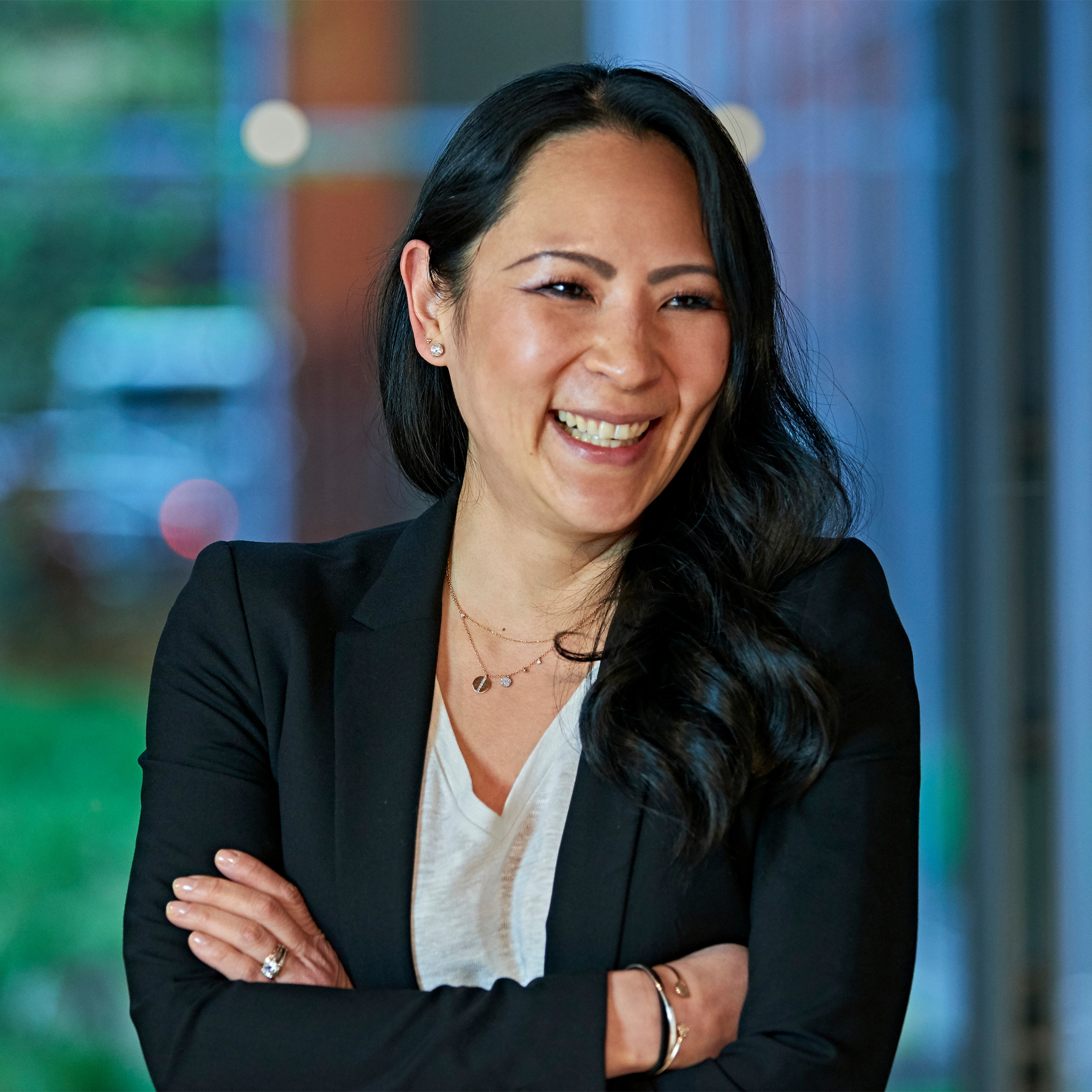
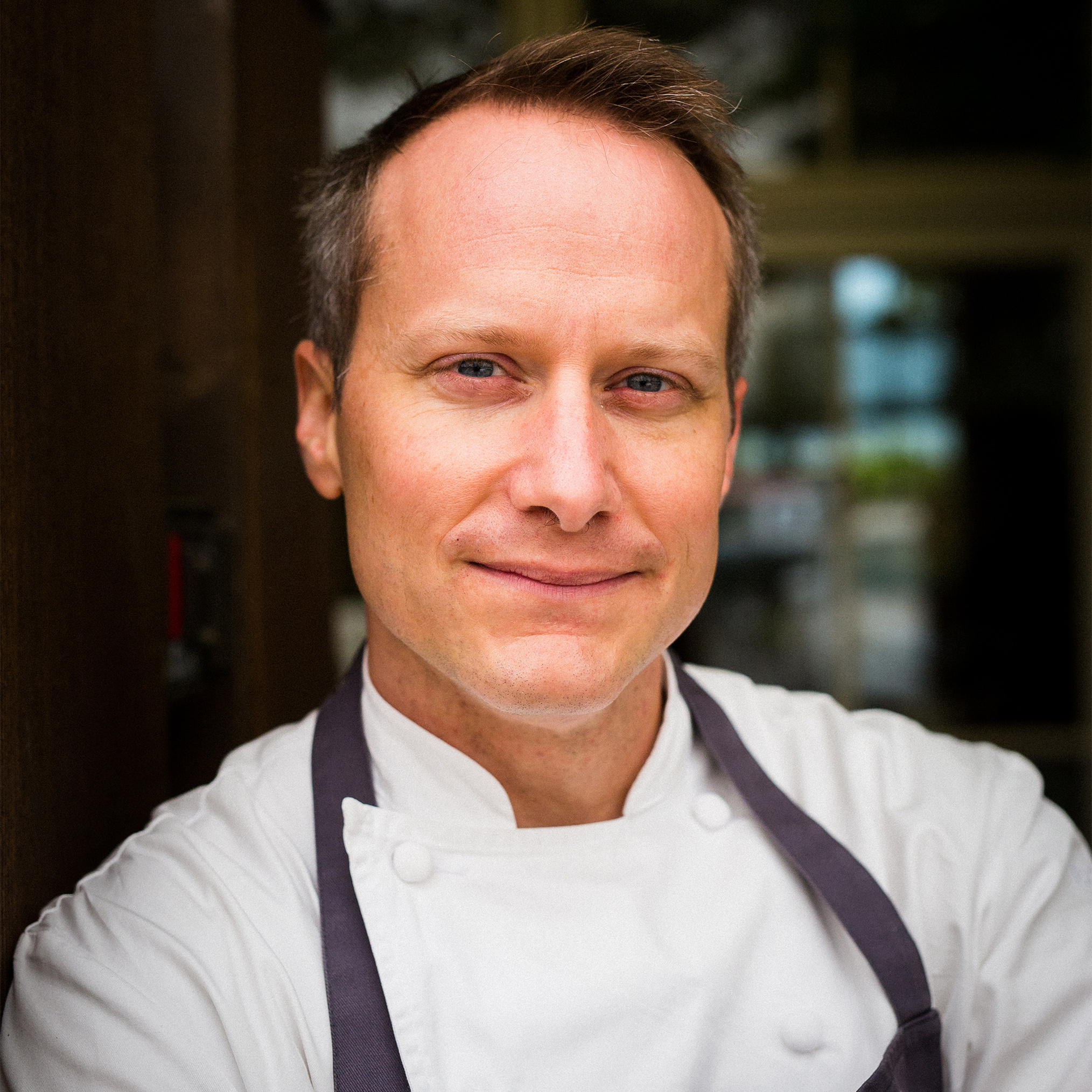
On this episode of Hospitality On The Rise, Chef Philip Tessier shares his culinary journey with host Alice Cheng. From his early days experimenting with recipes at home to working alongside culinary legends like Thomas Keller (Per Se, The French Laundry) and Eric Ripert (Le Bernardin), Chef Tessier reflects on the key moments that shaped his career. He also opens up about his experience competing in the Bocuse d'Or and the powerful impact of mentorship. Now, as Chef/Partner at Michelin-starred PRESS and the soon-to-open Under-Study in Napa Valley, he continues to innovate while focusing on team growth and leadership. Tune in for an inspiring conversation on perseverance and the art of hospitality.
Links
Transcript
HOST: ALICE CHENG
Welcome to Hospitality On The Rise, the podcast about the people shaping the hospitality industry and their journeys. I'm your host, Alice Cheng, founder and CEO of Culinary Agents, hospitality's go-to hiring platform. And I'm here to give you your dose of virtual mentorship.
Here, we'll be sharing the stories, lessons learned, and advice from hospitality leaders who've carved out their own path to success. After all, this industry is where many get their start and go on to do incredible things.
Whether you're a pro, starting out, or just love the hustle, this podcast highlights what makes hospitality extraordinary, the people.
HOST: ALICE CHENG
We're so excited to have chef Phil Tessier with us today. Chef-partner of PRESS Restaurant and Under-Study, which is a project coming soon. We'll talk about that a little bit. One area that I just want to highlight in this intro is 2015 Bocuse d’Or silver medalist, first American medalist at Bocuse d’Or. And we will get into the details of that during the show here. For those of you who don't know, it's like the Olympics for cooking, and 2017 he was a coach for team USA, the first Bocuse d’Or gold medal. Phil, thank you. Welcome.
GUEST: PHILIP TESSIER
Great to be here. Thanks for having me.
HOST: ALICE CHENG
Yeah, so you know, you've got so many great projects going on. You have done incredible things since you joined PRESS years ago. But let's take a step back and share with us how it all began. Like how did you know that this was for you?
GUEST: PHILIP TESSIER
Yeah, I mean cooking for me was… I always had sort of a strange interest in cooking, I guess. My mom used to do this thing where she would take us to the library. You get any cookbook you wanted, and then we would make that food. And so my brother was like, “Let's make pizza bagels and macaroni and cheese.” And I was like, “Why don't we make strawberry trifle and Russian-style pierogies?” you know?
So I always had this kind of interest in food, and when I was in those early high school years, it was like, is this a career or is this just a hobby? And I had started at that point cooking for my family. My mom got off late from work most nights. So by the age of 15, 16, I was cooking for a family of seven. And I loved it. I thought it was fun. Just the reward of also doing something productive for your family in that hospitality piece.
I didn't know what that was called at the time, that's really what drove that. And then I got a job in a hotel there. So I was really fortunate. I ended up at the Williamsburg Inn in Williamsburg, Virginia. I was like, “I'll just get a job at any restaurant,” could have been anywhere. But I fortunately found a place where people are going to culinary school. They were real professional chefs, and they really set me on the right path of moving into going to culinary school, going to The Culinary Institute of America in New York. But I think that was kind of the real first piece where you saw somebody take you under your wing.
There's this lady, Claudia, in garde manger, and she just cracked the whip. I was 16 with braces and glasses working in this place with all these lifers in the culinary world. She really took me under her wing and pushed me forward, and [I] really was fortunate to find one mentor after another through school. So yeah, I consider myself sort of a culinary orphan. I didn’t have “I was smelling the garlic from my grandmother's table / kitchen when I was coming up in life.” And so I think that's part of the reason I wanted to cook: you discover food along the way and you're like, “This can actually be something special and something that brings people together” as opposed to just “We gotta eat dinner.” So that's the early years of getting started.
HOST: ALICE CHENG
That's how it all began. You know, during culinary, that story isn't very common. I mean, oftentimes people kind of like doing it, and then they reach a point where they're like, “Okay, well, you know, what next?”
So you're in culinary school and you know, with that comes structure and all those other things. What opportunities did you get? I think I saw somewhere that you spent time in France; how did you kind of connect into that next phase of your journey.
GUEST: PHILIP TESSIER
Yeah, I mean, think that's one of the key things. And I think one of the things I see in really the best cooks that we have, especially the young students coming through, is that there's just a sense of wanting to do more, right? Wanting to do more than just go to school. So we're right down the street here in St. Helena from Culinary Institute at Greystone. And we have a lot of students work for us. They go to school, they work part time, they do their extern. But I was fortunate to work at the Escoffier Room at the time. Now it's the Bocuse restaurant. And I worked there all the way through my program.
Two things happened by doing that. One was I felt like I really doubled my education. You know, I was working in this student-run kitchen all the way through school, in addition to classes. And then secondarily, I really built that relationship with the chefs that I worked for in there. In fact, they were the other ones that helped send me to France. And so I think really understanding the importance of hard work and doing the extra piece, doing that extra bit, I never saw it as work. I thought it was super fun. I got to work in this kitchen and the chef's taking me under his wing.
And everyone was terrified of Chef Cheneau, like this old school French guy. And we were like friends. I mean, I was a 17, 18 year old kid, but he liked us because we came in, and we worked hard, and we didn't complain, and we weren't scared of him. You kind of found his softer side that no–but I mean, people would switch classes from AM-PM just to avoid this guy, you know? And so it was great. I loved it. I made so many great relationships that I still have through students and people coming through, but the France piece was really a key–and I didn't really realize it at the time–but for me, that was such a key piece in my journey.
And I went to France, I worked there for six months. Three months in two different restaurants. I didn't get paid. And they gave me a place to live. In fact, I went there with $3,000. And I said, “You know, basically, I don't have any money. Can I work six days a week?” And they were like, “No problem.” So I worked six days a week. because I didn't have any–I mean, I spent $1,500 in six months, just working.
HOST: ALICE CHENG
Wow.
GUEST: PHILIP TESSIER
And for me, it was still one of the best times of my life. I had no bills to pay, I had no paycheck coming in. It was just super simple, and it was all about learning the food, the language, the culture. In fact, learning French during that time would come back to be just a huge asset in Bocuse d’Or and even impact my role with them now.
So yeah, I think it's interesting to me because I feel like kids these days, everyone coming up, they wanna get to a certain level. And it was always that way when I was in school too, but the patience to just dig in for that first five, six, seven years, however long it takes, there's just so much importance to that. For me, like going to work in France for free was like, this is like free school, right? I'm paying all this money to go to culinary school. I think I learned more in six months in France than I did in two years in culinary school. Yeah.
HOST: ALICE CHENG
I love it. For someone who's listening, whose dream is to kind of do that, is that even common now? I mean, I hear that common in the past and, you know, things are different in every country, obviously, but is that common practice even now?
GUEST: PHILIP TESSIER
So I think it's definitely harder, right? Like the laws have changed and things like this. However, I just interviewed a young man. I met him in Bocuse d’Or this past month in January, and he worked at The Ledbury in London and I was like, he's from Atlanta, this young kid, career-changer, was going to be an engineer and all this kind of thing. And he came into the restaurant to stage with us, and I asked him, “So how did you get up at The Ledbury? Did someone send you there?” He's like, “No, I just called them.”
I was like, that's what it takes, right? The sense of like, hey, this would be really cool. I don't know if this is the possibility, but let me go figure it out. He called them, and I mean anybody like myself who gets someone who's got this level of determination and commitment, it's always going to be a yes. You just got to work through the details. So he went there for two months, they tried to extend, to get an actual visa. But I think a lot of things had changed and it’s expensive.
So even if it's just a month, two months, three months, whatever you can do, it's absolutely worth going, and seeing, and being exposed to that. Because it just opens up–not just the culinary aspect of what you're going to learn being in that kitchen, but wherever you are–the culture, the cuisine, and the impact that that has is pretty lasting. And it's a huge confidence builder. For me, if I'm gonna open a French restaurant, I'm not just reading a book. I'm like, I lived there. I know what it feels like, you know, and it's a huge confidence boost to understanding a culture and a cuisine as well, just being there.
HOST: ALICE CHENG
Yeah, that's great advice because everyone has a different path. And there is a lot to be said about determination and risk-taking when you can, and your own personal risk tolerance, and then actually taking action to that and seeing where that gets you. So thank you for sharing that.
GUEST: PHILIP TESSIER
Yeah, 100%.
HOST: ALICE CHENG
So take us back. You're in France, you get all this experience, and you come back. Now what?
GUEST: PHILIP TESSIER
Yeah, I came back broke. I had $1,500 that I spent in six months, and then I spent $1,500 in two weeks just traveling around with some friends who came to meet me. Then I came back, my dad gave me, I think $3,000, this is the magical number to move to New York City. So I moved to New York, I got a job at Le Bernardin. A friend of mine was working there. So I kind of went in and was like, “Can I stage?” and they were like, “Sure.”
I got a job there working at the bottom, on canape station, and we found an apartment in Astoria, Queens. And we had no furniture. I remember for the first couple of weeks we argued over the paint bucket we found on the side of the road. That was our one seat, one chair. We're like, “I get the chair tonight.”
And this is a thing that kind of kills me today because at that time, being in France, I had no money, but I thought it was the best time of my life. I'm like, “I can't believe I'm here. I can't believe I'm in France. I can't believe I'm in New York. I can't believe I'm working at Le Bernardin.” Maybe I'm just a simple person, but that was enough for me, that I had this opportunity, and I was doing this. I think maybe I was just a glutton for punishment.
I mean, their chef hired me, he was like, “Well here's what you're gonna make.” It was $295 a week, and that was my take home pay, working 50 hours a week in New York City. And he's like, “Well, you can only go up from there.” And I was like, “I don't think that's a good thing, but thank you.”
HOST: ALICE CHENG
Yeah. Oui Chef.
GUEST: PHILIP TESSIER
But I loved it. You know, I was there, I was in the middle of New York City. I mean, it was super intimidating, and it's just like anywhere you go and you're like, “I'm going to be the worst guy here.” And “I know I'm going to make it.” And then you get in and realize just hard work, dedication, keep your mouth shut, and do a good job. There's that whole thing of like, do the things that it doesn't take talent to do, show up on time, be committed, have a good attitude, be a team player, you know. All those things go so far in any job.
Yeah, I spent basically three years that I went from canape station all the way up to sous chef. And I think I was 23 when I became a sous chef there, and it was a great formative kitchen. To me, it was the perfect place to go, and at my stage somewhere where I could just kind of come up through the ranks. That was in 2003. Then I basically had told them, “Hey, I'll be a sous chef here, but I'm committed to this new project that Thomas Keller is going to open, Per Se, in January of 2004.” They kind of knew that was my plan. We communicated about that. So I went from there into the opening of Per Se in 2004.
HOST: ALICE CHENG
I'm going to expand on that a little bit because this is something common that I'm hearing. I think it's important, is this communication of your next step. You're working somewhere, assuming you're doing a great job, you build this rapport with your team, your management. And keeping this level of communication with what you want and making your leadership part of the conversation is something that I think we see as a beneficial thing, especially when you're planning and moving. Usually, your management, especially if you've been doing a great job, is supportive of that, and they'll help you.
GUEST: PHILIP TESSIER
Yeah.
HOST: ALICE CHENG
And that's something that I think sometimes gets lost when people are looking for a change, or they're looking for something different or more.
GUEST: PHILIP TESSIER
Yeah, and I think the culture that existed when I was coming up through what we refer to as the “old school mentality,” I think there's a lot of positives to the drive and the push that that gave you. But I think we as chefs in today's world, we need to evolve. I remember talking to Kyle Connaughton at SingleThread, and he's like, “We either can die or evolve.”
It's challenging. Like my chef de cuisine came from Eleven Madison Park, New York, and getting him to understand and getting our team to understand that this idea of communicating with our team and having sort of this emotional intelligence just under, like, just sensing where people are in life. You just never–it's not just work, right? People have lives, we all have things going on. But everybody in our kitchen has a mentor in the team, and they're responsible for spending at least five minutes a week as a minimum just to check in. “How are you doing?” “How are things going?” “What can we do better?” “Here's how you're doing.”
Everybody today wants feedback. It's like, “Chef, can I get five minutes?” “Chef, can we talk about this?” So it's like, let's just build this into what we do. And in terms of the leaving-the-restaurant piece, it's such a huge, important thing. Right?
And I remember Chef Keller was always like, “You know, this two week notice thing, like this doesn't work, and we need to change this.” And “Who came up with this?” And what I realized is, well, it's our fault, right? Like when somebody gave their notice, they immediately got sent to the commis kitchen. They were immediately sidelined. And part of that was like, okay, we need a trained person in the next role. But why would you tell somebody earlier that you were going to be leaving if you knew that as soon as you did so, there would be sort of this negative impact?
We totally changed that now. For example, I have a young kid who's been working for me for two-and-a-half years, and I heard and knew that he wanted to go to Mexico. So I just sat him down and I'm like, “What's the plan?” Like, “What do you want to do?” And so we've kind of mapped out his whole plan. You know, most of our team–with obvious some exceptions, especially some of the younger team–it's, three, four, six months out that we're talking about what's next, whether that's moving into a more senior role with us or whether it's moving out.
We make these crazy grandiose statements, like we want to be the most impactful restaurant group in the country. Why not? Let's just say that out loud. So part of that is not just what we're going to do in the four walls of our building, and the food that we're going to create, and what people are going to see from a distance or experience in our dining rooms. But I think we'll have a bigger impact on the people we send out into the world, right? People who take our culture, take who we are and what we believe in and then go and then replicate that or have an influence elsewhere. So for me, it's super important that people are leaving us set up for success and have that confident next step in their journey. So it's challenging. It takes everybody from all sides to be a part of that, but that's a huge piece for us, for sure.
HOST: ALICE CHENG
Yeah. Yeah, I love that. Lots of important pieces of advice, both hidden and out in the open there. You see it in the industry as well. You see people who are influenced by, who have been taught by, who learn, and then they take that into their own business or leadership position and then put it back out. So that's great. Thank you.
Okay. You're at Per Se, and I see you spent quite some time with Chef Keller.
GUEST: PHILIP TESSIER
Yeah, this was a long journey. Yeah, still going.
HOST: ALICE CHENG
So take me through those career decisions.
GUEST: PHILIP TESSIER
Yeah, I think it's probably one of the most impactful decisions I made, for sure, was going to Per Se in 2004. You know, I was at Le Bernardin, Michelin hadn't come yet to New York, but four star New York Times and Zagat was the big thing back then. So I mean, we were at the top of New York City. And when I went to Per Se, I was like, I'm a sous chef here, you know… Everybody that went to Per Se, every chef took a step down to be a sous chef, every sous chef took a step down to be a cook. It was the most amazing team that was put together for the opening of that.
I was immediately humbled in every possible way just by who I was surrounded by, the level of experience there, and also the stark realization of how little I knew about such a bigger world of food, and the attention to detail, and the level of thoughtfulness in every ingredient and where it came from. I still have my Per Se training binder that we use as an example and what we do here. I think that was just, it was such an overwhelming experience. You were drinking from the fire hose every day and being part of– For me, if anybody gets the opportunity to be part of an opening with the right people. Even if it's not the type of food you think you want to do one day, whatever it is, it's such a valuable experience to see that come to life. So that was \really the beginning of my journey and just a totally different drive and push in terms of becoming, in my mind, a much more well-rounded professional.
I spent three years, three-and-a-half years at Per Se. I became a sous chef after a year there and worked my way through the team there. I went to California, to Yountville here, stayed at Peter Jacobson's, who's now our farmer. And I was just in this magical place. I spent a morning at the farm, and the birds are chirping, and the sun's coming up, and it's like hot air balloons over your head. And I'm like, I feel like I'm living in a postcard right now.
And that was the first inkling of interest in what California was all about towards my time in New York. I loved New York, but I knew my daughter was born, and we were like, “Okay, I think I don't want to raise my kids in New York City.” Watching my wife shove a stroller onto the rush-hour subway was a galvanizing moment for that.
HOST: ALICE CHENG
It is an art form.
GUEST: PHILIP TESSIER
Yeah, for sure. And she was great at it, trust me. But that was the beginning of the push towards California. Corey Lee was at French Laundry, offered me to be the exec sous there. And then I went to Bouchon, and they had offered me the chef de cuisine job. That kitchen was getting ready to be remodeled. For me, it just came down to a decision of impact, and I loved Corey, and I'm still a little remiss that I didn't have that opportunity to take that, but I went to take that chef de cuisine job at Bouchon. I wanted to learn the business side of things. I wanted to learn more of not just fine dining and challenge myself to be more well-rounded. I think looking back on it, I think that was such a great decision to really understand the business.
I took over Bouchon in 2007 at the beginning of a huge remodel. Then the recession hit right after that. So I learned through the school of hard knocks, just all the financial side of the world. And I think that's something that is a huge important piece and something that we now train all of our team on. How to read a P&L, all the management team is part of this.
Because I've seen a lot of great cooks go out into the world, a lot of great chefs, and take over their next thing or take the cool deal, or the guy who has all the money and then one, two, three years down the road, it's all kind of falling apart. Whether they didn't know how to run the business, or whether it was really about the wrong partners, the wrong real estate deal, whatever it might be. So in today's world, you just can't ignore the importance of that.
And I tell my team sustainability is one of our core principles, and it has nothing–It has a lot to do, I should say, with where the chickens come from and the farm and everything else, but it has a lot more to do with longevity, right? And like we're here, we're celebrating this restaurant, our 20-year anniversary. I've been here five-and-a-half years, but we're going to be here for the next 20 years, and we don't get distracted by the new cool thing that's up-and-coming and got nominated for this or whatever it might be. And then a year later, you're like, “Where'd those guys go?”
Having that kind of mindset where, like, I need all the tools in my toolbox and working for the right people are going to give you those things. So going to Bouchon was a huge transition away from Per Se, and I walked into a pretty crazy situation there. But I love, I love the challenge. I'm not shy of doing the hard things for sure.
HOST: ALICE CHENG
Yeah, it's definitely rowdy and fun and in a whole different way.
GUEST: PHILIP TESSIER
Yeah, I walked into the dining room the first night. I'm like, “Wow, this is loud.” I literally was like, “How does this work?” Right? Coming from a tasting-menu-only restaurant, and then all of a sudden it's 200 people, and everything's a la carte, and it's just loud and fast paced, and it's like a frenzy. But you know, learning how to do that style of service and do it in such a way that it was controlled and organized–and we were in charge, not just suffering victims of whatever came through the door–that really has had a long-term impact on me and not just on the casual side, but also on the fine dining side.
HOST: ALICE CHENG
Yeah, yeah. And then you went back into fine dining.
GUEST: PHILIP TESSIER
Yeah, so I spent three years, three-and-a-half years at Bouchon. I’d kind of gotten bored. Bouchon, it was an amazing experience and great for me to be there. Menu changed, and I was trying to change the menu, like, six times a year. And then Bouchon, Beverly Hills opened, and then it became more of this like–the conversation started to shift of like, “I think we're going to change all the restaurants menus at the same time.”
And that just wasn't exciting to me, not because I didn't want to collaborate with other team members, but more like I had The Garden across the street, literally my backyard. I lived across the street from French Laundry. So I'm like, Vegas is totally different than us. LA has different, their season starts a month before ours. I've done these regional dinners and things like that.
Chef Keller came to me, and I didn't really see the opportunity coming back around, but he came and asked me to be exec sous at French Laundry. Corey had left, and Tim had taken over, Tim Hollingsworth. So there was kind of a big shift in the team when that happened. So I obviously said yes and stepped into that role. I went back to Per Se for a few weeks and did some cross-training and then stepped into the whole world of fine dining all over again.
So much had changed, it was really fascinating. So much had changed in that three-and-a-half years. All the hydrocolloids had come in that weren't there before. And Jonathan Benno was very traditional running Per Se. And everything had changed since then. And I was like, “Is this OK that we're doing this?” This was totally like, “Don't touch this stuff.” And so it was a lot of fun. Matt Peters came in and a few other guys. So that was our team.
It's very different being at French Laundry, which was like the OG restaurant there, and Thomas lives behind the restaurant. There's definitely a different energy and a different vibe, but learning to take on that more senior leadership role there was a new challenge. And from that came watching Bocuse d’Or happen and watching some of the other chefs come through with Richard Rosendale.
And then I did a dinner with them. We did a dinner, it was the team from Per Se and Eli Kaimeh and Chef Keller's brother, Devin Knell. There was like five of us and we went to do a dinner in Lyon for the Grand Chef's dinner. It's, like, 250 Michelin stars under one roof. No pressure, right?
HOST: ALICE CHENG
No pressure.
GUEST: PHILIP TESSIER
Alaine Ducasse is doing two courses next to us and then it's us over there, and this is the first time going back to France. And so I was actually pretty surprised that, like, when you're there and you spend one, two, three, four days, it starts all coming back to you. And so it was actually pretty helpful. But we did the dinner, we did the event that night. Then the following day I went to Bocuse d’Or. ‘Cause that was the day the U S team was competing, and we had the opportunity to go. I was just sucked in. I walked into this stadium, there's like this huge arena, 2,500 screaming fans. There's like this band from the UK that I heard these tunes in my head for like the next three weeks. All the Japanese guys, face-painted, banging the drums, and things like this. But just watching the intensity of the competition and the focus of the chefs there, and this culinary wizardry on display, like watching people do things and you're like, “how did they do that?” was just super fascinating.
We went to Paul Bocuse restaurant that night, the following day, with Chef Keller, and actually Paul Bocuse sat at our table with us for a while and had this amazing dinner and some pretty incredible chartreuse and way too much cheese. As we're leaving, they carve all the names–they have these plaques that they put all the names of the past winners in front of the restaurant. So there's this sort of walk of fame, if you will, into the restaurant with all the winners from 1987 on.
And I just remember looking at the plaques where 2015 was going to be next. And I'm like, “USA needs to be here.” The best chefs in this country are on par with what I saw there. That was kind of where the seed was planted of jumping into this whole world that I had really no clue how, where to start. But that was where I caught the bug for Bocuse d’Or.
HOST: ALICE CHENG
Yeah, yeah, and you got USA on the map–on the wall, I should say.
GUEST: PHILIP TESSIER
Yeah, I mean, that was such a crazy journey. You know, I talked to Chef Keller, and we agreed that I would pursue this and told him, “I think I can do this. I think this is the next step.” And part of it was there was a sense of frustration, like, they had put the new group together, and everybody thought it was going to be this guy and then this guy. There's just always missing pieces and missing parts. I spent the next year just crawling into this hole of discovery and challenge and failure. It was really foreign to me, the idea that I was going to spend this much time on one day, right? And on one set of food. We had changed the menu at French Laundry and Per Se every night, right? Like we sat down at the end of the night, you went over the menu, everybody contributed. And I'm like, “How does this work? Where do I start?”
And so that was a real formative piece for me, just learning how to develop food at a different level. I think it's funny because part of my goal in our restaurant is to show that there's a place in the world for this style of food. Certainly there's so much of it that's overly contrived and looks cool, but probably doesn't taste great. But I've never spent more time focused on flavor and taste than in training for that competition, which probably most people wouldn't expect to hear. But it's over 50% of your score. So you have to be focused on that, and I think that's something a lot of people sort of forget. I've learned so much about myself in that. I think I'm not a competition chef, despite what I've done in the competition world. I truly believe that spending your time working for the best people is the most important thing.
You can always learn the competition side of things. It's really hard to go the other way, to know how to do a competition, but not really understand all of the technique and layers of experience you need in the culinary world. So for me, it was really about applying all of that discipline that I had learned over the last 10 years working for Chef Keller into that opportunity. And I loved supporting my team to do competitions.
Vincenzo did the Bocuse d’Or selection, you know, two years ago and he's actually just in Top Chef, so he'll be on Top Chef this year. But I just love supporting our team doing these things ‘cause I know how much it shapes an individual. The most important thing is to make sure it's not having a negative impact on the restaurant or the rest of the team, which is challenging, no question. But, you discover so much about yourself when you push yourself to that limit and to that level. And I've never been like… I was definitely in that moment at the most high-performing level I've ever been in, physically, mentally, in every possible way.
Yeah, it's very hard to explain that, right, to other chefs and to get people behind that idea. ‘Cause everyone just looks at it as a distraction. But when you see the reward that it brings, people–and people come to us at PRESS because they know I'm a part of this–and Franco was the commis for Bocuse d’Or two years ago. He's working for us. Bradley just finished Bocuse d’Or. He came in, and he's working for us now. Both of these guys want to compete in this in the future. So for us, it's a great benefit to that. We attract this level of talent, and it all just multiplies, as we get more and more more great people in that circle.
HOST: ALICE CHENG
Yeah. I love it. Not only did you personally get on the podium as the first American medalist as a silver medalist, but then you went on to coach the team that then got the gold two years after. And this is a two year, every two year event. I had the the pleasure of actually being at that event, which was just incredible. It's really hard to describe, like you said, but there's no denying that there is this overwhelming sense of pride, even just as somebody that's just a spectator watching USA compete and win.
So all this amazing experience, getting the US on the map, literally, at Bocuse d'Or, then as a silver medalist, then coaching the team, the Team USA into the gold medal, top of the podium, and then coming back to reality in a way.
GUEST: PHILIP TESSIER
Mm-hmm. Yeah.
HOST: ALICE CHENG
Back to the business as usual. But not without a lot of fanfare because it was quite an accomplishment. And I know you and the team and anybody who followed it along or heard about it were very proud. It was also a great way to actually get people to understand and see what this was, right? I think a cookbook followed, etc. etc., and then your new projects.
So fast forward to the amazing things that you have been doing at PRESS for the past five years. And then these incredible projects that you have underway that I was very fortunate enough to take an initial tour of, I would say, the culmination of all of your experiences, your learnings, and, your experiences into what you're building now. So take us through a little bit, what's on the horizon.
GUEST: PHILIP TESSIER
Yeah, I mean, I don't think most people know, but like I mentioned earlier, PRESS is celebrating its 20 year anniversary. It's a restaurant with a very colourful history. I came in 2019. I was supposed to be a consultant for 30 hours a week, four months. Not sure why I thought that would work out.
I brought in Darryll Bell, who now has a Stateline Road Smokehouse over here. But we came in and we took on this restaurant that was really struggling. They had Leslie Rudd, who was a founder, he had passed away two years earlier, his daughter Samantha had taken over. They'd been through like seven chefs in two years. And so I'll spare you the gory details, but just to say that where we started from in this restaurant was never really the plan. I think I make a lot of plans, and I just have learned to be flexible and to make the most out of where you are, right? I think that's a key message for people today.
I basically got into this, I was going to open my own restaurant two months into the starting at PRESS. That restaurant project fell through. And I was like, “Oh man, I can't get stuck here.” You know, this is like this kind of big house that's like trying to find its way in the world again. And I'm like, this is not what I've worked 10 ½ years for Thomas Keller for.
But they were very excited about what we had been doing there. And I basically agreed, I'm like, “Look, I'll stay on. I'll become a partner in this business. But the commitment is that we're going to open my thing.” And so we were still going to pursue that together with Samantha Rudd, who is still my partner and our owners here today. So basically, we set off on this new thing. We were going to announce I was going to be a partner here, and then COVID hit in March 2020, and we all know what happened for the next year-and-a-half of that. Just survival mode and then the huge challenge of just reopening. But through all of that was a silver lining of re-hiring a new team, changing the menu, and we dropped a lot of the old things. So that ‘21, ‘22, those two years was a huge shift in transition in the restaurant. Since then, we've got our first Michelin star Grand Award from Wine Spectator.
HOST: ALICE CHENG
Congrats.
GUEST: PHILIP TESSIER
Thank you. Yeah. And it's just made such a difference for us. I think I have a love-hate relationship with awards because everything's subjective, and there's always politics and everything, no matter what anybody says. But for us, it's not why we do them, but it should be a natural result of what we do. But they just help, right? They help put you on the map. They help people recognize you. For us, the most important thing is it helps people–staff and team–come to us and see who we are.
So that was a huge shift as well, just getting that recognition. Now we're… What's happening at PRESS now is we're remodeling all the kitchens, as I mentioned, and we're really pushing for the next level, right? So it's no secret that we're moving towards two stars here. We're going to expand sort of the lounge piece, so we'll have kind of more of a casual experience, then we'll have fine dining that'll be more focused on a more expansive tasting menu, as well as our private dining. All will have a separate, three separate focuses at PRESS.
Then Under-Study is the new big thing. So we have Under-Study, which is actually right next door to us. For those who know, Dean & DeLuca was one of the original gourmet stores, kind of the precursor to Whole Foods in some ways. But we are basically moving in that space, and it's 10,000 square feet. Half of it is going to be this new museum. So they're opening with a Julia Child exhibit in there, which is really cool. I was in there yesterday and just an amazing sense of nostalgia from someone that most people don't know now, growing up perhaps, but really transformed the culinary landscape and knowledge and interest in food in this country. So having that right along Under-Study, which is going to be like a marketplace. We're going to have a pastry shop, very high-end pastry, viennoiserie, cold pastries, packaged goods, and then we're going to have like a cafe.
It'll be super fun. Everything comes on a tray, logo paper, multiple things on the same tray and would have black truffle, mole, octopus, crispy pig's ears, charcoal oven-roasted turnips and with Benton's bacon and things like this. So it's going to be just super fun and craveable. You know, we did this lobster corn dog with caviar for the music festival here, and people go crazy over it. So we're like, “Hey, let's throw this in there.” So it's meant to be super playful, fun, but also a very high level, layer of sophisticated technique and sophistication in there.
We're also gonna have a butcher shop that's gonna have dry aged fish and meat. So we're working with Dry Ager, and we have a whole program going on with them right now. So that's super exciting. For me, it's a whole place where we can just continue learning. That's kind of what's behind the name is, that we're always–little play on words–we're always going to be understudied there. We're always going to be looking to learn and grow and explore new techniques.
At the end of the space, we have what we're calling the culinary lab. So it's going to be a teaching kitchen space, consumer-facing classes, but also a lot of digital media content that we hope to eventually use to have an impact in an educational way. But we'll be entertaining and fun and kind of be like an R&D space for us as well.
So super exciting. This should be opening April 2025. So we're finally getting there, all the equipment's coming in, finally getting all the last pieces in. It's going to be a huge lift, and we're building an amazing team for that. We're really excited about the team that's come together and still a few more pieces to add, plug, plug.
But between the evolution and direction of PRESS and what Under-Study represents, and the space that we have here right in the center in the heart of Napa Valley–which is such a food and wine-focused destination–it feels really special. It feels really amazing. I feel really fortunate to be doing what we're doing. Sometimes I'm like, why am I doing this? You know, when the days get tough, but we always find a way through, and it's really the collective effort of the team that makes it all worthwhile.
HOST: ALICE CHENG
Yeah, well, I for one cannot wait to get a chance to visit. I got spoiled with the pre-tour and getting to see the vision. Once that's the reality, it's going to be something extraordinary. So congrats to you and the team, and rooting for a successful completion with no bumps in the road with construction or electricity or all those things. Right?
GUEST: PHILIP TESSIER
Yeah, we'll take that. Yeah, appreciate that. Yeah.
HOST: ALICE CHENG
Putting the positive juju out there for smooth construction, right? That's all I can ask for. Well, let's do some quick-fire now here.
GUEST: PHILIP TESSIER
Sure.
HOST: ALICE CHENG
All right, first one. What advice would you tell your younger self?
GUEST: PHILIP TESSIER
I would say be patient. Yeah, just focus on the day, focus on where you're at. I think I have a tendency to always be focusing on the next thing, which sometimes can be a positive, but just learning to enjoy the journey as opposed to just focusing on the goals.
HOST: ALICE CHENG
What's your advice for someone struggling in the industry?
GUEST: PHILIP TESSIER
Probably the same advice. Yeah, I think somebody struggling in the industry, I'll answer that two ways. One is, you know, if you really know this is what you want to do, then be patient, and stick with it, and dig in. You know, I will say this is probably the worst industry to be in if you don't love what you do. And I used to tell people that, walking in the doors at French Laundry, I'm like, “You're either going to love this job or hate this job.” There's this very little gray area here, you know, and if it's what you love to do, it's an amazing journey. If it's something that you're trying to make work, and you really aren't passionate about it… maybe looking at a different facet in the industry versus pushing, trying to make something happen that maybe doesn't feel right.
HOST: ALICE CHENG
What's your advice for fellow hospitality leaders?
GUEST: PHILIP TESSIER
I would say I would give them the advice I'm giving myself, which is always developing yourself as a leader. I think sometimes we have a tendency to just be like, “I've done this and I've taken this journey and now I'm a great leader.” But really challenging yourself to be a leader, reading things outside of the hospitality business, and really understanding the impact we can have on people and individuals outside of just focus on the new cool dish or whatever new thing we want to do or the thing we want to be recognized for.
But there's a lot of power in people and learning how to be an example, to be able to mentor your team. A huge part of what I do now is really growing that team. We're expanding. That's a whole new challenge for me. It's one thing when you're always there and you're touching everything, but learning to trust other people and learning how to make sure that they feel empowered, they feel properly trained, and they also feel supported. I think that's my biggest challenge, is how do I support this team but also give them enough leash and runway to do it for themselves? Yeah, always be growing as a leader.Always make sure that you're in a place where you're learning yourself.
HOST: ALICE CHENG
I love it. With that, thank you so much, Chef Phil.
GUEST: PHILIP TESSIER
Yeah, thanks for having me. Super fun.
HOST: ALICE CHENG
I'm so excited to see all the upcoming things and can't wait to hear more about it. And please document the journey and share on social media.
GUEST: PHILIP TESSIER
We'll do it, don't worry. Yeah, lots of that will be coming along.
HOST: ALICE CHENG
Follow along, everyone.
GUEST PHILIP TESSIER
All right, thanks so much, Alice. Appreciate it.
HOST: ALICE CHENG
Remember, success looks different for everyone in hospitality. No two paths are the same. If you have a leader or a topic you want to hear about, email [email protected].
Hospitality On The Rise is brought to you by Culinary Agents, connecting top talent with employers since 2012. Whether you’re hiring or looking for your next opportunity, join us at CulinaryAgents.com
For more inspiration, subscribe to Hospitality On The Rise and visit HospitalityCareerPaths.com, a free platform by Culinary Agents.
Until next time, keep rising!