Links
- Marcus Samuelsson's Website
- Marcus Samuelsson Group
- The Rise Residency
- Culinary Careers Program
- Merkato by Marcus (Coming Fall 2026)
- Back to Green (Coming October 2026)
Transcript
HOST: ALICE CHENG
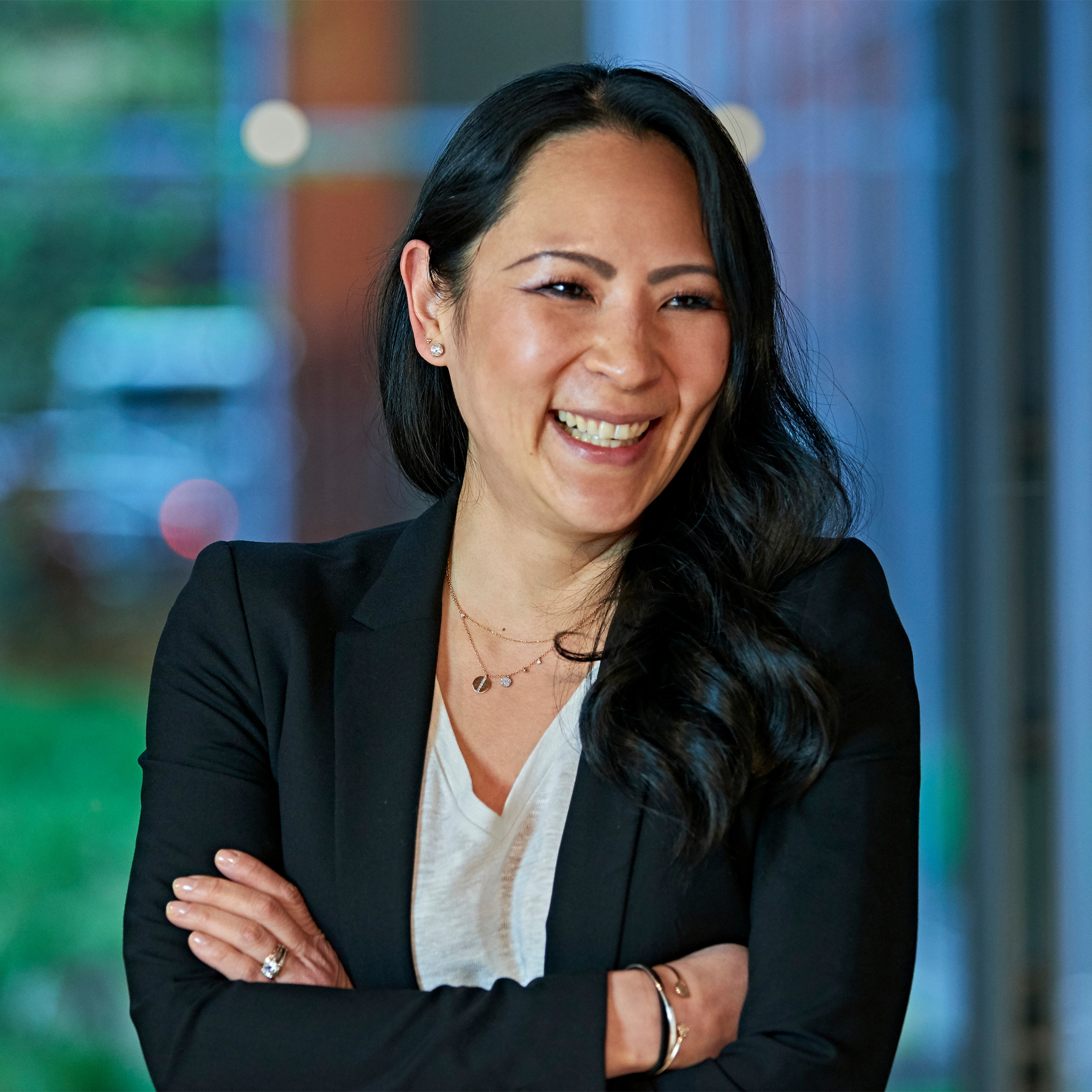
Welcome to Hospitality On The Rise, the podcast about the people shaping the hospitality industry and their journeys. I'm your host, Alice Cheng, Founder and CEO of Culinary Agents, hospitality's go-to hiring platform. And I'm here to give you your dose of virtual mentorship.
Here, we'll be sharing the stories, lessons learned, and advice from hospitality leaders who've carved out their own path to success. After all, this industry is where many get their start and go on to do incredible things.
Whether you're a pro, starting out, or just love the hustle, this podcast highlights what makes hospitality extraordinary, the people.
HOST: ALICE CHENG
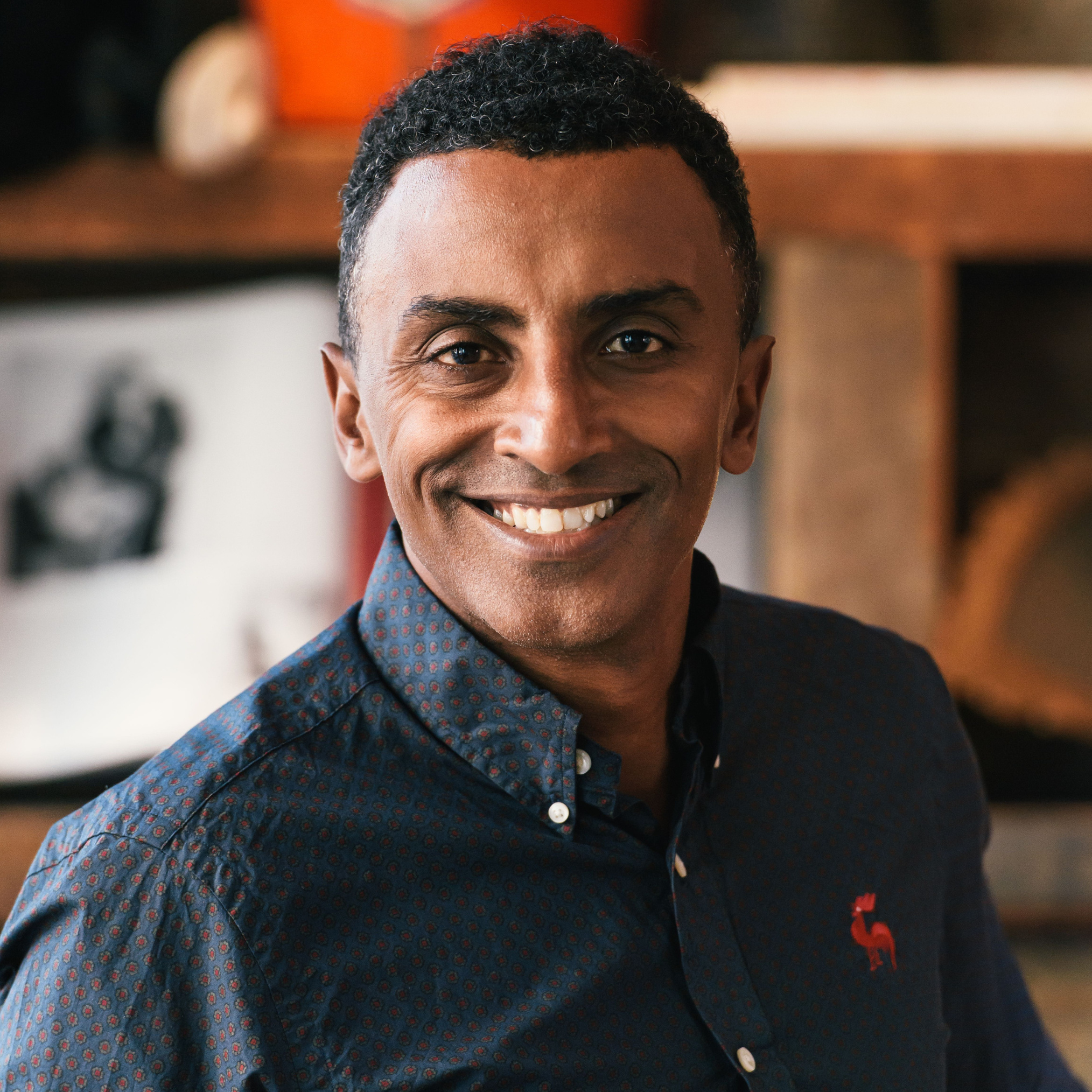
I'm so excited to have Chef Marcus Samuelsson here with us today. Marcus is a chef, restaurateur, author, and media personality. And I'm gonna throw in fashion icon in there just for good measure.
GUEST: MARCUS SAMUELSSON
Oh, thank you. First of all, thank you for having me. I'm very excited to be here.
HOST: ALICE CHENG
I am honored. I know how busy you are, and you're running from place to place. And it's very special to finally get to hear a little bit more about you and your career. I'm gonna start with highlighting: Co-Founder, annual Harlum Eat Up Food Festival; Co-Chair, Culinary Careers Program, Frontline Advisor, World Central Kitchen; Board Member, City Harvest; recurring judge on Chopped for 23 seasons. Oh my goodness. And then I cannot skip daytime Emmy Award winner and eight times, eight times James Beard Foundation Award winner. So I'm gonna stop there. Marcus, thank you for joining us. I'd love for you to take us back into how you got into the hospitality industry.
GUEST: MARCUS SAMUELSSON
Thanks again for having me. You know, hospitality's been my life. It's the only job I've ever had, whether it was selling fish with my uncles back in Sweden or working with my grandmother and pickling herring. But once I got serious about cooking, I worked in Gothenburg–that's where I grew up in Sweden, the second biggest city in Sweden. And it's a blue collar city, so I knew pretty quickly if I'm gonna do this for real, for real, then I gotta get out of here. Like I gotta go to another place.
And I think a lot of people that doesn't come from the big city of the country always feel like “where should I go?” And for me, what would make most sense would be to go to Stockholm, but I felt like I might as well just go international. I got some scholarship and internships in Japan and Switzerland and stayed for two years in Switzerland. And once I was in Switzerland, where I had to speak French and German, and I was in an international room and kitchen. I knew right away that this is where I wanna be. I wanna do it at the highest level, and that was a three-star Michelin experience, but I had to build towards that. It took me five years, but eventually I got to a three-star Michelin restaurant and worked there.
HOST: ALICE CHENG
Amazing. Amazing. Can you think back to–and you've had such a storied career here–early days, one of the early lessons learned as you were in these major international kitchens and kind of starting out in your career?
GUEST: MARCUS SAMUELSSON
Well there was many lessons. Humility. I always thought I would start on the different stations in the kitchen. In Switzerland, I started in the garden, but I actually loved that because once I got to the entremetier, the vegetable station, I knew the garden work, and I knew kind of farm to table before there was even a term farm to table. Learning the craft in Austria in pastry, learning the craft in France or Switzerland, really working with incredible craftspeople, but at the same time, also learning what not to do.
The two things I never saw in our kitchens were women and people of color. And being a black person that'd been taught by majority women, I'm like, this doesn't make any sense. And why is it that there's no room in this great kitchen for women or people that look like me? Once I understood kind of what that was about, it was really an opportunity for me to say, “Well when I get on, when I become a chef, these are two sources that I will always champion and create opportunities for.”
HOST: ALICE CHENG
Yeah. I love that. Oftentimes you hear people and they talk about experiences they had when they were going up in their career, and there are the things that you you admire and you learn from and you want to emulate and replicate, and then there are things that you question “why not” and then you have the opportunity to make those changes later on. So that's great advice and observation during that time. Also after Switzerland, you went to France. Is that it?
GUEST: MARCUS SAMUELSSON
Yep. Yep.
HOST: ALICE CHENG
And I love–do you speak all these languages? I'm always fascinated–and when we talk about hospitality and cooking being kind of universal language, and as long as you know enough to get by, 'cause having that melting pot of cultures and languages.
GUEST: MARCUS SAMUELSSON
Sure. I mean I speak enough to get by. I probably speak better German than French. But for me, it was always about there is a unspoken language in the kitchen which is desire and listening and executing, right? You can do that in any language. And trust me, in Japan I didn't speak any Japanese, but I had to knew how to listen and receive information and make it work. And I think cooking is a craft, and learning how to butcher, learning how to make things, you don't have to talk a lot. We were actually encouraged not to say anything anyway. So it wasn't so much about language, but it was also about just being excited about the opportunity, excited about the chance of being in one of the top restaurants in the world.
HOST: ALICE CHENG
Yeah. Yeah, the universal kind of understanding of culture of the kitchen, right? So you spend time at France. At this time were you thinking, “One day I'm gonna open a restaurant” or “I'm gonna open fifteen restaurants” like you have?
GUEST: MARCUS SAMUELSSON
I always wanted it. It was always a dream for me to come back and open my own place. Where, I just didn't know. And you know, this is really when I'm in my early twenties, and the fact that I went international right away, I didn't limit it to it had to be in a certain city or a country. I really felt like I could open this anywhere. I didn't have a timeline onto it. I just knew that at that point, I had to work with the best and learn a lot. And I also worked on a cruise line, which was very important because it got me to Asia. And understanding the ports of Singapore and how incredible street food in Singapore were, for example–which was not flavors that you found a lot in Europe–and it gave me a different language and appreciation.
Like in Europe, we cook in this French traditional food, which is amazing. But once I started travel with the ship and I got to South America, I got to Mexico and it… just the palette of great food is not always in restaurants. It's actually in street corners. And that gave me a whole different vocabulary again. So I knew that… Obviously the ‘90s a lot of things happened, like, internet started in the mid-’90s, really connected with food in the early 2000s, and people started to travel more. And that was the food and the culture that I was excited about, somewhere in between street culture, street food, and fine dining.
HOST: ALICE CHENG
Yeah, all the pieces are coming together now for those of us who have seen oftentimes when we'll see the headlines, we'll see you on television, we'll see all the accolades and everything, but bringing it back to how that came about, what inspired you, and what you did to kind of get to where you are, those are the exciting stories…
GUEST: MARCUS SAMUELSSON
Well the journey is everything, right? The journey is this is what sets up why Hav & Mar looks the way it does, where we focus on female executives, right? It's because of the experience I had where I didn't see women roles as executives when I was working in Europe, right? Red Rooster is an answer to all of those things as well.
So my work is really becoming about what I saw in my early days and how can I be a game changer in the industry. For me to have one restaurant and have great food, sure. But if you're really gonna have impact, you have to have a larger impact and you have to do it in a different way. For me.
HOST: ALICE CHENG
Yeah, and you're having an impact. I'll just say from one person looking from the outside.
At what point, so after you spent your time in France, did you come immediately over to Aquavit as the executive chef?
GUEST: MARCUS SAMUELSSON
I did not start as an executive chef, I came as a sous chef. And I think as all the people that are gritty and work hard and you get ready for something, if you stay ready you never know when that opportunity is gonna come calling. And for me it came very early, probably came a couple of years before I was ready. I was twenty three years old and very tragic situation happened at Aquavit, our executive chef died, and I was asked just to take over before they found the chef, and eventually they picked me, and I wasn't sure about it because I was like, Aquavit is known famous restaurant in Sweden as well, and I didn't want to be the one closing it. I was intimidated, but I also knew that, hey, this is a massive opportunity.
So I went for it and it paid off. It was a great experience and we were able to grow Aquavit to Sweden, to Japan, back to Japan, and build a cafe, and many things too. And I think that's really when I, at Aquavit I really grew up, I became from being executive chef to a part owner of something and representing Scandinavian culture with its beautiful, great experience, but also learned about New York. So for me it's like I feel like Aquavit is my grad school of becoming an entrepreneur, becoming a chef, learning about New York City, so I always feel a lot, I always have a lot of gratitude for my time at Aquavit.
HOST: ALICE CHENG
Yeah. What would you say, if you can remember, was one of the big learning curves from moving up to that level?
GUEST: MARCUS SAMUELSSON
Well I mean, you have to know people in a city like New York. My first couple of months as a chef, we got our deliveries at twelve o'clock, and we have lunch. I'm like, this is way too late. And then mentors like Alfred Portale, Jean-Georges, Daniel [Boulud] helped me with that, so I could get my fish at seven-thirty or eight o'clock like everybody else.
You know, you gotta, it's any city, right? Especially New York. No one's gonna give you anything. But I learned being scrappy too, like I remember doing cooking classes at CIA, and I was basically two, three years older than the students, and they loved the fact that they saw themselves in me. So I got a lot of the young scrappy students, and among them was like a young Richard Torrisi, a young Paul Carmichael.
So they came very early, and super talented young kids coming working with me, and now they're game changers of American cuisine. So every person, whatever age, whatever culture you come from, you have your disadvantage can be your advantage. You just gotta figure out, okay, what's the pivotal moment?
HOST: ALICE CHENG
Yeah. Often when we talk about these career paths and examples is, as you mentioned earlier, prepare yourself both mentally and physically and skill-wise, et cetera. When an opportunity comes across your table, even if you don't feel like you're a hundred percent ready for it, if you've been doing the work and preparing and kind of training yourself, the chances of you stepping into something and then kind of getting folks to help you and lift you up is much higher, right? And that'll give you your confidence as well.
GUEST: MARCUS SAMUELSSON
And I would even argue there, I think that in general, women for me in our industry are sometimes overqualified, sitting and thinking about “I'm not ready,” doubting themselves and what's been great with Hav & Mar and working with Fariyal [Abdullahi] is to see our team really glue around that and have sous chefs and line cooks that feel like they are ready and coming in confident. And I love that, that the place has really help drive young chefs, female chefs that now have a place, many places, but a place, a focal point where they can express themselves and they can look up to someone like Fariyal, and I love the fact that we've been able to establish that here.
HOST: ALICE CHENG
Yeah, yeah. Side note, what a beautiful restaurant and what a firecracker Fariyal is.
GUEST: MARCUS SAMUELSSON
Yeah, she's great.
HOST: ALICE CHENG
Congrats on all that. Running businesses, as you know, is difficult. Running restaurants, I think, might be more difficult, and building a culture like that, I think, is kind of the goal in general.
GUEST: MARCUS SAMUELSSON
Yeah.
HOST: ALICE CHENG
So take me through at Aquavit your time and you've grown it, received three-star review from New York Times during your tenure there. What were you thinking about next? Like how did that come about? Were you looking for broader goals, other things?
GUEST: MARCUS SAMUELSSON
Yeah. I mean you have to evolve as a person, right? After eight, nine years into Aquavit, I was like, okay, I love Swedish food, I love being part of Sweden, and I'm in New York at the same time, but also as a man, as a black man coming from the continent, I felt there was a side of me that I couldn't represent at Aquavit. It just didn't, the berbere and the notes of Africa just didn't fit in, you know what I mean? And I felt like, well Aquavit has been such a bridge for me to come into New York, but I think that at that point Aquavit got what it needed from me, and I got as much as I needed from Aquavit. So it's like, great. We left it at a great time, and it was very important to me to also hand it over to someone that's gonna take care of it. And you know, what Marcus [Jernmark] and Emma [Bengtsson] has done has been absolutely amazing. So I look at that as a success from where it came from, where it is today, and how the handover was.
But I wanted to evolve, and for me as a young black chef, I remember go back to the origin. Coming out as a young black chef, there was very few people that looked like me. And one of my goal was always how can we take people of color’s journey in the industry from an anonymous to a visible one. And I needed to do that, if I wanted to be part of that, I need to do that from a different place. And what better place than Harlem? What better place than Red Rooster to really set a vision of game changing? And that's fifteen years ago now, so now you see the landscape of American chefs looks very different, and I'm very excited.
HOST: ALICE CHENG
Yep. Yeah. And you've been able to impact that from both not just the restaurant side, but then also you have a very, very popular career. Popular may be the wrong word. You are very popular amongst the general public, right? And I feel like that plays a role too. Like you just talking about being visible and setting an example. What better way than to do it yourself and at a time where the industry was just evolving so dramatically, and the media and food media, right?
GUEST: MARCUS SAMUELSSON
Yeah, but I feel also was a missed opportunity. Like think about it. We've been telling French stories in different versions forever. And I love French food, and I love what France and the chefs have given me and what I've learned from France. But… food is like the World Cup. Everybody is proud of their food. Everyone's gonna do it a little bit differently. But we have to tell more regional, more stories that are broader and why is it that we haven't been able to do that? But the internet broke all that, and the way we started to tell stories on social media, now it's out. Now everybody wants to share. And I think so you either wait and see or you actually bang the door wide open. And I think that's what's happening now and been going on for the last ten years or so, I would say. And we're much better for it. More people are excited about food, more people wanna cook, more people see their place in food media or food in general, and I think that's very positive. And American cities like New York is leading that charge. And not just New York, like America's leading that.
HOST: ALICE CHENG
Yeah, absolutely. Now you're in this position, you have, I think… I can't keep up. I think you have fifteen, over fifteen restaurants or business outlets worldwide. As you're building these teams, because you can't be everywhere at once, although it seems like you're everywhere at once–for folks who are kind of starting out in their careers and maybe have a couple of years under their belt, and they're they're dreaming about how to how to get to the next step, the next stage–what are some of the leadership qualities that you found commonly that stand out with some of the folks that you bring on on to your teams?
GUEST: MARCUS SAMUELSSON
I mean, you wanna work with self-starters, you wanna work with talented people. Like I look at Chef Anthony [Jones] that is executive chef for Marcus DC. I've known Anthony for a long time, he worked with us. Right away, I knew this is an executive chef, he just needs time. And once you put someone like Anthony and support him with the stuff that he needs to learn, then every person, including myself, I had to learn a lot, right? When I was twenty three, twenty-four, twenty-five. And I was surrounded with people that helped me with bookkeeping, helped me with HR, all of those different things that I needed at that time.
Anthony is such a talented chef. But you know, the restaurant at The Morrow that we have, the restaurant is three… it's a rooftop, it's room service, it's a lot of different things, so he needs support. But he's a self-starter. He's an incredible leader for his team. He's passionate about the craft. So once you have those core skills, you just gotta figure out, okay, what does this person need support with?
With Fayiral or with Tristen [Epps], right? Tristen worked with me for years. So right away, you know Tristen's commitment and passion around food. You can never doubt he will always be a chef. So how do we support someone like a unique person like Tristen? And I've learned so much from these amazing people that I've been able to work with, whether it's Paul Carmichael, whether it's Adrienne Cheatham or Tristen or Fariyal.
They're younger than me, they bring a new level of energy, but they all have a couple of things in common. They're self-starters. They are natural leaders, very different leaders. You know, Anthony leads different than Fariyal. Fariyal leads different than Adrienne. But they're passionate about hospitality and their team. You have to step back and listen to them. When I started cooking, Chef didn't listen to anyone. It was just Chef's vision and everybody do. So I had to change and learn. And I think that we're better for it, and that's why we can, as a company, we can grow because I look at this as I'm partnering with these young chefs. They're running a business, and they're becoming their own business owners with the rewards and the challenges that come with that.
HOST: ALICE CHENG
Yeah. I love that. I'm gonna latch onto that because as is you, you're kinda like the next one step up leader, right? And the challenges I think with some of the leaders these days, that we hear often is it's difficult to kind of get to the point where you're comfortable enough to take a step back, right? And then realize your role is just to help your leaders lead, right? And like remove…
GUEST: MARCUS SAMUELSSON
Yeah, and set a vision that is clear for what are we doing here? What are we doing at Hav that is different than at Red Rooster or Marcus Addis with a completely different set of skill sets where it's fine dining in Ethiopia versus in New York City? But still, how can we be a leader in that part of the world? Do you know what I mean? So I think vision and mission is key. And as a leader you have to work on that and then you gotta orally and practically really lead and make it clear for the team what are the boundaries, what are what are the goals we should set together, and then inspire them to go and go and do it.
HOST: ALICE CHENG
Yeah, yeah. Well simple as that. Simple as that.
GUEST: MARCUS SAMUELSSON
Not simple. I mean simple, nothing is simple. No one's gonna give you anything. But you know, I think, I know I came to the city with three hundred bucks and four roommates and were able to do it, and I feel a lot of gratitude to New York and America, that they accepted me, and I have a lot of gratitude to the people that I worked with all these years. And we have still a lot of things, like we're just in the middle of launching our sauce line, Merkato sauce line, which I'm super excited about.
HOST: ALICE CHENG
Nice.
GUEST: MARCUS SAMUELSSON
So as a chef, we just launched The Rise of Residency where we can give three young chefs an opportunity to be part of a residency with an artist, and it's a moment to really reflect. We've been able this year, we've been able to give three cohorts that opportunity. So for me, the success means what else can we do and how else can we give value back to the industry that was not there when I was coming up?
HOST: ALICE CHENG
Yeah, and you segued into that perfectly. I was just gonna ask you to, or I was just gonna highlight the fact that despite how busy you are running your businesses and your brand–your brands and your personal brand–you also give back a lot and tremendously. And I have seen you over the… over a decade since I've been supporting C•CAP as well. I've just watched you support it tirelessly, and with such passion, and it's just really incredible.
GUEST: MARCUS SAMUELSSON
Yeah, C•CAP is an amazing organization, and it's not just that we give scholarship to high school students. Today, C•CAP has its own business owners. It's such a success story, it's not just in New York, we're in eleven states. It’s a place of hiring source, it's a place now where the chef calls first. And what Richard Grausman started 30+ years ago has really been a movement that's been part of transforming American chefs, and it's one of the big success stories that I've been part of of my life, and they give me so much joy.
HOST: ALICE CHENG
Yes, yes. Thank you for sharing. I was like, I didn't have a question. I just wanted to highlight the fact, so thank you for taking running with that. So what's next for you?
GUEST: MARCUS SAMUELSSON
Well, I mean, I think there's many things, you know. I was just cooking with my son Zion on Today Show.
HOST: ALICE CHENG
Amazing.
GUEST: MARCUS SAMUELSSON
So he's probably my biggest critic sometimes. But cooking with my kids is a lot of fun. But I'm also very, very excited about launching our simmer sauce line here at the Fancy Food Show, Merkato, which is we're gonna have three new sauces. And that's exciting. That's something that I always wanted to do. Launch flavors and sauces that I've been inspired by, right? But how to do it, and it's not easy, and finding, solving all of those challenges with launching a brand which has been super exciting.
So this fall we have a new book coming out called “Back to Green” together with Jamila Robinson from Bon Appétit. So really how to introduce superfoods to America but how can you also include superfoods in your day-to-day cooking? So I would look at things that are in our environment that can actually add value to people's culinary life, whether they are chefs at home or chefs in in professional kitchen. But we can always improve the spaces we are in through flavors and bringing people together. That's something I'm passionate about.
HOST: ALICE CHENG
Yeah, I love that. With all that you've accomplished and all the accolades and all the projects, it's so nice to see how excited you are about your new projects, right?
GUEST: MARCUS SAMUELSSON
Yeah.
HOST: ALICE CHENG
This is definitely a lifestyle, and passion definitely needs to continue to be that foundation to what you do, right?
Personal question, well not personal question, insight onto how do you keep yourself balanced?
Right? Or your life in check because you have so many things going on. I'm sure a lot of people looking for a little piece of you and some of your time. What do you do?
GUEST: MARCUS SAMUELSSON
I think it's very hard. I think it's very different for every–this is something that people have to be very personal with. What's balanced for you might not be balanced for me and vice versa, right? And it's also something that I've learnt a lot from the chefs that I'm working with. Fariyal's taught me a lot about schedule and how much people can put in and where is the boundary where they can't put in anymore. Tristen, like the guys I work with have really been helpful in that because I go all the time. That's just how I came up, and you can't. Everybody is not built to do that. Everybody doesn't want to do that. And I think that's not negative. That's good.
But I think my family's given the most balance, just being around my family. It's my wife Maya who really taught me that 'cause I didn't know that. And when you come as a first generation, you just want to build. So balance is not really part of that. But as I evolve, I'm learning that, and I just think that it's an extremely personal thing, and there's no right or wrong. It's just gotta work for your life and your structure.
HOST: ALICE CHENG
Yeah. And how do you find inspiration?
GUEST: MARCUS SAMUELSSON
I'm inspired by the people that I meet during my travels and a lot of the people that I work with. And not always the executives, but actually very often line cooks and sous chefs and just what bubbles right under the surface. I love watching a bar back become a bartender, and we've actually been part of transforming the financially for this person but also their experiences. I think that's the beauty of our industry. It's really an upper mobility industry that there is a place for you, whether you want to be a food photographer or a line cook, a bartender or a marketing person, right? You don't know when you're coming in as an early 20-something, but going out, you might be like, “Wow, this industry has given me so much.” So I get a lot of inspiration from the people that I work with.
HOST: ALICE CHENG
Yeah, I love that. I'm gonna latch onto that 'cause that's one of the main reasons why we do these podcasts and share these stories. Culinary Agents, when we talk about this is a really tremendous industry. It's oftentimes the first job that people get.
GUEST: MARCUS SAMUELSSON
Yes. Yeah.
HOST: ALICE CHENG
But the thing that you mentioned also is that you can come here, it doesn't need to be a forever thing in the beginning, but you can acquire all these skills, and you can enjoy, and you can give back, and you'll get back. And then you can decide, do I want more? This might be for me long term. Now there's all these different career paths that I shouldn't say didn't exist decades ago. But…
GUEST: MARCUS SAMUELSSON
No, it's okay. I agree with you on that. And there wasn't clear mapped out. But now through social media, you can go online and figuring out where is my tribe at? Where do I fit into this? And you know, think about when real tragic things happen, like call it the pandemic, right? We showed up. Our industry showed up. We can say that. Through organizations like World Central Kitchen, but also through local charities that might not be World Central Kitchen, but I know people in hospitality, we showed up. When everybody was talking about, “Oh, everybody left the city,” everybody did not leave the city. Hospitality stayed, and they helped out. And we know that. I'm really proud of us during moments like that because I know we're gonna show up.
HOST: ALICE CHENG
Yeah, absolutely. And thank you to you and leaders like yourself who have forged all these different career paths and have changed the industry in a way where other career paths have bubbled up and become much more clear so that someone can reach a point in their time here and say, “I thought I wanted to do this, but I'm not sure. What else can I do?” Well, now there's all these different options, and there's examples of how people have taken those options and have done really great things for them.
GUEST: MARCUS SAMUELSSON
But I would even say that the, I would say the generation before us, right, when I speak to my heroes, like I'm neighbors with Sylvia Woods, Sylvia's restaurant, or my mentor Leah Chase, you know? I mean Leah Chase had civil rights movement meetings in her restaurant. It's a whole other level that they battle for, right?
HOST: ALICE CHENG
Next level, yeah.
GUEST: MARCUS SAMUELSSON
We talk about internet and our industry looks different today. Well, they changed laws. 'Cause again, no one's gonna give you anything. So if they didn't do that, and who did that? Majority was women of color that fundraised and was part of changing the laws, right? And they forced so the laws got changed, so now the table is set up for my generation, then I can set up something for you. Do you know what I mean? So this is all a relay, and I would not be here without those laws changing. So I think it's very important that you celebrate and acknowledge what came before you. And that for me, in the book before this, “The Rise”, we looked at black culinarians past, present and future. And all those things are linked because there is no present, future without the past.
HOST: ALICE CHENG
Past. Yep, absolutely right. A lot of history there. and so much depth, and that just adds more to just this, the color of how this industry is really wonderful. So thank you for highlighting that.
On that note, I'm gonna go to quickfire.
GUEST: MARCUS SAMUELSSON
Okay, go.
HOST: ALICE CHENG
All right. What advice would you tell your younger self?
GUEST: MARCUS SAMUELSSON
Be passionate, work hard and always remember Helga, my grandmother. That's the one that I'm representing still to this day.
HOST: ALICE CHENG
I love it. What's your advice for someone struggling in the industry?
GUEST: MARCUS SAMUELSSON
You know, I looked a lot at people outside of our industry. So I looked at Prince, I looked at Basquiat, I looked at A Tribe Called Quest. I felt like they had hit a level of excellence that inspired me that had nothing to do with food. And sometimes you have to look outside the industry. To go outside sometime to find inspiration, that helped me in order to bring it back into what you're working on.
HOST: ALICE CHENG
What's your advice for fellow hospitality leaders?
GUEST: MARCUS SAMUELSSON
Listen to Prince.
HOST: ALICE CHENG
All right, mic drop. On that note, Marcus, thank you so much for taking time to share some of your career path and your advice with us. We cannot wait to see what's next.
GUEST: MARCUS SAMUELSSON
I would just say, to answer properly that question, I'd say dream big. Dream bigger than what your first dream was. Because someone out there needs what you're thinking about. And if a Swediopian chef can have an impact in this industry, so can the person that watches and listen to this. Because whatever that you're thinking that might not be out there yet, that might be exactly what we need. Like what is the new Cronut or what is the new so and so? It's up to you to go out and create that and make us aware and like, “Oh shoot, I didn't know we needed that.” We need it.
HOST: ALICE CHENG
I love it. Now that's a double mic drop. And thank you again.
GUEST: MARCUS SAMUELSSON
Thank you for having me. I appreciate you. Thank you guys. Peace.
HOST: ALICE CHENG
Remember, success looks different for everyone in hospitality. No two paths are the same. If you have a leader or a topic you want to hear about, email [email protected].
Hospitality On The Rise is brought to you by Culinary Agents, connecting top talent with employers since 2012. Whether you’re hiring or looking for your next opportunity, join us at CulinaryAgents.com
For more inspiration, subscribe to Hospitality On The Rise and visit HospitalityCareerPaths.com, a free platform by Culinary Agents.
Thanks for tuning in! Remember to like, follow, and subscribe. And if you loved this episode, share it with someone who could use a little inspiration.