Links
Transcript
HOST: ALICE CHENG
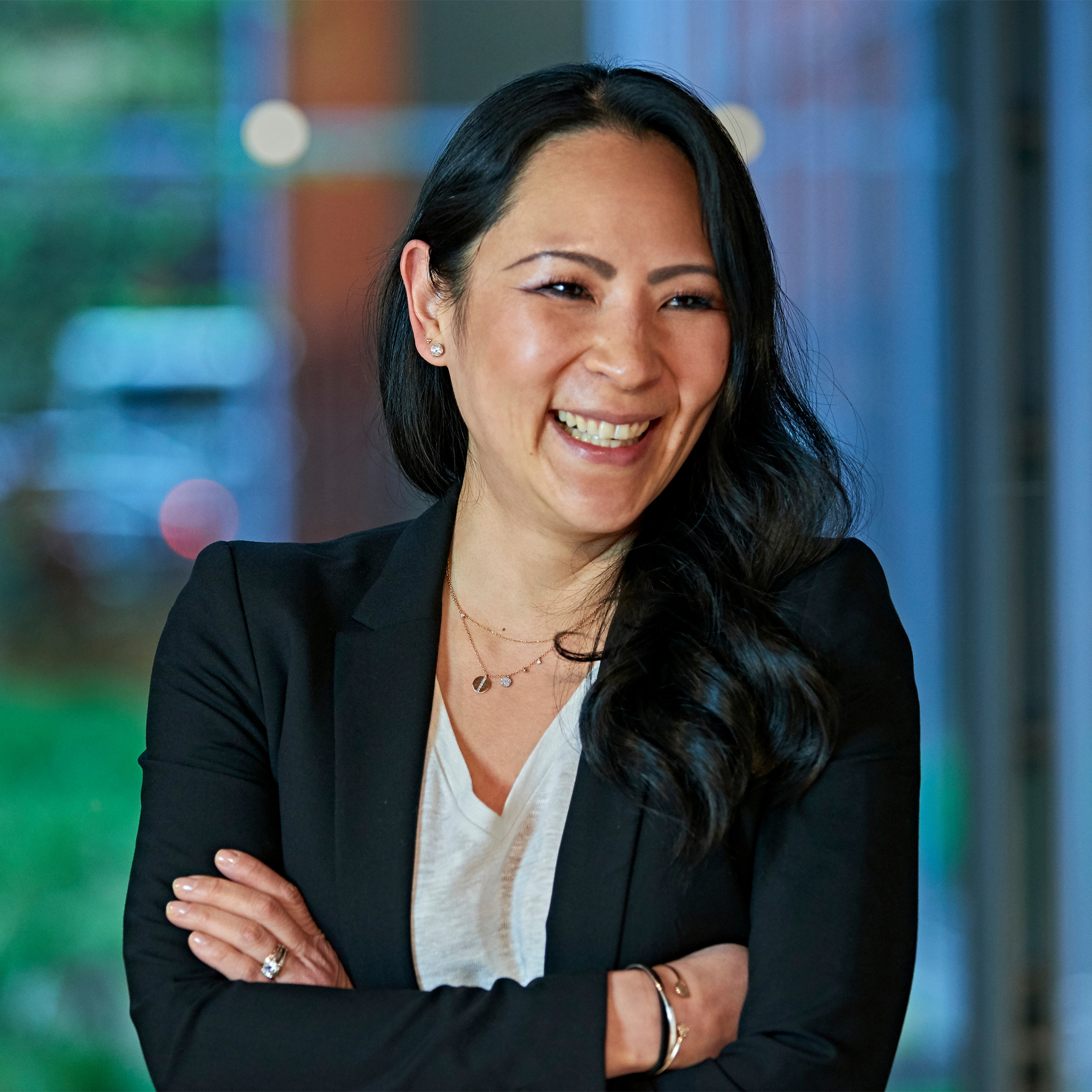
Welcome to Hospitality On The Rise, the podcast about the people shaping the hospitality industry and their journeys. I'm your host, Alice Cheng, Founder and CEO of Culinary Agents, hospitality's go-to hiring platform. And I'm here to give you your dose of virtual mentorship.
Here, we'll be sharing the stories, lessons learned, and advice from hospitality leaders who've carved out their own path to success. After all, this industry is where many get their start and go on to do incredible things.
Whether you're a pro, starting out, or just love the hustle, this podcast highlights what makes hospitality extraordinary, the people.
HOST: ALICE CHENG
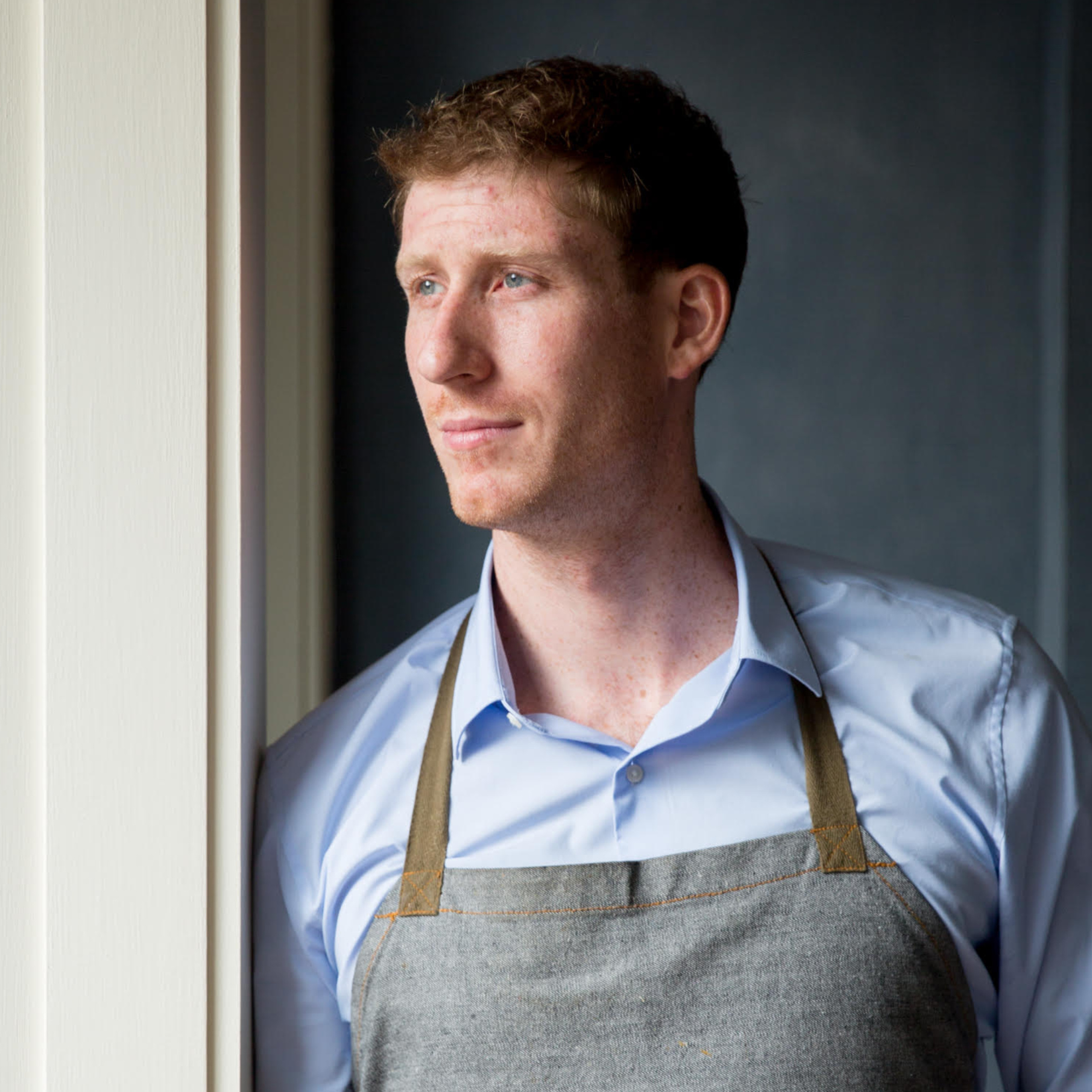
So excited to have Chef Greg Baxtrom here with us today. Greg is the Chef and Owner of Baxtrom Hospitality Group, currently based here in New York. Five Acres Rockefeller Center is the flagship, most recently Olmsted, and a series of other restaurants in Brooklyn of local favorites. Olmsted was a 2017 JBFA Finalist for Best New Restaurant, Food & Wine Restaurants of the Year's list, Esquire Best New Restaurants list, New York Times two stars, Eater three stars. Oh, the list goes on and on. And Greg is also an author with his upcoming book in May of 2026 launching, and we'll hear a little bit about that. Greg, thank you so much for joining us today.
GUEST: GREG BAXTROM
Thanks for having me. This is exciting.
HOST: ALICE CHENG
It is. We're joking around, it's, like, long time in the making because of your travel schedule and all the other things that are going on. I'm glad we were able to finally nail this down.
GUEST: GREG BAXTROM
Technical problems.
HOST: ALICE CHENG
Technical problems, right? But we're interested to hear, Greg, how did it all begin? How did you get into hospitality?
GUEST: GREG BAXTROM
I mean, truthfully, I tend to leave this out. So we had a rule in my house growing up: at 15, you had to get a job. So the only thing really in my hometown that would take a 15 year old was fast food. And so I applied to the Wendy's, and at that time, what I did is I had a bunch of my high school friends also apply at different times throughout the same week, and we all got hired. We pretended like we didn't know each other until we were all onboarded, and then the restaurant was just run by a group of my buddies. And I did that for about two years, and then I kind of worked at a country club, and I was a busboy at a steakhouse. So that was my first introductory into the hospitality industry.
I was in the Boy Scouts for a very long time. From second grade, Tiger Cubs, all the way through high school. In the Boy Scouts, they teach you a lot of life skills and just sort of skills in general. First aid, starting a fire. And in the very beginning, the parents, the fathers typically take you camping, and they do a lot for you. They set up the tent, and they set up the fire, and they hand you a bowl of food at dinner time. And just sort of as you get older, they kind of take some of that away and they expect you to do it yourself. So you have to build your own fire and set up your own tent. And eventually they'll go from handing you a cup of beef stew for dinner to handing you a can of beef stew and a burner and a can opener, and you have to open it yourself, and you have to heat it up and split it amongst your group. And eventually they stop giving you the can and they give you some potatoes and some beef, and you just have to make the best of it and hope that it's not chewy and gross.
I just really took to that. I was in the Boy Scouts for so long, primarily because the third weekend of every month for more than 10 years, that decade, I would go camping with my father and my brother. And so it was just a good bonding thing. Throughout that time, I would make this beef stew or make other things, and I would enter into culinary competitions. One year it was suggested that I go to, instead of going to Boy Scout camp, to go to cooking camp that summer. And so I did that at the culinary school at Kendall College.
HOST: ALICE CHENG
Cooking camp, wow.
GUEST: GREG BAXTROM
And ironically, I met a fellow Boy Scout that was there, and we became roommates. And I went to that school. And yeah, I really enjoyed my… that cooking culinary camp confirmed that this is what I wanted to do.
HOST: ALICE CHENG
I love that. Two main parts of that story. One is starting at Wendy's. We hear really often, hospitality is usually, very commonly the first job that somebody gets, right? Largely because the barrier to entry is lower. But then people make with it what they will. They learn, they have a good time, and they make some money. And then from there, sometimes that sparks a broader interest into doing something more lifelong. Another proof that you can get into this industry any way and then make it into whatever you want. And then having these early experiences–that was like a mini commercial for the Boy Scouts by the way, so I might have to give them a ring. But great, I love that story.
GUEST: GREG BAXTROM
So I'm such a Boy Scout that… so I'm an Eagle Scout, but I was inducted into a secret society within the Boy Scouts that you have to be like a super Boy Scout to get into it. And then in that, I became high ranking also. So I am pro Boy Scouts.
HOST: ALICE CHENG
I love it. So you went to school for cooking. At that time were you thinking, “One day I'm gonna have my own restaurant.” Or were you like, “This is great. I love it. I'm gonna just continue doing it and see where it goes”?
GUEST: GREG BAXTROM
I was raised outside of Chicago with very great parents. My mother is a teacher and my father's a carpenter. And basically, taking half measures was not really an option. By 15, when I was in high school, I had to have a job, I had to play an instrument, I had to be in a sport, I had to be in the Boy Scouts, I had to go to church. There were requirements, basically. So there was no half measure. Here, even at this restaurant, there's a quote that my dad says all the time of, “Measure twice, cut once.” There's another one of, “Do a job large or small, do it right or not at all.”
So from the get-go, it was just, okay, if this is my profession, then I want to be at the highest ranking aspect of it. Yeah, from the get-go, it was like, well, of course I would want to be the chef of my own restaurant. If other people can achieve that, then I thought that it was on the table for me to be able to do that too.
HOST: ALICE CHENG
Great. I like those life lessons, by the way, your dad says.
GUEST: GREG BAXTROM
Yeah, I don't even know if it was romantic. I find this very romantic, but I think it was just like, well, if people do get to do this and call their own shots, then I would want that also, you know?
HOST: ALICE CHENG
Yeah, so take me from that mindset and in school into the real world. How did you get your first job out of school?
GUEST: GREG BAXTROM
So I was a bit of an overachiever in culinary school. You have to do one 3-month internship. I did two. I did one at a pastry shop, and I did one in France. And the “serious ones” went to France or went to Europe for their internship. So again, I just heard that. And so that's what I did too. And then at the very end of culinary school, you're tasked with like, open up your own restaurant, design your own restaurant opening. And basically I wanted The French Laundry.
And around that time, Alinea was just about to open, and back then there was only eGullet. eGullet was the forum that people would look at other people's food on and talk about. And there were pictures of Chef Achatz cooking and making peanut butter and jelly sandwiches out of a grape and all this wacky food. And I remember my class huddled around the computer in the library, looking at all these photos. And so I saw that they were doing a tasting menu. So I reached out to the restaurant and I asked if I could interview the chef, not really knowing… I don't even think I knew what Chef's name was. And I just said, can I interview him about my school project? They said yes, and I showed up. And there was just some miscommunication or something, and they thought I was just there for a trail. So I just picked herbs and cut carrots and helped make a salad for family meal. I was too embarrassed or too nervous, so I didn't bring up my school project to anybody. And at the end, Chef Achatz just said, “So are you doing your internship here? Is that what's happening?” And my reply was, “Yes, I'm doing my internship here.”
So I went to my school and I told them I was doing a third internship and they made the accommodations, and I just started working at Alinea. A few months into that internship, the line cook on the garde manger station, he left. It was tough work and he wanted to move on, and he was a very sweet guy. Chef Achatz came up to me and said, “Either I hire somebody or you try to take his job.”
And so I ran with that and I started working in garde manger, and I was making the lavender pillows back in the day, and it was very exciting. And at the end of that… My internship ended, and I just thought that was going to be it. I thought at the end of my internship I was going to go look for a job. I didn't think working there was on the table. I was ambitious, but I wasn't naive. And at the end he says something like, he was very impressed with me. And he asked me if I was going to keep working there. And so I said, “Yes, chef.”
And then he made me go and be a busboy for two months or three months, to show my dedication, to wait for my line to get back into the kitchen. And then I did. Eventually I was there for about four years, a little under four years, and I left a sous chef. But to put that in a sound bite, basically I was there for about three and a half years. I started out as an intern, was given the opportunity to take the garde manger cook's job after he moved on, and that led to a long prosperous relationship with Chef Achatz, and I left the restaurant of sous chef.
HOST: ALICE CHENG
I love it. So the lesson there is if an opportunity presents itself, take it. Or if you're in the right time, right place, and you have to make a quick decision, right? Because if he asked you a question and you said something different, your trajectory could have been potentially different.
GUEST: GREG BAXTROM
I agree, and I think–not to always tie in the Boy Scouts, but I think that's sort of maturity or acceptance of responsibility from being in the Boy Scouts and being very familiar with there's a hierarchy and there's someone above me and that person knows better than I do, and it's their responsibility to teach me but it's also my responsibility to want to be taught. It helped me drink the Kool-Aid pretty quickly so I was able to kind of fall in line with that.
HOST: ALICE CHENG
Yeah, and in addition to that, a lot of mental preparation in general that led up to that point allowed you to be able to make that decision quickly. You already thought, “I want to work in this industry.” You already thought, “One day I'm going the extra mile, doing the extra internships” because you want to learn and you want to own your own place one day. All of that is premeditated career-having, if you will. That prepares you to have the confidence for when an opportunity is there. You already did your research. You already know you're in a special place. Grab onto it. If this person, like you said, sees something, latch onto it. See where it goes.
GUEST: GREG BAXTROM
Yeah, it's a little bit foreshadowing the Malcolm Gladwell 10,000 hour thing. It's a little bit like Highlander. Even all these trails I would do and stages around Europe and around Chicago, I thought I was adding notches to my belt on his path, and that path changed. In the beginning, what I wanted was my own Alinea, my own three-Michelin star restaurant. And not to jump the gun, but by the time I kind of got to that point in my career, I didn't really find myself eating at those restaurants. And as arrogant as I can be, I don't just expect someone to want to give me $250 for what I do for a living. So that's why with Olmsted I opened up something much more casual.
HOST: ALICE CHENG
Yeah, and I love it. We're going to get there because I think the places that you go and the places that you work and the experiences that you have ultimately feed into and shape what kind of leader you're going to be and what kind of concept you ultimately are going to open. And the more things you get exposed to, I think the more different perspectives and the more you probably learned about what you wanted to do for yourself when you had the opportunity.
So rolling back a little bit, you then did another stage, international, right? Did Chef help you with that?
GUEST: GREG BAXTROM
Yeah, so I went to Spain in the heyday of Spain being on the top 50 list. It's important to get a mentor, to get somebody to look out for you. And I am eternally grateful that that person happens to be Chef Grant Achatz. And so he was understanding when I left Alinea. I told him that I was going to go to Spain and go to Mugaritz. I had arranged a three month internship there. The way I was able to pull off these sort of international stages with really no money was you would work out a deal. Basically, they supply you with food and a coffee in the morning, and Mugaritz would give you a bed to sleep in in exchange for work and kind of ignoring any legal visa status basically. So I had organized that on my own, the Mugaritz thing, and Chef tacked on Arzak and El Bulli, he called for me, and so I got to go to El Bulli for a couple weeks and Arzak for a couple weeks and Mugaritz for about three months.
Honestly, what's so nice about those things is not necessarily the recipes or the skills you take away from those things. It's meeting people that are also willing to leave their comfort zone in the pursuit of this craft or art, whatever people landed on. When I was living in Spain in that house, it was a three-bedroom house and each bedroom had three bunk beds in it. There was like 16 of us. And none of us were from the same country. And you just kind of grow as a person in that experience.
HOST: ALICE CHENG
Yeah, I mean, obviously things have evolved over the years, I think part of whether or not it's at a timely stage in your career where you take a break–not really a break, right? You're still working. But you take yourself out of your comfort zone, as you said, and you go do something totally radically different that not only, you know, you're learning probably some skills and specific things just from the work, but also meeting all these people. And it probably gave you a different perspective and motivation. I'm making guesses and assuming, but if I were in that position, I probably would be super jazzed being around like-minded, equally motivated people.
GUEST: GREG BAXTROM
Yeah, it wasn't like I wanted my food to look like El Bulli’s food or Mugaritz’s. I wasn't really attracted to it in that way. I wanted to see how does it work and what are the people like? And of course I wanted to try the food and see if it's as good as it looks in the photos. What came out of that is a bunch of friends that I met, that are all now in different parts of the world running Top 50 Restaurants.
HOST: ALICE CHENG
If you were giving advice to someone who is starting out in their career who hears these stories and sees what's happened, and obviously things have changed, times have changed, would you have any hints and tips for them given what experience or what you took out of that type of experience?
GUEST: GREG BAXTROM
Yeah, when it comes to trailing–whether you're trailing or you're staging or you're interning, whether it's just some other restaurant in the town that you're in, because you like what they do and it's a couple of days, or you're trying to do something more lofty like going to another country–it is important to, especially if you're going to invest in a significant amount of time or money, make sure you have enough skills so you can download the information when you're there. Because since Olmsted, I have gone and trailed at restaurants in Hong Kong because I wanted to see what they were doing, and I wanted to download their– I didn't want to go there and rip them off and find this recipe that they're known for or something. It wasn't that.
I was surveying the land. How many cooks do they use? How many humans does it take to operate a restaurant like this? What time is the host coming in? Are they sitting down in a computer and sending off emails to the guests that day?
If you're not at a point in your career where you can kind of overall download what's happening, then you might not get what you think you're going to get out of it. And it will be significantly less valuable because even in those scenarios– like, I'm not benefiting the restaurant by me being at that guy's restaurant for two weeks. I'm literally there to steal information, and they're open enough and secure enough to let me have it with the understanding that I'm not like trying to rip them off. I'm just an admirer of them.
I still have plans to do that with my friend Travis Swikard in California. I'm going to go hang out with him at his two lovely restaurants just to see how he does what he does. It's going to just benefit me. It's not going to benefit him at all. But I'm at a point in my career where in a week, I can kind of get, “Okay, he's got this many people on his prep team, and this is how he's aging ducks” or whatever. It'll be a wash. I'll be able to get enough information for the flight of the hotels and the expenses.
HOST: ALICE CHENG
Yeah. That's actually something we've been hearing more commonly, advice from the leaders that actually have been on the pod is the timing of when you do certain trails is important, or stages, and having some sort of base knowledge so that you can understand and A. assimilate so you can actually be helpful in doing whatever you need to do, or you have to have some sort of base knowledge and experience. But also depending on what level of experience or what work you've done before, being able to get the most out of that experience as well.
GUEST: GREG BAXTROM
Yeah, so when I staged at Mugaritz, I had a job lined up at Per Se afterwards, and I had worked at Alinea for almost four years. And I had gone to culinary school, and I had been a busboy at a steakhouse. I had some experience. So I got very quickly moved from the prep kitchen. They were like, “If you could figure out what we're saying in Spanish when we're calling out tickets, we'll put you on the fish station.”
And so I had–this was before iPhones. So I had phonetically wrote down what “tri-a” meant and “marcha”, “fire tooth”, “gate wing” and all that stuff. And I phonetically wrote it all down. I'm dyslexic, so I had to make it very layman for me. So I worked a station when I was at Mugaritz for that short period of time. So I was able to benefit the restaurant while making it worth the exchange of the bed and the food and whatever.
HOST: ALICE CHENG
Yeah, I love it. I love these, it's almost like story time, right? Because oftentimes my guests, they'll start talking about something or explaining something and then they'll remember/ I can actually see it in your eyes when you remember a moment of part of the story that you're telling. So that's quite lovely on the receiving end.
GUEST: GREG BAXTROM
Yeah, well it's also nice to see all those people… You know, Pat Miller, who has a great liquor brand now, and Kim Floresca, who worked for Goop for a long time, and Ronnie. Lee Wolen was at El Bulli when I was there, he was in Chicago– Lee is who found me a burner phone when I got there. That was like, I had never met before, but we were both guys from the Midwest, and he helped me get a temporary phone, you know?
HOST: ALICE CHENG
I love it. That's true camaraderie. Okay, I don't want to gloss over all this other experience as well. When you came back, you said you went to Per Se and you spent time there. And then as well, you were a CDC at Blue Hill Stone Barns, right? So you worked at a bunch of more restaurants before you decided to open up your own, your first restaurant. What was that process like?
GUEST: GREG BAXTROM
Just for story sake, very fortunately… so I knew I was going to work for Thomas Keller after Alinea. That was always the plan. And I had been very fortunate enough to have to do an event in California with Chef Achatz. So I got to go and eat at The French Laundry with Chef Achatz while Thomas Keller was there and another chef buddy. And they did a one by one by one tasting, meaning for 30 courses, we each had our own food, which was like 90 courses. And that was crazy. And a month later, Alinea was closed for vacation. And so I went to New York for the first time, and I had a WD-50, Blue Hill, New York and Per Se. Because I knew I was going to go to New York and I wanted to know New York a little bit better.
Same thing, Thomas Keller was at Per Se when I ate at Per Se, and he remembered that I didn't finish my buttermilk at The French Laundry and he was teasing me about it, and it was just this great thing. And a note came at the end that Chef Achatz and Thomas bought the meal, and it was just this great moment for me. But when it came down to it, for whatever reason, I thought the food was better at Per Se than The French Laundry. So that was how I made my decision that I was moving to New York, not California. So I was at Per Se for a while and I got to work with Corey Chow and Matt Peters and all these legends and Jonny Black and Jonathan Benno.
And while I was there, Chef Achatz was eating at Blue Hill at Stone Barns and my name came up, and Dan called me and we met at the farmer's market. And my plan was to stay up Per Se until I ran the place. But this just seemed like an interesting opportunity. And I left and I worked for Dan for about two years. And it was very fascinating because… proudly Dan doesn't come from that background of Thomas Keller, and he just had kind of carved his own path. So it was learning different styles and just a different approach to cuisine. Like I remember being out in a field with Dan once, and he wasn't doing this to be rude, but he pulled out these Hakurei turnips out of the ground and he's like, “Per Se couldn't get these,” you know?
He was so proud of these, again, he was very respectful. He was so proud about turnips, and I had never seen that before. It was very attractive, you know? And I did that for a couple of years and then I moved on because I had realized I had never really seen a restaurant opening. When I started at Alinea, it was about a week into or two weeks into being open. So Danny Meyer was opening up North End Grill and Floyd and I had this handshake deal. And it was like, I want to see more stuff than you would normally show people as an employee. Show me the office, introduce me to people. I want to hear how much stuff costs and stuff, and I'll be an overqualified line cook until your review happens.
And we shook on it and we became very friendly after that. I came to Olmsted a lot. We had a very good rapport. Then I just kind of bounced around. I knew people at Atera through one of my time in Spain. I was there for a couple of months, moved to Norway to help a friend of mine open up his restaurant who has a Michelin star, who also was tied back to Alinea. So I'm definitely the Alinea fan boy.
HOST: ALICE CHENG
And Boy Scouts, Boy Scouts and Alinea.
GUEST: GREG BAXTROM
Boy Scouts, eah. And then I personal cheffed for a couple of years for the Seinfeld family and they were very good to me and they're very nice. And my way in was all the kids really liked Marvel and I'm a bit of a dork. And so we talked about superheroes a lot. Then this opportunity to open up a restaurant happened. And after many attempts of failing, many times I've tried to open up my own restaurant with this great resume I have and I've been building up a reputation. And I didn't know what to say. I didn't know what to ask for. So I'm sitting in these things and these guys are saying, “OK, so we build you a restaurant. What do you want?” And I'm just saying, “I want total control. No one's allowed to tell me what to do. Blah, blah, blah, blah, blah.” And then they just start ghosting you after that.
So then you get a lawyer and the lawyer, you spend a couple of grand when you're in that in-between period where you have no money but you need more advice. So you have to retain a lawyer and they tell you, “This is what you're supposed to say. You want 50% but you're a nobody, so you have to earn it over five years. And be softer with your tone.” And so I did that.
And I was very like, “This is what I want. This is what I see. This is what I want.” And eventually someone agreed to that. I flipped. I got the keys. And 99 days later, Olmsted opened. That was entirely due to my father sleeping on my couch, building Olmsted. Olmsted was flipped for less than 300 grand. As you know, it cost about a million dollars to build a restaurant in New York. We did it for 300 grand. It was not some well-funded thing.
HOST: ALICE CHENG
And it's beautiful. It was beautiful. Yeah.
GUEST: GREG BAXTROM
Yeah, it's sad not having it now, not out of some award thing, but that my father built a lot of it and I don't own that anymore, it’s very emotional for me. But you know, shit happens and you have to move on.
HOST: ALICE CHENG
Yeah, well not to just skip over that very touching moment, I do want to highlight, Olmsted was a pretty magical place in general. Aside from the aesthetics and the story and your father building, etc., you really built quite the kind of special place, if you will, and built that whole neighborhood area around it. And you had several other restaurants that were in the area as well.
You have Olmsted, you have all these accolades and awards, it's doing well. When were you thinking about, “Okay, I'm gonna open another one”? And did you feel like you had to open another one? Like, was that just a natural progress?
GUEST: GREG BAXTROM
Ego is driving it a little bit. In the Olmsted scenario of opening up Maison Yaki across the street, I knew the guy that had that space. It was closing and rent was affordable, and there still wasn't other people, like nobody else was moving into the neighborhood. I was hoping April Bloomfield would come and open up Sailor and on my street. Or, you know, Tom Colicchio lives sort of down the road, maybe he feels a soft spot for it. I was hoping other people would come, so I just took that space and I just decided to put something else in it in my… What I did with Olmsted was I tried to have this affordable restaurant. I get it, it's not affordable for everybody, but up until COVID, basically our most expensive entree was like $24 or something like that. So I doubled down on the restaurant across the street. At Maison Yaki, everything was $10 or less, including cocktails and food and stuff. And it was aimed for [a] more youthful crowd, and it did really well.
But when we tried to start it back up after COVID–like, it also got GQ Best New Restaurant and stuff. But when we tried to start it back up after COVID, it just did not click the same way.
I've had four restaurants, three of them are gone now. That's the one that chefs comment to me the most. Us chefs like cooking French food. We like mother sauces, and we like all this old terminology and stuff. And to be able to kind of package that into smaller… Like, the idea of Maison Yaki was I like to go to Balthazar, but after you have the steak tartare and the escargot, you're full basically. Maybe you can sneak in a frisee salad, but you're not eating a lot of French food. And this idea was like the same heavy food, but smaller and communal.
HOST: ALICE CHENG
And fun.
GUEST: GREG BAXTROM
And fun. Yeah, it was lively. The music was a little louder, and I liked it a lot. I hope that that one could come back someday, but someone would have to want that.
HOST: ALICE CHENG
Well, that's a nice segue into what's next for you.
GUEST: GREG BAXTROM
Well, what's next for Greg Baxtrom? I miss Chicago. I'm from Chicago. I've been here for about 20 years now in New York. Truth be told, everybody I came up with here in New York, they all got married and moved to wherever their spouses are from and had kids. Very selfishly they did that, and they left me here.
So it's not that I don't have friends here, but there’s a lot less keeping me in New York. I still have this great restaurant in Rockefeller Center. It's doing really well. I have all these ideas of expanding our footprint here at Rock Center. So far, Tishman Speyer has been a great partner. And I hope that leads to more opportunities here. But I miss my family and my nephews and my nieces and my siblings, and my folks are getting older. At this point in my career, that stuff is just becoming more important to me.
HOST: ALICE CHENG
Yeah, priorities change, things change. And with someone with so much experience, such diverse experience, you're at the point where you can pick and choose. You don't necessarily have to take just any opportunity that comes your way because it's an opportunity. You've checked a lot of boxes. So kudos for that.
GUEST: GREG BAXTROM
Yeah, I'm at the point where I only really want… I am not that financially motivated. I know that sounds like bullshit, but I'm not. I'm just not that financially motivated of a person. And I just want to do things that I want to do. Right now, I don't even cook that much in my profession, but that's what I love doing. I do love this other side of it where I'm problem solving. I don't mind shooting the shit with the plumber and trying to get the toilet fixed. I like that stuff too, you know? But I wish I was cooking more.
Like I have this plan with all these hyper fine dining chef friends. We're talking about this idea of putting together a tasting menu where we only do it when we can get together. And if we all think we're having fun doing it, and we only let people that we like eat it, we're trying to hack that somehow. I don't know how... It just pays for itself. I don't know. But that's what I want to do. I don't want to just… In Brooklyn, I had a plan. I wanted Vanderbilt Avenue to become this destination where people just, like you think of Bedford Avenue or somewhere else in Williamsburg where you could just get off the train, maybe put your name in a restaurant, go to a bar down the street, go into some cool bookstore. That’s what I wanted for Vanderbilt. It didn't happen. I tried, but I'm not a genius. I did it wrong or whatever. So I don't know, I wanna make sure that what I'm doing with my time… now I think about retirement. I don't need to retire. I will be Daniel Boulud in doing this forever.
HOST: ALICE CHENG
Oh man, the bottomless pit of energy.
GUEST: GREG BAXTROM
Yeah. OK, I'm not that social as Daniel is, but I'm working on that. I'm trying to be more open and nicer. But I worry about that. And that's what I talk to you about and all my established chef friends now that we're in our 40s. It's like, what do you think social security is going to be like when we retire? Is our restaurant still going to be open by then? Is that going to be giving us anything? And it's just, I don't know. It really changes what you're after.
HOST: ALICE CHENG
Mm-hmm. It is, priorities change.
GUEST: GREG BAXTROM
Priorities change. I'm a little over five years sober, five years of psychiatry and medication now, five years of therapy. So that has significantly impacted my world view a little bit. Well, a lot, honestly. And I don't know. Just as a sidebar, I highly recommend people watch The Weight of Gold on HBO. It's a Michael Phelps documentary. It's got a whole bunch of Olympians. But in it, it basically discusses the idea of you pour everything into something and then you kind of get it, and you don't know what to do after that. And you just have this moment of feeling lost. And I can't tell you how many established people, people you've probably interviewed on this, that I've mentioned that to, and they feel the same. They watch it and they feel the same way where like, okay, you poured your whole life into this thing. You didn't take your mom's call because you were too busy doing something, and it was all for this goal.
That's how I felt in between Olmsted in Maison Yaki, I was like… I'm standing between these two hit restaurants. They're both packed. GQ, I'm getting awards I didn't know existed. I didn't know all these magazines had awards for top 10 restaurants. I knew New York Times and Michelin. And I'm hiding in the basement in one of them and I'm having a beer because I don't know what to do with myself. So it's a good documentary that I highly recommend. The Weight of Gold.
HOST: ALICE CHENG
Yeah, I saw that, and it's on my queue. But that's real talk, right? That's career progression, that's being focused and achieving goals and milestones and then reassessing. Reassessing like, okay, either now what or do I feel the way that I thought I would feel after I achieved that? If yes, great, I want more of what's next. If not, why not? Why, right?
GUEST: GREG BAXTROM
Yeah, there wasn't a lot of questioning. I knew I wanted to be a chef, so the finish line was get yourself on the Mount Rushmore of American chefs, you know?
HOST: ALICE CHENG
Yeah. Well, and people reach different life stages as well. I know that for some people it's when they achieve some big career milestones. For other people, it's when they have a child or whatever, right? Where all of a sudden you're like, “Wait a second. Were the things that I felt were the most important, where I was spending all my time, was that the most important? Or is this other thing more important?” Right. And it's important in general to everyone, regardless of if you're in hospitality or not, kind of take stock of where you are and make sure that you're making the most. You hear a lot, be present, whatever. And that can mean many different things, right?
GUEST: GREG BAXTROM
Yeah, it's hard. It's juggling being like… I don't really care what someone thinks about me or if they like my food, but I'm also incredibly insecure. And it's navigating that, you know?
HOST: ALICE CHENG
Yeah, well, and then it seems like you reach a recent different type of milestone and you're reassessing, and you've got your book coming out and you have potential more projects. And I think it's both healthy and admirable to continue to take stock about what's best for you. You mentioned a couple of things personally, also even things, I think about parents getting older. Okay, well, there's responsibilities coming, not just responsibility, but you want to spend more time with them. And when you’re further away, it's more difficult, and all of that factors into what's next, right? What's next for you, especially if you're in hospitality, you're gonna potentially be tied to a physical space to some extent, everything gets factored in.
I sometimes ask, what's your work-life balance or whatever? And I always actually correct myself and say it's more like a work-life harmony. Like, what are the pieces that are important to you, and how do you make them work together, right? Because that's kind of the magic sauce, if you will, to make sure you take care of yourself and the things that are important to you.
GUEST: GREG BAXTROM
Yeah, my work-life balance looks a little bit more like… You know, I don't go out that much. It's not really because I don't drink. It’s just, I don’t.
HOST: ALICE CHENG
I don't either.
GUEST: GREG BAXTROM
If some friend of mine opens a restaurant, like Ryan Barlow, I go to his restaurant. But I spend my time and whatever extra income I have, I'm buying flights to Chicago and going home, even if it's for a couple of days, and I come back. Now that I'm a little bit more in control of my time, especially without the other restaurants in Brooklyn, it's not really filled up with more eating and traveling. It's a lot of going home now.
HOST: ALICE CHENG
Yeah. Well, fill that bucket, fill all the buckets. That's something I'll kind of close out with. We talk about longevity in this industry and the changes in not just leaders and how they are taking care of themselves, but how they're also shaping their environments, their work environments, and how they mentor others. And this industry, it's a profession, it's a career if you want it to be. There's a lot of opportunity. You can take it in any direction that you want. And the most important thing is you have to take care of yourself as well, right? If you don't take care of yourself, then nothing else really matters. What's that quote? It's like you have 99 problems until you get sick, then you got one.
GUEST: GREG BAXTROM
Yeah. It's hard to naturally want to take care of yourself. For me, it always felt like then I have to admit that there's something wrong with my outlook on life or my agenda and my career or how I approach things. And for me, it took getting arrested and getting a DUI and getting my life back on track, but you're just kind of going, you're not really questioning a lot, you know?
HOST: ALICE CHENG
Yeah, and ironically, when you're in an industry and your goal is to take care of other people, oftentimes you yourself are in the backseat, right?
GUEST: GREG BAXTROM
Yeah, it is.
HOST: ALICE CHENG
Yeah, and it's really important conversations to have. And I think over the past handful of years, and if not more than that, it's becoming more and more part of the conversation. And it's becoming more and more of the awareness of, okay, what is having a career in hospitality mean? And what does taking care of yourself look like? And it's the mental, it's the physical, it's all the pieces, and it’s how we all show up for each other and help each other kind of address. Because there's a lot of people most likely in the same kind of head space sometimes. The pressures are pretty common. There's a lot of common challenges, I would say, in this industry. And so the more it gets talked about, the more organizations are there to support, the more it gets destigmatized.
GUEST: GREG BAXTROM
Yeah. I mean, I am someone who is way more hardcore and it's all about work and executing at a high level and all that stuff. I don't really think that my standards have changed, but 10 years have passed since I opened up my own restaurant and had all that pressure of kind of living up to the hype of whatever Olmsted became. And, I don't know, I am happier now.
HOST: ALICE CHENG
I was going to say, you have a little sense of relief? You know, I'm sure going through it was terrible, but.
GUEST: GREG BAXTROM
Yeah, I'm happier now. I'm a happier person. My staff here is happy. They're not walking on eggshells around me anymore. And there's very little turnover in this restaurant. I used to be the kind of– I remember being upset that a bartender at Olmsted was laughing during service. And in that moment, I stopped myself and I assessed. Because I was gonna catch her on something. Something wasn't right, and she was laughing and joking instead. Nobody needed water, nobody needed to be cleared, there wasn't food that needed to be run. It's sad that that had to be a lesson that I had to stop myself from kind of overreacting.
And I didn't always stop myself, but I'm just at a different place where, again, I don't want to say that my standards have changed. I don't know, when I used to go to work, I wouldn't laugh for my whole career. You don't laugh at work, you work, you know? And now I joke around with the manager here all the time, you know?
HOST: ALICE CHENG
Yeah, and you're right. Standards is not the right word. Your standards haven't changed. I think it's more, maybe you're having a little more fun. Maybe your fun tolerance has shifted. But I think that part of it, we hear this often, I mean, you were part of the industry during a different time that has evolved and continues to evolve.
GUEST: GREG BAXTROM
Yeah.
HOST: ALICE CHENG
I think the conversation, I'll say, is about how do you understand and protect and respect the learning, the discipline, the standards, all that stuff, right? And bring that and merge it into healthy workspaces and positive environments or a specific type of culture that you want to build with your team where at the end of the day, it's tough to work in the industry, and people do look for fun, have a little fun. You know, some positive environment, some upbeat to offset perhaps the seriousness and the work, right? And that depends. And it's, I think, a tricky thing. But that's something also leaders say pretty commonly. It's part of the evolution of when they start maybe opening a new place or thinking about what kind of environment they want to build.
GUEST: GREG BAXTROM
Yeah, I think we all set out to in general do the right thing, you know? I think we're–not to get too into the weeds, but I was in the Boy Scouts for a long time, sort of a natural leader. And I still have plenty of moments where I regret yelling at somebody or not handling the situation in the right way. And I think what our industry could benefit is like, what happens is that, especially these high-end restaurants that we're kind of alluding to are like, you get put in a position of management when you're in your early 20s or your early 30s.
And so you go from you're the person that could cook the steak well, but now you have to do that and manage between six people or maybe a hundred people and knowing how to instinctually handle when someone shows up late a couple of times and not take that personally that they're showing up late or they burn something and it's a review on Google and you were the chef running that night and you get yelled at because something went out and you didn't catch it. There's not really an educational process of learning how to run a restaurant. You're learning it as you go, and then you handle that wrong a bunch of times, you know?
HOST: ALICE CHENG
Yeah, and there's so many nuances, right? Sometimes somebody gets put into leadership and they didn't get proper training, or they weren't exposed to somebody training them essentially, or they just don't know how to handle a situation because they've never been in that situation. And that just kind of perpetuates.
GUEST: GREG BAXTROM
Yeah, but that kind of stuff happens all the time. I can give a story of someone that has been around for seven years who thought theft was happening and, with the best of intentions, handled that process wrong. And that was a huge thing that I had to clean up and sort of undo, and it wasn't out of malice, but that person just hadn't experienced–even though they've been doing this for 10 years–hadn't experienced someone being accused of theft, you know?
HOST: ALICE CHENG
Yeah. Training and development, very important things, I think, hopefully is another part of the evolution of the industry as it becomes more professional
GUEST: GREG BAXTROM
Yeah, I hope some of that stuff comes out of maybe there's a little less of these lists and a little less of these awards and accolades and maybe these people that want to be food-adjacent and they don't want to be chefs. There's like two organizations that help people in our industry with substance abuse, you know, Southern Smoke and Ben's Friends.
HOST: ALICE CHENG
Ben’s Friends. Yeah.
GUEST: GREG BAXTROM
Like, there's two. And maybe some of these other 501(c)(3)s can get involved with less awards and maybe education and staff training. And I think that's where we should go with this.
HOST: ALICE CHENG
Noted.
GUEST: GREG BAXTROM
Like I'm only now more empathetic towards mental issues and stuff because I have been dealing with it for a while now, and so now I know that I'm more sympathetic to staff as a result of it. My staff in the past gave me a lot of grace when I was going through my shit, and I'm eternally grateful for that. So I'm trying to pass it on to the next person, but someone else might not have been as lucky, you know?
HOST: ALICE CHENG
Yeah. Well, we need more stories like this, more inspiration and more connection to these great organizations that we also support. Also Team Hidi is another one, Giving Kitchen down in the South.
But on that note, we're going to go to quickfire. What advice would you tell your younger self?
GUEST: GREG BAXTROM
What I am regretting now is I wish I would have had children maybe like 10 years ago and just figured it out even though I was broke. Because what I wish is that my parents could have impacted my child or children in a substantial way. And now I'm 40 and they're older, and they just–whenever I have my kids–they will just have less time than I want with my parents. My parents were great human beings, and they will have been better grandparents than I'm going to be a parent to the child, you know? I wish I would have told myself how important that is to me now.
HOST: ALICE CHENG
What's your advice for someone struggling in the industry?
GUEST: GREG BAXTROM
If they're struggling in the industry, and it's about skills, you have to be all in if you ever want to be able to make any amount of money in this business. I was the guy in culinary school that would be tournée-ing a 50 pound bag of potatoes on my bed while looking at The French Laundry cookbook, watching Emeril Lagasse, while everybody else was getting drunk in the hallway.
My advice, if you're struggling, you're in charge of your own education. It is not for the chef or someone else to just automatically mentor you and pour everything they have. You have to be someone that wants to receive all that information, that's incredibly inquisitive, and that onus is on you.
If you're struggling because you have an addiction problem, tell people. I tried to hide it for a long time, and it was apparent to people even though I was trying to hide it. And people were more sympathetic than judgmental. So speak up, you know?
HOST: ALICE CHENG
What’s your advice for fellow hospitality leaders?
GUEST: GREG BAXTROM
I don't know if I'm established enough to be giving any advice to other... You know, I'm winging this. I barely got out of high school. I failed CCD, like, four times before they just told me, “You're confirmed.”
What do I want for industry leaders? For us to be more open with each other. We all tell each other everything's going great, or we harp on how staffing is more difficult now, or whatever. I have an Outstanding James Beard Chef message me the other day. He wants to get coffee just for the sake of talking about how we hire and how much we pay for which positions, just to exchange information. That's gonna be the purpose of the call. I wish we didn't posture as much as we did. It sucks because if we show any weakness, then the brand seems weaker and people are less interested in coming, or they come out of sympathy and it's short lived or whatever. But I wish we felt a little bit more comfortable being honest with each other.
HOST: ALICE CHENG
Thank you. On that note, Chef Greg, it's so nice to see you. Thank you so much for sharing your stories about your career path, what's next, lessons learned, all this stuff. This was a highly impactful pod. And I'm sad that we're out of time. But I can't wait to see what's next. And I know you got a book coming out in a couple of months. So excited for that as well.
GUEST: GREG BAXTROM
Yes. I got Nothing Matters but Delicious coming out. It's a cookbook coming out in the end of May (2026). And the gist of it is, so when I went to rehab the first time, I went back to work. I started drinking again. I wasn't ready. I had already done the “I'm sorry staff. The things are going to be better.” And I failed. So I went back, and I didn't go back to work until I had 120 days, until I had four months of being sober. So the recipes are the 30 days after rehab and the three months I was building up before I told myself I can go back to work. It's mostly just stuff I made at home. So they're very simple recipes, but just trying to be as honest as I can.
HOST: ALICE CHENG
And stuff you probably wanted to cook and eat, right? Which side note, I know we're out of time, but I did very much enjoy your little videos during COVID with what you were cooking and eating.
GUEST: GREG BAXTROM
Thanks. Yeah, I feel like you're gonna have a hard time editing this with all my rambling, but...
HOST: ALICE CHENG
It was wonderful. I really appreciate all the honesty. Like I said during the pod, is having these conversations, being honest about them. I mean, it's extremely inspiring to both people who are in the industry, but also people who want to be in the industry. And I think if nothing else, we always talk about, especially with all the information out now, do your homework, think about it, be thoughtful in your approach and being in this career, staying in this career, and take the advice that other people are willing to share.
GUEST: GREG BAXTROM
Yeah, I think you have to know if you want to be in this industry. There's significantly less reward and glamour than as indicated, you know? And if you're a line cook and you're doing this into your 30s or 40s, that is a tough gig if you're not trying to aspire to be management. If you know you don't want to be management, and you enter this field, you will have a hard time, you know?
You gotta be all in. You don't have to accept abuse or whatever, but it has to be what you want to do. It's a very boring, monotonous job of bending over and cooking things the same way. You have to make it romantic, you know? It is not romantic. It's very robotic and boring at times. You have to think the idea of waking up at 9 a.m. to go to the farmer's market and adding three hours to your day is romantic, not laborious, you know?
HOST: ALICE CHENG
Yep, well the good thing about this industry is oftentimes you can build your skills and take them elsewhere if that's what you choose to do.
GUEST: GREG BAXTROM
Yeah, there are more food adjacent businesses now, more and more.
HOST: ALICE CHENG
There's something for everyone, and that's why every career path is different. But thank you again, Greg. Talk to you soon.
GUEST: GREG BAXTROM
Yeah, of course.
HOST: ALICE CHENG
Remember, success looks different for everyone in hospitality. No two paths are the same. If you have a leader or a topic you want to hear about, email [email protected].
Hospitality On The Rise is brought to you by Culinary Agents, connecting top talent with employers since 2012. Whether you’re hiring or looking for your next opportunity, join us at CulinaryAgents.com
For more inspiration, subscribe to Hospitality On The Rise and visit HospitalityCareerPaths.com, a free platform by Culinary Agents.
Thanks for tuning in! Remember to like, follow, and subscribe. And if you loved this episode, share it with someone who could use a little inspiration.