Transcript
HOST: ALICE CHENG
Welcome to Hospitality On The Rise, the podcast about the people shaping the hospitality industry and their journeys. I'm your host, Alice Cheng, founder and CEO of Culinary Agents, hospitality's go-to hiring platform. And I'm here to give you your dose of virtual mentorship.
Here, we'll be sharing the stories, lessons learned, and advice from hospitality leaders who've carved out their own path to success. After all, this industry is where many get their start and go on to do incredible things.
Whether you're a pro, starting out, or just love the hustle, this podcast highlights what makes hospitality extraordinary, the people.
HOST: ALICE CHENG
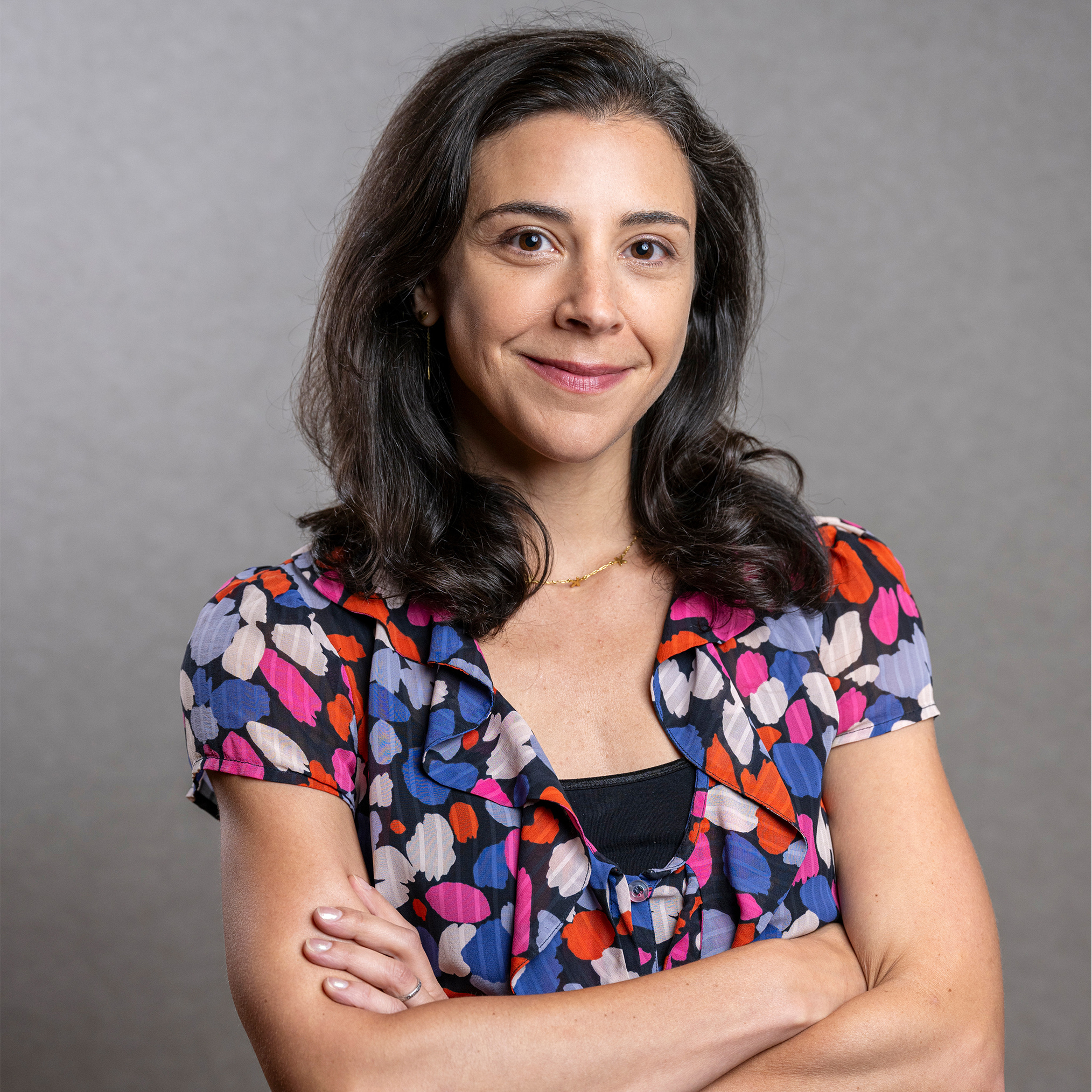
We're so excited to have Talia Berman with us today, who has had a very decorated career across many different positions within hospitality and is currently a Partner at Friend of Chef, which is one of those “if you know, you know”-type of firms. But I don't know if that was done on purpose, but it's definitely a group of folks who I highly respect, and I think has probably touched many, many guests and hospitality folks without them even knowing it.
So I will leave it there and keep that little air of mystery up there, but we're here to really focus on Talia, and her career path, and how she got to where she is, and some advice that she learned along the way. So Talia, take me back to how you got started in this industry.
GUEST: TALIA BERMAN
Oh God, hi Alice.
HOST: ALICE CHENG
Yes, welcome.
GUEST: TALIA BERMAN
It's lovely to see you and be here, thank you. You know, this is a hard question because in many ways it feels like I've always been wanting to. Like I was five years old, putting cleaning supplies on top of a plate and pretending it was my tray and playing waitress. I've always loved restaurants and hospitality and being in the mix, the action.
I think, like many people, I was waitressing during grad school and much more interested in the waitressing than in the grad school and couldn't quite figure out how to marry the two. But I think that what, I had a moment, I was working at Michael Jordan's Steakhouse in Grand Central Terminals. It was my first job as a manager, and the job was really hard. Grand Central is, it's insane.
HOST: ALICE CHENG
I was gonna say, I remember that space. Anyway, I'm sure you have many stories. That's for a different show.
GUEST: TALIA BERMAN
It was a whole other thing, yeah. And it was nothing like I expected or anything like that. And it was also the challenge is I now realize how crazy it was. I didn't know then, but I still loved it. And I think I was so happy being in the magic and the mix. It's such a diversity of talent and group of people that you get to see every day. And I think the unlikely stories are what drew me in from the jump. You know, people who don't deserve, or weren't born, or you get access to success and fame and glory and all that goes with the successes of a restaurant. So I just loved it. I just wanted to watch it, frankly. And originally, that is what I thought I was going to do. I thought I was going to write about it. But it turns out I wanted to be in it.
HOST: ALICE CHENG
Working there, was that really when you were like, “I could see myself in this”? Or you're still just enjoying the vibe, the energy and saying, “This is a great thing [I’ve] got going on”?
GUEST: TALIA BERMAN
Yeah, I think the turning point for me, and I know it sounds a little cheesy, but it's just so true. So I waitressed during grad school, I was working at Michael Jordan's, and one of the other managers gave me a copy of “Setting the Table” by Danny Meyer. He's like, “You seem to care about this more than the rest of us.” He's like, “You're asking a bunch of questions. You seem more invested. You should read this book.”
And for me, reading Setting the Table was like the academicization of the industry, right? Before I was just like, “oh, we're all a bunch of pirates” and “oh, it just worked out,” “oh, that's fun.” Or New Year's Eve and Thanksgiving, you know, just the magic of it, the romance of it was all very appealing. But it wasn't until I read Setting the Table that I was like, there's a higher pursuit. There's a real reason about what we do. There's a real gratification that doesn't just end at the end of the shift.
Because that's a type of gratification that's amazing. You'll never feel more tired or more fulfilled than a 10-hour dinner service. But reading that book grounded me and really solidified and articulated for me a lot of the things that I've been thinking about. So I think that was the moment where I was like,
okay, this is gonna be real. Let's do this properly.
HOST: ALICE CHENG
Nice. So where did you go from there?
GUEST: TALIA BERMAN
Union Square Cafe.
HOST: ALICE CHENG
Yeah, I mean as you do, right? That's just a logical step.
GUEST: TALIA BERMAN
As one does. Listen, I will always pick up the phone. I will always walk out in front of traffic, and I wrote an email to Danny. I guessed his email address. I wrote him an email. I was a manager at Michael Jordan's. I made sure to quote the book a ton. Because I didn't even have to, I was obsessed with it. And he wrote me back, and he said, “We need a manager at Union Square Cafe.”
Fast forward and there I was, and that was my real indoctrination and learning. That was when the education I think really began. The love was already there, and then the learning sort of catapulted at Union Square Cafe as a dining room manager. And the old one by the way.
HOST: ALICE CHENG
Yes, I was just chatting with Dan [Kluger], and he was saying how he was there as well. And I was like, yeah, that kitchen, those stairs, those stairs. I will… I'm never going to forget those stairs.
GUEST: TALIA BERMAN
No, that wine room. Oh my gosh, the wine rooms. But I didn't know any better.
See, this is the thing. It wasn't until I started consulting. That was what it was to me. I grew up in New York City restaurants. To me, there's so much magic and glory and real value in making it work and within all kinds of different spaces. That's where the magic happens, right? If you have to work for it a little bit.
When I started consulting first and working on all these projects in the Midwest and places where square footage is at a different premium, I was like, “Well, why is the office so nice? People are gonna just be in it if the office is this nice. This doesn't work for me.” Like, I think the office is in a basement with no windows where everyone, six people share the same computer. That's how the restaurant works. And I stand by that to this day.
HOST: ALICE CHENG
Yeah, and I don't want to skip over this–I'm going to rewind a little bit here. You started a career as a personal assistant to Gael Greene. You can't just skip over that.
GUEST: TALIA BERMAN
Well, I certainly think and feel about her every single day, so yes, I did. She was a hoot. She was, I think, in her mid-70s, late 70s when I was working for her. I started her Twitter account for her. I convinced her to do it, which she got over 100,000 followers within a few months. She was born for Twitter.
In the early days, remember, some people just got it and knew what to do right away? She was like, it was too nuts. And I learned a ton; she let me dine with her. She had some very intense idiosyncrasies that didn't bother me. You know, I'm very practical. And yeah, I worked for her for two years. She was great.
HOST: ALICE CHENG
Nice. I just needed to give that its due, its proper airtime. So, okay. So you're managing at Union Square Cafe…
GUEST: TALIA BERMAN
Yeah, I appreciate that. It's another podcast.
HOST: ALICE CHENG
Yeah, exactly. We're going to have a couple of spin-off shows, episodes off of this. And you're at Union Square Cafe, and you're crushing it, and now you're thinking about what's next.
GUEST: TALIA BERMAN
Sure. From Union Square Cafe, I wanted to grow. I've always been very ambitious; ever since I was five my friends' parents called my parents to say that I was being bossy. I just like to do everything. I want to be the big boss. I don't want to listen. And so I wanted to grow. I took a job. A mentor of mine said, “Pick a lane. If you're a dining room manager, choose beverage or choose the door or choose private dining.”
So I took a role at Patina Restaurant Group at Lincoln Ristorante. I worked for Jonathan Benno and Paolo Novello at Lincoln. And I did private dining there, which was amazing. I planned Laurie Tisch's daughter's wedding rehearsal dinner, right? Like it was crazy big Lincoln Center events. And Lincoln had just opened, and they had just gotten one star–or two stars. The famous pan for the $25 single scallop dish that no one will ever forget. And it was a really special restaurant. I learned a lot about work ethic and commitment, and everyone working toward the same goal. I also learned how to do private dining, which came in handy and continues to come in handy.
I always say like, the “Pick a Lane” advice is great when someone needs to be oriented, but I think you just need something to talk about in the early days. Like if you come in for an interview, and you've been a dining room manager, and you can do everything, you won't interview as well as if you're able to really get passionate about running the door, right? Or managing a reservations book or a tech stack or kitchen relations. Or any of the different areas that there are, getting really good at something is really, really helpful, I find. Even you can switch back later.
HOST: ALICE CHENG
Yeah. Well, I mean, that's a great piece of advice because I feel like oftentimes, people can get stuck with, “Well, I know how to do everything,” but now it's next level. It’s like, find the area that you want to go deeper in and build a stronger set of skills in, because that's really going to differentiate you from where you want to go in the future.
GUEST: TALIA BERMAN
Yeah.
HOST: ALICE CHENG
So you had some, I would say, picking lane, career defining, experience, and skill building, and then you decided “what's next?”
GUEST: TALIA BERMAN
Yep. And I took the job as a private dining manager. I was the private dining director at Lincoln, and that was amazing. I wanted more, and I was ambitious. I wanted to run the whole show, not just the private dining show. But I was, I don't know, 20-something. So what was available to me was a smaller stage. So I moved over to Tia Pol. Tia Pol’s still open. It's just had their 20th anniversary. It's an amazing restaurant on 10th and 22nd.
I took a role as a GM, and it was all mine, and boy did I love that. I mean, to be able to… You know, there's so much that's unpredictable about our business and when you think about whether you should be in it, right? Like when you think about, “is this really for me?” I often do that stress test. How well do you bear unpredictability? In fact, how well do you crave it? And coming into a role like Tia Pol, where I had control over everything that you could control, then I could just leave the unpredictability to the unpredictability and almost revel in it.
And it was one of the real turning points for me where I was like, “Okay, I have to–I'm always going to be in this business. There's nowhere else I'll go” was during Hurricane Sandy at Tia Pol. So Tia Pol is on 10th Avenue. It's past the flood lines. Plus the kitchen is in the basement. So there was a serious… it was a complete disaster. We were closed for a long time, but four or five days after Hurricane Sandy, the beverage manager & myself went over to the space. And we're in the basement. We opened up this refrigerator door, and there was octopus inside that had been unrefrigerated for, like, five days. And believe me, you’ve truly never smelled anything worse. And also, by the way, I'm still up to my knees in water with God-knows-what inside of it.
And I kind of thought I was going to pass out, but my first thought was, “Okay, so it's just olives and almonds and candles and wine for when we reopen.” Like that was my thought. And I was like, “What? Who are you?” Like, go throw up like a normal person and then quit and go home.
And I think the fact that I just wanted to get open. The city was so–I'm sure you remember–it was a terrible time. All I wanted was to create these like warm spaces for people to gather and drink together and, you know, mourn and celebrate and just be together.
And I know that nobody does that better than restaurants. So I was so anxious and I was like, this is my moment. And I can tell you some of the people around me were like, “Can I just go upstate and forget this ever happened and come back when it's fixed?” And given that wasn't my response, you really gotta listen to yourself, right? I was like, I'm meant to do this forever.
HOST: ALICE CHENG
Yeah, so when did you start, you're running the show there. Clearly you enjoyed being in control. One of the wonderful things that I love about you.
GUEST: TALIA BERMAN
Unembarrassed. Know thyself.
HOST: ALICE CHENG
Exactly. And when did you know that you were ready for the next challenge?
GUEST: TALIA BERMAN
After Tia Pol. I think a lot of times in this business–and I'm told, everywhere–you have to take advantage of every opportunity. I really loved the people, and the restaurant I still do, you can hear it in my voice. So I decided, it was small, right? It's a 40-seat restaurant, and I wanted a bigger stage. And the other restaurant in the company was you know, the GM role was coming up. So I thought, it was really soon, I hadn't been at Tia Pol for very long. But I put myself up for it. And I remember the owner saying, “I knew you were going to ask for this. I knew you were going to go” because she's like, “You've been here for five minutes. You're already asking.” And the restaurant that I'm talking about was Maysville. I was on 26th Street, an amazing restaurant. It was open for a long time.
HOST: ALICE CHENG
I loved that restaurant. It had a beautiful bar that was a great, happy hour spot. Yeah.
GUEST: TALIA BERMAN
Yep. Yeah. A beautiful P&L too, I can tell you that much. It was such a great place to work. And it was a relief for me. That was a big step up. It's a 125-seat restaurant, a named chef, Kyle Knall. So it was very different than a beloved neighborhood tapas bar that was open for dinner and brunch. But I wanted the opportunity, so I asked for it, and I didn't really take no for an answer.
We came up with a deal where basically we had an interim situation where I would spend six more months at Tia Pol. And I've done that a lot in my career, where I've asked for something before my partners think I'm ready. So then we kind of strike a bridge. “Okay, fine, I'll stay here a little bit longer” and then “I'll come over to you” or “I'll come over to the bigger job when… somewhere in between when you think I'm ready and when I think I'm ready.”
I think for me, one of the lessons learned there was that don't be afraid to manage up. Don't come to someone with a question, come to someone with the solution that you want. And then the two of you together can surface the question. I find that the person who wants the job the most is the one that gets it. So often. Qualifications be damned. Passion, drive, commitment, and asking for what you want will win. At least that's how it's worked out for me.
HOST: ALICE CHENG
Yeah, no, that's great sound advice. And obviously, having the track record to back that up, back up your ask, and only you will know when the timing is right. There's an art to the approach, I think.
GUEST: TALIA BERMAN
Yes, yes, absolutely. It's very true.
HOST: ALICE CHENG
But that's really important for people. I think too often people get into their rhythm, which is great. And if your goal is to stay in that rhythm and have continuity and consistency, great. But if and when you get that additional bug to move forward, I think there is an art to getting the right support from the people who have supported you. Then also making sure that you've consistently shown up for those people or that job, etc. It's a huge but very small industry.
GUEST: TALIA BERMAN
Yes. Absolutely.
HOST: ALICE CHENG
And, you know, I don't think that has ever changed, you know, year over year.
GUEST: TALIA BERMAN
Very true.
HOST: ALICE CHENG
So after this, right, I see–and I'm cheating a little bit because I'm looking at your Hospitality Career Path–after this, I see this string of academia.
GUEST: TALIA BERMAN
Right, yes, that was kind of all throughout. Will Guidara introduced me to the Dean of ICE when I was at Union Square Cafe. He's like, “You seem to enjoy teaching and training and talking and…”
HOST: ALICE CHENG
And bossing.
GUEST: TALIA BERMAN
Yes, and bossing. I mean, he was a great friend of mine back then as well. You learn from high, high performers. It's just, like, there's an osmotic effect, honestly.
So I started guest lecturing at ICE all the way back then. I'd been a manager for five minutes, but it was amazing because I wasn't that much older than the students. So they loved to hear someone like, “Oh, I could be doing this in a few years.” And then I got older, they stayed the same age, and they sort of followed me. I've had classes, they used to come visit me at Lincoln, at Tia Pol, Maysville. I would do virtual classes in the pandemic. Actually before the pandemic, when I moved over to consulting a little bit more, they asked me to start teaching full time at ICE, which I did.
I was dealing with personal, you know–having babies, getting married, not always conducive to…
HOST: ALICE CHENG
Life.
GUEST: TALIA BERMAN
Yeah, exactly, you know. Opening bottles of wine at two in the morning, not exactly the same skill set.
Anyway, so I thought, “I'm gonna lean into the teaching,” because there's so much about managing restaurants that overlaps in terms of what I enjoy: growing people and seeing them exercise their passions, shape their futures, take control of their own destinies and things like that you see in restaurants all the time. And the same goes for ICE. And from ICE, I went over to NYU. I don't teach at ICE anymore.
I teach a class called Food Entrepreneurship, which is so fun. It covers everything. It's like a primer on the restaurant industry, but it also covers food retail and CPG. And as much as I can, I include guest speakers. Because we have such a great network here at FOC, and through all of my years working in restaurants, I can call almost anybody. So we get great speakers and best of the industry. And it's really fun. It's good entry point, I think, for lot of people.
HOST: ALICE CHENG
Yeah. And it also shows folks–not just young folks, because I think anyone who can enroll in this class–that there are different ways and different directions that somebody can take these skills, this passion. And that's really important. I feel like–and I don't just “feel like,” the data supports it–that this industry is the biggest feeder into the working population in America.
I always love it when you're listening to an interview or you see somebody you wouldn't think or know, but they're like, “Oh yeah, and I started out as a busser or dishwasher or waiting tables here and there.” It's really important to kind of look back and look forward and say, “you can figure it out.” It's not going to be easy, but if you surround yourself, and you really put your time and effort and show up, things will kind of… not fall in place–you have to make things happen. But there are opportunities.
GUEST: TALIA BERMAN
Absolutely.
HOST: ALICE CHENG
So I love that. And you're still doing that now, right?
GUEST: TALIA BERMAN
I am, yes I am teaching tonight.
HOST:ALICE CHENG:
Because you don't have enough going on. So let's just keep piling on more things, right? I love it.
GUEST: TALIA BERMAN
It feeds different parts of my soul. I don't have a couple hundred people reporting to me anymore that I can grow from cashier to head baker, or bartender to events manager. That's not my life anymore, and I need to scratch that itch.
HOST: ALICE CHENG
I love it.
GUEST: TALIA BERMAN
So my students feed me, and I won't give it up even though yes, you know... It's a lot of work. We'll complain about that. That's a different podcast too.
HOST: ALICE CHENG
Yeah, right. I love it. I mean, I think that's drinks, not podcasts. Okay, so tell me about Levain, because I love the cookies. And they've gone through some some incredible growth, which, without a doubt, had to also do with like a great foundation. It was put in place from operations, etc., while you were there. So tell me a little bit about your time there. And did you have, like, unlimited supply of cookies? Because that's really all I really care about.
GUEST: TALIA BERMAN
I did have an unlimited supply of cookies, and it was amazing, and they did not get any worse. In fact, they got better, and it was a problem. But what I figured out was that if you eat one entire cookie, but nothing else, it's kind of okay. So I was on that diet for a little while.
HOST: ALICE CHENG
I'm gonna adopt that. I'm gonna adopt that.
GUEST: TALIA BERMAN
Eat it at like four o'clock when you're dying of hunger.
HOST ALICE CHENG:
Oh, not at 11:30 at night when I'm getting through my second shift? Okay. Got it.
GUEST: TALIA BERMAN
Maybe a little bit of both. Listen, Levain is an unbelievable company. I can't say enough. I'd never worked in a bakery before, much less a wildly successful bakery like Levain. So I'd only ever worked in restaurants. I'm accustomed to restaurant economics. So imagine my eyes after having worked there for two months, and I get a sense of what their business looks like, what their P&Ls look like. And I was like, “I'm never working in a restaurant again. You people are crazy. This is amazing. We should all be selling cookies!”
The thing that I love about the company, and I'll tell you about my experience specifically, is the way that a lot of the groups I've worked, a lot of them…
I realized one of the patterns is that we have, in Pam and Connie–the founders–they didn't have a business plan and a go-to-market strategy and an expansion strategy and pricing escalation plan or anything. They just were them, and they really paid attention to their customers. And we say the customer makes the menu. We say you've got to win the neighborhood. We have all these expressions that are all so true. But seeing them in real life come to fruition and the manifestation of all of that was so gratifying for me.
The brand really stands up to itself as being beloved within the neighborhoods that it operates in, beloved within the teams, the founders. There's so much there that is just so appreciated. And they're not overthinking it. Like, it's cookies, and they really don't try to make it more complicated than that. And I think that was what attracted me to it.
I started working there in the heat of the pandemic. It was September of 2020. So it was kind of just what I needed, right? I was like, oh wow. Levain is an essential business, right? ’Cause it's a bakery, so it's open. But imagine the experience; I was given the directive “keep the staff safe.” I could have been given the directive, “make as much money as you possibly can.” Not to say that I wasn't told to do that also, but the first thing that I was meant to do was abide by all the capacity guidelines, and make sure everybody's comfortable, and keep the doors open with safety as your first.
It's so refreshing, right? That's not a knock on previous places that I've worked, but when you have such a healthy business, the way that Levain is, when you have such a beautiful P&L, as I say, you can afford to do things like that. You really set yourself up. And I think that restaurants who are able to do that and group business models that can provide the way that Levain did was just, I mean, there's really nothing better there.
And it was a race. I opened four bakeries in a couple of–two or three–years, something like that. One of them was the reopening of 74th Street, which was an unbelievable experience. It was like coming home, because people were waiting for the original. We had closed because it's 350 square feet. Like, we cannot abide capacity and social distancing guidelines in a space that small. So being able to reopen was just a wonderful thing, and everyone was so happy. I think they're, you know, they're really headed for the stars if they're not already there.
HOST: ALICE CHENG
Yeah, no, absolutely. And I've been eating the cookies for years and years. I was lucky enough, they had me speak, come into the office and speak to the team not too long ago. So I got to meet them. And just hearing the story: they were friends that started out as triathletes or something. And they needed to get the most calories and whatever.
GUEST: TALIA BERMAN
Oh, it's an energy cookie, just so you know. This is what I tell myself. I'm like, I'm not gonna have a KIND bar. I'm gonna have like half of a Levain cookie, because it's the same. It served them back then. So, you know, you can tell yourself whatever story you want.
HOST: ALICE CHENG
I like it. I like it.
GUEST: TALIA BERMAN
But they're amazing. And they're also still so… they're so passionate, so involved. I was able–even though we had hundreds and hundreds of employees–I was able to develop a personal relationship with them, which I don't think is that common. So I'll always be grateful for that experience.
HOST: ALICE CHENG
Yeah, yeah. So thank you for sharing. So now I have additional things to add to the joy when I'm eating these cookies. Every time–and I promise we'll move on from these cookies–but every time I'm online, I'm like, “Okay, I'm not going to overbuy because, I'm just going to eat them. Or we're going to eat them; my husband and now my daughter also loves them.”
But then right when I get to ordering, I have to double up because I'm like, “Well, I'll put it in the freezer, right? I'm just going to put it in the freezer when I get home.”
GUEST: TALIA BERMAN
Yeah, you do. I know. I know. And they're so smart. They always offer free shipping on the bigger package, so it's the same price to get the smaller. I'm like, this is annoying now.
HOST: ALICE CHENG
Yeah. Yes, they're awesome. And they really reeled us in when they started giving my daughter the stickers. Now she wants the stickers. I mean, like genuine hospitality turned into brilliant sales tactics. Anyway.
GUEST: TALIA BERMAN
Yep. Yep, Totally.
HOST: ALICE CHENG
So, let's get to what you're currently doing because it's so interesting. Well, I'll let you get into it. And we'd love to hear the exciting things happening, and where you focus, and what's next.
GUEST: TALIA BERMAN
Sure. So yeah, you gave us a little bit of a mystery intro, so I'll try to get a little bit more deep in. Friend of Chef, we've been around since 2009. Started off in the library at the Nomad, was our office. And the work that we do is, we are Friend of Chef. That nomer, that is true. Right?
Like we have 30 or 40 chefs that we do a lot of work with. We help them grow their business/businesses. We look at what deals are being offered, how they want to expand, how they want to fix their existing businesses. We really try to work with them. We're all former operators. We've all been in the business. We all have different skillsets but coming together. And we also work with the landowners, right? We have relationships with the real estate developers and a lot of cultural institutions, hotels, municipalities. And we help them figure out how they want to feed their people. And that's the core of the business.
So they come to us with a problem, or they come to us with what they think is their problem, which isn't always their problem, but we help them figure it out. And the reason this company is so perfect for me, and the reason that I think it's so important, as far as the work that we're doing, is because I can't think of a better way to change hearts and minds than through food. Right?
Like if you have a problem. Like, if you're a municipal, if you're a cultural institution, and nobody's visiting your museum anymore–because you've kind of aged out, and the neighborhood's died, whatever it is–how do you convince people to come back in? Is it by a partnership with Nike? Like, maybe might help, but what about a restaurant? What about an active restaurant with a chef who can draw new attention and think differently about your building, about what you're trying to do inside of it. And time and again, it's been proven.
And there's easy examples that are super obvious, and then there's incredibly complex stories. Like we were working on the Metropolitan Museum of Art. We did Tatiana at Lincoln Center. We redid the restaurants at the Whitney Museum, the Brooklyn Museum, the Paris Art Museum in Miami, the Broad in Los Angeles…
HOST: ALICE CHENG
Rock Center.
GUEST: TALIA BERMAN
Rock Center. Rock Center is a very interesting example, right? We have 14 restaurants that we did in Rock Center. And what was the problem there? Why did we need to do those restaurants? What was wrong with Sea Grill or Rock Center Cafe or whatever else was there?
Well Rob Speyer came to us and he said, “No New Yorkers go to these restaurants.” Like, “We're busy when the treelight is lighting, we get tourists year round, but the people who work in the building–the two million square feet of office space that we have–they go downtown for dinner. And we don't want them to have to do that anymore. Like what can we do?”
So we said, “Make restaurants OF New York. Bring restaurateurs from around the city that are beloved, that are proven, that are small, and have them open restaurants here. Because that's where your constituents are going. That's where your office tenants are. And you can give them the gift of time. They don't have to travel 20 minutes on the subway and 20 minutes back to get back on the train. They can just go downstairs.”
And moreover, there's pride, because they get to say, just come downstairs. I have a beautiful restaurant, Jupiter. Right? Like the ladies from King, Jess Shadbolt and Annie Shi, opened a pasta restaurant down in the concourse level at Rock Center. You couldn't get that kind of food there before Jess and Annie moved in. So I think that's been incredibly successful. It's really helped.
And by the way, changing hearts and minds, there's a financial value to that too, right? Like Rob/Tishman and Speyer was able to lease the 2 million square foot of office space in the pandemic, in large part due to the restaurants and also to the retail. They developed a similar strategy around retail as well. And Rock Center is completely transformed from what it was 10 years ago. And who would have thought that Greg Backstrom–owns a bunch of awesome neighborhood restaurants in Brooklyn–would want to in Rock Center. Well, guess what? With the right relationship and the right partners, knowing he's going to be next to Jupiter and NARO, which is owned by JP and Ellia Park, he's going to do it. And he did it. And it's really special.
HOST: ALICE CHENG
Yeah, and I will attest to that because it's somewhat close to my neighborhood. So constantly are strolling in the area, and it's a place that I recommend, you know, restaurants. You know things have shifted when people are calling me and asking me to help them with reservations in Rock Center, right? That definitely didn't happen in the past, right?
GUEST: TALIA BERMAN
That was not a problem before. Not a problem before. And it's a great stage. Think about it; for my company too, it really has to go both ways. Yes, we are paid usually. Our relationship is with the real estate developer or the hotel, but we are Friend of Chef because it has to be good.
If the guys from Frenchette, Lee and Riad, they opened La Rock in Rock Center, and that's been such an incredible boon for them. They've had so much opportunity since then, it's such a hit. It's maybe the most beautiful or most, well, it's gotta be one of the most important, best, most special restaurants in the city, right? Now, they wouldn't have had that opportunity if Rock Center didn't present it to them. So they benefit greatly as well. And I think it has to work for everybody.
There's an old Rich Melman saying that you can't do a good deal with bad people, and you can't do a bad deal with good people. And I think that holds true. Like nowhere is that more evident than in the Rock Center relationships.
HOST: ALICE CHENG
Yeah, yeah, no, I love it. You know, we're “Culinary Agents.” Right. And originally, when I came up with that name, even though we're all positions–front of house, back of house, etc.–it was with the thinking of, “There needs to be like agents that are helping the talent grow and navigate.” Right? Because it's hard. It's hard to. You can have a dream to start your own business, and you can have all the talent and skill. But if you don't find the right people, or if you don't understand, and you don't know what you don't know, you can't connect into the right situation. It could make things a lot more difficult for you.
And so to your point and your example of giving talent and opportunity to grow their businesses beyond where they're already currently successful, but in, dare I say, a less risky way. It's still risky, right? In general, I think starting businesses are always risky, and there's a lot of unknowns.
GUEST: TALIA BERMAN
Mm-hmm. Sure.
HOST: ALICE CHENG
But it's different when it's done in a way where you trust the folks that are putting together the deal, if you will, or just helping you navigate.
GUEST: TALIA BERMAN
Yeah.
HOST: ALICE CHENG
And you truly know that they understand, and they want what's best for you as well. It's great. And I've known one of your partners for many years, Keith. Everyone knows Keith.
GUEST: TALIA BERMAN
Well, you know, Keith really taught me that. Because I didn't know. So… he, more than anything, has taught me how to listen to the chefs, and he hasn’t even worked in restaurants nearly as long as I have. He's never–I mean, he's owned a bunch of restaurants. He's worked in a restaurant. He'll tell you he's worked in a restaurant one day in his life, and I've worked in a restaurant 100,000 days in my life, and yet he taught me how to listen to the chefs. And I say chefs but I mean operators and he taught me to have time for everybody, and to help steer them, and to not be afraid to tell them what's bad for them.
You know, dealing with creatives–like the true masterminds behind some of these concepts and some of these runaway hits–it's intimidating. And he really taught me that everybody needs their day, right? Everybody. You have to understand what it is that they want. And when they tell you, you have to believe them. And then you have to wait for the opportunity. I never really thought about it that way until I was in meeting after meeting. You know, we spend half our day talking to people that we don't know–who are chefs and operators or want to be chefs and operators–and just learning, just listening and learning. It's a lot of it.
HOST: ALICE CHENG
Yeah, Keith has many superpowers, and one of them is definitely people. And quietly, creatively connecting people that he just knows will connect, like you and I. And ever since I met you, I haven't spoken to him in a while. Tell him I said hi, by the way. I miss him dearly.
GUEST: TALIA BERMAN
Yeah, sure. We'll invite him to drink, maybe. We'll see.
HOST: ALICE CHENG
Maybe. But that's great. That goes back to the whole, “you meet the people and you connect and you hold on to the relationships.” And throughout this journey and this career and this walk of life, if you will, hospitality or not, you'll find opportunities to connect and to support and help. I love that about you. I love that about him. I love that about your company.
That's one of the reasons why–because I come across and I talk to so many chefs and operators and some liaison, just folks who reach a point in their career, and they're like, “Tell me like what's going on. What am I missing? What are other people doing? What are the possibilities?” I love when I connect with someone, and I'm like, “You need to talk to Talia.”
GUEST: TALIA BERMAN
I love that too. I love that too. The work that we do is so gratifying every day, right? Like, I would never be able to do it if I didn't find it that. I think… people who didn't think they could work together, and helping them figure out how to work together to the benefit of both, that's the secret sauce. And that's something that Keith, in many ways, invented.
Some of the deals and the relationships that we're talking about, the ways for restaurants to work with, I call it the landowners, right? Cause it's everybody who owns the dirt, who needs to feed the constituents. You have it coming up with these creative ways for people to work together where everybody's risk is mitigated. The old days, it's a whole new thing. And traditional lease structures, and opening up a restaurant in your hometown because you love cooking dinner on Sunday night, it's too risky. It was risky then, and it's too risky now. But it doesn't mean that the talent can't find a home. And that's what I love so much about FOC. I really think we're able to make those connections and help give everybody those legs up that they need.
HOST: ALICE CHENG
I love it. I love it. Well, let's take it back to you because this podcast is about you. And that was my fault. I went down the Keith rabbit hole.
A couple of things, and then we're going to go into quick-fire here because I don't want to take up too much of your time. So what's one thing that you would go back and say yes to? Is there an opportunity that got away, or you seem pretty in control with your decisions?
GUEST: TALIA BERMAN
Yes. I moved to New York in 2006, and I took a job at Blue Water Grill, and I loved it. And I'm so happy that I worked at Blue Water Grill, but I almost took a job at Hillstone. I always feel like it's the one that got away because I love that restaurant so much. Everyone I know that has gone through those doors has learned just so incredibly much. And I wish I could have worked at Hillstone for a couple of years. That's one.
HOST: ALICE CHENG
Interesting. Yeah, they are known for having a great training program. What's next for you?
GUEST: TALIA BERMAN
What’s next? Well, our company is growing, as you know.
HOST: ALICE CHENG
At FOC, in case you're listening, Keith.
GUEST: TALIA BERMAN
Yes, of course. I'll never leave. Yeah, no, I'm here. It's not. This job and this company is truly the culmination. You know, we get a couple of resumes every week, and some of them, most of them are young people who haven't fully gone through the trenches. And then every once in while, someone who has been around the bend and back again and gets it and understands what you were talking about in the beginning of this. I take every call, but I always take those calls because this is really the culmination.
What's next? We're expanding. We acquired a catering logistics company. We're working on a few other more larger projects with our new partner. We announced our new partner, Ron Parker, back in November, and we love Ron.
HOST: ALICE CHENG
Ron.
GUEST: TALIA BERMAN
He's really gonna help us grow the business and I think in a very meaningful way.
HOST: ALICE CHENG
Dream team over there. Exciting.
GUEST: TALIA BERMAN
Yeah, sometimes it feels kind of crazy. Lots of “pinch me” moments.
HOST: ALICE CHENG
I'm overdue to come have a toast at your office.
GUEST: TALIA BERMAN
I know, you are. Any day, any time.
HOST: ALICE CHENG
How do you avoid burnout?
GUEST: TALIA BERMAN
How do I avoid burnout? You know, I thought about this question. I don't know. I think that you don't...
I have a characteristic that I think is good and bad, which is that I can't do anything that I don't like. If I don't want to do something, I almost physically can't bring myself to do it. And it's really not served me in the past. There have been plenty of times where I'm like, “God, just stop being such a baby and do it,” you know?
Because I have been able to, for the most part, only do things that I like, I don't know. I just really enjoy it. I get tired. I get physically tired.
HOST: ALICE CHENG
Oh, you are human. Okay.
GUEST: TALIA BERMAN
That sounded terrible. You're right. Oh gosh. I should have practiced that answer better.
HOST: ALICE CHENG
No, it's great. I mean, that's literally going to be like the snippet that we push and highlight from this podcast. I love it.
GUEST: TALIA BERMAN
I don't know. I think it's really, look, surround yourself with curious people. Surround yourself with people that are awake at the wheel, and then you won't get burned out. Because I think burnout comes from when you're forced to do things that you thought you delegated or that weren't supposed to be your job anymore. And when you're around people who are constantly asking questions and curious and coming to the plate and are as passionate as you are about the work, that doesn't happen as often. So I don't know.
I've left jobs. Like, I finished jobs. I left Levain, and I wasn't burnt out. I wasn't learning at the pace that I wanted to be learning. It was actually the same problem. The business was so beautiful and so profitable, and it was almost like, okay, well where's the next challenge? I was like, this is working. So I don't know if that's the same as burnout. Sorry, it's not a very good answer.
HOST: ALICE CHENG
No, it's great. Look, for everyone it’s different. I think that's something that… I might even need to rework that question, right? Because it has to do with the combination of what inspires you, how do you keep motivated. People are all wired differently. And some people need more external factors to keep or prevent things, prevent burnout.
GUEST: TALIA BERMAN
Yeah.
HOST: ALICE CHENG
But some don't. They have different things that fuel them differently, right? And at the end of the day, it's like, whatever the balance that works for you, I think the journey is finding the balance that works for you.
GUEST: TALIA BERMAN
Yes, very true.
HOST: ALICE CHENG
And if that means this, that, and the other. And I think where you find that balance is when you are doing things that you want to do and that you enjoy, and surrounding yourself with people that are contributing to that mission and goal and positivity. So I love it.
GUEST: TALIA BERMAN
I completely agree.
HOST: ALICE CHENG
I mean, I'm finding so many insights as to why we became fast friends here, but anyway. All right, now we're ready for quick-fire questions.
GUEST: TALIA BERMAN
Okay, great.
HOST: ALICE CHENG
Okay. What advice would you tell your younger self?
GUEST: TALIA BERMAN
The advice that I would tell my younger self is also the advice that I would tell my older self, which is slow down. And I actually mean just talk slower. Like just talk slower.
HOST: ALICE CHENG
You're like, literally slow down.
GUEST: TALIA BERMAN
Literally. I have found, and I will demonstrate, that if I slow the pace of my words, then I'm able to think more clearly, be more pointed and purposeful in how I communicate and also how I organize my thoughts. And I am more successful, and I truly believe if I could figure out how to always talk slowly, I would be doing anything I wanted to do.
HOST: ALICE CHENG
I love it. I'm going to take that advice. I have been told that too.
GUEST: TALIA BERMAN
Yeah, I think you talk a little bit. You use a little bit of that.
HOST: ALICE CHENG
I don’t know if I'm trying to catch up with my brain or my brain's trying to catch up with me. but whatever.
GUEST: TALIA BERMAN
Well, but this is exactly the point. But you just hit the nail on the head, because if you slow down, if you force yourself to slow your words, and there's so many different ways to do it too, right? Like I just moved to a new office, and I'm adjacent to someone else's, so I'm cognizant of the volume of my voice. Even just having to lower the volume of your voice. These physical inhibitors or disruptors, just for people like us whose brains move so quickly, it's magic, I'm telling you. Works really well.
HOST: ALICE CHENG
Yeah, I love that. I think that's actually like a proven presentation tactic as well.
GUEST: TALIA BERMAN
I believe it.
HOST: ALICE CHENG
So anyway, I'm interrupting your quickfire question, sorry. What's your advice for someone struggling in the industry?
GUEST: TALIA BERMAN
Yeah, that's a tough one. My advice for someone struggling in the industry is to define the struggle because the industry is hard. It is a struggle. There's so many things that are just a slog. And if the things that you're struggling with are the fact that it's passion-lit, everyone's changing their mind, or the unpredictability… You walk in and it's different than it was yesterday, and you just wanted to be able to do the same thing. If the level of risk is too stressful. Those are, frankly, those are not changing. So that tells you something. But if the struggle is it's the wrong role, you hate your boss, the company has terrible HR practices, those are movable feats, right?
So in my mind, it's like, figure out what it is that's bothering you. And I have a question–I just thought of this–whenever I had somebody who was struggling that was working for me, I would haul them into some private space, whatever it was, and I would say, “Do you want me to help you to stay, or do you want me to help you to go?” And that often helps them crystallize. And sometimes “go” means leave the industry, right? And sometimes “stay” means stay but in a new role. And we could talk about all those things, but if you have that framework, I find, to help them figure out what it is that's bothering them, it's always gonna be hard.
You just have to, what do they say? Choose your hard.
HOST: ALICE CHENG
I love it. I love it. And lastly, what's your advice for fellow hospitality leaders?
GUEST: TALIA BERMAN
My best advice for leaders is to have fun every day. We don't work in a bank. As I said, evidenced by the last question, this work is too hard not to make room for fun. You have to laugh. You as a leader too, you have to remind everybody that we're doing something we chose to do, which is bring other people happy. I told you I worked at Blue Water Grill and was owned by BR Guest, and we had these 30 days of service points. And one of them was “A smile as part of your uniform.” Which is terrible, but fair, right?
I think as a leader, I would say, find ways to have fun, to make sure everyone on your team is having fun and remembers what we're all here for every single day. Otherwise, go be an actuary. Nothing against actuaries, but you understand what I mean.
HOST: ALICE CHENG
Absolutely. Well, on that note, I mean...
GUEST: TALIA BERMAN
It's not bad, but they're gonna come for me.
HOST: ALICE CHENG
We'll edit it out. Thank you so much, Talia. So many great snippets of advice here. I definitely had a blast chatting with you, and I already jotted some notes for some follow-on conversations on or offline. And thank you for spending the time, and sharing advice, and sharing a little bit about your journey with us.
GUEST: TALIA BERMAN
Of course, it’s my pleasure. For you Alice, anything.
HOST: ALICE CHENG
Oh, thank you. I’ll remember that. Bye.
HOST: ALICE CHENG
Remember, success looks different for everyone in hospitality. No two paths are the same. If you have a leader or a topic you want to hear about, email [email protected].
Hospitality On The Rise is brought to you by Culinary Agents, connecting top talent with employers since 2012. Whether you’re hiring or looking for your next opportunity, join us at CulinaryAgents.com
For more inspiration, subscribe to Hospitality On The Rise and visit HospitalityCareerPaths.com, a free platform by Culinary Agents.
Until next time, keep rising!