Note: this episode was filmed in 2025.
Links
- Annette (Instagram)
- Annette (Website)
- Traveling Mercies (Instagram)
- Traveling Mercies (Website)
Transcript
HOST: ALICE CHENG
Welcome to Hospitality On The Rise, the podcast about the people shaping the hospitality industry and their journeys. I'm your host, Alice Cheng, Founder and CEO of Culinary Agents, hospitality's go-to hiring platform. And I'm here to give you your dose of virtual mentorship. Here, we'll be sharing the stories, lessons learned, and advice from hospitality leaders who've carved out their own path to success. After all, this industry is where many get their start and go on to do incredible things.Whether you're a pro, starting out, or just love the hustle, this podcast highlights what makes hospitality extraordinary, the people.
HOST: ALICE CHENG
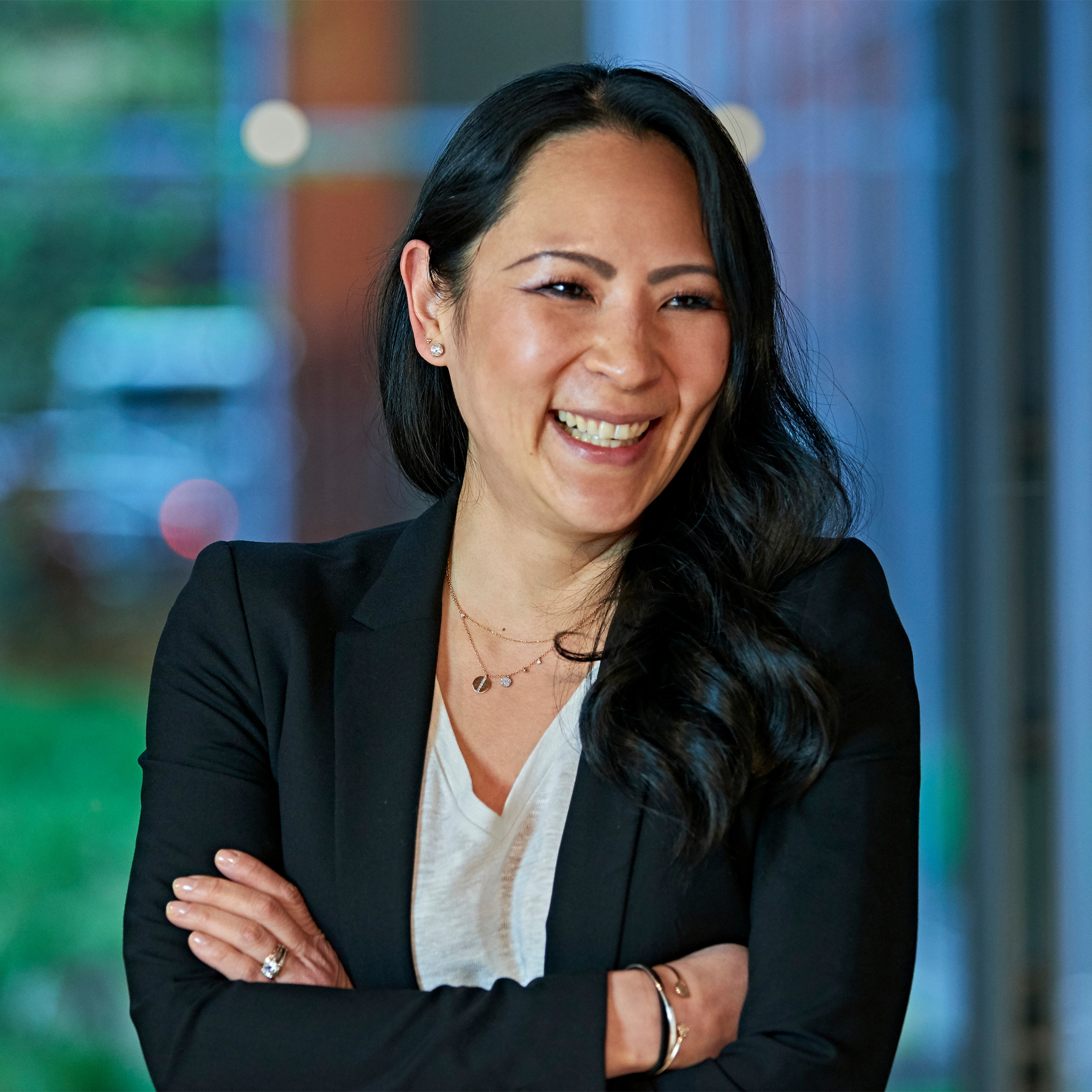
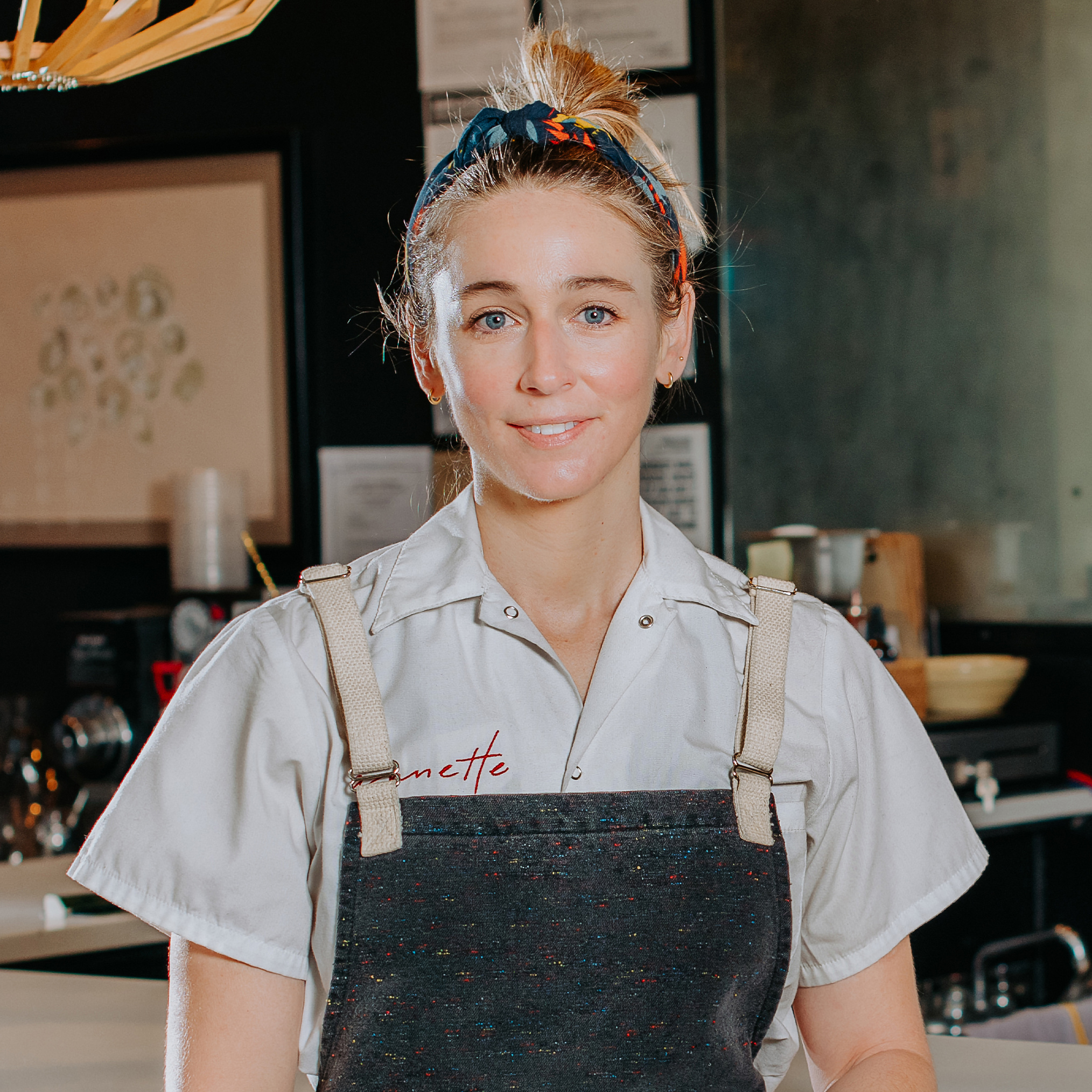
So excited to have Caroline Glover here with us today. Caroline is the Chef and Co-Owner of Annette and Traveling Mercies, both in Aurora, Colorado. She's also the recipient of the James Beard Foundation Award for Best Chef: Mountain in 2022, a finalist in 2020. We got a 2019 Food and Wine Best New Chef, along with a whole other list of accolades for her restaurants as well. But I'm going to stop there. Caroline, welcome. Thank you for joining us.
GUEST: CAROLINE GLOVER
Thanks Alice, I appreciate you guys having me on.
HOST: ALICE CHENG
Yeah, I was very lucky because we got a little chat a couple weeks ago.
GUEST: CAROLINE GLOVER
Yeah!
HOST: ALICE CHENG
So I got a little bit of additional backstories. I'm very excited to share with the audience here. Take us back, like let's roll it back a little bit. Take us back to how you got started in this industry.
GUEST: CAROLINE GLOVER
Oh man, I know, I feel like it's so long ago, I feel so old. But it was basically… I worked at Chili's, the chain, in Texas as the to-go girl when I was 16 and kind of got obsessed with the culture of restaurants at that point. And then I was very lucky, I had parents that took us out to eat all the time, so I was very into restaurants, I just didn't know what capacity.
I went to college for two years and just didn't really enjoy it that much. So ended up dropping out and going to The Culinary Institute of America when I was 20, 21. And that kind of started it for me. And then that put me in New York, that put me at The Spotted Pig, then it put me on farms in Pennsylvania, and then headed back to Colorado. And it's just kind of been a whirlwind of farms, bed and breakfast, Michelin-starred restaurants, and then it all kind of led to Annette almost nine years ago.
HOST: ALICE CHENG
Wow, wow. And you make it sound so easy. I always like to dig into the details there, because I know there's a lot of stuff that happened in between. So starting from Chili’s, I gave a shout out because this industry is just known for being the first employer for young adults.
GUEST: CAROLINE GLOVER
Totally.
HOST: ALICE CHENG
It's one of those things where you could start in one certain type of capacity and then totally end up in a different capacity, and that's one of the beautiful things. So we're going to dive into a little bit. So you went to school, you went to CIA, and from there you landed in Manhattan. How did you end up at The Spotted Pig? Was that just door-to-door knocking or…?
GUEST: CAROLINE GLOVER
Yeah, so it was kind of interesting. Before I went to culinary school, I was living in Yosemite National Park. I was working as a line cook at The Ahwahnee Resort there, and there were a bunch of guys that were there for their externship that were at the CIA, and they were like, “Come on, you should go to culinary school.”
So I ended up going, I just hopped in the car with them and went to culinary school, in a roundabout way. And Percy Whatley, who was the head chef at The Ahwahnee at the time, he was definitely my mentor and took me under his wings. And so when I was graduating culinary school, I wanted to go back to Yosemite. I wanted to go to Ahwahnee. And he was very adamant about not going backwards and moving forwards. And he was like, “You're in New York. You're an hour and half from Manhattan. Why would you come back to California? You need to be in New York City.” And he said, “I know April Bloomfield, she's gonna be coming to The Ahwahnee in a couple months. Would you like me to set up a stage?” And I was like, “Yeah, sure.”
And so I hopped on a train from Poughkeepsie, did a stage, was completely overwhelmed. It was incredible, it was nothing I'd ever experienced in my life. And I kind of feel like I blacked out. I was just like, yeah, I guess I'll do this. You know, I had moments where when I was moving to Manhattan, I was so depressed and so just like, “I don't know anybody here. What the hell am I doing?” But it was the best move that I made for sure.
HOST: ALICE CHENG
Yeah, and I love that story with… how did you start at Yosemite? Were you just like, “I want to work in the kitchen”?” I mean, that works too sometimes, but…
GUEST: CAROLINE GLOVER
Yeah, it kind of helped me. So I'm from a small town in Texas, which was fine. It was like a very conservative, smaller college town, and I was home for the summer. I was super depressed. I just wasn't happy. I just felt not comfortable in my own skin. And so we did a family trip to Yosemite, this huge backpacking trip, and when I was out there, it was like the happiest I had felt in a really long time. And I went to the website for Yosemite just to see what kind of jobs they had available. I saw a kitchen job and I applied and I got a phone interview the next day, and I just told my parents, “I think I'm gonna pack up and move to Yosemite.” And they were very, very supportive and were like, “You're 20, yeah, this is what you should be doing.”
Looking back at that younger person, I'm kind of shocked that I did go through with as much as I did, and I had a lot of fears, but I think just having supportive family that didn't question anything. So that's how I ended up there. It was a backpacking trip, loved it, came home so happy and thought, “I think that's where I need to be for a little bit.”
HOST: ALICE CHENG
I love that. That's so important because sometimes, especially for younger folks who are listening or are in that kind of crossroads, if you will, you can make decisions and go one direction or another, and you could try things and still have time and opportunity to do other things. But when you make a decision, make the most of it. We hear that often. And clearly you did what you did, and you made an impression with your mentor there where he was willing to introduce you to April or help facilitate a stage and give you advice as well.
So it's kind of like, do your thing, do well while you're there and learn, and then doors will open. People in this industry are so ready and willing to help each other as long as that initial trust, if you will, is built, and that trust meaning like, “I trust it if I share you with somebody else or back you in some way, shape or form that you will continue to dedicate and show curiosity and take my name forward” type of thing. So I love that.
GUEST: CAROLINE GLOVER
Yeah, totally. Yeah. Yeah.
HOST: ALICE CHENG
I love that. OK, fast forward. Now we're back in New York. For those of you just listening and not watching, Caroline is wearing a sweatshirt that says “New York” across it. And I love that because I'm based here. But anyway, so you're in New York and you are at The Spotted Pig, which was one of the busiest places on the planet…
GUEST: CAROLINE GLOVER
100%. Yeah.
HOST: ALICE CHENG
Because you also progressed there as well.
GUEST: CAROLINE GLOVER
I did, yeah.
HOST: ALICE CHENG
So take me through the learning and the growth into leadership position there.
GUEST: CAROLINE GLOVER
Yeah, I started as, I think the salad, the garde manger station, in the morning. So it's kind of like the lowest on the totem pole. I think I progressed really quickly because it's, I think especially in New York City, you just have a lot of no call, no shows. You have people that just don't show up to work. And if you're the one that keeps showing up, you get to move up. And I was there for a reason. I wanted to learn. It was the first place I had ever worked that I was totally obsessed with the food and the flavor profiles, and it just blew my 21 year old mind. I just couldn't get over going to the farmer's market, and we had a forager, and it was just a really tough and beautiful kitchen to work in.
But I moved up pretty quickly to sous, probably in a year, something like that. And that was a huge learning curve too, right? Because you go from AM garde manger, then you go to the night line. That's a whole other beast, which is so much fun. We were open till 2 AM. Wasn't getting home till 4 AM. I got up at noon, go for a run, be back at work. And so then when I became a sous, I was an AM sous. So then it switched all over again for me. And so everything I knew, which was this nightlife and all my friends, then I was back to kind of the bottom and the management position.
And so I did a lot of growth there. It was fun, it was a party at times, it was really, really hard. I was immature, right? Like I'm only 21, 22, something like that. And I look back at that Caroline a lot, and certain decisions weren't great, but overall it was one of the most pivotal moments of my life for sure.
HOST: ALICE CHENG
Can you remember one thing, when you were transitioning to a leadership role or management role, one thing that you were like, “Wow, I didn't actually know this” or” I didn't know that this was part of the job or that this was very important”?
GUEST: CAROLINE GLOVER
Yeah, so I tell this story to my sous chef a lot. It was the first time I ever had to be a part of letting somebody go. And it was one of our prep cooks, and he just really had a hard time taking direction from me. I think that there was the gender, there was an age gap, and I hadn't been there that long.
So I kept talking to the head chef, Nate, at the time, just saying, “This guy's not listening to me. He's not listening to me. I don't know what to do.” And he finally said, “You know what? I just don't think this is going to be a good fit. And this is a really important lesson for you that you are in charge. So if you feel like this person shouldn't be on the team, then let's let them go.” And that was my first time to ever sit in on a firing. And it was one of the hardest things I've ever witnessed because it was just this moment of like, “Oh my god. His pay is gone, he has a family.” You know? Just to see everything taken away from this person, I had this moment of like, whoa, making decisions like that have a lot of weight to them.
And so when we hire people, I always tell my sous chef that if we're hiring this person, we really need to be hiring them with the intention that they will be here for as long as they possibly can be, and we aren't gonna let them go. Because letting people go is just the worst feeling in the world, and experiencing that at 22 left a mark on me for sure.
HOST: ALICE CHENG
Yeah, you're absolutely right. I mean, it definitely leaves scars. But obviously those experiences help you become a stronger leader and kind of shape policies and approaches later on as well, as it has.
OK, so where were you after? From Spotted Pig, when were you like, “OK, it's time for something different” or “I need a change” or “What's the next step?”
GUEST: CAROLINE GLOVER
Yeah, so our forager at The Spotted Pig, her name is Annie, she had moved to Pennsylvania to work at Eckerton Hill, which is a farm that sells at the farmer's market, all of them in the city. And they grow tomatoes and peppers. And she came and stayed, maybe she stayed a night with me, and she was so happy, and she looked so different, and I was so beat down and exhausted. And she was just going on and on about how this farm life is so beautiful and that she was living in this farmhouse and then she still gets to come to the city. And she said, “Why don't you come spend a weekend with me? You seem totally just flattened.” And so I went and spent a weekend there, and I packed up basically.
So I had already left The Spotted Pig. I was at Etsy. I was kind of in this like in-between place. So I was working at Etsy. Kitty Greenwald was the food director at the time. This is when coworking spaces had personal chefs and beer pong tables and all that kind of stuff. So I was down in Dumbo. So I was doing that because I just got totally burnt out at The Pig and was this kind of holding place. And so I was like, “You know what? Fuck it, let's go.”
So I moved out to Eckerton Hill Farm. I spent the end of summer and fall there working and cooking and just feeling revitalized. And so when it was time for the season to be over, I decided that I wanted to keep farming and move to Vermont to a Four Seasons Farm.
HOST: ALICE CHENG
I'm beginning to see a little theme of like outdoors, nature, which is kind of the opposite of The Pig, which is like dark and indoors.
GUEST: CAROLINE GLOVER
Totally.
HOST: ALICE CHENG
But hey, diversify. You’ve got to try a lot of things before you know what is the right thing for you at that moment. So I love it. So farm, and then now you're now you're in Vermont. Throughout this time, were you dreaming about, “One day I'm going to have my own restaurant and this is how it's going to be, and this is what's going to be on the menu” and all that stuff or were you just like, “I'm still getting these experiences”?
GUEST: CAROLINE GLOVER
Yeah, I think I had big, lofty dreams. My friend Annie was–you know you always have that friend that's your dreamer friend, the friend that you daydream with 24/7, and they just fill your cup in that way. Those are such important people to have in your lives. And that was that person for me. So I think we were daydreaming about all kinds of things, like starting a farm and a bed and breakfast and all these types of things. But when I was living in the Northeast Kingdom of Vermont, I was reading the New York Times’ restaurant reviews. I think it was Pete Wells at the time. And I was really missing that grittiness and being in a kitchen.
And so through a series of events, there was a big fire at the farm, and I was living with Annie and my now-husband. I had met Nelson through farming, and we decided, I was like, “I think I wanna do a bed and breakfast.” So he was like, “Well, let's go work at a bed and breakfast with a farm.”
So we moved to Colorado to do that, and we did that for a season. It was a really beautiful time, but it also taught me that's not what I wanted to do at all. So it was like one of those things I just got to cross it off. I was like, “Okay, I don't want to have a bed and breakfast. I don't want to take care of people 24/7. But I know I want food to be in my life, and I love cooking.”
You know, it's kind of like things just start to inform, and it's like building blocks. I definitely wasn't thinking restaurant because I just couldn't even imagine where you get the funds. Like, how do you start this? But I felt really good knowing that I knew what I didn't want to do. And I kind of went back to the drawing board when we were in Colorado.
HOST: ALICE CHENG
Wow. Yeah. I mean, process of elimination sometimes, right? And like, you don't know unless you try it sometimes. I go back to–because I'm also getting this theme with your career path, is you make a decision, you try it, and then you decide, “Do I want this or do I not? Was it everything I thought it would be or not?” And then make another decision.
GUEST: CAROLINE GLOVER
Yeah, it's easy to romanticize things, right? Even before opening the restaurant, it felt like it was gonna be way more romantic than it ended up being. But yeah, I kind of have a tendency to do that. Like, go down this rabbit hole of just these grandiose ideas, but it all works out, right? Like we all follow our own paths.
HOST: ALICE CHENG
Yep, yep. And I see that your path took you to Acorn for a little bit.
GUEST: CAROLINE GLOVER
It did, yes. So after I was farming, I was like, “Okay, I'm ready to get back into a city.” And we were living about three hours from Denver, and Acorn was a wood-fired restaurant. It was top of the town. They'd been open, I think, like five months when I joined the team. And I really wanted to learn how to work with wood fire and took that opportunity and get to know the city. I was there for about three years. And during that time, that's when I really started thinking like, “Okay, I could do this.” I also just got to a point in my career where I had my own ideas and I had my own food I wanted to see.
And I feel like sometimes when you get to that point, that's when you know maybe it's time to jump off that insanely scary cliff. And Denver just felt like the right place. It was kind of up and coming. This was like, I don't know, this was like 12 years ago, 11 years ago. And so that's when I kind of started pounding the pavement, looking for spots, but still a sous chef at Acorn, which was really tough. Like, I was not sleeping, but I was so passionate about doing something that there was just not a free second in the day.
HOST: ALICE CHENG
I love that. I literally just put two and two together that probably the last couple of times I ate at Acorn, you were probably in the kitchen. This is like, whoa, wow.
GUEST: CAROLINE GLOVER
Probably, yeah.
HOST: ALICE CHENG
And I remember being like, this place is awesome. Like, the space is great. The natural light's great. The food's awesome. Anyway, I digress.
GUEST: CAROLINE GLOVER
Yeah, I always love it when people have heard of it, because it was a really important restaurant for the food scene.
HOST: ALICE CHENG
Oh yeah.
GUEST: CAROLINE GLOVER
And I think when the pandemic came in and just squashed places, that was one of the casualties. And it's weird now when people don't know about it. I'm like, what do you mean?
HOST: ALICE CHENG
Yeah, that's true.
GUEST: CAROLINE GLOVER
But it only had, what, a five, six year lifespan. So yeah.
HOST: ALICE CHENG
Yeah, and the alumni from there have gone on to do really awesome things, you know, case in point, yeah. Yes, Acorn, say its name.
So you find a space, how did that come about? Were you like, you found a space and you're like, “This is it.”
GUEST: CAROLINE GLOVER
No, not at all. This was not what I envisioned at all. So I feel like that's really important. Your vision, it changes, right? And maybe it's not exactly what you envisioned. So I started looking at a lot of spaces, and working in New York City, that's what I wanted. I wanted a tiny little space and a cute neighborhood. And Denver's really kind of not set up like that. It's a lot bigger spaces. It's not a super walkable place. So I looked at and I found a couple places, but I didn't have a name. And so trying to get a lease, they were giving them to other restaurateurs that had three, four, five restaurants versus somebody that I was just like, “I swear I know how to cook!” And so that was really tough.
And so I came out here to Aurora. There was a marketplace opening. My real estate agent wanted to show it to me, and I was like, “Absolutely not. I don't want to be in Aurora. I don't want to be in a marketplace. This is not what I envisioned.” We came and looked at it, and I was still kind of on the fence. I was just like, “Fuck, I don't know. This isn't my dream!” And that night, my husband and I ordered Chinese food, and I'm a big reader of fortune cookies. I take everything to heart. And I had a fortune cookie that basically said your dreams may come to you in a different way than you expected. And I was like, “Fuck it. This is it. This is… Okay. This is not what I pictured, but we're gonna make it what we want it to be.” And it was only 10 minutes away from where I was living at the time, and they were willing to take a chance on me. That was another big part of it. And I got tenant improvement allowance, and so we just did it.
HOST: ALICE CHENG
Amazing. Do you have that fortune cookie thing?
GUEST: CAROLINE GLOVER
I don't. I wish. I usually save all fortune cookies, and it might– I have piles of them. Because I've made a couple pretty life-changing decisions based on fortune cookies. But, I don't know, sometimes you just need somebody to shake you. And I am one of those people, like I'm a firm believer of signs and all that type of stuff.
HOST: ALICE CHENG
Yeah, well, it certainly pointed you in the right direction there. So you had Annette, and Annette has also had its own accolades. Bon Appetit: America's 50 Best New Restaurant list in 2017, Eater Denver: Restaurant of the Year, and a couple of others. So what was one of the hardest things once you got started and in the space?
GUEST: CAROLINE GLOVER
Literally everything. I just can't believe we pulled it off. I just didn't know what I was getting into. I knew back at the house, right, like I knew I knew how to cook. I mean I brought on my general manager who I had worked with at Acorn, and he's still with me But we were two babies trying to figure out how to run a restaurant, and it was fucking wild. So I'm watching a restaurant open right now. It's in the marketplace, and it's a really incredible restaurateur, and I'm so impressed with the process, because they're having team meetings and doing all these things before they open their doors. We were painting the day that our soft opening happened. The second the health inspector gave us the go-ahead, we had orders waiting to come in. Like I just, we ran out of money. It was wild. I didn't know about PR. I didn't know anything.
And so I had to pull my husband into it about three months into it because I was drowning. I didn't know what to do with these invoices. I didn't have an accountant. All I knew was that I had some money in the bank, and it was going out, and a little bit was coming in. I remember, I think we were like three weeks in, and I hadn't asked my husband for any help, except he was so great emotionally. He would come in here all the time. And I was laying on the restaurant floor, invoices everywhere. I could barely even move. I was so sore. And he was like, “You need help.” And I was like, “I need so much help.”
And you know, I had a really amazing opening crew, and I ran them into the ground, and they stuck it out with me for three years. I didn't take a single service off for the first three-and-a-half years. Nobody ran the restaurant. We had to close one night when I got a stomach bug. I mean, it was wild. It was wild. I don't know how it happened. Luckily we're not like that anymore. And I don't think every restaurant opening has to be that way. That’s just how I did it. I just wanted it, and I went for it.
HOST: ALICE CHENG
Yeah, I mean, I love stories like that because when we talk to leaders and they have a couple of businesses under their belt and probably other projects up in the air, etc., it's easy to focus on, like, “Ooh, you opened multiple restaurants. You must be doing so well” and all this stuff. But I feel like stories like that really help people who are in the industry and/or who maybe have gone through that same, similar in a different color, in a different place. But you don't hear those stories often enough. I feel like there's value to that.
GUEST: CAROLINE GLOVER
Yeah, I was hell-bent on keeping 100% of Annette and not giving any away to investors. And there were just certain things that I really wanted. And nine years in now, I have one other spot, but if I did another big project, maybe I would take on bigger investors and give away equity. But there was something about Annette being my first that I just wasn't willing to give up anything. And I was young enough. I didn't have kids. You know, it was just me and the spot, and it worked for that time in my life.
HOST: ALICE CHENG
Yeah, and I'm going to hone in on that too, because it's also a timing thing and where you are personally and different choices. There are many different ways to open restaurants and fundraise and take investors or don't, etc. Right?
GUEST: CAROLINE GLOVER
For sure
HOST: ALICE CHENG
And I think everything is a give and take, push and pull. And at the end of the day,it's up to you, what works for you. Because these restaurants are like living and breathing things that then employ livelihoods of people and build community, and most people, if not all people, when a great establishment opens up in their area, they want it to live on, right?
GUEST: CAROLINE GLOVER
Totally. Yeah.
HOST: ALICE CHENG
Because it ends up being a third space, a company, a place to meet people, a place to just hang out and have great food and vibes, right? So kudos for getting past, you know, I bet you look back at that time and yes, the funny stories, but you're probably pretty happy you made the decisions that you made at that time.
GUEST: CAROLINE GLOVER
Totally, yeah, I think there's times where I'm like, “Ugh, why did I do it this way? Why did I do it that way?” But it was nine years ago. Social media wasn't a huge thing for restaurants, you know? Everything wasn't, I think there's a lot of openings where everything just looks so beautiful and perfect, and there's a PR team and there's your socials and everything, and I don't think that's wrong at all. That's probably how I would do it now.
But there was something really beautiful and organic, and when I sometimes kick myself, like, why did I choose that font or logo or whatever, and it's like, you know what? Because it was nine years ago, and we were still coming up with our own ideas, right? We weren't being influenced by all these perfect things on our screen, so there's beauty in the imperfection for sure.
HOST: ALICE CHENG
Absolutely, absolutely. And sometimes those perfect things are unfortunately short lived as well.
GUEST: CAROLINE GLOVER
Yeah, for sure.
HOST; ALICE CHENG
So it's a testament to you and the team for sticking it out and still being here. Congrats. And then growing.
When were you like, “OK, it's time for another spot”?
GUEST: CAROLINE GLOVER
Never, except I think as a chef, you're a creative, right? I am really into seafood and into really tiny oyster bars. And I also had some staff that were ready to do their own thing. And I selfishly wanted them to do it with me because they had been with me for so long. And so a space opened up within the building, and it's 400 square feet. It's on the third floor. And it just felt like a perfect natural progression. Like, it's still in the building. I still can be a control freak about it. I'm not being pulled between two places. I can put people I trust, and then we get to do… you know, I got to do the things that I didn't get to do with Annette. I got to hire a design team. I got to have a PR team, and it was really fun. It was a fun opening. It's a super small space. So it wasn't something that was a huge project, and I'm obsessed with it. It's where I want to be. So it was fun to create something that I want to be in.
HOST: ALICE CHENG
I love it. And quickly you got Esquire Best Bars in America list and you were a semifinalist in this year's (2025) Best New Bar for James Beard. So kudos to that and all the things that you have planned for the coming years, all the ideas and the dreaming and then the execution part, right? Which is secondary.
GUEST: CAROLINE GLOVER
Yeah. It is secondary.
HOST: ALICE CHENG
On that note, we are going to go to quickfire.
GUEST: CAROLINE GLOVER
Cool.
HOST: ALICE CHENG
What advice would you tell your younger self?
GUEST: CAROLINE GLOVER
Lighten up. Yeah, lighten up. I think I take things very seriously, and that played a role in success, but it also played a role in the grip being really tight for a really long time.
HOST: ALICE CHENG
What’s your advice for someone struggling in the industry?
GUEST: CAROLINE GLOVER
I think a lot of people are struggling in the industry right now. It's hard, it's tough. And if it doesn't ignite some passion in you and make you feel something after those really long, hard days, it's okay to walk away. A lot of people walk away from this industry, and I think they feel like they failed. I don't think it's a failure. I think that we're all constantly evolving. And if your passion kind of goes away for a restaurant, then you don't have anything left, because you've got to have that passion.
HOST: ALICE CHENG
Yeah, and I'll add now more than ever, there's so many adjacent opportunities. You can take your skills and bring them into other parts of the industry or bring it to something else. There's a lot of things these days that are available that weren't available years ago. So I love that.
GUEST: CAROLINE GLOVER
Totally, and just having the foundation of being in the hospitality industry puts you ahead in so many other industries. What we do in a restaurant is applicable to so many other types of spots for sure.
HOST: ALICE CHENG
What's your advice for fellow hospitality leaders?
GUEST: CAROLINE GLOVER
I think continuing to foster environments that are not “family,” but are geared towards teaching. I think that I come from a background where being mean and an asshole was the way that people thought that they taught. And I'm now in this place where kindness, leading with kindness, taking time to teach people, and meeting them where they're at, and guiding them to where you need them to be. It just makes a better cook, and I can tell when people come to my kitchen that have been fostered that way, because then they treat their coworkers that way too, and it just creates a way better environment in the kitchen. So that's something that I'm really noticing right now. I'm noticing in our own kitchen and how I want to run things, and I think leading with kindness gets your kitchen much farther than you could really imagine.
HOST: ALICE CHENG
I love that. Well, on that note, Caroline, thank you so much for sharing your career path, your advice, your experiences with our audience. It's so nice to see you, and we can't wait to see what's next.
GUEST: CAROLINE GLOVER
Awesome. Thank you so much, Alice. I appreciate it.
HOST: ALICE CHENG
Remember, success looks different for everyone in hospitality. No two paths are the same. If you have a leader or a topic you want to hear about, email [email protected].
Hospitality On The Rise is brought to you by Culinary Agents, connecting top talent with employers since 2012. Whether you’re hiring or looking for your next opportunity, join us at CulinaryAgents.com
For more inspiration, subscribe to Hospitality On The Rise and visit HospitalityCareerPaths.com, a free platform by Culinary Agents.
Thanks for tuning in! Remember to like, follow, and subscribe. And if you loved this episode, share it with someone who could use a little inspiration.