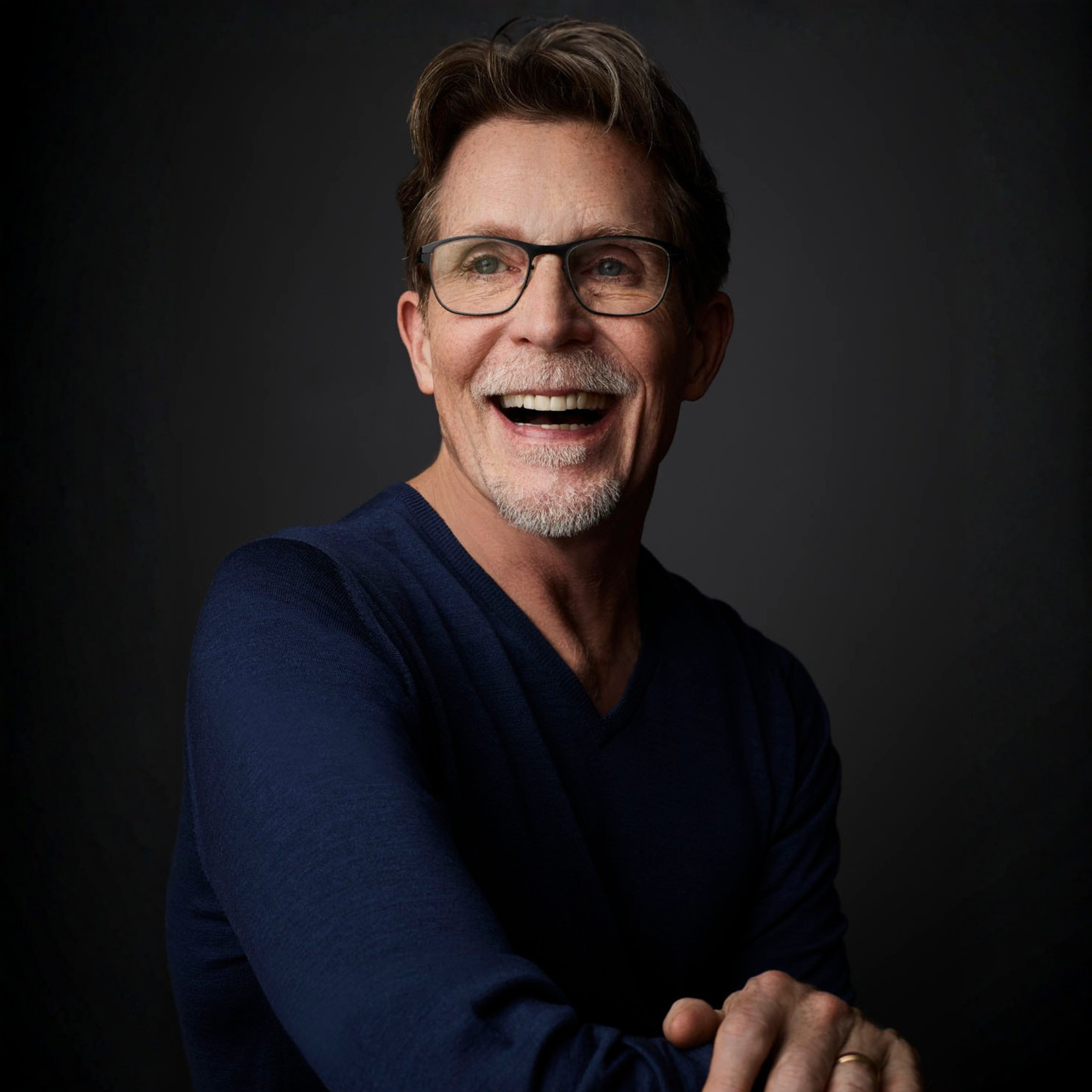
With multiple awards and humanitarian recognition, Rick’s story is a testament to the power of passion, perseverance, and community.
Links
Transcript
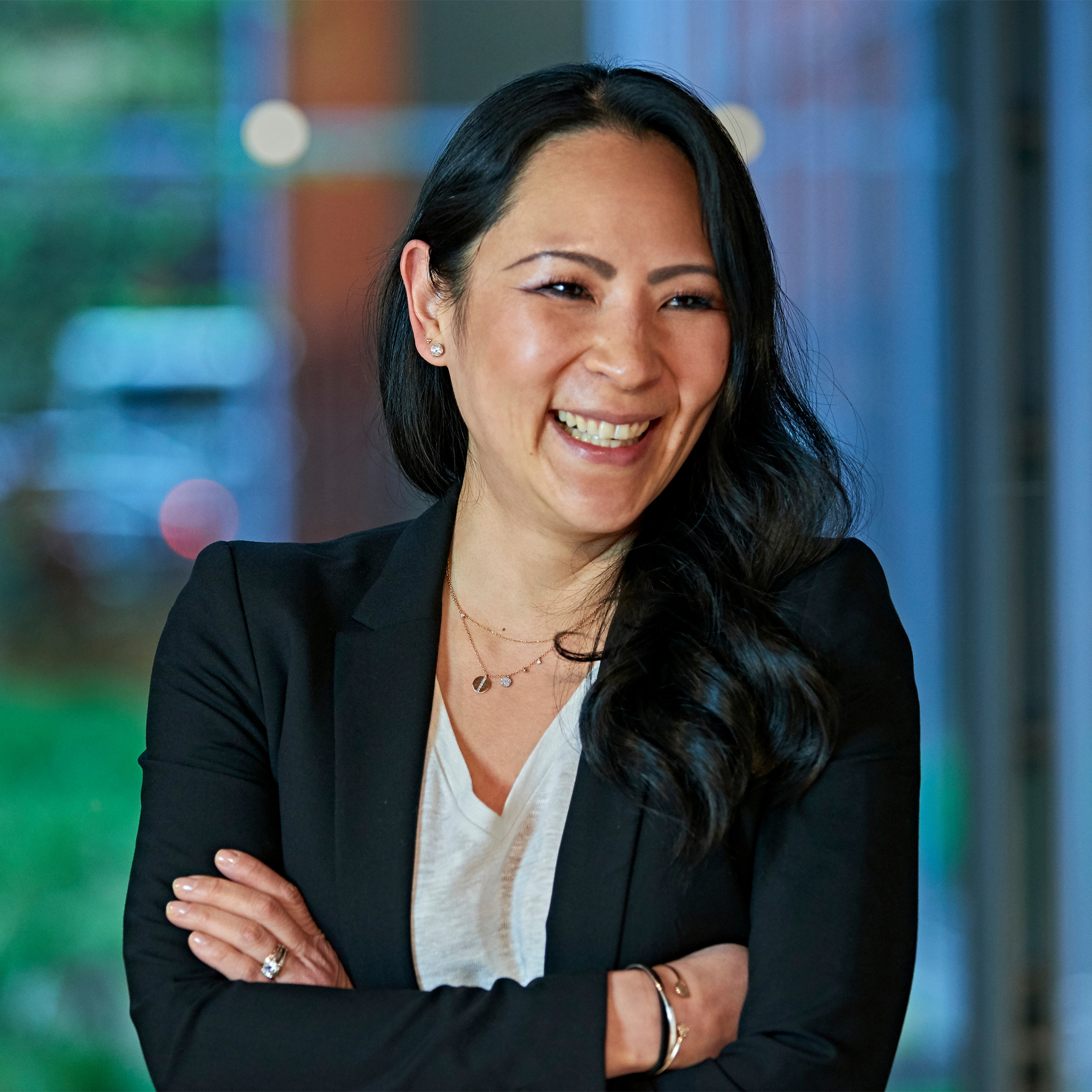
HOST: ALICE CHENG
Welcome to Hospitality On The Rise, the podcast about the people shaping the hospitality industry and their journeys. I'm your host, Alice Cheng, Founder and CEO of Culinary Agents, hospitality's go-to hiring platform. And I'm here to give you your dose of virtual mentorship.
Here, we'll be sharing the stories, lessons learned, and advice from hospitality leaders who've carved out their own path to success. After all, this industry is where many get their start and go on to do incredible things.
Whether you're a pro, starting out, or just love the hustle, this podcast highlights what makes hospitality extraordinary, the people.
HOST: ALICE CHENG
I'm so excited to have Rick Bayless here with us today. Rick is a chef, restaurateur, television personality and author of looks like 9+ books. Maybe there's more in there in the docket. He has had awards and recognitions over the years, including Julia Child Foundation Award, multiple James Beard Awards, including Best Podcast, Humanitarian of the Year, National Chef of the Year, and Who's Who of Food & Beverage in America, Best Chef Midwest. Well this show is only 30 minutes, so I'm gonna stop there. Rick, thank you so much for joining us today.
GUEST: RICK BAYLESS
It's a pleasure.
HOST: ALICE CHENG
I was very excited when your name kind of came into the fold for many reasons. I think for those of you who may or may not know, Rick probably touches your life in a couple of different ways, whether it be his award-winning sauces or, like I said, multiple books, but he's also on shows that you've probably seen over the years. But Rick, what we're interested in is how did it all begin? How did you get into the hospitality industry?
GUEST: RICK BAYLESS
I was born into the hospitality industry. I grew up in a restaurant, and I absolutely loved the restaurant world from the time I was really little. I always, from my earliest years, loved to create things, to make things. And boy, when I got into the restaurant world–and I'm saying that this was, like, when I was five years old, okay–that I started spending my Saturdays at the family restaurant, and it was a small staff of people, and they let me do stuff with them. They didn't put me off in a corner and say, “Oh, here's one little project that you can do that we're not really gonna use.” No, instead they would say, “Okay, we have to chop up all of these bell peppers,” say. And they would let me actually do that from a very early age.
So I was in a kitchen with hot pots and a deep fryer and knives hanging in a knife rack on the side of the prep table. I was around that stuff from the very early age, and it just became part of my world. And so I grew up spending literally all my Saturdays out at the restaurant just because I really loved it.
So I was born into it, took to it. The rest of my family didn’t. I have a brother and a sister, and neither one of them really paid that much attention to the restaurant. But it was the right thing for me. But I knew it wasn't right for me to inherit my parents' restaurant. And I got really into cultural studies and was really fascinated with the culture of Mexico. Did my undergrad degree in Spanish Language Literature and Latin American Studies so that I could go study in Mexico and then went to graduate school in Anthropology and Linguistics, and that took me down another path. But I had a change in my life as I was working on my PhD dissertation and went back into the food. I'd never really left the food world, but I went full-time back into the food world for a while.
And the rest of it is kind of history. My wife and I moved to Mexico and lived there for five years, and we traveled to every single state in the Republic, working on our first cookbook, Authentic Mexican, which was published almost 40 years ago now.
HOST: ALICE CHENG
Wow.
GUEST: RICK BAYLESS
So a long, long time ago when the hospitality industry was very different than it is now.
HOST: ALICE CHENG
My, have things changed. And I love it because, like many stories, you too started in the dish pit and doing prep work and basically all the jobs that needed to be done in the restaurant. And like many other stories, this industry, I say, is like the center of gravity. It's like if you were meant to be in it, it kind of pulls you back in, and then you can bring along with it everything you did in between, right?
GUEST: RICK BAYLESS
I know that there is this general stereotype that all people should really want to work in a mid-level management position in a large corporation. And I call BS on that, that there are so many people in this world that need to be up and moving and creating things and taking care of people. There are so many of us that we find our real satisfaction in life when we can be that way and do those things. And so I say that we have this great opportunity in the hospitality industry to offer a really wonderful place for people to work that don't fit in those mid-level desk-job management positions. I feel very, very lucky to have not only found my calling, but what's right for me personally.
HOST: ALICE CHENG
Yeah, and many thanks to you and leaders like yourself, who essentially have created your own playbook, your own blueprint of how things can be done. And that in and of itself inspires other folks to say, “Oh, these are possibilities. I can do these types of things.”
So you're traveling, you're eating, I'm sure enjoying yourself, writing this cookbook. At this point, were you like, “I want to go back to Chicago and open restaurants and a whole empire”?
GUEST: RICK BAYLESS
Well, it's very interesting because my wife and I had to make the decision. We were going to come back to Mexico or–I mean, we were going to settle in Mexico or come back to the United States? And at that point, we didn't really have a home base anywhere. And so we decided to come to Chicago, come back to Chicago. I say “back” because my wife had grown up here, and we had all of our worldly possessions, the few boxes of worldly possessions we had were in my mother-in-law’s basement in the western suburbs of Chicago. And my wife had never lived downtown, and I wanted to live in a big city, and I said, “Why don't we just try living there?”
We were just finishing our manuscript. We had sold our book, and we were just finishing our manuscript, and Deann, she did temp jobs to pay the rent, and I was doing some consulting work with a company out in California. So every couple of months, I had to fly out there, and again, just to pay the rent essentially.
And we decided that what we really wanted to do was to bring the traditional foods of Mexico to the United States. Because when we say Mexican food–still to this day pretty much–but when we say Mexican food, most people are referring to Mexican-American food. And it's a whole different cuisine than the food that people eat in Mexico. And we wanted to establish a little outpost for those really authentic true flavors of the regions of Mexico.
And so we opened Frontera Grill all the way back in 1987 and just on a shoestring. I mean, we didn't have hardly anything at all to spend on this place. And so we had to do all the work on it ourselves. I grew up in barbecue, and I knew that really well, but I had never professionally cooked Mexican food. So the learning curve was really steep, but people seemed to react really positively to what we did right off the bat.
So we were very lucky in that regard, that we had support of the community, even though– I have to tell you this one thing. And for our listeners, this is an important thing to keep in mind. The first customers that walked in the door of our restaurant, it was a four-top, and they sat down, they opened the menus, they closed the menus. They got up and said, “This isn't Mexican food. You will be out of business in six months.” Well, 38 years later, we are not out of business.
And people began to say, “Hey, these people really are cooking well. They're working with really good ingredients. Yeah, I don't quite know what this food is, but it tastes good.” And so that, as we say, we seduced our community with flavor. And they opened up to hearing the stories behind each one of the dishes, because all of the dishes that we do are rooted in the traditions of Mexico.
HOST: ALICE CHENG
And kudos to you and the team because it's no small feat, first of all, to stay in business for that long. So that's one thing, right? Forget about bringing something different and new to a community that is unfamiliar, right? That means just pile that challenge on top of the other one.
GUEST: RICK BAYLESS
I will interrupt to say that we were sweating bullets yesterday, because the Michelin announcement for everything from Chicago to New York was done yesterday afternoon, last night really. And they have not been so nice to older restaurants. And Topolobampo has had a Michelin star since the inception of Michelin here in Chicago. And for the 15th year in a row, we got that, and we got our Michelin Bib Gourmand for Frontera, and we were so thrilled. Because we're working–I swear we have the the best team we have ever had in the history of our restaurants, but sometimes people are just looking for something new, and they don't really pay close attention to the older restaurants. So we were so… the joy in this restaurant last night just could not be contained. Everybody was going around high-fiving everybody and all that. We were so thrilled.
HOST: ALICE CHENG
Congratulations. You jumped the gun because I was going to highlight that.
GUEST: RICK BAYLESS
I'm sorry about that.
HOST: ALICE CHENG
No, not at all. Hey, this is about you. We can jump all around if you want. And not only because you retain that star, but also because I really enjoy saying Topolobampo.
GUEST: RICK BAYLESS
Good. And you say it beautifully.
HOST: ALICE CHENG
Thank you. And I was so fortunate to enjoy that restaurant several times, including an afterparty, I think, years ago after, I think, a James Beard event.
GUEST: RICK BAYLESS
James Beard Award.
HOST: ALICE CHENG
Award, yeah. So rewind a little bit, because we want to hear a little bit about some of the challenges. So after you open Frontera, and you open Topolobampo a couple of years after or well more than a decade after. So you had some time between first restaurant and second restaurant. Am I seeing that correctly?
GUEST: RICK BAYLESS
No, only two and a half years.
HOST: ALICE CHENG
Oh, two and a half years, sorry.
GUEST: RICK BAYLESS
We opened Frontera in ‘87, and in the beginning of ‘87 and at the end of ‘89, we opened Topolobampo. The space next to us came available, and I was really taken with what Chez Panisse had done, where they had the more casual cafe above the fine dining Chez Panisse downstairs. So I wanted to do something like that, because we started with the more casual, not thinking that our clientele would take the full jump to fine dining.
And so we started with what we kind of called an upscale casual Frontera Grill. It was certainly, it had a lot more going on than what you would find at a corner neighborhood Mexican restaurant, and we changed our menu every week, and we were very ambitious with Frontera Grill. We wanted to put it on the map as saying this is really what Mexican food is. So we pulled out all the stops, but we did it at that sort of upscale casual thing. And then two and a half years later opened the fine dining place.
Because we had spent most of our time in Mexico City when we were living in Mexico. And there's all these fine dining Mexican restaurants there. We had just fallen in love with the elegance of service and the beautiful decor, and we wanted to bring that to the United States as well.
HOST: ALICE CHENG
Yeah, and we're talking decades ago here. So I would say, and I'm not the only one to say this, that you're really pioneering this type of not just Mexican food, but regionalized or specific subtypes. And the diner, as you know, over the years have changed. Diners have changed. The tastes have changed. A curiosity, the travel, etc. So you're thinking about this way back when. And now we've got the diners catching up, really seeking out this type of experience and cuisine, right?
So again, congrats, and as we mentioned before about retaining stars, sometimes it's harder to retain your stars than it is to get new ones. Obviously, awards are just one way to recognize a particular restaurant or establishment, and it certainly helps in [a] variety of ways. So congrats again. What would you say were some of your earliest challenges opening restaurants in kind of a new category, if you will?
GUEST: RICK BAYLESS
I laugh thinking about this, but I would overhear the diners saying things to their friends that they had brought. Frontera, you have to understand Frontera, it's only 60 seats. It's small. And so people would come, we didn't take reservations, and they would literally wait for tables. We didn't have a bar. There was a bar two doors down from Frontera, and this is before cell phones. So we would send everybody to the bar down the street to wait for their tables, and then we would call the bartender at that bar, and we would say, “We have a table ready for the Jones party” or whatever it was. And they would holler, “Jones party, your table's ready at Frontera.” And they would come down and take their seats.
But I would hear the diners telling the friends they had brought to our restaurant, “This isn't Mexican food. This is really Rick Bayless's own creations.” And I would say, “No, no, no. We're trying to shine a light on Mexico. I'm not taking credit for this food. I've learned this food from the regional cooks of Mexico, and I want to offer it to you guys. I'm just the translator here. I'm just the person that is putting it in front of you.” So that was one of the biggest challenges, was getting people to recognize the depth and integrity of regional Mexican food and our role as translators.
But as time went on and more books came out, I mean, our books came out where we really explored them, people would say, “Oh, they really know what they're doing. They've spent all this time doing all of this research.” And between my first book, which we wrote before we opened Frontera Grill, and my second book was 10 years. Okay, so a long time. And I was cooking. I'm one of those people that's very hands-on. And so for the first 10 years of our restaurants, I worked a position on the line. I did not expedite. I expedited from behind the line, but I wanted to know that I could make this food. Like I said, I had never done it professionally before. I wanted to know that I knew it in my bones from having made a thousand versions of one thing or a thousand versions of another plate. And I wanted to know it really intimately that way.
So I spent those 10 years doing that and sort of beginning to write a second book, but doing it sort of slowly, as I felt like I understood things from the inside. And so that book, the one that's called Rick Bayless's Mexican Kitchen, is one that I'm super proud of, because the amount of learning that went into that was not me going around and tasting things from other people, but more me cooking the stuff that I had learned in Mexico over and over and over again. So that was the challenge I needed for myself.
But you know, just learning how to manage. I mean, I'd grown up in a restaurant, so I understood how to manage a restaurant. I mean, I was the son of the owners, and I did everything from washing dishes to keeping the books. It was a small family restaurant, but I learned it all, and I understood how to work with staff. We had very long-term staff, which we also have in our restaurant. I think because I learned how to treat staff and how to create an atmosphere that people felt good in, that they wanted to come to work, and they were challenged, but they were also appreciated. And to me, those are the two things that are super important: to always challenge your staff and also let them know how much you appreciate them.
HOST: ALICE CHENG
I love it. You know, some things don't change, right?
GUEST: RICK BAYLESS
No, they don’t.
HOST: ALICE CHENG
Well, kudos to the way that your family restaurant was run, right? Because I think that's what we see and hear often, obviously different experiences you are learning from them. And sometimes if you don't have the right experiences earlier on, you don't know how or what it could be until you experience different things or decide for yourself that something you enjoyed or you didn't. So thank you for sharing.
At what point were you thinking about growth? Like, how did you think about, “Okay, we have two restaurants, we have staff, have a good thing going, we've got books coming.” Expansion and growth. Take me through how that was brought about.
GUEST: RICK BAYLESS
I will tell you that I'm not one of these people that writes a five-year plan, okay? I might sort of generally know what I think might be the next steps for us, but to me, it's about opportunity and staff. So I am always looking for opportunity. I mean, we're this deep into it, and I'm still thinking about what's the next step for us. When I drive around and I say, “Oh, there's a space available there that used to be a restaurant. Is that something that we should take?” So I'm always asking the question, what should be the next step for us? So I think that way. I think that's sort of part and parcel of who I am and part of my personality.
But I always ask myself the question, do we have staff in place that would like to take that step with us, that would like to grow with us? And usually it means that it gives us the opportunity to promote more from within because I'm one of those people that wants to always say to our staff that there's growth possibilities here. And clearly when you have long-term staff, it's really hard. We lose people occasionally because they know that the people above them are not going to leave. And so the only way that they can grow is to take a job someplace else.
And I'm always sad about that, but I'm always happy when they maybe come back when something opens up and they go, “Oh, I knew one day I would come back to your restaurants, and I would have an opportunity to be here.” And we always keep in touch with people. We want them to really represent us well when they go someplace else. I always think about that. Are they going to represent us well, did we train them really well? So when somebody comes from our restaurant, other restaurants will say, “Oh no, they're gonna be great because they're well-trained, and we know they're gonna do a good job.”
But I also am looking for growth in order to open up places here for more staff to go from within. I will say that I heard another chef say not too long ago, “You know, my cooks, I always know that they're only going to be with us for a year.” And I was taken aback with that because we think that they're still in training if they've only been here a year. And we always call them the new person if they have only been here five years, okay? And a lot of people say, “Oh, that's so crazy.”
But we do not hire necessarily people with all of the training that they need, because I feel like we're good trainers here, and we can offer them support. So we're really looking for people with a personality that will fit into the team. And they have to be people that have energy and want to work, okay? And want to learn, because we're changing things all the time here. So if we're hiring people more for personality than experience, then we spend a lot of time training them, and they know we've invested in them, and they are much more likely to invest in us as well. So we like that. I mean, I have to say we have people that have been here as long as 35 years.
HOST: ALICE CHENG
Wow.
GUEST: RICK BAYLESS
So that's sort of unheard of, I know, in the restaurant business, but like the fellow who's the chef at Frontera, I think he's been here 32 years now. So we have a lot of that. The chef in Topolobampo has been here 20 years. And we have people that do sometimes work here for a long time, go off and do something else, and then come back and take chef jobs here.
HOST: ALICE CHENG
Yeah, well, congratulations. That, again, is another anomaly, especially… Happy to see that the industry is kind of post-COVID, five years, is kind of starting to get into its rhythm.
GUEST: RICK BAYLESS
I’m glad you said that, “starting,” because I think the general public has no idea.
HOST: ALICE CHENG
Yeah.
GUEST: RICK BAYLESS
We kind of lost everything during COVID, and the three years after COVID felt like the first three years of our restaurant. It was like we had to rebuild it, rebuild a team. And yes, some of the people came back, and some of them had high positions so they were never let go.
If they did because we obviously are… Equity is in our staff. And so we were able to keep some, but some of our longtime servers, they had to go off and get other jobs. And when we opened up again, and we said, “Can you come back?” They were like, “I got a mortgage. I've got kids in college, and I really have to get a stable job. And what if they close down the restaurants again?” And we had no idea when we opened up if they would keep us open all that time.
But I will say that we're five years basically since that time now, and we're still rebuilding, and we're still training staff as though it's the first few years of our restaurant. So I'm really happy that you said “starting” to feel some equilibrium.
HOST: ALICE CHENG
Starting, yes.
GUEST: RICK BAYLESS
Lots of restaurants are struggling still, and some of them have closed because their neighborhoods changed so much during COVID.
HOST: ALICE CHENG
Yeah, I mean, I continue to say, hey, if there's a restaurant that you love, go visit it and be a customer as often as possible, and tell everyone that you love it. Because just because there's a line out the door or just because you can't get a reservation doesn't mean that people are swimming in piles of cash and Donald Duck-ing, diving into.
GUEST: RICK BAYLESS
No, it does not. Because if you want that eight o'clock on Saturday night reservation, that's the first thing to go, okay? Try your reservation that is outside of that time and day, and you will probably get it pretty easily.
HOST: ALICE CHENG
Yeah, absolutely. I'm like a five o'clock Tuesday diner.
GUEST: RICK BAYLESS
Good, we love you, we love you.
HOST: ALICE CHENG
Yeah, yeah. Because you have so many projects, so many multiple things going on simultaneously. And obviously you mentioned leadership in your team. How do you keep yourself from–I don't like using the word “burning out”–but how do you keep your projects in harmony, your work-life harmony going?
GUEST: RICK BAYLESS
Well, I'm very, very lucky because I'm married to the person that is also my business partner, and we both love the restaurant business, okay? So we both dedicate ourselves to that in slightly different ways, because I'm back of the house, she's front of the house. So we have our own teams, and I will say that I save myself from burnout by always having non-restaurant projects in the pipeline. Like, I'm writing another book or I'm big in the theater world here, and we're always writing a new piece, maybe an immersive piece. I did a piece with Lookingglass Theatre Company here that involved weaving food into the story, and the entire audience ate a meal along with the actors. And it was a story told in magical realism, so we had all these circus performers doing bigger-than-life feats.
So I'm always working on a project that is not related just to the restaurant, and I always tell other chef-owners this especially, that you really have to have other things that get you out of bed besides the restaurant. Because when the restaurant's going through a hard time or you're going through a hard time with the restaurant, then you have something else to bring you joy.
And we have always been… like when our daughter was born, we took a storage room at the restaurant, and we turned it into a family room. And it was a refuge for all of us, but it was really a refuge for her. And when she started school, she came from school back to the restaurant, not to her home. So she had home at the restaurant, which meant that we were able to integrate things in a really different kind of way.
And we always have been closed on–Well for many, many years after COVID, we were always closed, everything was closed Sunday, Monday, okay? So we had two days off together, and Monday night was always sacred. And that is where I made a big family meal, and we all spent that night together. Sunday, we could go visit people and do other fun things together as a family, but on Monday night it was sacred, and we would invite other people to come and share our family meal with us at home.
But during the week, our meal was breakfast, because Deann and I were busy at night. So we sat down, lit candles, had a breakfast together. It didn't last more than 20 or 30 minutes, but we just sat down, and we shared a meal together every day where we could talk. And to me, that is one of the things that sort of kept the family together, because we prioritized things that even though it was weird that breakfast was our family meal, we made sure that we had family time every single day.
HOST: ALICE CHENG
Yeah, I love that. Figure out what works for you and do it, right?
GUEST: RICK BAYLESS
My mother was horrified, and she was like, “You can't do this to your child.” She wanted us to give up the restaurants and have a more “normal” life, as she would call it, you know? We would go traveling with our daughter when she was little, and she said, “That's torture to make your daughter sit at a three-star Michelin dinner in France.” And that's all she knew. I mean, she had been that way since she was little, and we always spent a lot of time around the table. And so I will say that I never listened to my mother. I just said, “You know, we're making our own way, and we're starting our, or we're having or creating our own rituals for our family. And just because it's not something that the general public thinks is right, doesn't mean it's not right for us.”
HOST: ALICE CHENG
Yeah. Well, that is some sound parenting advice as well. Right? Which is true. Hey, everything continues to change.
I don't want to gloss over, before we get to quickfire, the fact that you also have Frontera Farmer Foundation supporting Midwestern farms as well as Frontera Scholarship. So obviously very involved and supportive of the community at a broader level. Which most likely contributes and explains your humanitarian awards year after year, right?
GUEST: RICK BAYLESS
Yes, Frontera Farmer Foundation has been going for a really long time, and it was created just simply because we found that, back in 1987, I was looking for local farms. We didn't even have a farmer’s market in Chicago, and finally we found some farms, but they didn't have the wherewithal, they didn't have the capital to be able to get the equipment that they needed to produce enough food for our restaurants. And so we started first as a no-interest loan program, and we would lend them money to buy whatever they needed, and they would pay us back the next year, and they would often pay us back just in product. I mean, because we knew that we were gonna be buying from these farms, and so we would just whittle down their loan through what we bought from them. And then we turned it into a 501(c)(3), and since that time, we have invested almost four million dollars in small grants of family farms in the Midwest area here, helping make them more profitable, because we knew that if they were more productive, they could be profitable, and they would stay on the land. And we wanted to see those farms, those small family farms grow.
So we did that. And we started the scholarship program because I noticed that, from the culinary schools, we weren't getting any people applying for jobs that were Latino. And I was like, OK, we're going to just do a scholarship program for the Chicago Public School system that we could send a Latino kid through culinary school. And they could come here and do their internships, they could go on our staff trips with us and all of that, so that we could really have the opportunity to be cultivating that.
Now we have transformed that now into a full culinary training program that is a free culinary program called Impact Culinary Training. And so that's really our big focus right now, is growing that program where we put all of these kids on the west side of Chicago, very overlooked neighborhood, through a culinary boot camp and getting them into the best restaurants in Chicago. So we're doing that.
And then we have another foundation that's the Bayless Family Foundation that really focuses on the arts and mostly small theater companies in Chicago, helping grow those. You can see a theme here, it's all about growing community. Everything's about growing community. That's what we really focus on.
HOST: ALICE CHENG
Yeah, and to your earlier point about finding other things that fills your cup, that kind of balances out all of the things that you enjoy.
On that note, we're going to go to quickfire. All right.
GUEST: RICK BAYLESS
Yes. Okay. I'm not really good at this. So I'm just saying, if I stumble, forgive me.
HOST: ALICE CHENG
Hey, everybody who says they're not good at it always ends up being the best. What advice would you tell your younger self?
GUEST: RICK BAYLESS
I would give my younger self the advice to just keep going. When everything teemed too big and too looming, this too will pass. And just take a deep breath and come back to it, and always smile. Smile takes away so much stuff that it feels like the burden of life, if you smile, you can just release that burden of life.
HOST: ALICE CHENG
What's your advice for someone struggling in the industry?
GUEST: RICK BAYLESS
I would say to look for a place that has like-minded people working in it. Because I know the reputation of working in restaurants is terrible and The Bear has made it even worse, and I want to say that that is not the case. All of my friends that are chef-owners run really wonderful, supportive kitchens and dining rooms. So look for the people that have the reputation and long-term staff, and see if you could work with them because you might just find the perfect environment for you.
HOST: ALICE CHENG
What's your advice for fellow hospitality leaders?
GUEST: RICK BAYLESS
Let's go on a really strong PR mission to say how incredible working in restaurants is, because it is exactly the right profession for a whole swath of population here in the United States and to me. We see, we hear bad things about restaurants, but we don't usually hear, certainly not consistently, hear the good things about working in a restaurant, and of course the population wants us to stay open, right? Because they love eating in our places.
HOST: ALICE CHENG
Yep, exactly.
GUEST: RICK BAYLESS
But let’s do a reverse PR campaign to talk about the positive stuff about working in a restaurant.
HOST: ALICE CHENG
I absolutely love that, and sign up Culinary Agents. That's exactly why we do these podcasts and share these stories. Right there with you. Thank you so much, Rick, for spending time with us, sharing your career and advice. And I know we didn't even get to all the other stuff that you're working on. But maybe that's a part two to this. Right?
GUEST: RICK BAYLESS
Okay, thank you so much.
HOST: ALICE CHENG
Thank you.
GUEST: RICK BAYLESS
And thank you for your really, really insightful questions, Alice. I really appreciate it.
HOST: ALICE CHENG
I thank you, and congrats again on retaining your Michelin statuses. I'm going to say Topolobampo one more time, and hope to see you soon.
GUEST: RICK BAYLESS
Thank you.
HOST: ALICE CHENG
Remember, success looks different for everyone in hospitality. No two paths are the same. If you have a leader or a topic you want to hear about, email [email protected].
Hospitality On The Rise is brought to you by Culinary Agents, connecting top talent with employers since 2012. Whether you’re hiring or looking for your next opportunity, join us at CulinaryAgents.com
For more inspiration, subscribe to Hospitality On The Rise and visit HospitalityCareerPaths.com, a free platform by Culinary Agents.
Thanks for tuning in! Remember to like, follow, and subscribe. And if you loved this episode, share it with someone who could use a little inspiration.