Links
Transcript
HOST: ALICE CHENG
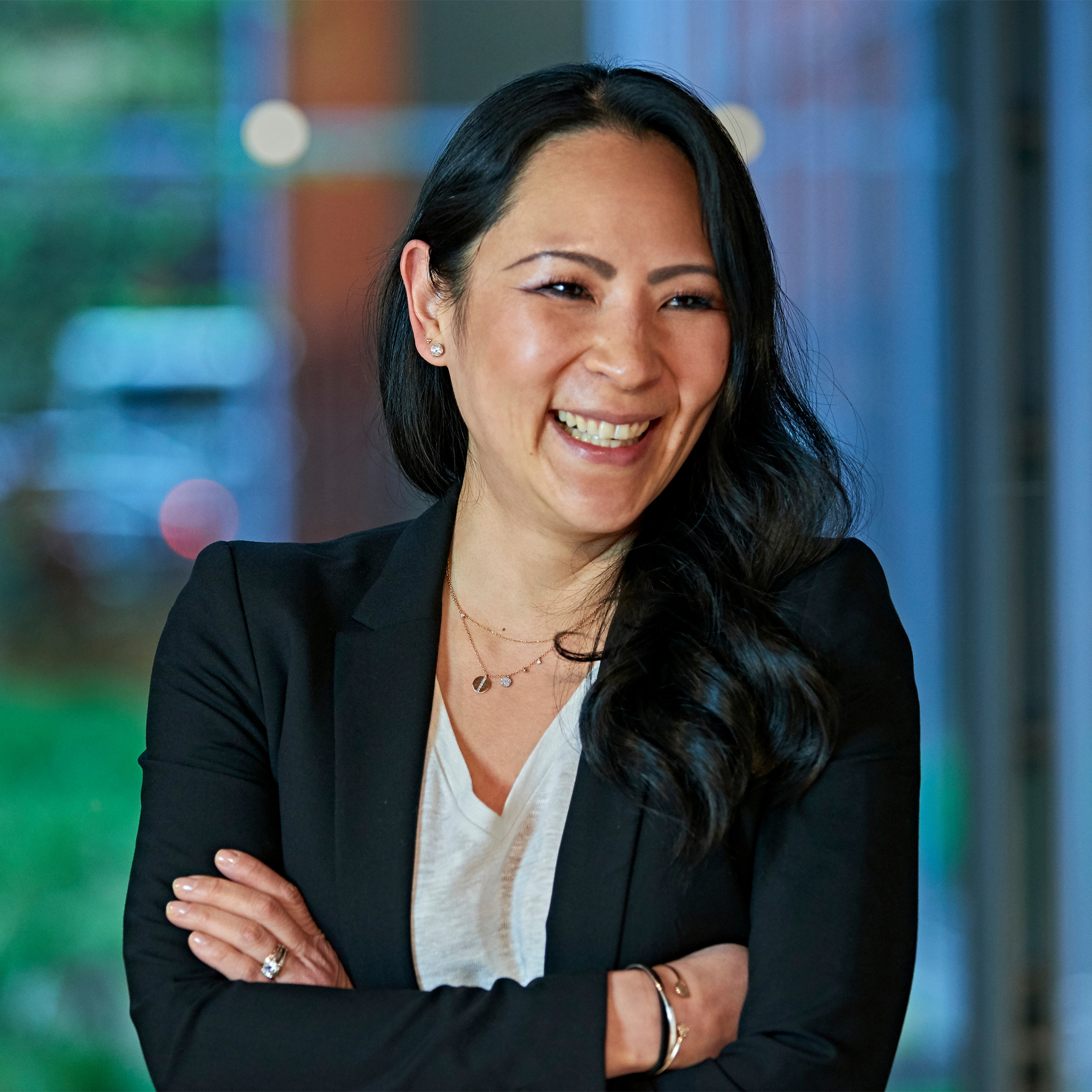
Welcome to Hospitality On The Rise, the podcast about the people shaping the hospitality industry and their journeys. I'm your host, Alice Cheng, founder and CEO of Culinary Agents, hospitality's go-to hiring platform. And I'm here to give you your dose of virtual mentorship.
Here, we'll be sharing the stories, lessons learned, and advice from hospitality leaders who've carved out their own path to success. After all, this industry is where many get their start and go on to do incredible things.
Whether you're a pro, starting out, or just love the hustle, this podcast highlights what makes hospitality extraordinary, the people.
HOST: ALICE CHENG
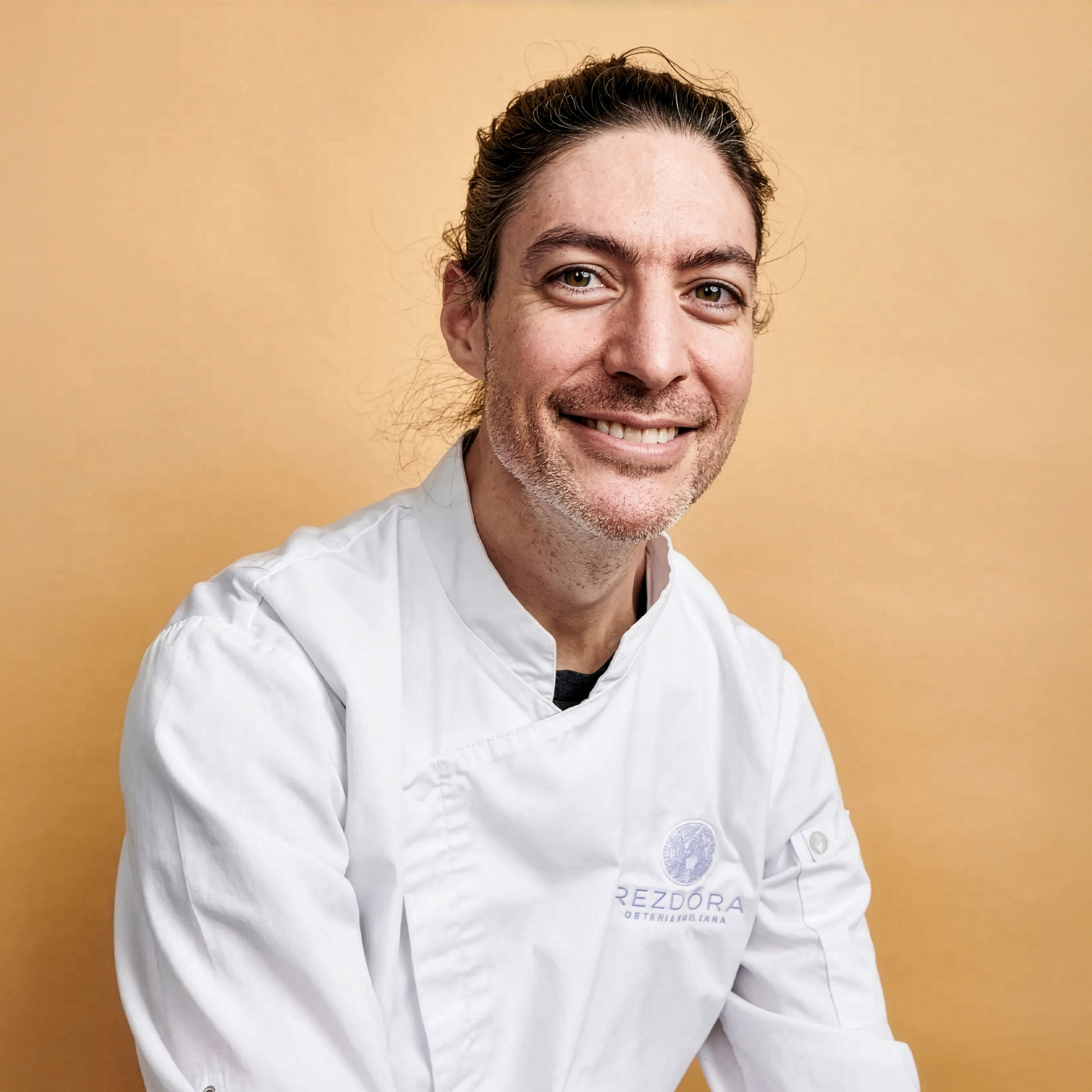
So excited to have Chef Stefano Secchi– did I say that right? Have I never said that out loud?– with us today. Stefano is the Chef-Owner of Fai Bravo Hospitality, which includes Rezdôra and Massara, amazing restaurants here in Manhattan. We're going to talk about that in a little bit. Stefano, thank you for joining us today. Welcome.
GUEST: STEFANO SECCHI
Yeah. We've known each other for… wow, since you first started too. So for a while. It's great to be here. Thanks for having me.
HOST: ALICE CHENG
For many, many years. And it feels like even longer than that in the best, best possible way.
GUEST: STEFANO SECCHI
No, yeah, yeah. 100%. Mostly at events where we see each other and we both have a few glasses of wine.
HOST: ALICE CHENG
Exactly. Ironically, I feel like this might be the first time we're actually having a full-blown conversation. So I'm looking forward to it. You, me and 2.4 million people. So Stefano, how did it all get started?
GUEST: STEFANO SECCHI
My parents brought me up in this business, and they immigrated from Europe. My dad's from Italia, my mom's from England. And their whole thing is, “We're coming to the States, we don't want you to be in restaurants.” And it's so strange because this becomes a through line for a lot of second-generation cooks, chefs, restaurant workers. But I'm just a restaurant guy, I love it. I was brought up, and at one point was like, maybe I should just do something else for a little bit and see, but I missed it too much.
So I was 12 years old when I first started cooking, and my dad's first chef was from Campania, Calabria border. And so I grew up eating a lot of the food that Massara is based on. So yeah, I mean, I don't know.
HOST: ALICE CHENG
You grew up in, literally, like core memories running around, probably hiding under tables and picking the gum off and whatever, right?
GUEST: STEFANO SECCHI
Yeah. Yeah, I mean, there's no other way to put it. Like I would go to school. We would be picked up. We would go right to the restaurant. I would always have a piece of… We have two cakes that my dad always had. It would be a Black Forest cake or Croccantino. And so I always got a slice of that with my brother. And then we'd be at the restaurant until like 5:30 when my parents would go home. They would change for service. And then I would stay there, and I mean, I was making dinner for my brothers forever. They would go back to work and then we were left to our own devices.
HOST: ALICE CHENG
To your own devices. [LAUGHS]
GUEST: STEFANO SECCHI
We have lots of good stories too, we should bring that up one day, as a book, probably.
HOST: ALICE CHENG
Yeah, and you said you really started cooking at just 12-ish, you said. Was that at the restaurant or did you go work somewhere else?
GUEST: STEFANO SECCHI
So we used to spend four to five months every year in Italy and then the rest of the time here in the States, going to school. But everything started over there. And people say it's the cliche with your nonna, but it's very true. And my dad was one of eight, so I have, I don’t know, ten cousins. I had like 14 aunts and uncles all in Italia, and so when we talk about the tradition in Italy of having everyone coming to eat together at the table, those things still exist.
So I was super young, but I would help nonna, Zia Nicoletta, Zia Quirica, Ziana, Zio Tonino, to just put together all the food. That was something that really fired me up. My family has a farm in Sardinia, so it all came from there, right? And that's kind of how it started. But yeah, I was cooking at my dad's restaurant in the way beginning, after school.
HOST: ALICE CHENG
As you do, yeah.
GUEST: STEFANO SECCHI
I mean you're so tired from school and then you have to go to your service at night. And plus we're like, “Oh, we're going to call CPS on you guys.”
HOST: ALICE CHENG
And that's amazing. I mean, that's very true, I think, with immigrants in general here in the United States. And we hear this really often where the parents always want something different. They're like, “We worked so hard this way so that you didn't have to”-type of thing. And then they see their kids kind of be like, “Well, you instilled this passion in me. So it's your fault,” basically, in the best way possible.
GUEST: STEFANO SECCHI
What about you? Like how did it start with you? Like you tell me, you tell me like what… I mean, I'm gonna flip the script.
HOST: ALICE CHENG
I see what you're doing here. It’s very smart. Yeah, I mean, I'm second generation as well. And my dad was really into entrepreneurship and technology. So not on purpose I ended up this way, but I could definitely draw the lines and connect the dots now. But yeah, I worked in hospitality when I was younger, and then I loved it, but it wasn't the career. That was the thing that I was doing for some side money and just loving it in a hotel catering department as well as a restaurant. And I went to work at IBM for 13 years in technology at a large, large company that even my grandmother would recognize. But I started in the mail room, worked my way up. So the equivalent of maybe starting as a dishwasher or something, navigating my own career path in a very unconventional way and always loved hospitality.
And my friends in the industry were using subpar tools to navigate their careers. And they were so hardworking, so much passion. I loved it. I would have dinner with them at midnight.
GUEST: STEFANO SECCHI
100%
HOST: ALICE CHENG
Back in the day when I was young enough to be able to handle dinner at midnight. And I just loved it. And it just really, really, really bothered me that this industry, made up of such amazing people that just dedicated their time to making other people happy and serving others, were lacking the tools to help themselves. And this was a beautiful career path and opportunity that I think was being missed. And I was like, I need to take some technology and slap it together and see if I can help. So anyway, that's my whole story.
GUEST: STEFANO SECCHI
Yeah, that's cool. Amazing.
HOST: ALICE CHENG
Back to you, because this is about you, not me.
GUEST: STEFANO SECCHI
I've never actually heard that, so it's great to hear that. Now we're having this long overdue conversation anyway.
HOST: ALICE CHENG
Yeah, yeah, no, I love it. Thank you. So yeah, we're 13 years in, right? And that's oftentimes how certain things start, like, you try to find a way to couple your passion and your love and what drives you into a career, into something. You know, can you solve problems? Can you introduce something, a different type of cuisine, a different type of style, something? Can you introduce that to people and kind of make a business and a living out of it? And that's like the magic combination. And so many folks in this industry are striving for that. Like, what's your voice? What do you want to bring to the table? And how can you parlay that into a business that grows and you can support yourself and your family? So you did go to school for something other than cooking.
GUEST: STEFANO SECCHI
Yeah, so it was both. So I was 17 out of high school. I went right to CIA. I told my parents, I said, “Listen, I'm going to cook. I mean, I don't care what you guys say. I'm going to cook.” And they're like, fine. I applied to one school out of high school. I went to CIA and like, back then, I don't know if it was hard to get into that point. And you had to have like experience in the business and all the things. And so I flew up to New York and… except you're super impressionable at that age. You know, I'll never forget, I landed in LaGuardia, and I was just looking at the skyline and I'm like, “Oh my God, this is unreal.”
HOST: ALICE CHENG
“This is it.”
GUEST: STEFANO SECCHI
You can't describe that to someone unless they've done it, right? Everyone in their life should live in New York City for at least one year. It's just magical, right? And so I was super impressionable at that age. I went right up to CIA, and we would spend the weekends in the city. We would take the Metro North down. And CIA was great. CIA was the first time in my life… I would sit in school and be pretty bored on most of the topics. And it (CIA) was the first time in my life I was sitting in school and my notebook was full of notes. We would sit in class and, whether it be skills–that's what it's called, it's now called fundamentals or fundies, I think, or something like that–go through all these kitchens. It was insane.
Funny thing is with CIA there was nothing to do, so we started a small fraternity on the side and we threw huge parties as well, and that's a whole other probably podcast, can’t get into that really.
HOST: ALICE CHENG
Yeah, show number two.
GUEST: STEFANO SECCHI
CIA was amazing, and then I externed at Philadelphia and I worked in the city for a year, and my parents were like, “Our part of the deal is you have to do corporate America for at least a couple years.” So I went back down to Texas and I got an undergrad degree in a regular university, right? And I was working with my family at the time and going to school and going to college and all the above. And then I did that thing. I did like the two-year kind of “corporate job” or whatever. And I missed cooking more than ever.
I think it's very tough because there's a lot of people in life that don't really find that thing that kind of makes them tick, right? And usually it all becomes about the paycheck at the end of the week and this or that, or like your expected path in life because your family did this. I felt like I was lucky that I do something that yes, hard at times, no question, but this is an amazing industry. And then you work with amazing people and people that are working really at a very high level, and it's super satisfying, extremely satisfying. I just feel like I'm lucky that I was able to find that, something that really gets me up every day where I don't feel like all I care about is a weekend.
HOST: ALICE CHENG
Yeah. So, you know, for somebody who may not have the means or opportunity to go to CIA or formal school, what advice would you give them if they're like, “I love it, I want to give it a shot”?
GUEST: STEFANO SECCHI
By the way, we never had the means either. I have to probably preface that in that I asked for everything. I asked for as much scholarship money as I could get. I applied for every grant, everything. My parents didn't pay for any of that.
HOST: ALICE CHENG
And that's smart. I'm going to segue a little bit, because actually Culinary Agents just–for their second year in a row–we actually give scholarships at the CIA specifically. Because we want to do whatever we can to help with this next generation and just be making it more accessible. But that's for any school, right? There are a lot of resources. Do figure out how to piece it together, right?
GUEST: STEFANO SECCHI
You should ask questions. I was talking to the admissions officer and she's like, “We have all this money that was unclaimed last year,” for instance. I was like, “Don't worry, I'm gonna ask for everything.” I didn't know, because I was like, my parents, I was never given anything, so it was always like, what can you do, whether it work grant or scholarship money, there's all sorts of things that you can do where you can lessen the burden, right? And I mean, just gotta ask, really.
HOST: ALICE CHENG
Yeah, I like it. Ask and figure it out. I mean, these days there's more tools than ever, right? Ask ChatGPT. It'll tell you.
GUEST: STEFANO SECCHI
Yeah, exactly.
HOST: ALICE CHENG
Yeah. Okay, so you're done with school, and now was there a natural like, “Hey, I'm gonna go work with the family restaurant,” or how did that go down?
GUEST: STEFANO SECCHI
There's gonna be people on this that are listening to this and they're gonna be shaking their head that it's extremely difficult to work with family. I mean, work is extremely difficult to work with family. And it's very hard to leave work at work when you're working with your family even more. And these are people that raised you, right? And so I have a great relationship with my parents, thank God, my brothers as well. But I'll tell you that I never thought that I could fully do what I wanted to do if I had always worked with my family. So it was a very short period of time that I did, but it taught me a lot. We used to learn about the business aside just from cooking. You have to learn about where you have to keep your food costs and how labor costs should work. You have to learn about the things that keep the place open and thriving. And so that was a reality for me, very important, but it's very hard to work with family.
HOST: ALICE CHENG
Yeah, well, getting exposure to those types of skills and learning in a way, I think is also something that not enough people get exposed to, and people are thinking about their career path, and how do I get to the next step? Oftentimes it's like to make–especially back of house–if you want to open your own restaurant one day or be a leader, there are non-cooking-related things that you need exposure to and understand. So you're like, “Let me just pack up my bags and go back to the motherland” or..?
GUEST: STEFANO SECCHI
Yeah, so it's such a good question because everyone was asking this “What, so what was it?” I was like, okay well, I left like the corporate thing. Thank God, right? Like I did the time for my parents, I left, and I was like, okay, so I'm going to do two things. First off, I'm gonna go work in Santa Monica, I'm gonna go working in Los Angeles because I've always heard about the produce out there. And I wanted to live in Santa Monica and I got as close as I could to the Santa Monica farmer’s market, and then I'd go there every day, right? That was like the day. And I was pretty blown away because it reminded me a lot of being in places in Italy and all the veg and the access to different types of veg and fruits and those things that existed in California. And then I was able to work with Nancy Silverton while I was there, right? I would make coffee in morning…
HOST: ALICE CHENG
She's great.
GUEST: STEFANO SECCHI
She's amazing. And I actually worked front of the house there, so I could learn how service standards work and how things– because I've been in the kitchen my whole life, and I needed to know how it worked with the front of house at a really intense place with a person I respected, right? And so I was able to work pasta, I made pasta in the morning, and then I would serve and it was amazing. I learned so much about, like, up close on wine and service standards, steps of service, in a high volume place that was doing things at a really great level with Nancy who is just…
And so, that happened for about a year and a half, two years. Then I was like, I just need to finally go back full time. So I just moved back to Italy full time. Everyone was like, “You should go to Lombardia, where you have aunts and uncles that live in Milano. You should go to Piedmont, where you have cousins that live in Torino. Or you have to go to Sardinia, which your whole family lives there.” I was like, I'm not going to go to any three of those places.
I picked Modena. So I first visited Modena. I wasn't married at this point. I was dating a girl, and I like, no, nothing holding me back. Right? And so I stayed in Modena in a hostel for three weeks. So I ended up eating as much pasta as I could and ate at this really special place that I finally was able to get a reservation at called Hosteria Giusti. And I incessantly asked them if I could come work with them, like over and over. At the end, Laura (Morandi) was like, “Per favore tu deve smettere, perchè io non ce la faccio più,” like, “I can't do it anymore.” And she was like, “When you stop bothering me, you can start in April.” Yeah, I mean, that's it. I lived in Italy for a total of seven years, I think. Modena, to fast forward, Laura taught me how to tirare las foglie al mattarello (roll with a rolling pin). So we used to just roll everything on mattarello, without a machine at Giusti. We were only open for lunch five days a week and we did 20 covers, and at night I used to cook at another restaurant, at a seafood restaurant a little bit outside of town so I could make money. Because if you were staging over there, they're not gonna pay you.
So that was the thing, right? I was living in a hostel outside of Modena, a small town called Baggiovara. I used to have to wake up at 5:30 in the morning to get the bus there. I would arrive, listen to this, in Centro Modena. I would go with Laura to Mercato Albinelli. We would go pick up everything for the day. She had every vendor for everything you could imagine. I think she hired me so I could carry everything back.
HOST: ALICE CHENG
I was gonna say. I'm like, I know where this is going.
GUEST: STEFANO SECCHI
And we had such a great conversation. But it was full immersion, right? I was working, I would finish at the fish place at like 11:30 or 12 at night, and I would take the last bus back to Baggiovara. Luckily there was a hospital right near the hostel, so they still had a bus that late. And then I would do it all over again. At that point, it was like five or six days a week, and I would only have Sunday off. And then that Sunday, I would go to every acetaia in Modena and I just wanted to find the best acetaia...
But I didn’t have family in Modena, and for me, the thing that had changed me and wanted to be in Emilia Romagna is that, I'll never forget this, I was seven years old. We were driving from Campania up to go see my family in Milano. I stopped with my brothers and my dad. It was just us. And we had tortellini in brodo in a small trattoria outside. And I first tasted this with parmigiano reggiano, grattugiato, I first tasted this and I was like, man, this, for me, is one of the few moments in our life–and I've eaten so much food–where I will never forget what that tasted like ever, right? And the dedication to cibo Italiano and to our culture and pushing Italian food correctly and the right way forward in the States was kind of the mission from then on.
HOST: ALICE CHENG
Yeah, I love that. I have no questions. I was just listening because I love… There is something about the Italian culture, the way of life, the food. I mean, you could see little Instagram stories and reels about how beautiful it is, whatever. But it is a whole way of life, and everything down to the ingredients and even just conversation, probably strolling to and from picking up all this stuff. Right? It's like one big experience. I love Italian food, Italian culture, I got married in Italy. I think we joke around, my husband and I, I think we actually picked our wedding date around our reservation of Osteria Francescana.
GUEST: STEFANO SECCHI
Yeah. I don't know if I was there when you went, but I mean, that was it.
HOST: ALICE CHENG
Maybe. I was telling Chef Massimo, the universal language of Sharpies is real, let me tell you.
GUEST: STEFANO SECCHI
I love that you guys gave the Sharpie[s]. That's such a great idea
HOST: ALICE CHENG
Yeah. So you were working at this at these two places. When did you make it over to that kitchen?
GUEST: STEFANO SECCHI
So I had always worked kind of in hiring kitchens most of my life, whatever you want to call them, star kitchens or whatever, it doesn't matter. I had heard of a guy in Piemonte, I was working with another guy in the fish restaurant that came from a small village in Canale, just 10 minutes outside of Alba, right? The thing with… what's the best way to put it? I have dual citizenship, so I can work over there, that wasn't a problem. But like when you're still born in the States, then you have this automatic “I want to know about you” in Italy, right? And so you always have that thing going for you, right? And so I made a lot of friends, and that was great. And listen, I had no one, I didn't have a car, and I had no money. So I would always just go over to friends houses for the weekend or for, if we had a Sunday.
And so we would drive–Alessandro is the guy's name–Alessandro and I would take his car from Modena and drive to Piemonte. One day the fish place was closed for a private event and we didn't have to work it. So we drove that Friday to Piemonte and he's like, “I have to take you to a enoteca to see Davide.” And so we sat down and I'm telling you, I had like one of the best meals of my life with Davide, and he's had a star since he was 27, 28 years old. He had been in Canale and he was cooking like Piemontese to a tee, right? Contemporary but with a huge focus on tradition. Pasta was very important, which is all things that, for me, check the boxes. Plus Barolo and Barbaresco were 15, 20 minutes away from where I was working, right? I haven't worked in there yet, but it was from where they were. And so I was like, “God, I have to find a way to work with this guy.” And so I had worked at, in Modena, Antica Moka, and Giusti, and I'm at this fish place which has since closed. And I was like, “Davide, what can I do?” He’s like, “You know, Stefano, we have a space in five months.” So I say great.
So that's it. I lived on this guy's couch of his parents’ for like, a year and a half, two years. We ended up finally getting a small apartment. We lived together. And I worked with Davide. I was butchering whole lambs, whole goats, doing everything super Piemonteese. Like the difference between pasta in Piemonte versus pasta in Romania is there was more yolks. It was richer. You had this finesse because you had the attachment to France. Right? And so like when we talk about foie gras and not being an Italian food, it’s not true because it actually is found in a small place, in a small village in Piemonte called Fegato Grasso, and it goes back to something in the mid-1800s when the king and queen of Italy were based out of Piedmonte. So I learned all these things working with Davide and kind of like soaking up to be in an area that wasn't really super well known to a lot of Americans.
And so for me, this is a lot of stuff that was amazing because I knew about Emilia Romagna, like Lombardia and Milano and Risotto from that area, and also Buco because of my aunt and my family. But to have this full circle experience in Piemonte with the classics there, but also have this amazing wine culture changed my life. Yeah, we would go to [Barolando] restaurant every Sunday and just drink as much as we could and it's done.
HOST: ALICE CHENG
That's incredible. I'm going on vacation with you guys, your family. Our families are going to travel from now on. We'll go to Italy with you. We'll carry your bags. Let's go.
GUEST: STEFANO SECCHI
I became such good friends with people over there, Alice, that now the godfather of my oldest son is the winemaker at Malvira in Canale, in that small village. And so it's like full circle and Piemonte was amazing.
HOST: ALICE CHENG
Yeah, you know, I'm loving this on many different levels, because I feel like–and even I'll say specifically in the show, I'm not going to generalize this–but even with some of the past guests that we have, we hear these stories about showing up in Paris, like just going to knock on the back door. A lot of French, obviously, influences and just trying to get in the door, stage there. We don't hear as many of these stories for Italy. So thank you for sharing that. I mean, this is like story time. I mean, we're going to move to the advice, but we're storytelling right now. I like it.
GUEST: STEFANO SECCHI
You know, it's great, because I get emails from young cooks that ask me–through Culinary Agents sometimes too, right–that ask me this question all the time, like, how do I go back over? And it's like, it's very hard, and I think it's maybe similar to the French side, is that when you do something like this, you have to give back. Because when we selfishly go over there and we're like, okay, we're exposed [to] this for four months or a year, and then we're gonna take and then we're gonna leave, right? And it's like you have to start thinking about way in advance to even have the chance to work with these people in these really amazing spaces. How you can give back first, right? Because by the time they train you, you don't add any value because you're already gone, right? So I tell these guys, listen, it's to get citizenship over there. It's very hard to find any way to make a living. But if you can save up enough money to live without making a living for a year and then go over there, then just tell these people, “Listen, I'm gonna put my head down. I'm gonna work for you guys. It'll take me two months to know how to run your whole line.” If you’re professional, it’s what you do. And then you tell them like, “I'll give you guys eight months or however long” and then that's when they're like, okay different story, now we're in. You were like, “No one wants to hire me, no one wants me to go.” Yes, because you go in there, you just take it, and you leave! Yeah, you gotta give back, you know?
HOST: ALICE CHENG
And I feel like they know that, because it’s like over the years, between just more exposure, more travel, more lifestyle, more more people to–I should say, more of the inner secrets of how amazing other cultures are, in Italy specifically, like everyone wants to go there, and they want to experience that, they want to do their thing. And so throughout this time while you're getting these [experiences], two questions. One is, are you phoning home and being like, “Heyyy,” you know?
GUEST: STEFANO SECCHI
My parents were, in the beginning, so pissed that I did this, and they're like, “You are taking years of earning power of your of your life” or like “starting your life of doing these things to live over there, and you've been going there since you were a kid. Like, what are you doing ?You're wasting all this time!” I said, “Okay, I mean listen, I get that point too, I get it, you know? Yeah, I just thought…” Yeah, would I call them up? Of course, of course I missed them, but it was still also, like, there was some animosity there because they're like, “This guy's lost. He knows so much about the cuisine already. Why is he going over there and spending all that time there?”
HOST: ALICE CHENG
Yeah... So now that you're also a father, you probably can guess that when you were young, you probably gave him a hard time while you were traveling too, like, “I don't want to go. Why are we here?” You know?
GUEST: STEFANO SECCHI
I only speak Italian to my kids, and I'm telling you all I get is pushback from them all the time. It's unbelievable. “I didn't want to go”–you're right–”I didn't want to go to Italy, I wanted to stay in the States because my friends are going to the pools, they were going to the pool.”
HOST: ALICE CHENG
They’re like, “Pasta again? C’mon!’
GUEST: STEFANO SECCHI
Yeah. These guys don't speak the language I speak like they're playing soccer, I'm playing basketball, like what is going on, you know? This just doesn't fit.
HOST: ALICE CHENG
“I want hot dogs.”
GUEST: STEFANO SECCHI
Yeah, then Alice, you come back, and you go back to school, and all your friends have these amazing stories of summertime. And you're like, oh my God, major FOMO, right? You wouldn't do any of that. You're like playing soccer on the streets like 9:30, 10 at night. No one cares. They don’t give a shit about that. They don't talk about the time in the pool. Like “This person was at this party. We got a huge party. The parents came.” We had none of that. So like yeah, there was a lot of animosity.
HOST: ALICE CHENG
That was my first question. Second question is, throughout this time, are you thinking about like, “Wow, I'm going to do my thing. I'm going to bring this back and do it my way and do something different in the States”?
GUEST: STEFANO SECCHI
No.
HOST: ALICE CHENG
No, you're just enjoying it. I mean, which is great.
GUEST: STEFANO SECCHI
I mean, it sounds crazy, but when I got back from Massimo, I was like, I'll probably just stay. I mean, I didn't have any… if you really want to drill down, I almost didn't have any desire really to come back. And life catches up to you, and you think about your family. And then, like, listen, Italy is still a very difficult place for upward mobility, right? And I think that we take this–I don't want to get political, but we take what we have in the States very for granted, right? We take the fact that we can make a living, and that we can save, and that we can potentially buy a house later down the road or whatever. Like we take that for granted.
And in Italia–and this is like just having so much exposure to that–if your family doesn't have a house and or something or some type of wealth or something saved up, it's extremely hard to do what I do, or to be a cook or to be a chef and to make like a living to where you can provide for your family down the road. And that ended up being, for me, the thing that changed everything. It's like, I'm just going to come back to the States.
But I'm telling you, once I started working with Massimo, I was doing six days a week, 18-hour days there. We were number three, I think, in the world at that point. None of those lists matter or whatever. But I was in a place where Davide’s kitchen was very hard because it was old school, still very French as well. And French, I say that, it was run that way. It wasn't like you were coddled and those things. But when I went to go work with Massimo, we felt like it was very much of a family environment. But you were held to extremely high standards, right? And so I learned a lot from that. That, opposed from looking at the reason why he hired me or allowed me to come on is because I could roll pasta mattarello. I knew all about traditional Modena food and cuisine. And I'd worked in the best trattoria and osterias in the city that he grew up in.
And then after that, once I went to work in an environment where you were held to a super high standard, but you still felt part of a big team that was pushing everything forward, I was like, man, this is my gig. This is it. I could have stayed in Italy, all those things. And I was probably on the road to do that. If you could see it light at the end of the tunnel, that was the hard part. It's just very hard to make a living over there.
HOST: ALICE CHENG
Yeah. So you made the tough decision to come back. And now how did you open it? You’ve got two restaurants, you know, that's no easy feat in and of itself in Manhattan, nonetheless. What was that like? You came back and you're like, “I'm going to do my own thing” or “I'm going to go work” or..?
GUEST: STEFANO SECCHI
So it's a good question. So right away, I came back, and at that point, I was engaged, and I brought her–because it was between Los Angeles and New York–and I brought her to New York. The reason why we chose New York, aside from being the best city in the world, is that it's also six and a half hours from Italy, seven hours from Italy. And I go back five or six times a year. Right?
I principally chose, aside from that, New York because the best people in the world do what we do in this industry here. And I wanted to be around those people, right? Much like I was in Italy, and I wanted to be surrounded by the people that want to do this for a living and for the rest of their life, because I think it's an incredible industry. That's not going to change. I don't want to do anything else ever. Maybe I'll have little side projects here or there. I'm obsessed with our work and our job and our industry.
So when I first came back, I didn't go through Culinary Agents, I had like this recruiter came to me, and they had heard–I posted some stories, whatever, and like Instagram is a funny thing. These people would reach out to me through DMs. At that point, they're like, “You're at that place, amazing. What are you doing next?” And like, I didn’t really pay attention, but I got into the city, and I messaged this one person back, and they're like, “Okay, let's come meet.”
And they were putting me up for executive chef and executive sous chef jobs. I'm like, no, no, no. “Yeah, you have all this experience.” And he thought, “Six, seven years in Italy, you speak the language, this is perfect. You're going to be perfect for this restaurant group. They want to…” I was like, I want to cook again. Like, just let me get back on the line, you know? Because I remember what it was like cooking out of CIA and externship in the city. Time had gone by, and I was in Italy for such a long time that I didn't know the rhythm again.
HOST: ALICE CHENG
You gotta get back into the pace.
GUEST: STEFANO SECCHI
That's it. I just got back from a line, and I wanted to get back to cooking and that's it. So I started cooking again on the line and it was amazing. And I was at Marea. Michael White was there. It was between Marea and Gramercy Tavern, two places that I had a huge amount of respect for. But I was like, what could I add the most to? And was cibo italiano. And you know, he's an amazing human being and a very good chef. And so that was it. And so I was on the line again. It was awesome.
HOST: ALICE CHENG
Yeah. And then fast forward a little bit, and you have Rezdôra.
GUEST: STEFANO SECCHI
Which we had no money to build out. Everything that I had saved my whole life went into that. We had to find investors too, which is an extremely difficult process. Because New York City needs another Italian restaurant, for sure.
HOST: ALICE CHENG
They needed Rezdôra. They need your Italian food.
GUEST: STEFANO SECCHI
Yeah, right. So maybe that's the time. No, people were looking at this guy who they don't care [about]. I mean, they find they've heard of this person, that person we work with. It's just like, “Come on, like, I have to put X amount of dollars to invest in you and in this space. And the rent is so high here. And you have all this competition, like what's going to make you different?” I was like, “Guys, you just have to kind of believe,” and no one believed. And we had so many nos.
HOST: ALICE CHENG
Well, you got some yeses, obviously.
GUEST: STEFANO SECCHI
Yeah, I mean, I'll tell you, Alice, the first four months, I didn't take a day off, and I was there like four in the morning until like two at close, and I would have a nap in between hopefully. And we couldn't hire anyone because no one knew who we were. And people always wanted to work for a name, and I didn't have that. And so it was just like, I would go Culinary Agents, I would go Craigslist, I would talk to the culinary schools, everyone. And so we built up a small team, and then still in contact with those guys today that did the beginning of this.
HOST: ALICE CHENG
Yeah, well, and the rest is history, right? What's next? You’re currently in a temporary space. I know, sorry, I'm not going to poke at that. In a positive– I actually, from outside looking in, it seems like it was kind of a really interesting best-case scenario-like situation.
GUEST: STEFANO SECCHI
Yeah, I mean, people should do, like, some 48 hours of most stressful time in the restaurant business, and I'll tell that story. I mean, because I landed in Modena for a wedding of one of my friends who still works at Francesca, and and and I turned on my phone, and I had 45 text messages and 10 missed calls. And my stomach just sunk. I was like, God, it's one of two things, right? I mean, either there's been a death or like something bad has happened to the businesses or whatever, you know? And it was the latter. And I was like, oh, God. And, you know, it was nine in the morning over there. So it means three o'clock in the morning in the States. And I was like, OK, what I'm going to do is just read through this, and then I'm going to wait until we get to a reasonable hour. I'll start making some calls.
And yeah, we had a fire, and NYPD went and, rightfully so, they broke all these walls over.
HOST: ALICE CHENG
Broke everything.
GUEST: STEFANO SECCHI
I don't know any other way to put it, but there was damage everywhere, and we had to close. And we have like 85 people that we work with, because no one works for me. Like we all work together, right? And so I'm like, holy shit, what do we do? And thankfully what is great about this industry that you don't see in a lot of other places is that people are very like, “Ok, how can we help?” And I had like four major restaurateurs on that 45 text chain, or whatever, reach out. And one of them I was like really good friends with… And James [Kent] was one of my best friends when he was around, right? In the industry. And so I reached out to Preeti. We had known each other really well for a long time. And Kelly and my wife and James and us used to go out to eat back in the day. So I've always been close with those guys. And when that awful day happened, like last year, it was me and a few people that were like, what can we do right away?
So we stayed closed, and they were like, “We had this thing, maybe you want to look at it or whatever.” And so we just turned this term sheet around in like three days. And I was making calls from Italy.
HOST: ALICE CHENG
Which is incredible.
GUEST: STEFANO SECCHi
It was insane. But like, I don't know any other way to put it that, like, this could probably only happen in this industry. I don't know.
HOST: ALICE CHENG
Yeah. And for those–I'll fill in the blanks here because it is, I agree with you, I think this is one of the beautiful things about this industry and this community is that people do, you know, everyone's busy doing their own thing and everyone's all over the place. But when it comes time or something happens, everyone's the first to drop everything and say, how can I help? What can we do? And get creative about it. But I'm excited, and I know this isn't going to air timely.
GUEST: STEFANO SECCHI
That's right.
HOST: ALICE CHENG
I'm excited to pop into the pop-up, or the temporary space, while things are getting sorted at your other space at the old Time and Tide spot on Park Avenue. So I'm glad it sorted itself. And totally by complete happenstance, I have you and Danny on a panel with me next week.
GUEST: STEFANO SECCHI
Ah, amazing. And he's great, too.
HOST: ALICE CHENG
I was like, wait a second, this is great. But we won't go into that there, but I thought it was just another example of just small world, big world type of situation. But on that note, we are going to go to quickfire.
GUEST: STEFANO SECCHI
Right. And again, I didn't look at any of these questions before.
HOST: ALICE CHENG
Exactly, exactly.
GUEST: STEFANO SECCHI
Okay, let's do it. You have like a timeline or something that is going to be like..?
HOST: ALICE CHENG
No, no, no, don't worry. We'll speed it up in the editing process.
What advice would you tell your younger self?
GUEST: STEFANO SECCHI
It's a good question. Just don't rush it. I think more than anything, and appreciate the journey more so than only focusing on the end goal because the journey is what has been the best part so far.
HOST: ALICE CHENG
What's your advice for someone struggling in the industry?
GUEST: STEFANO SECCHI
Do something else for a little bit, and see if you want to come back, because listen, every job is hard. It doesn't matter. I mean, you could be selling insurance in front of an Excel sheet all day and having to make calls all the time. Right? Every job is hard. And this job has, you know, difficulties. Of course, others don't, but it's becoming a place where people, even in what used to be white collar work, want to come and do this. Now it's still blue collar, right? You still work with your hands, but the life is much better than it was when I was coming up. Things are much more manageable. You can have a work-life balance, even though it's very difficult for me to say that. But I think that's it. If you're having struggles, do something else, and then see what the world has to offer. I think there's a special kind in this industry, and I think that they realize how much they miss it. And this is a place that is very rewarding to people that stick it out, to be honest.
HOST: ALICE CHENG
What's your advice for fellow hospitality leaders?
GUEST: STEFANO SECCHI
Just never burn any bridges. There's like so much vitriol and controversy out in the United States of America right now, which is not the same US that we grew up in. And it's sad to see, because to get perspective and live in another country and see how good we have it over here, and then to come into a place as a hospitality professional, whatever, someone that owns this is just like, yes, I get the point where you think this, you gotta win here, gotta do that. At the end of the day, it's a very small world and what we do and we know everyone, and just leave on a high note because we have these things called boomerang employees, right? Like we've had four or five at Rezdôra already and at Massara because we worked so well together beforehand, and then when they were like, “I want to do something else,” I was like, “Great, you put your year” –and at least here, for me it's a minimum of a year– “and I will help you do whatever I can. I mean, I will go out of my way and get whatever I can.” Just don't burn any bridges though. God, I say that over and over.
HOST: ALICE CHENG
Yeah, yeah. And then that's true, I think, in many, many, many industries. So on that note, Stefano, thank you so much for spending time with us. I know you got a ton of things to do. I look forward to seeing what's next. And I have selfishly enjoyed many a meal, delicious meal at both of your restaurants. So I'm looking forward to more.
GUEST: STEFANO SECCHI
Great. And thank you, Alice, for Culinary Agents–now like I'm going to do a little plug for you–is the benchmark right now. So you did a great job.
HOST: ALICE CHENG
Well, thank you for that and sign me up as your forever Sharpie supplier.
GUEST: STEFANO SECCHI
Uh, yeah, because this guy [SHARPIE IN POCKET] is like, look, I have “Stefano Secchi. Do not steal.” If you send me a packet, that would be great. So I can take this tape off and put this in the garbage finally.
HOST: ALICE CHENG
Consider it done. Consider it done. We'll see you soon. Thank you.
GUEST: STEFANO SECCHI
Thank you. Ciao.
HOST: ALICE CHENG
Remember, success looks different for everyone in hospitality. No two paths are the same. If you have a leader or a topic you want to hear about, email [email protected].
Hospitality On The Rise is brought to you by Culinary Agents, connecting top talent with employers since 2012. Whether you’re hiring or looking for your next opportunity, join us at CulinaryAgents.com
For more inspiration, subscribe to Hospitality On The Rise and visit HospitalityCareerPaths.com, a free platform by Culinary Agents.
Thanks for tuning in! Remember to like, follow, and subscribe. And if you loved this episode, share it with someone who could use a little inspiration.