Links
Transcript
HOST: ALICE CHENG
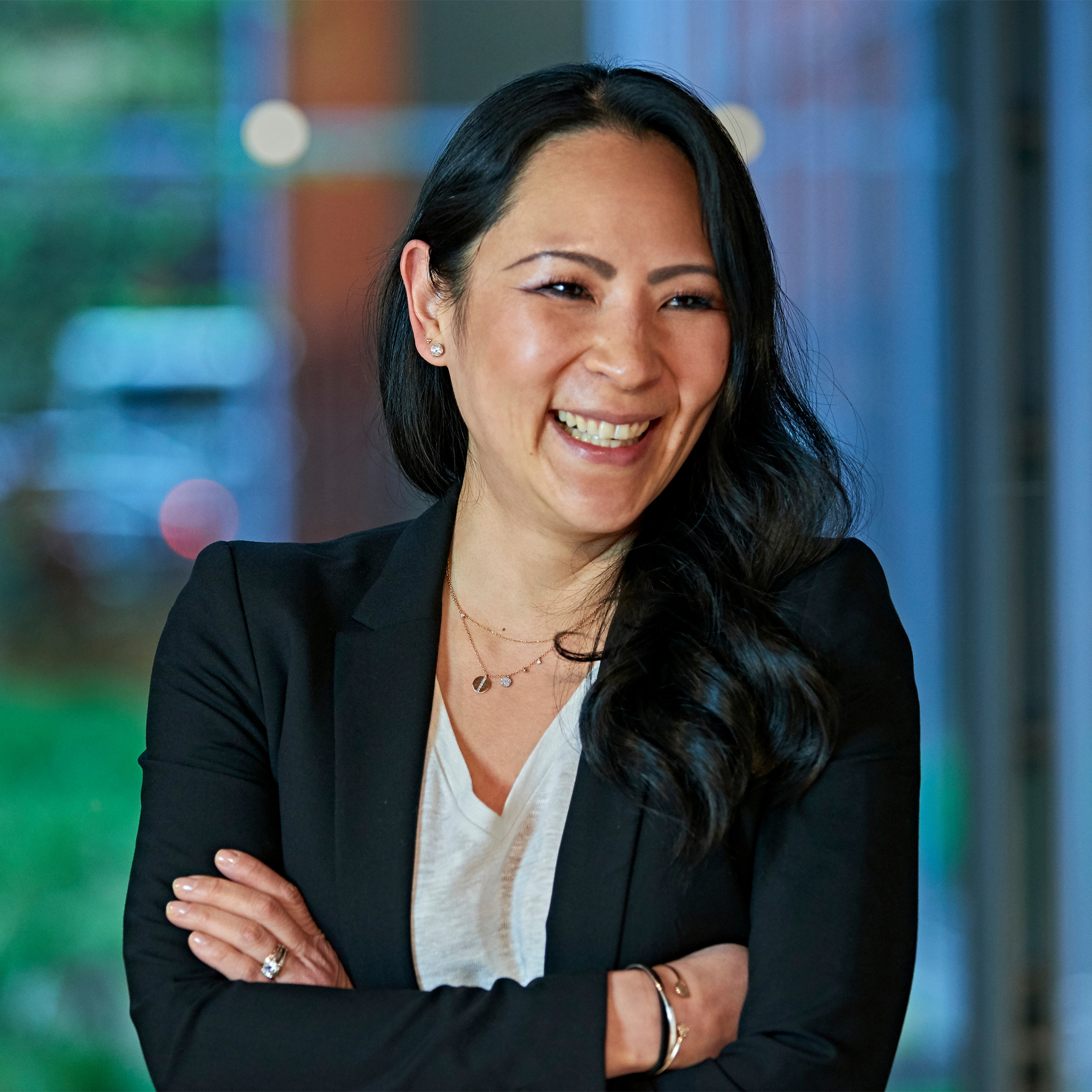
Welcome to Hospitality On The Rise, the podcast about the people shaping the hospitality industry and their journeys. I'm your host, Alice Cheng, founder and CEO of Culinary Agents, hospitality's go-to hiring platform. And I'm here to give you your dose of virtual mentorship.Here, we'll be sharing the stories, lessons learned, and advice from hospitality leaders who've carved out their own path to success. After all, this industry is where many get their start and go on to do incredible things.
Whether you're a pro, starting out, or just love the hustle, this podcast highlights what makes hospitality extraordinary, the people.
HOST: ALICE CHENG
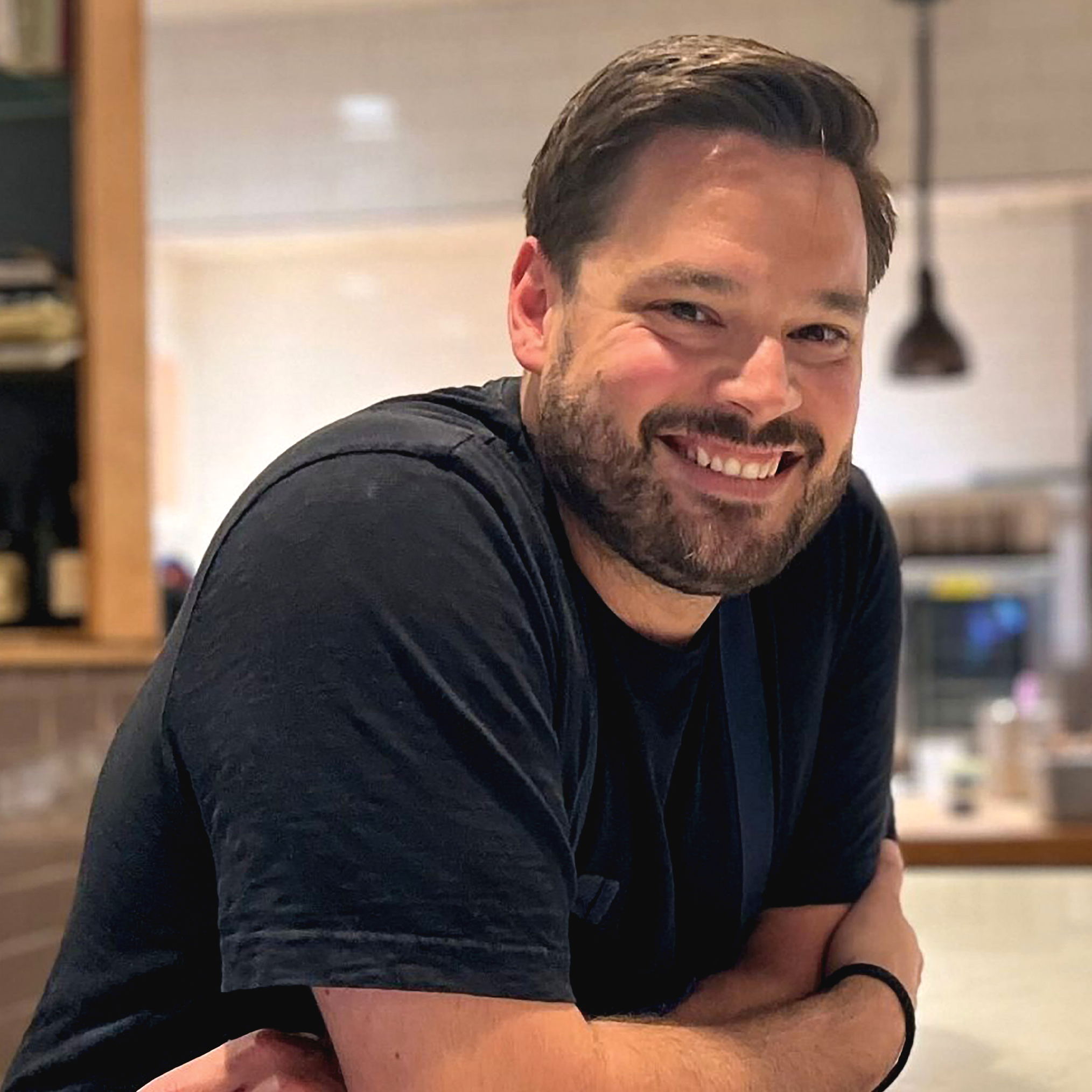
I'm so excited to have chef Kyle Knall with us here today. Kyle is the Chef and Co-Owner of Birch and Cassis, both run with his wife and business partner, Meghan. Birch is farm-to-table cooking, wood-fire cooking, all sorts of other techniques that Kyle's picked up along the way that we're going to hear about. And he's also the Culinary Director of Stone Bank Farms. Kyle, welcome.
GUEST: KYLE KNALL
Hey, how are you? Thanks for having me on the show.
HOST: ALICE CHENG
Great, great. Well we were just chatting about it, it’s been way, way too long. I feel like you've had a couple of different lifetimes in your career. I'm excited to hear a little bit more about it and fill in the blanks. So tell me, how did it all begin? How did you get into this industry?
GUEST: KYLE KNALL
So it started very early, which I feel like chefs have these great stories that cooking saved their life because of things that were bad in their life and things like that. And it's kind of like that, but in a very positive way. So I started cooking when I was 15. My older brother was a chef for probably 30 years who–he actually passed away from a heart attack last year…
HOST: ALICE CHENG
I’m sorry to hear that.
GUEST: KYLE KNALl
…so pretty tough, but he helped pave the way for me and inspired me at a young age. And when I was in high school, I started cooking for him at the restaurant that he was the chef at. So like a white tablecloth, dinner-only, fine dining restaurant. I'd get out of school every day and get there by 3.30 and work the garde manger station. I've said a lot lately, I'd walk in every day hoping that something was being prepped on my station. But most days I'd come in and nothing was touched. And so I would kind of be in the weeds right away, but I loved it. And it all kind of started there and never turned back.
HOST: ALICE CHENG
Nice, nice. We heard that often. It's kind of like the initial got a job early on and then just really fell in love with it, the vibe, the energy, the work, the dedication. At that time, were you like, “This is going to be my future”? Or were you like, “This is pretty cool, I'm going do this for a little bit and see what happens”?
GUEST: KYLE KNALL
Yeah, I think right away I knew I wanted to do it. So one of my favorite stories… I was a junior in high school, I was working at Daniel George–that was the restaurant I was just speaking of–and all these kids from my school came to have dinner there before prom. I didn't socialize at my school that much. All my friends went to another school. And they asked if Kyle was working; so I was 16, went out in the dining room and saw all these kids that were going to prom and that was a moment that, it gave me something that was mine, you know? And from that moment on, I was like, okay, this gave me something, gave me confidence. And I fell in love with it from that moment.
Actually one of my teachers in high school heard that I was working there, and he loved eating at this restaurant. He brought up one day in class how he was mad at everyone in the class, and he said something like, “How come you all can't get your stuff together? Kyle's already doing what he's gonna do the rest of his life, and no one else can figure it out.” To me, it was something that, like I said, it gave me confidence pretty early, and I loved it. From that point on, I was like, yeah, I'm gonna do this for sure and no turning back.
HOST: ALICE CHENG
Great, great. Having that sense of pride early on is kind of infectious too, especially for young folks who may or may not know what they want to do in the future. And it doesn't mean you need to do it forever, but it definitely, I think, has an impact on different people in different ways. I started working in hospitality when I was in high school as well, and I loved it. And here I am full circle.
Did you then go to school? Because sometimes you're working it, you're like, okay, I'm going to go to culinary school or go to school or just go find the next place to work.
GUEST: KYLE KNALL
So senior year I took one college day, and it was to go to the culinary school in Birmingham. So there's this time that seems very short. When I graduated high school, I started culinary school, but all at the same time I started working for my mentor, Frank Stitt. And so the thought process was I'm going to work for Frank and go to school instead of going to some other fancy school somewhere else. So I really wanted the job to work for Frank, and to me that was what was important. I did want to go to school, and I do think that it was an important part of my life. I know culinary school a lot of the time gets talked about it's not really a necessity. It's not a necessity by any means, but I do think it gave me structure that I think still pays off. So I do think it was an important part of my career path and things like that. So I went to school in Birmingham and then started working for Frank Stitt all at the same time.
HOST: ALICE CHENG
Yeah, and that's such an important thing to kind of hone in on in general, right? School, culinary school specifically, it's not for everyone, but it has its benefits. And some people get a lot from it, and it helps them tremendously. And some people don't need it, and they find different ways to get to where they go, right? But I think the common thing that we hear from leaders is go work a little bit before you enroll in a specialty school to see if this is really something that you love and that you want to do. That may open the doors into other directions or it may just take you right back to where you intended to go.
GUEST: KYLE KNALL
You know, it's funny because how I was just saying when I was in high school, how it gave me this confidence… When I went to culinary school, I had already learned so much that I started with this confidence and it kind of helped me propel even quicker in school, so just like you said, I think it was important that I did start in the field first and then go to school instead of vice versa, for sure.
I always talk about this one moment, and I think it was really a turning point with me growing up. So working at this restaurant, Daniel George, my two best friends were the cooks. I was best friends with our chef and the owner. We're all very, very close. And when I found out Frank Stitt had an opening in his restaurant, obviously I went and trailed there. I went to put my notice in at Daniel George on a day we were closed, and the chef-owner convinced me to stay, and I went and got my car to leave, and I thought to myself, I have to leave. So I went back inside and said, “I'm 100% leaving. It's nothing to do with my thoughts of working here. I just need to do this for myself.” And if I didn't do that, I think in that time, all the decisions I've made probably wouldn't have happened the way they did. Making that decision was super vital and I think everything that I've done moving forward.
HOST: ALICE CHENG
Yeah, thanks for sharing that. It was actually going to be one of my questions, if you could think of a time that took you in a different direction. And those are also important times to reflect on and to share because in life, you're going to get opportunities and options. I think what I extract from that is there is a certain level of self-awareness that needs to happen. And if you are doing something you enjoy, if you decided that you want to go down a certain path, finding the best path for yourself, taking that opportunity and risk is something only you can really calculate for yourself and make that decision. So congrats and, of course Frank Stitt, I mean, that's such a wonderful institution and what they have going on there. And so from there, I see you made your way up to New York.
GUEST: KYLE KNALL
Right. Which is like, I love telling the story, but I met my wife now. She worked for Frank at another restaurant, and three months after we started dating, she said she was moving to New York and I said, all right. She told me I could come with her. And so I introduced her to my parents and the same night said, “I'm moving to New York.” It wasn't the best night of their lives, but obviously everyone got over it and stuff.
So yeah, moved to New York and I was 22 and started working at Gramercy Tavern actually, like, six days after I moved to New York, which is just obviously a dream that was lucky to have happened for sure.
HOST: ALICE CHENG
Wow, wow, yeah, I was just catching up with Chef Mike recently and talking about, what was it, celebrating their 30th year? And he's been there for over 20, I think. But yes, a great place to land, especially as your first professional cooking job in New York City, right? And so you spent some time there, you spent quite some time there.
GUEST: KYLE KNALL
Yep. I spent, I think it was like four and a half to five years. I think working for Frank was amazing and it was the foundation for my cooking. I think working at Gramercy Tavern just obviously elevated that, but not by style of cooking, by I think mentality that you can say yes and do anything that you want. And obviously, Gramercy has created and put out so many amazing, talented people who have done successful things. I think it's because of that. We talk a lot about in the restaurant and hospitality, we say yes to everything. And obviously, that means if a guest wants nothing, if they don't want gluten, or if they want that, the simple things. At the same time, we say yes to bigger things, and I think that's part of being hospitable but at the same time, you have to have that confidence and that kind of grip on it to be able to succeed and do what you're saying yes to.
HOST: ALICE CHENG
Yeah, and a lot of that comes with experience, right? And being exposed to different things, working for different types of businesses and people. And I was going to ask a little bit, making the jump from working with Frank to, not only coming to New York, but then also working for a restaurant group, right? Did you notice anything immediately different other than you were in a different city and lots of things moving? Because USHG and Gramercy Tavern in particular, those are institutions as far as structure and everything.
GUEST: KYLE KNALL
Yeah, right. I'm very fortunate that Mike and Frank are my mentors because they're very similar in a lot of ways. People ask the transition of Birmingham, Alabama to New York City. Of course it's 100% different, but like going to work in a kitchen, you go to work at like noon, you leave at midnight. So you're not really around the hustle and bustle of the city, and you're just inserting yourself into another busy restaurant. Yeah, it's different, but it's almost a crutch in my opinion of like, oh I can move anywhere and– or not move anywhere, but like moving to New York, just going to work. It's different, but it's something that's familiar, just being busy in a great restaurant. So I think I used it as a crutch to transition to a different city, which was really awesome.
So yeah, it wasn't totally different. I talk about the same level of hospitality, same level of thoughtfulness on everything from taking care of guests to each other and food, but just on a bigger and busier level. It was cool to see at that time. So my wife started working at Tabla right when we moved to New York. And so I'd go out after work, and I'd see people from Tabla, I'd see people from Eleven Madison Park. And hearing all of those different groups, all of the different restaurants talk to each other at night was really cool, to hear how they would converse about working at USHG. And I always felt like everyone in the company would say, “What would Danny do?” But at Gramercy, we didn't say that that often because it was like this culture that was really instilled in us. Not that it wasn't in the other restaurants, but I don't know. It was just like our thoughts were always kind of, what would Danny do? We wouldn't have to say it to each other to remind each other who we work for, which I thought was really interesting, because obviously EMP and Tabla were amazing places. But I think the leadership at GT instilled that culture so much… maybe not “stronger”, but in a different way. And I think that's why GT cultivates, I think, such amazing people. There's just something magical about being there.
HOST: ALICE CHENG
I was just going to say that, but I thought it was going to be kind of cheesy, so I'm happy you said it. I think I even put that in like an Instagram thing, because it was just in the moment where I just popped in there for an early drink a couple of weeks ago, and I just sat at the bar in the corner, right next to the giant flower arrangement. And you know, the sun–you know exactly what I'm talking about–the sun's like hitting into the dining room. And I looked up and I'm like,
this is kind of magical. There's something about it. And obviously the people and the service, and I love that I walked in and I had no idea who this bartender was, and he was like, “Do you have Sharpies for me?” Like he knew exactly who I was. He knew that I carried Sharpies all the time.
GUEST: KYLE KNALL
But the amazing part about it, and you know, I think people who spend a lot of time there always say this, that magic that you had, it's the same when you walk in there to work for your first day. It's the same a Saturday night if you've been there three years. Like you can experience that same magic in so many different ways, which is just mind blowing. It's just mind blowing. And now, after not working there for 14 years, the moments I've had there since I left were also life-changing and special, and it continues to do that for me. And I know for, like you said, for you as well.
HOST: ALICE CHENG
Yeah, and that's great too, because oftentimes we talk about culture and hospitality and all the things. It's really hard to put into words. A lot of it is feeling and experience. I think if you're looking for a place to work– nowadays things are a little different. I think things always continue to evolve as far as workers and what they look for, and businesses and what they need. But we've noticed the trend much more of people thinking a little differently about what jobs or what employers they want to work for. And that's really important because it shapes your experience and it informs you into your next step, right? Which to you, your next step–because you grew within Gramercy–you were a line cook and then you left there sous chef. And then you went from there to be an executive chef-partner at Maysville, which I remember very fondly. Because it had really cool bar, like, you walk in.
GUEST: KYLE KNALL
Our GM here at Birch went to pour wine at La Paulée in New York, like, six months ago. And he was pouring wine, obviously, and all these sommeliers and winemakers were all there. He said there was probably a dozen times where they heard the name–someone would hear “Kyle” or “Birch”, and they would say, “Oh that's Maysville!” And Jeff was like, “It's just amazing how that restaurant, obviously now it's gone, but did have this part of time and influence.” And like Gramercy–obviously not “like” Gramercy–but it's amazing that restaurants can do that. It's a part of time that's like, “Oh, I used to love going there or spending time there and whatnot.” It was a great experience.
Before we get to that, when I left Gramercy, I spent–before I made my mind up to leave–probably three months deciding if I wanted to leave. And in that time, Mike and I would sit down, talk about it. He would say, “I'm gonna go walk around 26th Street and see what it's like at night” because it was a new part of New York at the time. And he's like, “I'm gonna do some research on Sean and Mani,” the owners. And he really put the time into making sure it was right.
And we had a conversation. He's like, “You know, everything seems good. Everything seems like it would be a good opportunity. Do you wanna do it? Or why do you wanna do it?” And I told him, “[I’m] 26. I wanna do this. I've kind of done everything at a young age, and I would love to do this at a young age.” And he said, “Well, you should do it. You should take two people from Gramercy to help you open, to make sure it's a success.” So he obviously gave me the support, mentally and emotionally, but truly physical support to have two talented people help me open the restaurant. And to me, it's such a great example and just great leadership to really demonstrate at the time. It's so special, you know?
HOST: ALICE CHENG
Yeah. Thanks for sharing. You know, Mike's actually episode aired a couple of weeks ago, and he mentioned this one thing about it's the responsibility of the leaders to be the stewards and the shepherds of the next generation. And what better way to not just say it, but to do it, with that story is a great example.
GUEST: KYLE KNALL
You know, to him, it was like he wanted me to be successful, but he knew that it was time for Tariq and Arun, who came with me, it was their time to also step up and do something like this. And so it wasn't about me, it was about really all of us. Yeah, just a great example and great leadership. Yeah, super special.
HOST: ALICE CHENG
Yeah, what were some of the challenges that you remember, opening a new spot and, like you said, it's very developed now, that area. But at the time, especially just a little bit down the block, it was…
GUEST: KYLE KNALL
Yeah, I mean, Hanjan opened right when we did as well. There was maybe a dive bar on the street and stuff. You know, challenges, it's hard to like– In a positive way, I don't know if there's definitely challenges. It takes time. I think the biggest challenge that I continue to think about is when you open something new, it's gonna evolve. And so I think the biggest challenge is it's not gonna be what you want it to be in a year. And that's really hard to think about and deal with. That doesn't mean you don’t put the effort and thought into it; you know, you want it to be perfect or you want it to be what you want it to be right away. And it's tough to kind of deal with that and kind of develop the voice for the hospitality and the food and make sure it's right in the first month, year, two years. Birch is now four and a half years old, and I thought it was amazing when we opened. I think it's obviously a different place now in an amazing way, but it's really understanding what you want it to be in those stages, I think, is the biggest challenge.
HOST: ALICE CHENG
Yeah, and probably having some patience too, right?
GUEST: KYLE KNALL
Well, that's exactly right.
HOST: ALICE CHENG
Because things change, and you might have had your plan, your vision, and etc. Especially, you mentioned you always did things kind of young. You probably are highly motivated to move fast. And sometimes you just have to take a step back and take a breath.
GUEST: KYLE KNALL
Right, it's not like you need to be okay with things not being right, but you need to be okay–first, you need to make things great, but then you need to be okay to step back and make a change. I think that's really important with everything. If we stuck with what we wanted every time, we wouldn't evolve into who we are.
HOST: ALICE CHENG
Yeah. And so after Maysville, you moved on to open Kenton's–or not open, sorry, you were an executive chef and partner. You moved.
GUEST: KYLE KNALL
Yeah, so two years after we opened Maysville, Sean and Mani, my partners in the restaurant, moved back to New Orleans and they said, “Let's open a second restaurant.” And so we ran Maysville and Kenton's for about three years. So Meghan and I still lived in New York. I would just fly down. I spent like six months down there full time and then would go back and forth, which was, I mean, what a dream to run a restaurant in New York and New Orleans at the same time. It was awesome. So we did that for probably two to three years and then that actually evolved into saying, “Okay, I think I need to,” which was really hard, “step away and figure out what's next.” Because it was working, but it wasn't exactly what was making me happy at the time, which was a really hard thing to understand personally. It's like, to be titled as partner in these restaurants, the mentality always is, even before that, this is your restaurant. It's going to be yours. Does that mean forever? Well, yeah, sure. You know? And so it really showed me that that wasn't the case. And so I stepped away and spent some time, honestly, getting healthy, creating good habits. And it was a tough time, but I think it also was a time to kind of grow up a little bit and have a little bit more of an understanding of what I wanted to do to move forward, which to me was a great opportunity.
HOST: ALICE CHENG
Yeah, and joining the STARR organization, right?
GUEST: KYLE KNALL
Yeah. So I stepped away. I actually took a part-time job, or a short stint job, helping Laurent Tourondel open a restaurant in London and then a restaurant in Sag Harbor. Then, yeah, hired on with Stephen Starr to open Electric Lemon, which was obviously a great experience. People find it really tough to set a restaurant up with him because he tastes every dish. He's very specific about what he wants. To me, it was really exciting, and the best part of the whole experience was the pre-opening and spending time in all his restaurants, watching how they work. But honestly challenging myself; we had to develop basically 109 dishes for the restaurant and hotel. And we had to taste through all those dishes six months before we opened. It was a challenge, and it was actually very gratifying and a lot of fun. It was, I would say, one of my favorite things I've ever been a part of.
HOST: ALICE CHENG
Yeah, I mean, look, there is a reason why that man and his organization are what they are, right? I think they're on like their 45th restaurant. We work really closely with them and never ceases to amaze me. The organization just opened a restaurant last week.
GUEST: KYLE KNALL
Yeah, and not just like a restaurant, a huge one. A place that's gonna be an institution… it's amazing. Also for me, working at Gramercy, like I said, gave me this confidence, and I think there's a lot of humility with it because I'm just talking about confidence, and that makes me sound overconfident, but of course there has to be humility with it all. But seeing what Stephen does makes me here in Milwaukee say, “OK, what do we want to do? What's next? If we do it right, and we do it with thought and care, I think anything's achievable.” And I really saw that working with the STAAR organization for sure.
HOST: ALICE CHENG
Yeah. Even just thinking real quick through your career path, I mean, you worked with very different organizations, you have experience in different cities, and then after you left New York City, you went and did your own thing. And take us through that process during COVID.
GUEST: KYLE KNALL
Yeah. So my son was born at NYU in February of 2020. Obviously we're still in the opening of the hotel, Equinox Hotel, and Electric Lemon. Aidan's born. I take like four or five days off. I go back to work for whatever, two weeks. And it's like… I mean, I remember walking around this busy building and hotel, talking on the phone with my wife, and no one's there. It's like, it's over. I mean, everybody's gone. Like how does that, where do they go? That's what's crazy about New York. All these people are everywhere, and then it's like no one's anywhere. It's just crazy.
So we spent, obviously through true lockdown, it was great because I got to hang out with my son. And it came time to reopen Electric Lemon. Logistically, financially, Meghan and I said it doesn't seem right. It seems like we'd be taking a step backwards to do this. And we thought about it for probably two weeks. And we said, let's move to Milwaukee. My wife's from here. Let's move to Milwaukee and open restaurants. I did have a conversation, probably a year before we moved, with my father-in-law here. I said, “No, I love being a chef of a New York restaurant. It's obviously amazing, a dream, everything about it, but I want to do something more. I want to be part of a community that we can make a difference in.” And obviously, yes, opening restaurants does that, but everything that we do in the community, from hiring people to charity dinners to everything, to buying more produce from farmers that they've never done that before. All of those things, I was like, “I want to do that somewhere.”
So when we moved here, we moved here with a six month old, no job, and it was scary. It was like, we don't know what's going to happen, but something will happen, you know? And I was lucky enough the day after we moved, I went to this place called Stone Bank Farm. And at the time–well, there's a market and basically surrounded by all these gardens and cow field and pig field. And they sell everything in this market. And at the time, they were making meals to go during COVID. And it was like tuna salad. It was just food for people to take home and eat. It was tasty, but it didn't have a single voice, and I told Michelle who runs the farm, “So I just moved here from New York. I'd love to just cook some food for you and show you what can be produced here with what's grown. Let's create a voice of what the food should be for Stone Bank Farm.”
And so she actually gave me a shot for like two weeks, and I ended up working there full time for probably eight months. And at the time… so the market was closed Sunday, Monday. We would take all the produce from the market from the previous week and turn it into meals for the next week. We would sell meals to go. And then we started doing cooking classes. We started a CSA (Community-Supported Agriculture) dinner series. For me, it was an opportunity not just to have a job, but I was surrounded by amazing produce.
To me, hospitality and produce are probably the most important two things. And I remember someone asked me how's Wisconsin, and I might've been on the phone, and I looked around and saw probably 12 different squashes in the cellar at the farm and I was like, “You know, it's amazing. All I really care about is cooking great food and family, and I have both those things.” And so it worked out really well, and I got to know the agriculture really well and so just another great opportunity that came my way that I was lucky to have but I took advantage of it and loved it.
But in that time, I thought, okay I want to be back in a restaurant. I love restaurants more than anything, and I found this space, which was a restaurant called Birch + Butcher, that was open for I think like three years that closed during COVID. And the owners had a divorce, and it was time for them to move on. So I operated it for the previous owner for six months and then bought it from her six months in. That was our plan, and she let me turn it into Birch, changed everything about it. Yeah, we bought it six months in, and now I've owned it for almost four years.
HOST: ALICE CHENG
Wow, congrats. What a story and a culmination of all the stuff you did, all the stuff you like, and having what sounds like a pretty amazing partner in life and business, and coming full circle back to where she's from and utilizing basically all of your skills and things that you love and doing your thing. Congrats.
GUEST: KYLE KNALL
Yeah, thanks.
HOST: ALICE CHENG
That's not easy to do.
GUEST: KYLE KNALL
Yeah, but still at the same time, moving to Birmingham to New York and using work as the crutch. It's the same here. I don't know, I feel like if you're lucky enough to love and be passionate about it, it's an easy gateway to use to help make the transition and all of those things for sure.
HOST: ALICE CHENG
Yeah. I mean, it's one of the things we say at Culinary Agents all the time, is this industry sets you up for any direction you want to go, right? You can take it. It's transferable. Your skills, your passion, your love. You're going to find produce if you look hard enough anywhere you go. And if you have the right skills and the technique, you could do whatever you want with that produce and help other people understand what could be done, right?
GUEST: KYLE KNALL
Right.
HOST: ALICE CHENG
And congrats, you have another restaurant in the works. Also I see here a little note that you’re 2025 Milwaukee Magazine's 47 Movers, Shakers, and Policy Makers. And so we're excited. What's next for you? Other than this business that's the new opening. This is going to air probably after it. So by the time this is aired, congratulations on your new opening.
GUEST: KYLE KNALL
Thank you. So yeah, Cassis is opening. We're excited about it. We're bringing, and you touched on this a little bit, I think all the experiences that I've had my wife has had. No matter if it's work, I think with hospitality, one the coolest parts is things that we've experienced in restaurants, the things that people have done for us in restaurants, made us feel special, made us feel seen. They're all inspiring, so we do that every day here, you know? And so like going in restaurants we love in New York, like Pastis, Balthazar, we want to create those things for the city of Milwaukee and the people that live here. So yeah, Cassis is going to open soon to bring that energy to Milwaukee. It's going to be a 180-seat restaurant open all day, and the hope is that we were creating a place that people just love to be all the time. And from there, we love the idea of doing other things and finding great people to work with. That's what it's all about.
It sounds cheesy sometimes to say the people are the ingredients for it all, but it's true. Like, when I'm in the dining room here at Birch. and I can go from table to table, and guests always say the food's delicious. But when they talk about how our staff make them feel, to me, that's why we moved to Milwaukee, to create a restaurant or restaurants that can foster that. And I feel so lucky that we're able to do that. That to me is the hard part of it. I think cooking is… not the “easy” part. Cooking is the “easy” part. The part of creating a space where people feel seen and taken care of in a genuine way is the hard part. And to me, that's the best part about this restaurant. And we look forward to doing that in some other spaces as well.
HOST: ALICE CHENG
I love it. Congrats. And on that note, we're going to go to quickfire. What advice would you tell your younger self?
GUEST: KYLE KNALL
Take care of yourself. I think that's to be healthy, focus on health, have a good partner. I've always had a good partner, but I could have taken care of my health better, and I think I would have just been a better chef for that.
HOST: ALICE CHENG
What advice would you give to someone starting in the industry?
GUEST: KYLE KNALL
I think surround yourself with great people. I think even now more than ever, you can go to a cafe that serves sandwiches and salads made with great ingredients. And that's a more thoughtful place than going to a fancy restaurant. So I think finding the right people to be around is by far the most important thing.
HOST: ALICE CHENG
What’s your advice for someone struggling in the industry?
GUEST: KYLE KNALL
I think take a breath, stay positive, look around. Don't just leave a job and go trail, but take some time and figure out what else there is. Because sometimes, obviously, things aren't as bad as they seem.
HOST: ALICE CHENG
What's your advice for fellow hospitality leaders?
GUEST: KYLE KNALL
Listen to everyone. To me, that's obviously the guests, your peers, farmers, everyone involved. I think hospitality happens... every part of my life, I think, is about hospitality. It doesn't stop when I leave Birch or when I get here. It's when I'm at the farmers market, it's when I drop my son off at school. To me, hospitality is a 24/7 mentality that shouldn't start and stop, for sure.
HOST: ALICE CHENG
On that note, thank you so much, Kyle. Congratulations on everything. We're excited to see what's next and looking forward to helping you find great people.
GUEST: KYLE KNALL
Thanks so much, great time chatting.
HOST: ALICE CHENG
Remember, success looks different for everyone in hospitality. No two paths are the same. If you have a leader or a topic you want to hear about, email [email protected].
Hospitality On The Rise is brought to you by Culinary Agents, connecting top talent with employers since 2012. Whether you’re hiring or looking for your next opportunity, join us at CulinaryAgents.com
For more inspiration, subscribe to Hospitality On The Rise and visit HospitalityCareerPaths.com, a free platform by Culinary Agents.
Thanks for tuning in! Remember to like, follow, and subscribe. And if you loved this episode, share it with someone who could use a little inspiration.