Links
Transcript
HOST: ALICE CHENG
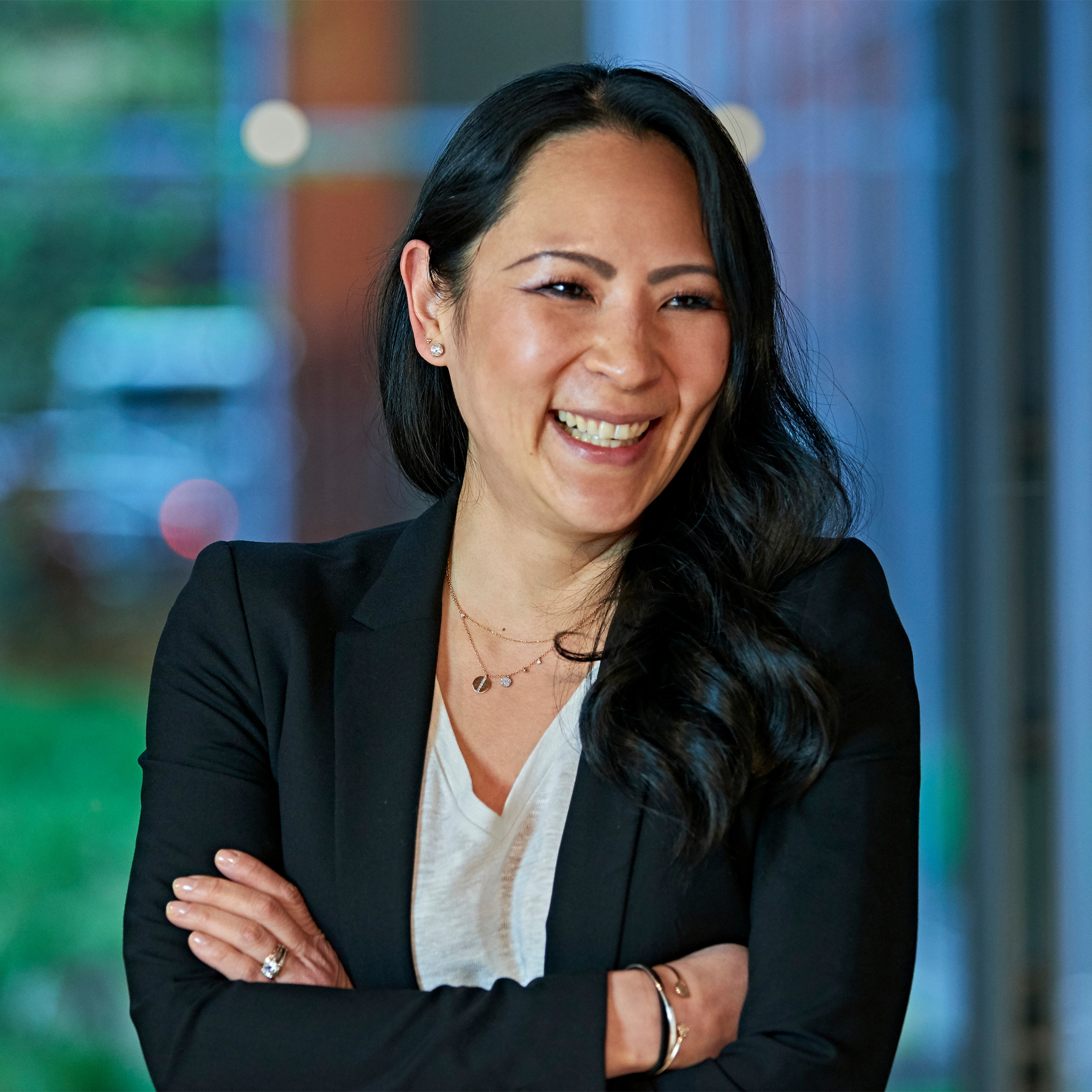
Welcome to Hospitality On The Rise, the podcast about the people shaping the hospitality industry and their journeys. I'm your host, Alice Cheng, founder and CEO of Culinary Agents, hospitality's go-to hiring platform. And I'm here to give you your dose of virtual mentorship.
Here, we'll be sharing the stories, lessons learned, and advice from hospitality leaders who've carved out their own path to success. After all, this industry is where many get their start and go on to do incredible things.
Whether you're a pro, starting out, or just love the hustle, this podcast highlights what makes hospitality extraordinary, the people.
HOST: ALICE CHENG
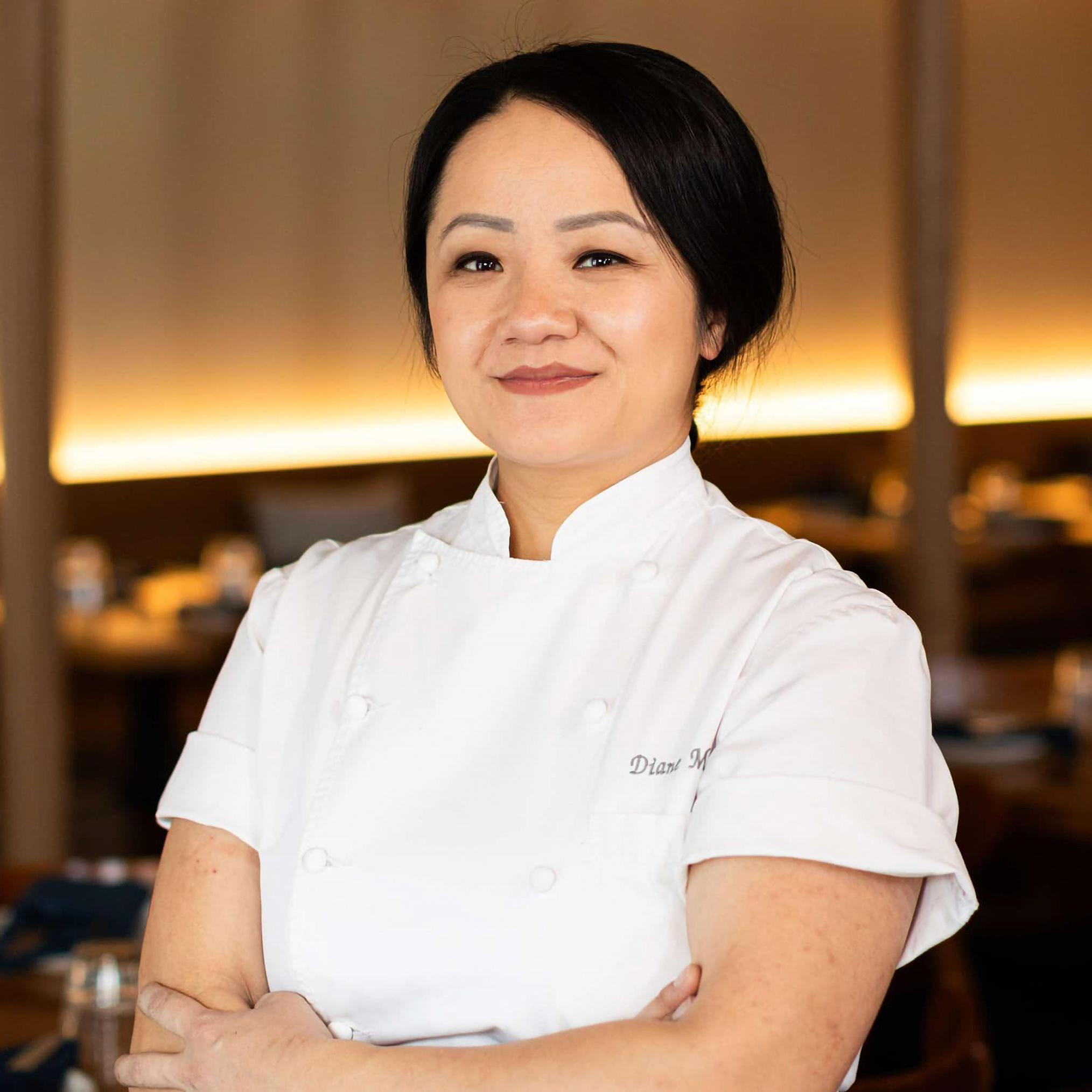
We're so excited to have Chef Diane Moua here with us today. Diane is the Chef-Owner of Diane's Place in Minneapolis, Minnesota. She is in Midwest Living Magazine's Fall 2025 The Heritage Issue that celebrates people, places, foods and stories to tell. And The New York Times’s The Restaurant List 2025 (50 Best Restaurants in America) and 2025 Food and Wine Restaurant of the Year. Diane, thank you so much for joining us today.
GUEST: DIANE MOUA
Thank you for having me.
HOST: ALICE CHENG
I was fortunate enough to see you recently in New York, so I'm very excited to continue our conversation. But let's take a step back and hear, how did it all begin?
GUEST: DIANE MOUA
You know… some days I wake up and I'm still amazed at where I am right now. I don't say this much, but I think this year, maybe the past month, I finally just said, I'm very proud of myself.
HOST: ALICE CHENG
Yes!
GUEST: DIANE MOUA
I mean, I was the first daughter of immigrants, first generation here. So I never put this industry and how I was raised together until, I think, maybe 10 years ago, I'm like, “Whoa, I can put both my worlds together.” Because what my parents taught me is the whole hospitality, you take care of people, people come to our house. And then when I was working with Gavin [Kaysen], I did a lot of that. We talked about hospitality; it's not just about the food, it's about the whole service, the whole ordeal. And I'm like, hey I've been doing this my whole life. I still do it. So being able to put the two and two together was really good… And that's kind of what Diane's Place is too.
HOST: ALICE CHENG
The culmination of all of your different experiences and your loves, right? So when you were growing up, were you just drawn to baking and cooking…?
GUEST: DIANE MOUA
No. I mean, well, cooking, because I'm the oldest daughter, my job was to basically cook and clean, take care of the family. My mom held two jobs. I didn't see her much, and when we did, it was on weekends, like Sunday for just a little bit. I mean, I remember having to come home after I was… six, seven? But coming home and remembering– Maybe eight, okay, seven or eight. But having to do dishes after we ate dinner. And my dad's like, “No, it's your job, you have to do it.” I'm like, what? And remember seeing all these dishes and I'm like, I have to wash all this? But then I'm like, yes, I have to do it because otherwise my mom would come home from working two jobs and have to do the dishes. So it was always ingrained in me. My dad always taught me how to cook, how to clean, how to take care of the family.
Being first Hmong generation, even back in the day, they give birth to a boy and they're like, “All right, a bloodline doesn't die,” but then give birth to a daughter and like, “All right, let's prep her up because she's going to be leaving the house, carrying our name,” you know. So that's what my parents were doing,being first generation.
So growing up in the U.S., being born here, I always joke around that my English is not that great because my mom and dad always said, “When you come home from school, you have to speak Hmong.” So we came home, we only were allowed to speak Hmong. We go to school, we were only allowed to speak English. So it's like, I always feel like I have Hmonglish. I always go between the two.
HOST: ALICE CHENG
Yeah, I feel like with immigrant families, if you're a first generation or second generation, you're often kind of torn between a couple of different worlds, depending on how your family… what they instill to prioritize in the home, right? And I look back now, I'm telling my dad, “Oh, you should have forced me to learn Chinese more.” It was in hindsight, right?
But that's great. I mean, also we hear oftentimes that connection with the family and the responsibilities, if you will, that get instilled sometimes just by default really have lasting impacts as you're growing. So you're cooking for the family, most likely creating some delicious homey-types meals. Did it ever occur to you, like, “This is something that I want to do in the long run,” like, “I want to have a restaurant one day.”?
GUEST: DIANE MOUA
No, I mean… Never, I never did, but I actually went to culinary school because I wanted to do cakes. Right after high school, I worked at the sushi kiosk, and it was in a really fancy grocery store; they had carpet. And I was raised in Wisconsin, so I'd never seen a grocery store like this before, and I’m like, “All right, this is where the rich people shop, right?”
And so the sushi kiosk was in Byerlys… Byerlys & Lunds is up here in Minnesota. And when you walk by the bakery department, it was like, I'm not kidding you, there were cakes and tortes. Everything was so pretty. They had these display wedding cakes. And every day I would walk by when I go on breaks, I would look at their stuff and I'm like, I want to do cakes. At that time the only place that–you know, they didn't have a pastry program yet, but they had Le Cordon Bleu up here. So I decided to go to culinary school because they had a cake class in there, they had a sugar sculpture class, ice sculpture. These are the things I wanted to do but when I was in school, I realized I really did not like any of this. Because I don't have patience. You have to be like, take your time to make these little intricate designs. And then when you're doing sugar and chocolate sculpture, it just all goes to waste afterwards. You spend all this time stressing about it.
But I ended up heading to… In order to graduate this program, I had to do an internship. And I didn't know where I was supposed to go. All my friends, a lot of my friends went to hotels. And I wasn't sure if I wanted to go to hotels. And this was so early stages. I didn't know about small restaurants, I didn't know about what the hotels really have to offer. So I went to one of the teachers and I said, “I don't know what I need to do. How can I finish my internship?” He's like, “Well, what do you want to do?” I said, “I have no idea.” He said, “Do you want to work with the best people?” I was like, “Of course, why would I not?”
So at the time that teacher was still serving at this fine dining restaurant in Stillwater, Minnesota, and he said, “Why don't you go meet them? And we'll go from there.” And I walked into this restaurant, and I'm not kidding you, it was white tablecloth, and I've never seen this besides on TV. White tablecloth with all the wine glasses, all these utensils laid out and I'm like, wow, this is so amazing. Because I've never been… you don't see this stuff in Wisconsin. You don't see this stuff, even when I was in Minnesota, I'd never been to a fine dining restaurant.
I talked with a chef who is now one of my really good friends. He interviewed me, I got the job, I got the internship. And I was so amazed. I mean, being a girl, they're like, “What do want to do?” I'm like, “I don't know.” They're like, “Do you want to do pastry?” And I said, “Sure.” And of course, that was easiest, because I knew I've never done this. They showed me all the stations, but then I ended up working on the pastry department, which, the restaurant was so small, I was prepping on top of a freezer. And putting dessert like a pithivier with ice cream, with powdered sugar, and you sent it out. And the guests were so happy. And I said, “Do people do this for a living?” And they looked at me and they said, “Yeah.” I said, “Like, putting desserts on a plate like this and goes out, that's a career?” They're like, “Yes.” And I was like, “Wow! I want to do this.”
And then from there, they guided me to work with one of the best pastry chef we had in town, was Adrienne Odom. She worked in New York, but she had moved to Minneapolis because they opened Aquavit in Minneapolis. So she was the pastry chef at Aquavit. So I went to her and I heard she was hiring. I applied and I got the job. And from there, I just ended up working. And from Aquavit, she ended up going to work with the same chef I did my internship at, at this new restaurant called Solera. And I asked if I could go with her and she said, “Do you want to?” And I said, “Yeah.” And from there, I worked under her for like six years. I worked under that chef for 12 years.
HOST: ALICE CHENG
Wow.
GUEST: DIANE MOUA
And I just ended up working, you know, he had so many great people work with him. And I remember there were times like, I'm like, “Okay, I'm going to quit and maybe go somewhere else.” And Tim always said, “You're not leaving until you leave to go to do better. You don't leave to take a step back.” And that really was instilled in me, of like, okay, fine. But I'm like, I need to get more experience and he… I wouldn't just quit on him too, you know, because if anything, he's taught me so much. So he let me consult at a lot of restaurants. He let me consult at a lot of restaurants, and I was able to do desserts for other chefs in town. And then when Gavin Kaysen was moving in town, I asked if I could go work there and he said, “Now you can leave.”
HOST: ALICE CHENG
Wow.
GUEST: DIANE MOUA
So I was able to leave and work with Gavin. I worked for Gavin for seven years before I ventured off to opening Diane's Place. Throughout my career, I mean, I worked for Tim McKee for 12 years. I worked for Gavin for seven years. It was pretty amazing, so it shows you that you don't have to jump around. I was able to learn a lot with the chefs I worked with. You know, I worked with Tim McKee. I built my palate through him. I learned how to get along with a lot of great chefs. All the boys that I worked with when I did my internship, they are like my brothers from another mother. We still stay in touch. They're amazing. They're great mentors of mine.
I mean, even Gavin, I learned the whole business part from Gavin. And I got to travel with Gavin when he did these events, which was so amazing because everywhere we went–when we cooked at Thomas Keller, Daniel Boulud, sometimes I have to pinch myself, like, am I really here? You know, don't mess up because you're working with all these talented chefs. But he trusted me. He trusted me, and I got to do these events with him. So I was very honored to be traveling with him. And so I got to see a lot. I got to see more fine dining. I got to see how events really work. So I learned a lot within the time I worked with these chefs. Gavin is a huge mentor in my life.
HOST: ALICE CHENG
Yeah, and it's a true, obviously, testament to your dedication and hard work, because oftentimes when you hear stories like this–and that's great advice–just simply sharing how you stayed and why you stayed in the conversations you had with your mentors and your managers. Like oftentimes, leaders, great leaders and mentors, they're also looking out for you as the individual. We hear from both sides. Sometimes younger folks are maybe impatient. They're ready for the next thing. The leader or the mentor is really trying to guide. And I think that's a real example of you put in the work and the dedication and it's recognized. And those in turn want to guide your career and help you, not see you take a step back or make a decision because of maybe the wrong reason, or what they think is the wrong reason, right? That's so important.
GUEST: DIANE MOUA
Yeah, and everywhere I worked, I've always treated every job I had like it was my own. I always owned it. You know, when I worked with Tim, I owned it. I owned that pastry department. I loved the best way I can. Even with Gavin, Gavin mentioned me once like, “This is your playground. You get to play with my money.” Kind of. “You get to play with my money, and you get to run this like how you would run your place.” And that is so true. It's like your test run before you're out on your own, and when it's really your money, how would you run your department? How would you keep labor costs, food costs down? And it was very true. I've always treated every single place I've worked at like my own. And I was always very proud of everywhere I worked at and everyone I've worked with. And I think that has instilled in me because now I want to do that at Diane's Place. I want to make sure my team is proud to be where they are. So I learned a lot.
HOST: ALICE CHENG
Yeah, yeah. And even with Gavin, who was our first guest, he said something similar where Chef Daniel Boulud gave him the empowerment to run Café Boulud as if it was his. And so that was kind of his run, his kind of prep, if you will, to go off and do his own thing. So hey, this is a perfect example of how people build their networks, their legacy. They put it out in the ether. And this is how the industry gets better and better. And I love that example you gave of, do people do this for a living? Can I do this for a living? Plate desserts and make sweet things that make people happy? I love that, I love that.
So you worked at all these different places. Were there any things that you can think back that were really inspiring to you other than, of course, working for great people? Were you, like, asking questions? How did your leaders recognize in you that you were someone that was eager and hungry and had a lot of potential? Like were there projects that you were volunteering for?
GUEST: DIANE MOUA
I mean, when we opened up Bellecour, I mean, I've always done plated desserts my whole life. And then when he's like, “Yeah, we're going to open up a bakery.” I'm like, “I've never made croissants, nor do I know how to make bread.” He sent me to Thomas Keller's bakery, Bouchon, in Yountville. And I was there for five days. I came back, and I was so scared because I'm like, I don't know how to do it. Like you can’t just watch people. Unless you do it yourself, you don't know how to do it. Gavin said, “Don't worry. You just have to hire people that know how to do it.” So I'm like, all right, he trusts me.
And we did open Bellecour and it was very successful. But I learned a lot in the process too, because I hired somebody to do the lamination, and I remember we were so busy we couldn't keep up with production. And I said, “Hey, you have to go faster. What do you need? How can I support you?” But she said to me that the sheeter couldn't do more than ten books a day because it was gonna break. And I said, “Are you sure? These machines are made to go back and forth all day.” And she said, “Yeah, like you can smell the engine smoking.” And I was like, all right. So long story short, she ended up leaving, and I ended up having to laminate to do croissants. And I kept looking at the time. I'm like, I'm so scared because something's going to be wrong, because she spent a whole eight-to-ten-hour day to do 10 books and still didn't get it done. And I was looking at the clock, and we're like two hours in and I'm like… done. And I'm like, all right, tomorrow all my croissants, they're going to be crap because I didn't spend 8-10 hours on it. And… they turned out great. So we were able to do 48 books in a day.
So I learned a good valuable lesson: you have to know how to do it. Otherwise, what Gavin said was right, like hire somebody else that knows how to do it. But then as an owner, you have to know how to do it too. Otherwise they're going to take advantage of you. And you know, and I was telling Gavin, like I learned a lot. I was able to push out 48 books with the same machine, and it didn't die. It didn't smoke on us. But learning how to do something before you do run a business, you know? So I learned a lot. I love that Gavin trusted me to figure that out. He just knew that I wouldn't let him down, too. I was like, all right, you want more croissants? We’ll make sure you have more croissants. There's that.
HOST: ALICE CHENG
Yeah, that's a great story. It's like, know how to do it yourself. But then also who knows, maybe this person wasn't doing it right or maybe they were trained improperly and bringing that into the fold as well? So that's great advice. So you opened a couple of businesses. I would say, what was the biggest challenge for you as you were open–because you opened three, three properties, or almost four. You were overseeing Demi also with some pieces, right?
GUEST: DIANE MOUA
Yeah.
HOST: ALICE CHENG
So in that growth–because that was in a pretty short amount of time–was there anything that stood out that you learned other than this “know how to do it yourself" type of mentality?
GUEST: DIANE MOUA
I mean, time management. Overseeing three really busy restaurants was a lot, but trusting people, it was one of the hardest things. Sometimes you just want to do it yourself because there's this control of making sure that everything is done correctly. But when I had to oversee three restaurants–three really well-known high-end restaurants–I had to trust. I had to trust my sous chef at Spoon and Stable that she was going to make sure the quality stays the same, that people don't realize. The last thing you want is like, Gavin and Diane's not there. The food's not good. It’s like, it has to. Being able to run, being able to trust your team that they're to pull through and guiding them. So learning to trust is probably one of the hardest things because you're trusting them to do the job so everything goes well.
Even now I'm able to… I'm able to be here to do this podcast because I have people I trust at the restaurant. I have managers, I have a whole team that I trust. And so you have to trust otherwise you just become controlling. I think expectations and controlling are two different things.
HOST: ALICE CHENG
Yeah. And potentially burn yourself out too.
GUEST: DIANE MOUA
Yes. Yes, and I can't burn– You know, I think last month I just said, “I am going out of town,” and I just did it. And it was good for the team. It's good for them because I can't be there every day, and they need to know when mom's not there to take care of things too. But I knew I can leave because I trusted the team. So trust is a huge thing.
HOST: ALICE CHENG
Yes, and that's a perfect segue into your current spot, Diane's Place. So when you started thinking about you wanna branch out on your own, did you have that itch and motivation and were you already thinking about the concept, etc.?
GUEST: DIANE MOUA
Kind of. I feel like the concept has evolved a hundred times. At first it was going to be a bakery, and then it was going to be fast-casual grab & go. I was scared because, like, opening restaurants for other chefs, they do all the hard work. They do all the paperwork. All I have to do is go in, set up my station, train my staff. That's the easy part, you know? So opening my own place, yeah, I was scared. I don't know what I was doing, but I was very lucky because relationships in this industry is really important. I'm friends with or know all the chefs in town. And all the chefs that I worked with, they have all opened their restaurants. I feel like I was the last one. But I was able to go to them and ask, “What would you do, what would you not do if you had to do it all over again?” And so I was able to really talk and get all these key points on how to do it correctly or if they were to do it again. And that really helped me get me to where I am.
It's okay–it's not like you're dumbing yourself down, but it's okay to ask questions. Ask questions and take notes, and just because someone says, “Oh, I wouldn't do this again” doesn't mean I can't do it. But I have to assess the situation of does it fit me, does it not, you know? Do I need partners or do I not, can I do this by myself? So these are a lot of things that I took notes, one of the biggest things was a guy I talked to–he's not in the industry, he's in the music industry–and he said, “Go talk to a lot of banks, talk to a bunch of investors.” I said, “I don't know how to.” He goes, “Just ask what you know. Just be flat honest saying, ‘I don't know what I'm doing, but this is what my vision is. And in order for me to get here, I need this amount of money.’”
And so I did talk to a few people about potential investors. Nobody really turned me down, but nobody really took the bait too. They just said, “You know, we want to support you. Let us know when the restaurant's open, but I'm not sure we can do it right now.”
I talked to a few banks. I'm like, why are banks different? Shouldn't they all be the same? And I learned a lot because I went to a few banks and one of the banks, he said, “I don't know anything about Hmong food. Can you compare it to meat and potato? How would you compare it?” And I just looked at him and I just said, how do you even know how to answer that? I said, “I guess your rice is your potato and your chicken is your beef, your steak.” Then I realized like, alright, this is why you talk to different banks.
I talked to this other bank, and I flat-out said, “I don't have any money. I don't have any collateral. This is who I've worked with, this is my resume. But can you take a chance on me?” And they said, “Yeah, we want to take a chance on you.” And I was able to get the loan to open up the restaurant with no investors. So that was the right route for me, by asking questions and maintaining good relationships with my friends, my colleagues in town. I've talked to a lot of people that, during my career, I've heard of them, but I've never really talked to them before. It's always okay to ask questions, and people want to help you, they will help you. And you can feel it when people don't want to help you, you know? So I was always curious, I was always asking questions.
HOST: ALICE CHENG
It's also good to ask the right questions–or at least ask questions–but also know what you're trying to do. ‘Cause I do believe that in general, most people want to help, but it's a lot easier when you ask them for specific help or you give them guidance on what you need help with. And that whole interaction can be more efficient. And that's great ‘cause oftentimes people don't know, especially if it's their first foray, they don't know what they don’t know. They don't even know what questions to list out. They don't even know who to talk to. And sometimes after you speak to someone, you have other questions. But that's great.
GUEST: DIANE MOUA
Yeah, but my thing was taking notes. Yeah, taking notes on what you're saying, the unknown. But when they're telling you– You're taking notes because now that I have the restaurant open, I reflect back on my notes, I'm like, oh, that's what they meant about that. That's what they meant about doing that, so it helps you in taxes. But you know, it might not make sense in the moment, but if you take notes, you can always refer back to them like, all right, I get it now.
HOST: ALICE CHENG
Yeah, absolutely. Or just do your research after. I think that that's great. And that's also a great example of like, people raise money in different ways. People open their businesses and get started in different ways. And if one way works for one person, that may not work for you, but at least having that knowledge of how they did it can inform you on how you might want to go forward. And things change all the time. So I love that. Thank you for sharing.
GUEST: DIANE MOUA
Yes. No problem.
HOST: ALICE CHENG
So now that you're, you're in it, what's next? What's next?
GUEST: DIANE MOUA
You know, I don't know. Everyone's like– you know, I talked to somebody this morning about they wanted me to do this project with them. I'm like… I want to do a really good job at this place, at the restaurant, and see where that takes me. I don't have, you know... Do I want to open other restaurants? No, I don't. It's so much work, and I work hard, and if I could do it, I want to do really good at this restaurant and be able to retire at this restaurant.
HOST: ALICE CHENG
I love that.
GUEST: DIANE MOUA
So… I might be crazy, but you know, I wasn't in the mindset to open a restaurant 15 years ago. So that might change in a few years, but as of right now, I don't have any desire to open another restaurant.
HOST: ALICE CHENG
Yeah, and it's okay, right? Just like we just talked about, everyone gets there differently. Everybody wants different things. And one person, their goal may be to open multiple or have a big group with different concepts, etc. And some just wanna focus on one, maybe two projects, and that's their goal. I think that's great. I think there's a lot to be said about doing something really well and focusing on it, because that's what you want to do, versus growing in a way that you can expand out and also do those things well, but just very different.
GUEST: DIANE MOUA
Who knows? I mean, as of right now, it's not changing.
HOST: ALICE CHENG
Stay tuned, that may change later. Where do you currently find your inspiration?
GUEST: DIANE MOUA
You know, my inspiration is my parents' hard work. They drive up once or twice a week to drop off veggies, and they work so hard. And I don't want them to drop off veggies or to grow me any veggies, but they're so proud, and I'm very proud to serve their hard work. But they inspire me because they just keep going, they keep going, and I want to make sure that I can showcase their hard work. So they inspire me to really stay motivated. You know, what's the American Dream of why they came here, right? I mean, two weeks ago, my dad said to me, “You need to make sure you are doing a good job.” You know, Asian parents, they never really tell you they're proud of you. But my dad said, “You need to realize you are your mom and I's hero.”
HOST: ALICE CHENG
Aww, wow.
GUEST: DIANE MOUA
And I said, “What?” He's like, “Yeah, you are our hero. So you need to make sure you do a really good job.” And I'm like, “Okay, that's a lot of stress, you know?” But I always say to them, “I'm always gonna do what I know, so I will try to do good on what I think is good, but that's all I can control.” But they do inspire me every day because of how much they hustle, how hard they work.
HOST: ALICE CHENG
And I love that you mentioned earlier on in the show that just recently you were able to kind of be proud of yourself, or pat yourself on the back a little bit.
GUEST: DIANE MOUA
Yes, yeah. Yeah.
HOST: ALICE CHENG
And more of that, I think, is always great. I love that. Asian parents, it's like, how they show love is like, just feed you, right? So in a way you're, like, food–
GUEST: DIANE MOUA
Yes. “Did you eat yet?” Yes.
HOST: ALICE CHENG
“Are you hungry?” But hospitality and food is right within culture and upper alley. With that, I think we're gonna move to quickfire. All right. What advice would you tell your younger self?
GUEST: DIANE MOUA
Take notes. Even from the bad. The good and the bad. There's always things to learn from the bad.
HOST: ALICE CHENG
What's your advice for someone struggling in the industry?
GUEST: DIANE MOUA
Take a deep breath. You know, I always tell my kids this. Don't stop for a week, don't stop for a week or two weeks to figure out what you want to do. Keep going at it. And if it's not for you, you'll know, and then you can just get out of it. But like, if you're just one foot in, one foot out, it's like, always ask yourself if you've given it 100%. If you did it, it's not doing well, then it's okay to walk away from it. But you have to give 100% first.
HOST: ALICE CHENG
What's your advice for fellow hospitality leaders?
GUEST: DIANE MOUA
Don't forget to take, don't forget to breathe, don't forget to rest, because we cannot burn out. We are mentors and leaders, so we need to make sure we can take care of ourselves before we can take care of others.
HOST: ALICE CHENG
On that note, thank you so much, Diane. Congratulations on not just recently the accolades, just I've been fortunate enough to see you be a leader in this industry for many, many years. So yes, you should absolutely be very proud of yourself, and we can't wait to see what's next.
GUEST: DIANE MOUA
Thank you.
HOST: ALICE CHENG
Remember, success looks different for everyone in hospitality. No two paths are the same. If you have a leader or a topic you want to hear about, email [email protected].
Hospitality On The Rise is brought to you by Culinary Agents, connecting top talent with employers since 2012. Whether you’re hiring or looking for your next opportunity, join us at CulinaryAgents.com
For more inspiration, subscribe to Hospitality On The Rise and visit HospitalityCareerPaths.com, a free platform by Culinary Agents.
Thanks for tuning in! Remember to like, follow, and subscribe. And if you loved this episode, share it with someone who could use a little inspiration.