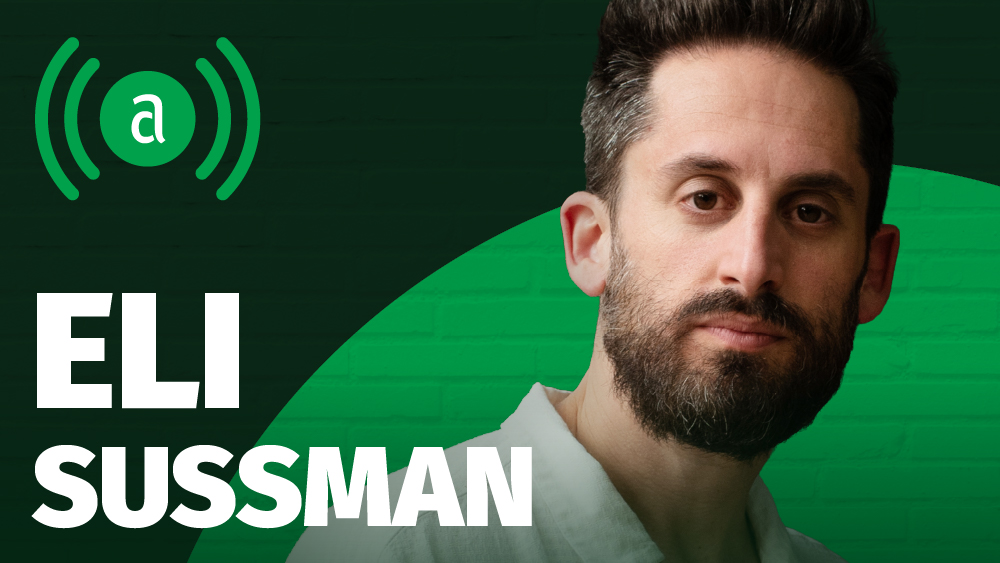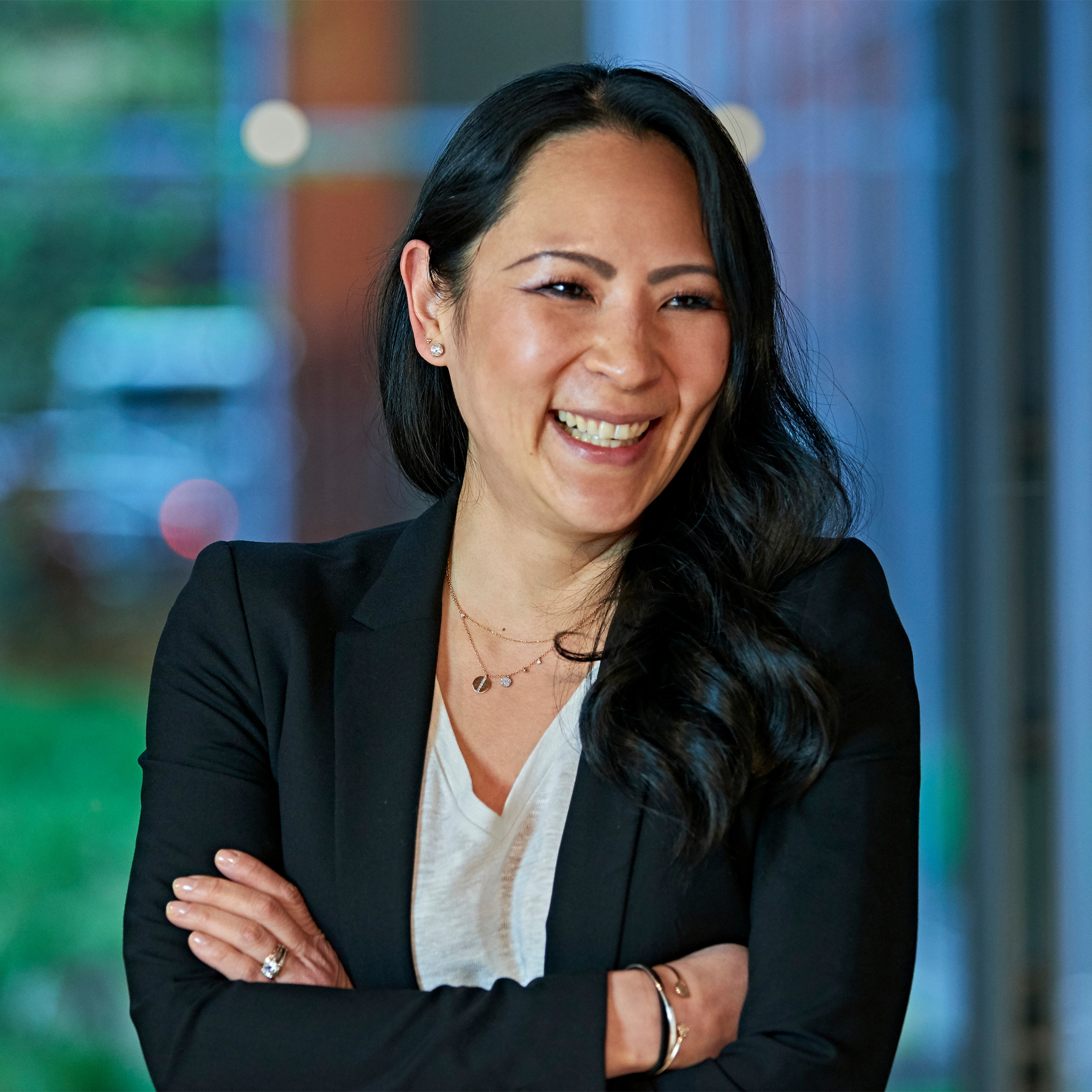
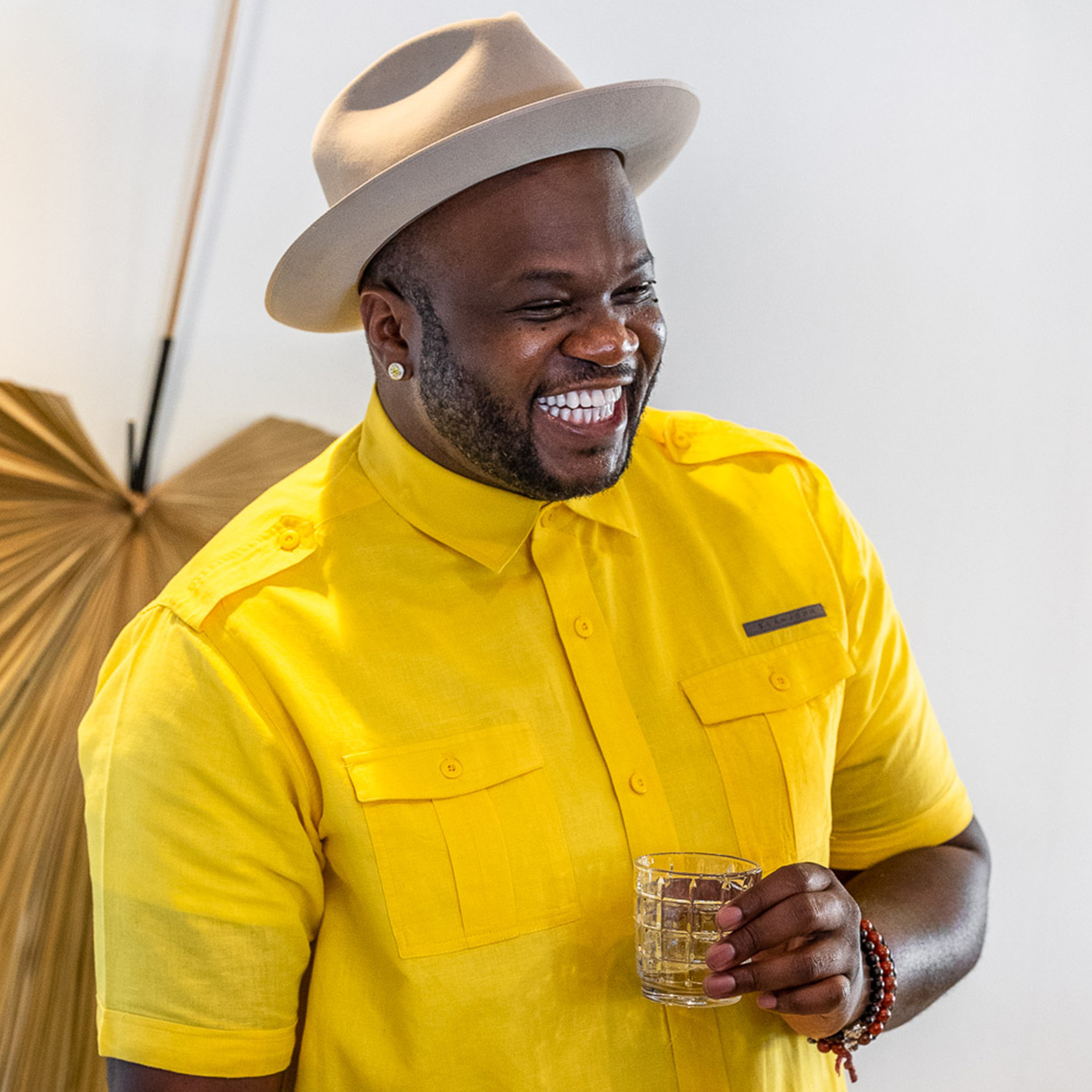
On this episode of Hospitality on the Rise, we welcome Tavel Bristol-Joseph—Director of Hospitality, Pastry Chef, and Partner at Emmer & Rye Hospitality Group, and Founding Partner at Pullman Market. A 2025 James Beard Award semifinalist and 2024 Esquire’s Pastry Chef of the Year, Tavel shares his journey from Georgetown, Guyana, to becoming a leader in American hospitality. He reflects on his early start in home economics, his move to the U.S., and his evolution from aspiring basketball player to acclaimed pastry chef. From staging at top New York restaurants to pioneering sustainability in Austin’s food scene, Tavel’s story is one of resilience, reinvention, and dedication to community-driven hospitality.
Links
Transcript
HOST: ALICE CHENG
Welcome to Hospitality On The Rise, the podcast about the people shaping the hospitality industry and their journeys. I'm your host, Alice Cheng, founder and CEO of Culinary Agents, hospitality's go-to hiring platform. And I'm here to give you your dose of virtual mentorship.
Here, we'll be sharing the stories, lessons learned, and advice from hospitality leaders who've carved out their own path to success. After all, this industry is where many get their start and go on to do incredible things.
Whether you're a pro, starting out, or just love the hustle, this podcast highlights what makes hospitality extraordinary, the people.
We are so excited to have Tavel Bristol-Joseph with us today, the Director of Hospitality, Pastry Chef and Partner at Emmer & Rye Hospitality Group and Founding Partner at Pullman Market. That was a mouthful.
I want to highlight a couple of awards and recognitions, but the show's not long enough for me to read them all. So I'll just pick a couple. Most recently, 2025 JBFA Semi-Finalist: Outstanding Chef, 2024 Esquire's Pastry Chef of the Year, 2024 Robb Report “50 Most Powerful People in American Fine Dining” - #47 with Kevin Fink. And let's not forget 2020 Food & Wine Best New Chefs, amongst many, many other things.
We're here to hear from Tavel how it all began and what he's learned along the way. So Tavel, welcome. Thank you so much for joining us.
GUEST: TAVEL BRISTOL-JOSEPH
Thank you, thank you. I'm so happy to be here. After that discussion, I feel like I'm ready for the Super Bowl or something. This is amazing.
HOST: ALICE CHENG
Yeah, and you know, one of the things that I often say is we bring leaders on to this show to talk about how they got to where they are, but it's a great reminder that so much has happened, and so much hard work and dedication has gone into getting you to this point. So how did it all begin?
GUEST: TAVEL BRISTOL-JOSEPH
Yeah. Well, it all began in Georgetown, Guyana. I was in high school, and your last two years of high school, you pick a trade in what direction you want to go in as far as professionally, mainly because there's not that many colleges in the country.
So what the government figured out is, “How do we get young professionals ready for the workforce by getting them trained in high school?” So there's programs there that are for trade, as far as technical, drawing; if you want to be a woodworker, communications; if you wanted to get into clerical work, and home economics; if you wanted to be a chef and get involved in hospitality.
So I started there, so that was about 15. I was 15 when I started in home economics in Georgetown, Guyana. And that was the beginning of everything, not knowing what I was going to be. Because it wasn't a situation where I was sure I wanted to be a chef or in hospitality. It was something that was just like, “Hey, I'm kind of good at this thing. Let me play into it a little bit, see where it takes me,” and I've been able to continue my studies, and now I'm here.
HOST: ALICE CHENG
What was the point where you were like, “I really love this” or “I could do this as a living”?
GUEST: TAVEL BRISTOL-JOSEPH
Um, good question. I think that point came at the age of, I would say, 22, 23. Because when I moved to America, I was 17 years old. And I was reuniting with my mom, building the connection with my family here in the States–because most of my family was here, some was in Guyana.
So I felt like there were so many other things that I had on my plate, such as how to be a young man, finding my identity, finding my voice in this American culture. Cooking and being a professional chef was probably the second to last thing on my mind. Everything else was “how do I adapt to this environment?” And being in school and being a chef was part of this “means to an end” mindset.
Now I knew that I wanted to continue to be in the industry from going to culinary school. I knew that this was something that I loved, but I wasn't sure that this was gonna be my end-all be-all. I was just going through that process while trying to figure out who I am as a person. So I would say… well, 20, 22, 23 is when I said, “Okay, this is what I wanna do for the rest of my life.”
HOST: ALICE CHENG
Nice, nice, and did you go straight into pastry?
GUEST: TAVEL BRISTOL-JOSEPH
Yeah, so I got to America, and I really wanted to be a basketball player. My mom saw me play and advised me not to. She was not allowing her son to go embarrass himself out there, because I was humbled by the streets of Brooklyn. Those guys were way better than I thought.
You know, I went to New York Restaurant School and joined in the pastry arts program. So it's always been desserts, because to be honest with you, I'm addicted to sugar. I love sweet stuff. I love cakes, cookies, ice creams. So I was feeding my addiction by my professional job. It really is sad, but it's honest.
HOST: ALICE CHENG
Well, it seems to have worked pretty well for you and for all of the guests that have ever been fortunate enough to eat your delicious pastries. So you're at cooking school, but you start working in some really well-established great places. Talk about working in the city, after going to school, finding yourself and kind of reestablishing connections to family. I mean, there's a lot going on there.
GUEST: TAVEL BRISTOL-JOSEPH
Yeah.
HOST: ALICE CHENG
And now you're working in kitchens, these busy, chaotic kitchens. And just for those who are listening, Tavel’s like a good two feet taller than me. And Manhattan kitchens are tight at best, right?
GUEST: TAVEL BRISTOL-JOSEPH
Yeah, yeah, absolutely. So I started my career at the River Cafe in Brooklyn. At the time when I started, I actually went in to interview for an internship because I was getting ready to finish my studies at the restaurant school. Now I think the New York Restaurant School just changed to the Art Institute; they’re changing the name.
So I went in to do that interview, and while I was having a conversation with the chef, I think she misunderstood me when I had reached out, and she thought that I was looking for a job. I was actually trying just to get into the kitchen to work for free. So while we were talking, she just mentioned, “So when can you start?” I'm like, “Whenever you want me to start.” She's like, “Can you start tomorrow?” I was like, “Absolutely.”
So I got the job, and I was like, okay, well now I have to ask her about my internship. Initially before getting on the train, going to work that day to have that conversation with her, I was like, “Man, I'm gonna have to work more hours because she's probably gonna ask me to work some extra hours to make up for the fact that I'm doing an internship.”
And she was so sweet. This woman, Kerry Dunville, she was so amazing. She was like, “Listen, just write in the hours because you're working anyway, and we're just going to send it to your school, and it'll be fine.” So I was actually working the entire time and just going through that process.
So that was the first place that I started. I worked there for, like, five years. And it was such an amazing experience, being in a kitchen and watching how the chef really was essentially a maestro, just controlling service and understanding the flow and what hospitality meant. That was the first real professional space that I've ever been in where the chef had so much respect.
Because normally we see a chef in a space of like a servant and it's like, “Hey, what can I do for you?” Right? And it was interesting to be in the back of the house where the chef now is actually the one that's in charge of the entire space and is controlling from the time that the guest walks into the front door. The chef had something to do with that greet to the time that they had dessert.
So it was really interesting and really inspiring being in that kitchen. And that was around the time where I was like, this is what I want to do for the rest of my life. Because I started at that restaurant, I was 18 years old, and just working through all the differences and being in a space where there's so much culture. I've never been in a space where there was so much representation. There were Haitians, people from Mexico, people from Peru; there were Japanese, European, Portuguese–everyone was working in this kitchen under this ecosystem. For me, I'd never been around that before, coming from Georgetown, Guyana. So it was really interesting, and it was some of the funnest times that I've had in this industry.
And then I left, and I went on to Blue Fin at the W in Times Square. I went on there to be a pastry sous chef. And that was another amazing experience because it's the hotel and banquet, so you learn how to do these large batch cooking. You learn how to prep way in advance to be ready, because when there's a banquet and it goes off at nine o'clock, everything has to be ready at nine, and there's no wait. So I learned a lot.
HOST: ALICE CHENG
And it's Times Square.
GUEST: TAVEL BRISTOL-JOSEPH
And it’s Times Square, and it's across the street from Morgan Stanley, and you have professional meetings and banquets every single day. Five or six events a day.
So moving from a fine dining space to something like that was eye-opening. It was a lot.
HOST: ALICE CHENG
Was that intentional? Did you say, “I want to get some more high-volume experience,” or “I want to get some hotel experience”? Was that kind of…?
GUEST: TAVEL BRISTOL-JOSEPH
To be honest with you, they were paying really well. And I wanted to be IN the city. That was my only thing. Because when I left the River Cafe–crazy, I was crazy. I woke up one morning, and I said, “You know what? I've been here for five years. I want to see other things. I'm very confident in my abilities. I'm just going to put my notice in and I will figure it out after that.”
And what I did was I reached out to all the top restaurants in the city. I think it was like four or five restaurants I reached out to. And I just said, “Hey, I would love to come in and stage for a day, completely free, just go in and try to connect with that space.” And everyone accepted.
And after my two weeks notice, I got up at, like, seven in the morning and I headed to those restaurants and I staged . And what my goal was I was going to outwork every single person in that restaurant. I didn't want to take a break. I was going to be there early, and I was going to shut it down. I would drink water throughout the day, and I just wanted to prove to everyone that I will work harder than everyone else. And that's exactly what I did. I staged at, at the time it was Davidburke and Donatella, Eleven Madison Park, Auerole. I staged at Blue Fin. And there was one more restaurant I staged at, it's not coming to me right now.
But I knew that every single place that I staged, they offered me a job. They were like, “We want you on the team.” But I was like, okay, I'm just gonna wait out this week, because I had it scheduled where every single week, every day for five days, I was in a restaurant. And at the end, Blue Fin had the better offer, and they really wanted me to be on the team. And that's why I decided to go that direction.
HOST: ALICE CHENG
Yeah, I love it. I'm going to hone in on that a little bit because, you know, obviously your work ethic and your determination at the time is something that doesn't go out of style and is still looked for today by leaders, right? And respected. But also testing out what you said, a space that you connected with, right?
Because you know how much hard work and dedication goes into working in a kitchen, and if something is off, or if you're not connected to that space, it could make the job different and make your experience different. I love it. And at the end of the day, you got to do what you got to do. Businesses are always thinking about ways to attract and retain and hire the best talent, and they need to accommodate it as well to secure that. So I love it. I love it.
So you're in Times Square–Blue Fin, high-volume. Now you have all this experience working in all sorts of different scenarios. And then you move out to Arizona.
GUEST: TAVEL BRISTOL-JOSEPH
Yeah. Yeah, yeah, yeah. I moved out to Arizona. So I'll tell you why. You know, one, I moved out to Arizona for a relationship, but the main reason why I wanted to move out to Arizona was that I felt like everything was happening very fast for me. I felt–as much fun as I had, as much friends that I had, as much as my support system around me with my family was great–I still was uncomfortable, and I still felt lonely at times. And it was a very interesting space to be in because I was–in my opinion and others' opinion–was like, “You're one of the youngest aspiring pastry chefs in the city, right?” And places that I'm working at and desserts that I was making was getting recognition.
So I was on this fast track to get to where I needed to be, but I was not happy with where I was as an individual, just personally. I still felt that there were things that I wanted to see and places I wanted to visit. And working in the city and working at the pace that I was working, it wasn't sustainable. So I wanted to change things up a bit. And that was my core feeling, that I can go anywhere and work. And if I'm able to go to a different city and still progress, that'll be even better.
So making the decision to go to Arizona was slowing down and a reset, essentially, for me. You know, my career definitely took a pause by doing that, but I think it was the right thing. It's almost like the slingshot motion, right? Where sometimes you gotta take a step back to find who you want to be. ’Cause I think while I was in New York, I was trying to catch up to who I am. And then when I got to Arizona is when I figured out who I wanted to be. And it's an interesting journey. Some of us are blessed to make that decision, and some of us have to go through experiences before we're able to get to that point. And I was one of the people that had to go through some experiences to figure out where and who I really wanted to be in this life.
HOST: ALICE CHENG
Yeah, and that's so important. I'm seeing a common thread with the leaders that I'm talking to is–taking a step back, taking a breath, slow down a little bit, especially when you're coming from super high-paced environments in a big major metro area–is that it's easy to just put your head down and keep working and just grind it out. But it comes to a point where if you don't take a step back, you'll move so fast that you'll eventually have to make a change.
GUEST: TAVEL BRISTOL-JOSEPH
Yeah, yeah, yeah. And the interesting thing is that, and I don't wanna get too deep in it, but the interesting thing is that all of our journeys are different, right? And for my journey–coming from Guyana and the things that I went through while I was in Guyana–I was coming with a lot of baggage and a lot of trauma. And being in New York City, I took those scars, and I used that as motivation to be successful. And it worked. But how long could I have kept that up without being able to address the scars, right? And I knew that if I had stayed on this pattern, I would have gotten a lot of success, but I would have been miserable inside. So I had to take that break for my mental health.
HOST: ALICE CHENG
Yeah, and that's so important because, as we all can see–and we're going to perfectly segue into the amazing things that have come since you took a breather, and it wasn't even a breather away, it was just a breather, right?–is the next chapter of your leadership success here. Tell me, is that where you met Kevin?
GUEST: TAVEL BRISTOL-JOSEPH
Yes, yes, yes. Me and Kevin worked for the same restaurant group called Market Restaurant Group. And he was the Director of Operation. I was the Corporate Pastry Chef. And we just developed this friendship and great partners working together to sustain four restaurants and help to create a few systems. And when we talk about food and sustainability and utilizing local ingredients–we started that program since we were whole animal butchery and stuff–we started our program while we were in Tucson, Arizona. So it was just a refreshing space to be in where we both were just hungry and wanting to be better and do better for our community.
So after that relationship evolved, he was like, “Hey, I'm thinking about doing my own project and I'm looking for a business partner.” We were looking at a few different cities, and we settled in Austin. And yeah, the rest is history.
HOST: ALICE CHENG
I was going to say it took the words out of my mouth. And that's great too because Austin has obviously come a very long way over the past decade in many different ways. But a lot of it I'm personally going to attribute to the work that you and Kevin have done in the food scene there, and your point of view, and the attention that you've brought to the community. Did you also feel like you were ready to break out on your own?
GUEST: TAVEL BRISTOL-JOSEPH
Yes, yes. So, how that transition happened was I was like, okay, I feel like I'm ready to get back into the city, right? So my vision was I feel like I'm in a good place now where it's time for me to grow professionally and with my career. I knew exactly what I wanted. I knew my “why.” I wanted to show up.
When me and Kevin had the conversation, and he was like, “I'm looking for a business partner.” I said, okay, well, this might be a great segue to be able to get into that ownership space. Because I was going to try to do it by myself, but now I have a trusted partner to do it with.
So the deal was “I'll come with you. We'll open up Emmer & Rye in Austin. If I really love the community, I'm gonna try to open this dessert bar idea that I have. You're gonna help me with that. So I'll help you with this, you help me with that, and we're good. And we're all gonna go on our merry way and continue to be successful.” And so it's like, okay, cool, let's do that.
So after I got to Austin, it was like, okay, I love this space. Because what it was is, it had the young, dry professionalism that New York gives you, right? That hustle, grit, right? And it also gave me this balance in where you can have a personal life outside of work. You can, after you finish grinding, you can actually go home to a beautiful home, and you got a garage, you got a car, you got driveways. It was like the perfect balance.
HOST: ALICE CHENG
There's a tree here and there, some grass, yeah.
GUEST: TAVEL BRISTOL-JOSEPH
Right. So it was great. So I actually fell in love with the city. Not only that. What we were trying to do–which was we realized that essentially the food system was broken–we wanted to change the way we operate within the food system. And we wanted to change the way people view the food system.
So when we say farm-to-table, we truly meant that. We wanted to work with local farms, and we didn't want to tell them what to grow for us. We wanted to just buy whatever they were excited about. And we were going to figure out a way on how we can put that on the menu and make more people excited about it. So we were able to build amazing relationship with local farmers, vendors, ranchers, fishermen. We were able to build those relationships, and it almost felt like it was just meant to be. It was where we needed to be; at the time, we needed to be there.
HOST: ALICE CHENG
I love it. I love it. You had Emmer & Rye as the first restaurant in the group. And that's when I was very fortunate to meet you, early on actually, when Emmer & Rye came onto the scene. And I had this funny story, which we can save for another podcast, of how I connected with Kevin: through a mutual friend that I met in Italy, restaurant owner in Italy. So small world, but huge world. And I literally blinked my eyes and turned around, and then you had 10 restaurants.
GUEST: TAVEL BRISTOL-JOSEPH
Yeah, we do.
HOST: ALICE CHENG
I'm sure it didn't feel that quick for you, but tell me about when you all kind of started. I see this a lot with a lot of the groups we work with at Culinary Agents, where once they hit their third location, and they're thinking about their fourth, they have their systems and frameworks in place, they have their leadership. And then they open four, five, six, seven–you know, things just kind of come a little faster. What was the process like for you all to expand from one to two to three to ten, eleven, fourteen? I can't even keep count of what's going on here right now.
GUEST: TAVEL BRISTOL-JOSEPH
Yeah. No, well as I mentioned before, it was not intentional. The idea was too, right? And what's special about our group is that none of our restaurants are the same. So we've done it the hard way, because most times people try to multiply concepts that have done. We have three more partners with us. And most of the projects that we have done has been passion projects. Projects that came out of a need, right? Like Canje; it was a need for a Caribbean restaurant. Emmer & Rye is the need for a restaurant that is focused on utilizing as much local as possible and a true example of sustainability. It was needed in the community. Hestia, live-fire, taking you back to the original way of cooking. Now, all of these concepts–the Kalimotxo–all of these concepts are passion projects, things that we truly believe the community needed. And it was a way for us to change the way people operate and view food. Pullman Market now, right? All of our concepts, they're specifically for something.
So when you have passionate people, and you have opportunities that comes up based on your success, you're able to live out a few of your dreams and be able to create things that you've always been thinking about. And now we have the opportunity to do that. So it's a blend of us wanting our passion and our drive on food and security, food sustainability, all of the beautiful things about supporting our community.
There's some of it where it's the personal, like, “I've dreamed of this project for a very long time and let's figure out a way on how we can do it.” And there's some of like, “Hey, this is missing in our community. And we think that this would be an addition when we talk about food diversity and what this city has to offer.”
And then you combine those things. So we've been able to grow, I would say, naturally and organically by providing concepts that we truly honestly believe in. And we're not necessarily blueprinting everything as we go on. I mean, we're going to get to a place where we're not creating anything new, but we will. But for now, we are in this space.
HOST: ALICE CHENG
Yeah, and I love it–because passion and dedication, you can't fake that. And it's very infectious. And that's how you attract talent. That's how you attract guests. That's how you attract investors. It's very powerful. I don't want to say it's underrated, because I feel like folks in hospitality get it more than folks in other industries, as people who are listening and interested in hearing about like, “What was the story? How did they do it?” Right? And the common thread is you work hard, you're dedicated, you're a good person, you do things that you feel are needed and would be a contribution to the community, to society, etc. And then you keep building your teams and feeding that passion. Right?
GUEST: TAVEL BRISTOL-JOSEPH
Yes.
HOST: ALICE CHENG
And let's tap into Pullman Market for a little bit here because that's in San Antonio. So now you're expanding into a different city, not too far away, but still different. And when you're managing so many businesses, once you start expanding beyond that immediate “I can drive 10 minutes to this one, that one,” it changes things, right? So take me through a little bit of expansion outside of Austin and then what's next.
GUEST: TAVEL BRISTOL-JOSEPH
Yeah, yeah. Well, we wanted to–you know, the Pearl in San Antonio–we partnered with them to open Ladino, our Mediterranean concept that we have there. And it was just a great partnership. And what they have done with San Antonio and with the Pearl district, it was admirable. We went there to visit and truly fell in love with the architecture, the beauty, the attention to detail, the care that they put into how they wanted to transform the city. And it's become one of the main attractions in San Antonio, along with Hotel Emma and all of that.
So by them asking us to partner with them, it felt natural, and it felt like our ethos aligned. So we were very happy and excited to create something like Pullman Market, that we truly think it's something that's necessary in the community. A place to where you explore everything, the bountifulness that Texas has to offer.
So that made sense for us, and it's been a great partnership, and we're very happy and excited to do Pullman. Pullman is a space for us to continue to find all these local craftsmen, and purveyors, and people making soap and candles and all of that. So you can walk in, and anything that you can think–honey, all of these amazing produce and products that we can find from Dallas, Houston, Austin–all can be under the same umbrella. And then we have the restaurant part of it, where we have four restaurants in there. We have Isidore, Mezquite, Nicosi, and Fife & Farro.
And what's amazing about that is most groceries… There's a lot of waste that happens, where something is on the shelf for one or two days, it's not usable. Tomatoes bruised, it’s got to be thrown out. We are able to pull those things and utilize them into the commissary kitchen to make prepackaged meals, or the kitchens, the restaurants are able to use it.
So when we talk about minimizing waste, when we talk about utilizing, bringing in whole animal and utilizing all parts of the animal–because you can use the back legs to make burgers, or you roast it and make sandwich meat–we're able to really be this full sustainable space that just utilizes everything that Texas has to offer in the best possible way. That was a big dream.
And being able to get the right partner that you can make that dream come to a reality, that's a beautiful thing. And it doesn't happen often, and it doesn't happen to everyone. But I think for me, that's what success is. Success is the ability to have access to other things and be able to achieve things that you've been dreaming about, and now it's a reality. That's your success story. It's nothing physical. It's everything that you have, all your desires, being able to live out those desires. That's how we've, in my opinion, that's where our success is. We're able to create memorable, impactful spaces.
HOST: ALICE CHENG
Yeah, and it doesn't happen overnight, right?
GUEST: TAVEL BRISTOL-JOSEPH
Yeah, yeah, yeah, you work for it.
HOST: ALICE CHENG
Much to the dismay of some. But I love it, and it's been so incredible to watch the growth and to see these projects come to life, and to be able to support in any way that we can. So I'm so glad that we reconnected.
I want to tap into this quote that you recently shared with us on our Hospitality Career Paths. It’s “In order to truly lead a team, you have to be a good person in every aspect of life.” The reason why I want to pull that out is because I'm fortunate to know you outside of this podcast. And you really eat your own cooking. Literally. You have a reputation, and you hold true to that reputation of being a good person for mentoring, for helping.
And I think that's something that–I'm just going to put you on the spot and make you blush and feel uncomfortable about because it shouldn't be lost. You know, I think that's something that's part of success and leaders that we talk to; they have this constant giving back feeling. You have the passion and drive. You want to attract folks who want to one day do what you have done or do it in their own way. But then you're giving back, and you're giving back in many different ways. I will thank you on behalf of the hospitality industry. But I personally really enjoy it. And I literally cannot eat a cheesecake without thinking about you because I remember you saying that's one of your favorites. So what's next for you?
GUEST: TAVEL BRISTOL-JOSEPH
Okay, so we have a few projects that we're working on that hopefully by the end of this year, those will come to fruition. We want to get into the bar game a little bit, so we have some ideas, and you got to look out for that. That's coming up in a few months, I should say.
HOST: ALICE CHENG
Love it.
GUEST: TAVEL BRISTOL-JOSEPH
We have a location, and we're working through a few things to get there.
So that is next, currently. I think our idea is to expand a few of the projects that we have already, like Canje, the Caribbean concept. We’re definitely thinking about doing some expansion on that. And Hestia is our other project that we're also looking to do some expansion on. Which is our fine dining concept that just won the Michelin Star restaurant. So those are the two projects that, when we expand outside of Texas, those are the projects that will get there.
I think my big audacious goal, and it's something that I shared with you before, is that eventually I want to get into the hotel because I'm so much in love with hospitality and making people feel great and creating memorable experiences. The next layer outside of a restaurant, I believe, is getting into hotels. There's just something beautiful about it. And probably doing a book at some point. And then get out and doing more public speaking and stuff like that.
And doing more stuff like this. You've been such an amazing supporter. Your organization is so great in creating and giving us a voice. When we opened up Emmer, we didn't know exactly what we were doing. We had an idea, but we were able to curate amazing relationships with folks like yourself. And it's been giving us the confidence to continue to push through because...
To be honest with you, it doesn't matter how talented you are. It doesn't matter how great your food is. It doesn't matter how smart you are. If you're not surrounded by the right people that give you the right energy, it's hard to be seen and hard to be appreciated.
So we've been blessed that we've had amazing relationships where we can continue to do what we're doing because we know that we have the support and the confidence of people like yourself. So thank you so much for the blessing that you've always given.
HOST: ALICE CHENG
Oh, well, thank you. I mean, we can just keep going back and thanking each other. No, really, truly thank you. The feeling’s mutual. And I am going to segue into your quickfire questions now because I want to put you on the spot.
GUEST: TAVEL BRISTOL-JOSEPH
Woo, my favorite.
HOST: ALIVE CHENG
I just kept on wanting to hear more about your story. I totally didn't ask some of my questions, but I'm going to do the quickfire ones. OK, first one: What advice would you tell your younger self?
GUEST: TAVEL BRISTOL-JOSEPH
Be patient. Be patient.
HOST: ALICE CHENG
I like it. Second, what's your advice for someone struggling in the industry?
GUEST: TAVEL BRISTOL-JOSEPH
I would say struggle is an essential part of success. So do not let your struggle detour you from continuing to move forward. One step, one foot in front of the other always gets you there. Stepping backward will not get you there. So believe in yourself and know that whatever you're going through is preparing you for the next level that you're about to hit, which is going to be something amazing.
HOST: ALICE CHENG
That’s great. And last one, what's your advice for fellow hospitality leaders?
GUEST: TAVEL BRISTOL-JOSEPH
Continue to work on self, right? You know, a lot of times we get caught up in the fluctuation of the business and we lose track of ourself, and we lose track of the people around us. And sometimes we take the people that are closest to us for granted, like your managers, your partners. You take them for granted because you're so caught up in what's happening.
Don't lose track of that. Try to make space and make time for the ones around you because they're the ones that will get you through–whether it's something amazing that's going to come, or it's another struggle that's coming your way, and you don't know it yet. Don't lose the people around you for business. Let the personal be first. Business always second.
HOST: ALICE CHENG
I love it. I love it. Yeah, too often people are so focused on taking care of others, they're not taking care of themselves enough, right? And the ones closest to them. So on that note, thank you so much, Tavel, for your advice, for sharing your story, for your passion, for your snippets of wisdom. It's so nice to see you. We can't wait to see what's next.
GUEST: TAVEL BRISTOL-JOSEPH
Always, always. Thank you so much for this opportunity.
HOST: ALICE CHENG
Thanks.
HOST: ALICE CHENG
Remember, success looks different for everyone in hospitality. No two paths are the same. If you have a leader or a topic you want to hear about, email [email protected].
Hospitality On The Rise is brought to you by Culinary Agents, connecting top talent with employers since 2012. Whether you’re hiring or looking for your next opportunity, join us at CulinaryAgents.com
For more inspiration, subscribe to Hospitality On The Rise and visit HospitalityCareerPaths.com, a free platform by Culinary Agents.
Until next time, keep rising!