Links
Transcript
HOST: ALICE CHENG
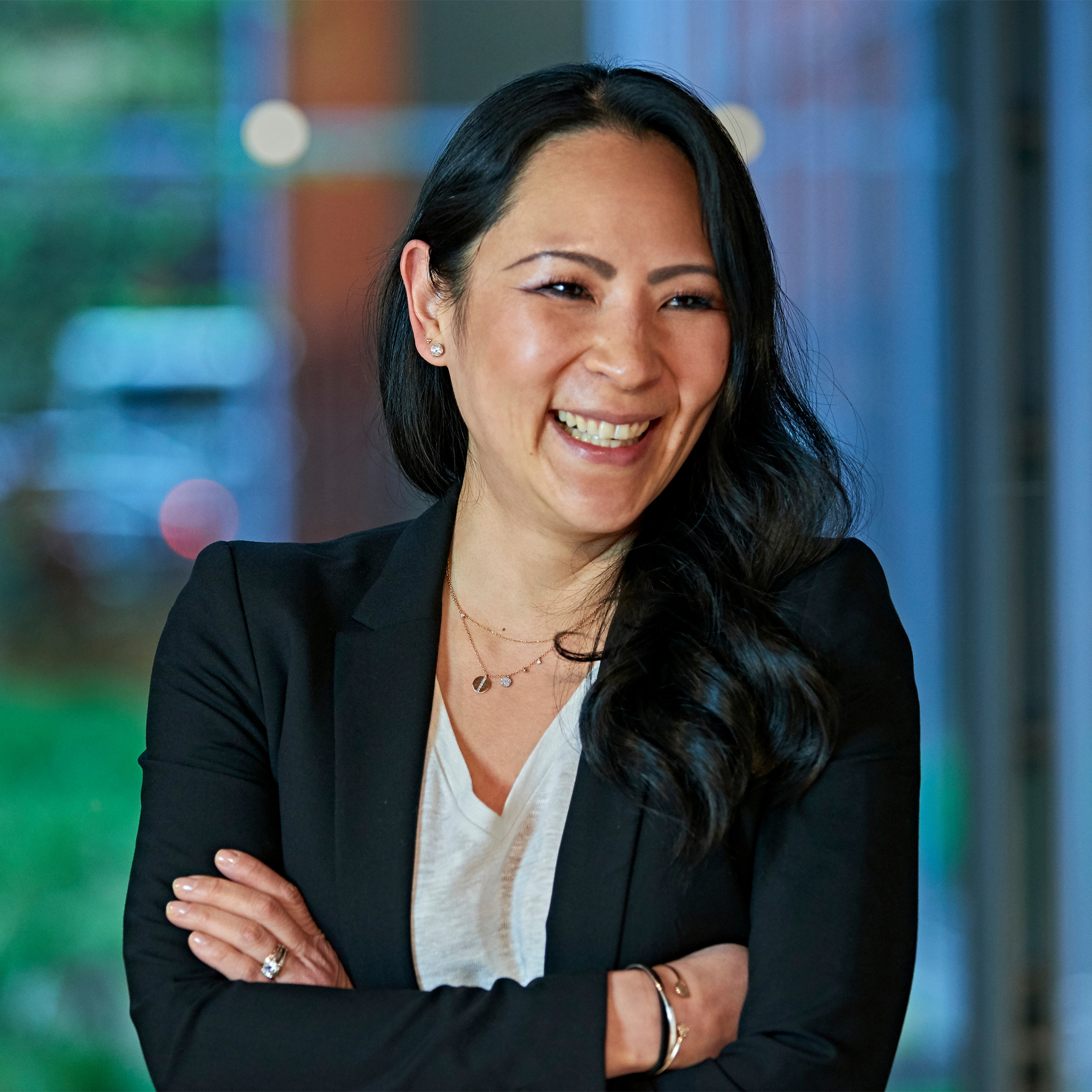
Welcome to Hospitality On The Rise, the podcast about the people shaping the hospitality industry and their journeys. I'm your host, Alice Cheng, founder and CEO of Culinary Agents, hospitality's go-to hiring platform. And I'm here to give you your dose of virtual mentorship.
Here, we'll be sharing the stories, lessons learned, and advice from hospitality leaders who've carved out their own path to success. After all, this industry is where many get their start and go on to do incredible things.
Whether you're a pro, starting out, or just love the hustle, this podcast highlights what makes hospitality extraordinary, the people.
HOST: ALICE CHENG
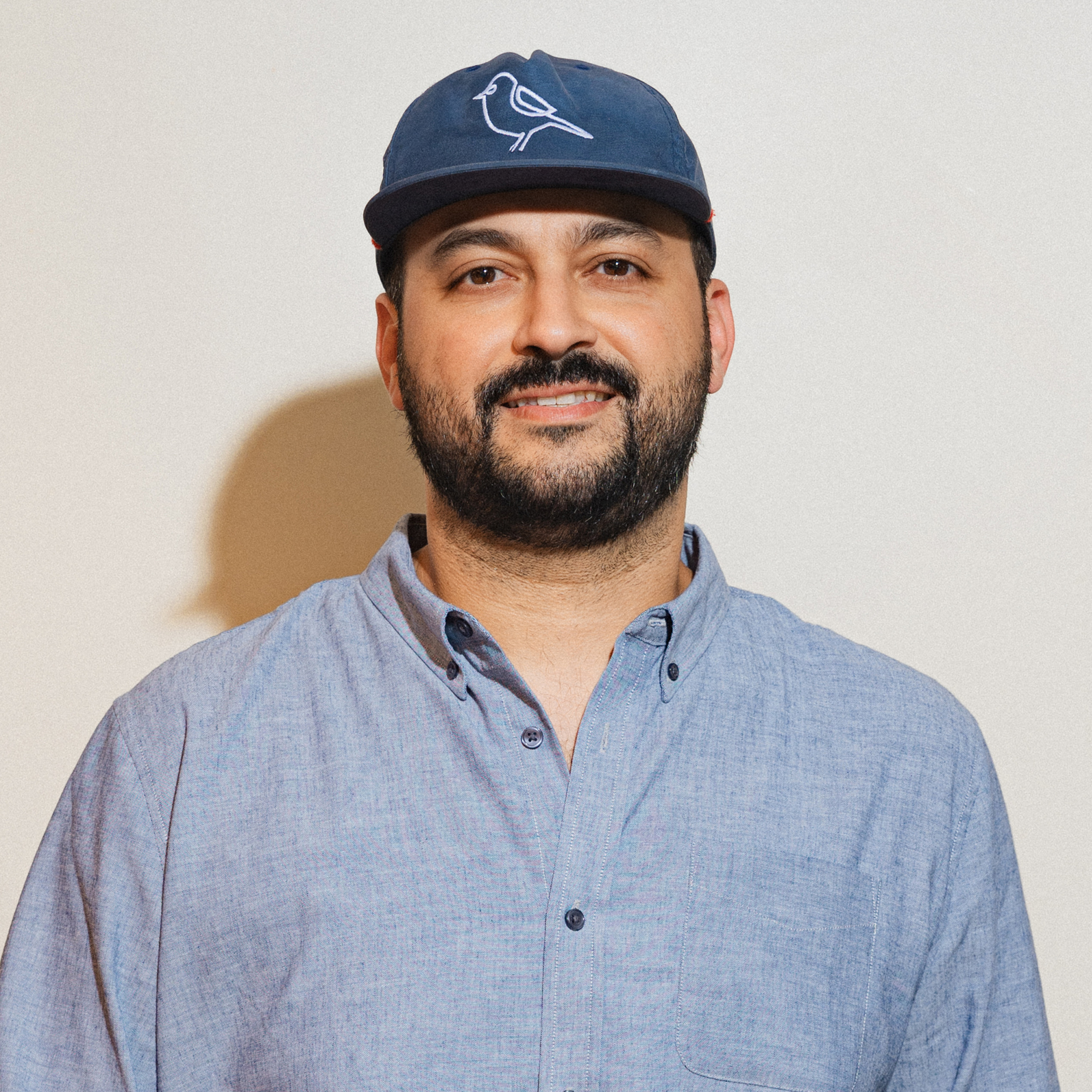
We are so excited to have Arjav Ezekiel with us today. He's the Co-Owner and Beverage Director of Birdie's in Austin. 2023 Food and Wine’s Restaurant of the Year, 2022 Bon Appetit and Esquire's Best New Restaurants in America, 2021 New York Times The 2021 Restaurant List.
And then Arjav himself: 2022 Wine Guru of the Year in Esquire. I'm sure I'm missing some–I see some more notes here, but I'll let Arjav share some of these things himself. Arjav, welcome.
GUEST: ARJAV EZEKIEL
Thank you for having me, I'm so happy to be here.
HOST: ALICE CHENG
Well, we are lucky to have you because you have had a very colorful career so far and you're doing, by the looks of it, you're doing pretty well. So we want to hear about how you got here and what keeps you going. Tell me, how did it all begin?
GUEST: ARJAV EZEKIEL
It's a good question. So I grew up in an Indian household, and I think like most Asian cultures, food and hospitality are kind of at the centerpiece of everything we did growing up. My parents were–are the greatest entertainers I've ever met, and I think I was caught by the bug very very early on in my life. My parents are both incredible cooks too.
So when I was in high school I picked up a gig at a French bistro cooking, believe it or not on the other side of the pass, just to kind of experience restaurant culture, and I was totally enamored with it. But I felt the need to go to college and try and pursue a “career,” quote unquote. So I went to college in Ohio at a small liberal arts college called Kenyon. But you know one of the stories that's come out over the last couple years that I've told is I was an undocumented immigrant so didn't have the ability to go into the legal field or politics as I had once dreamt of once I graduated.
And so by the encouragement of my parents, went back to restaurants because they knew how much I loved it and how much it meant to me. So started my career in Washington, D.C. after college thinking I wanted to go into the legal field there. Pivoted to working for Wolfgang Puck for a year at a restaurant called The Source, which was right behind the museum. And that gave me kind of like, those were my training wheel days. Learned how to wait tables. I was a terrible waiter when I first started. Couldn't get seat numbers right. I couldn’t do anything right, got yelled at every single day. But a very important part of my process.
And I think I was incredibly driven from that moment, and I knew I was like, “Okay this is probably gonna have to be my path” because of the fact that I was undocumented. Restaurants are probably the easiest path if you're in that position. But I said if I'm gonna do it I'm gonna try and be the best I can at it and make this a real career. So I committed really early on in my, like, probably six months into my career, my waiting job, like, this is what I was going to do for a living.
I was really happy that I did that and spent a year at The Source, got my training wheels off, and then moved to a restaurant called Komi for four years, which was probably the most important four years of my life and kind of teaching me about what hospitality really meant. I would say two of my great mentors were at that restaurant. [I] learned about hospitality, not just as something we did in the dining room, but like a true force for good and a true craft and an art.
And about four years in, I was like, “Man, I freaking love this.” Like, I want to now see if I can take this to New York and do what I like, see if I can do it there, right? Like in a bigger market. I think anybody who's in restaurants at some point says, “Okay, I want to go play with the big dogs.” So I moved to New York in 2015 to help open Untitled at the Whitney Museum where I think you and I first met.
HOST: ALICE CHENG
Yep. Yep.
GUEST: ARJAV EZEKIEL
And was part of the opening team there. That's where I met my now wife, Tracy. She was a sous chef there. I was still a captain when I started. We didn't start dating until I was part of the management team, so no HR problems. And then about 14, 18 months in, I was promoted to the management team at Gramercy Tavern.
So that was kind of my New York experience, and then moved to Austin in 2018, very much with the hopes of opening Birdie's someday. We opened Birdie's in 2021, the summer of 2021, so we're almost four years old now.
HOST: ALICE CHENG
Wow, thank you. I didn't even want to ask any follow on questions. That was a really tight summary. Thank you. I was going to ask you, were you part of the Fancy Sock Club at Untitled?
GUEST: ARJAV EZEKIEL
I was not part of the Fancy Sock Club and I still regret it to this day, but that was an Eduardo Porto Carreiro specialty that, you know, also one of my mentors, but I miss that era.
HOST: ALICE CHENG
Yeah. Yeah. And, you know, now you own and operate your own project, when did you kind of get more into the beverage side of things? Because I'm seeing these little accolades, but you didn't talk a little bit about your love for wine and how that happened.
GUEST: ARJAV EZEKIEL
It's a good question. Part of the reason you don't see any of that is Birdie’s is my first beverage job. I have always been around, you know, great beverage people: John Ragan, Sabato Sagaria, Eduardo, Kyle Wilson at Komi. I think I've had a lot of great beverage mentors, but I didn't realize they were mentors till Birdie's opened.
That's a funny story really quickly. When we opened Birdie's, Tracy asked, she was like, “Okay, what do want your title to be? I'm obviously the Executive Chef. Like, do you want to be the General Manager? What do you want to do?” And I was like, “I want to be Director of Operations.” She's like, “What? We have, like, an 80-seat restaurant, what are you operating?” You know? She was like, “Why don't you do the wine list?”
And I was, you know, when we opened Birdie's, I was–this may be a lesson to some of the listeners who’re thinking about opening their own restaurant someday. I had never, you know… I had a lot of, even to this day, even like with my Beard nomination, everything, like I still have a little bit of imposter syndrome because I had never done this as a professional. But Tracy encouraged me to just put stuff on a list that I loved and that it could evolve as I kind of understood the restaurant better, understood myself better, understood our audience better, and understood wine better.
And so with Tracy's encouragement, she was like, “Why don't you try doing something that makes you really uncomfortable? Be the beverage director. You're gonna run hospitality. That's like your secret weapon and the thing that you're great at, but do something you're not great at at the beginning or don't think you can be great at and challenge yourself.” Birdie's was the first time I've ever put together a wine list, the first time I've ever directed a beverage program. And yeah, I think that's why that's kind of a gaping hole in my resume around wine. But I think I've learned a lot over the last four years about wine, and I think I'm really proud of the program we've built as a restaurant.
HOST: ALICE CHENG
Yeah. And that's a great example of, well, A) having a great, you know, business partner, life partner, person in your court in general, to kind of push you out of your comfort zone.
GUEST: ARJAV EZEKIEL
Totally.
HOST: ALICE CHENG
But then also B) is through osmosis or just through your network and being exposed to all these things. I'm sure as you are doing this and as you continue to do it, you're having that like, “Oh I remember being part of this conversation” or “I like this, and I remember, being educated in this way or listening to one of my mentors say,” so it's such an important thing to remind yourself and everyone that, you know, go out of your comfort zone. You never know. You never know what's going to happen.
GUEST: ARJAV EZEKIEL
Totally, totally. And I think it's also a good reminder to like–and I remember I think about this, I share with our team a lot–like you never know where you end up, right? I think when you're a year or two in your career you get restless, you're thinking about “Oh my god, I don't want to be a waiter for the rest of my life” or “I don't want to just be a line cook for the rest of your life.” And, you know, if there was an opportunity for me to do that, I think I would have been fine with it. But I think very early on I was like, “I want to own my own restaurant because I like being independent. I don't like being told what to do.”
But along the way, I think I, through osmosis, picked up so much because I think the thing I was really careful about is who I worked for along the way. And I think working with the best people naturally puts you in places where you're going to learn. And I think it's really important–and I'm glad this is something I did when I was younger, was I didn't really pay attention to my paycheck as much as I did who I was surrounding myself with.
HOST: ALICE CHENG
Yeah, and that's another really important thing in general. I mean, obviously, do what you need to do. Everyone has their own personal priorities and stuff. But commonly, if you're very intentional about where you want to learn from, who you want to work with, who you want to surround yourself with, usually, the snowball effect and the ripple effect of that is in the direction that you want to continue to move in. So great.
So you said you knew early on that you wanted to have your own business. What was that like? ‘Cause not only did you open your own business, you did in a city or that you–I know that Tracy's from the Texas area, but you personally didn't work much in Austin–and it's a totally different market as you know. What were some of the challenges that you guys had when you were opening Birdie's?
GUEST: ARJAV EZEKIEL
Oh man, so many. So we moved here in ‘18. Birdie's opened in ‘21, but we signed our lease February of 2020. So this was like two-and-a-half, three weeks before everything shut down. So we had a lot of time to think about what we wanted the future of restaurants to look like. I think we had a lot of challenges, but Tracy and I made it a point to try and frame them as opportunities. And I think one of the things we kept asking ourselves is like, how do we remake a restaurant to be sustainable for us as owners? It's like the thesis was, if it's sustainable for us as owners, it becomes more sustainable for all of the stakeholders, right? I think for a long time, it's either been investors up front or your team up front. I think it's wonderful to frame things like that, but I don't think it's necessarily realistic because if you don't have a functional business with a great margin, you really can't take care of any of the stakeholders. And the most important stakeholder in a lot of ways is… us, it's Tracy and me, because we're in the business every single day. And if we're miserable, no one's happy, right?
So I think we saw what was happening in COVID ,and everyone was talking about this great reset, and we thought a lot of restaurants would come out of COVID with new innovative business models. But one of the things we thought about was like, okay, what does a counter service fine dining restaurant look like? Like that was the big question, is if we can figure out labor and how to control labor, then we have a ton of opportunity to take care of all those stakeholders. So Birdie's is a fine dining, counter service restaurant. So people stand in line, they order at a counter to get a flag. And once they sit down, it feels like a full service restaurant where you get hospitality, a coursed meal, you know, we have 350-bottle wine list. But all of it happens at the counter.
So we used that year before we opened as an opportunity to ask ourselves some big questions, innovate around the business model. And then, you know, obviously raising money was really challenging at that time, like asking people for checks during the worst possible time for restaurants was really challenging, but it made us resilient. It made us creative. It forced us to reduce how much we were raising. And I think all of those things were to our benefit once we opened, because we opened a really lean restaurant, and we've been able to grow over the years as our business has grown, but we didn't start from a place of “We have to hit this in sales every day or we're gonna go under.” It was like, “We're gonna be fine.” We created a really, really great break even for us. We thought about the downside more than we worried about the upside. And I think that was a good lesson for us and something I think we'll take to our future businesses is if you worry more about your downside, the upside is all winning.
HOST: ALICE CHENG
Yeah, that's great advice. And I'm going to circle back with your last comment with your future businesses there when we talk about what's next. So you mentioned earlier on in that statement about making sure that everyone is taken care of, especially, arguably the most important folks, the folks who are putting it together and in their every day. How do you find… I don't want to use the word balance, right? ‘Cause that implies that everything's equal parts, but how do you find your personal “balance”?
GUEST: ARJAV EZEKIEL
It's a good question. I think part of it is we've built it into the business model. So we're only open five days a week. We're only open for dinner. We close the restaurant for four weeks every year. And everybody on the team gets paid planned vacation for that. So we close for two-and-a-half weeks in August. And then we close during the holiday. So everyone gets to spend Christmas and New Year's with their family.
That was like a really important thing for us, and we pay people enough not to get rich but enough to pay the rent. So, you know historically it's been like $15 an hour for 40 hour weeks for anybody on the team. That's full-time; part-time it’s kind of prorated based on an eight-hour day, but everyone gets to spend that time with their family. So I think part of what counter service has allowed us to do is it's allowed us to bake some of these things into the business model. People get subsidized mental health care, they get insurance, they get obviously the vacation, paid family leave, like all these things that allow you to be a human being. I think that was really important because we went through our own life growth as we opened this restaurant. We had a baby, we had a mortgage, and I think as we were kind of going through our own life journey, we were really aware of the fact that the only way to make those things harmonize with restaurant work was to create programs and facilities that allow everybody on the team to participate in the same thing Tracy and I were going through.
Tracy and I are on the same insurance program as the rest of the team. Like that was an important thing. I was like, if we're not happy with our insurance, I'm not going to ask my team to sign up for some sucker insurance. You know what I mean? So I think we've–you used the word, like, we're the most important people in the totem. I would reframe that and say we use our own life to kind of inform for better or worse, like some of the other things that we try and share with our team.
But we're very much founded on the idea that the team is the most important on a day-to-day basis. But the thesis of how we began this restaurant was if we can't take care of ourselves, we can't take care of our team. It's kind of like the airline oxygen mask. You know, reference, where you have to be able to put your oxygen mask on yourself before you can help anybody else. I think coming out of COVID and hearing about the talk of that time was about the toxicity in restaurants. And I think Tracy and I really believed that that began and ended with ownership, not having the space to breathe, to think about how to be great people because they were under such tremendous stress for such extended periods of time. And that doesn't justify anything, but we didn't want to fall into that trap.
HOST: ALICE CHENG
Yeah, yeah. And you know, it's interesting because when you talk to leaders and business owners who are either starting at the time of the, you know, 2019 or 2020 into now versus people who were started way before and trying to figure out how do we accommodate and be flexible, etc. And how you set up your business from the beginning really does impact, inform and influence how you're able to, what you're able to do. And that subsequently also affects potentially the success of your business, right? And the way that you're able to attract people who want to work for you and the culture that you set up for your team.
GUEST: ARJAV EZEKIEL
That's right.
HOST: ALICE CHENG
So bravo for that.
GUEST: ARJAV EZEKIEL
Yeah, I think like, one realization… I've talked about this a couple of times, but restaurant models haven't really changed since antiquity. You know what I mean? Like it's been the same business model, but everything else around restaurants has changed. So I think what I think we're gonna see over the next 10 years is restaurants trying different things, restaurants innovating around business model. And I think you're going to see that at the higher and higher end. Right? I think there was a choice people were trying to make early on between quick service restaurants–you know, the Shake Shack and Sweet Green model–versus full service restaurants. And I think the truth is that there's a happy medium between those two ends. And I think it's up to each restaurateur to kind of pick and choose what pieces are important to them.
For us, it was, you know, the quality of product we're delivering and the hospitality and experience around those two things. So for us, it's hospitality, food, beverage. Service is the piece we were willing to compromise. Because as I grow older and maybe a little more curmudgeonly, I like having some space when I eat. You know? I don't necessarily need somebody hovering over me all the time, but I like having someone there to enhance my experience and make sure I have everything I need.
HOST: ALICE CHENG
Yeah. I mean, just like you said, everything has changed, right? Even diners' preferences or what they're willing to try and what they're more open to has also changed, right?
GUEST: ARJAV EZEKIEL
For sure.
HOST: ALICE CHENG
And folks like yourself and yourself included are pioneering and helping people understand you can have this type of experience, which is some happy medium. And that's how you define, so kudos to you and the team. And you have clearly been and continue to draw upon a lot of experiences over the years and the different cities you've worked at. Can you think of any one–or I know many pieces of advice that you might've gotten from one of your mentors over the years as you were going through opening your restaurant or anything along the way?
GUEST: ARJAV EZEKIEL
Yeah, I think Kyle Wilson at Komi–one of my dear friends and mentors–very early on helped reframe what hospitality was. I think early on he said, “Hospitality is about moving people.” Like you have three hours to move people emotionally. Like that's really what it's about. And if you can figure out how to do that in a meaningful way, people will never forget an experience. And I think that piece had always stuck with me, and I think that's the thing that was the most addictive piece of this work for me is that every single day I have an opportunity to do something special, cool, meaningful for people where I can leave them a little more excited, delighted, happy than when they arrive at my restaurant. I think that was a really meaningful thing for me.
I think over the years I've had people like Sabato, Eduardo, John Ragan, they've always invested in me whether that's like, “Hey, I'm gonna have coffee with you and we're gonna talk about whatever you wanna talk about.” And I think having those relationships, I think that's one of the–no one ever overtly said that to me, but I think one of the things that I know has been deeply meaningful to me over the years. Mike Anthony was like my personal relationships with people I've worked with and how often people in hospitality are willing to show up for each other.
So I think as people, young people are thinking about building their careers, I think like I said earlier, thinking about who you work with is really important. And then raise your hand and say, “Hey, do you have time for coffee with me? I want to pick your brain about it.” And then show up prepared with things you want to talk about. But I think I maybe was a little too precocious in moments, but I think it served me well in the sense that I pulled Sab aside and I was like, “Hey, I want to spend some time with you and I want to learn from you.”
And then I did the follow-up work and reached out to him and was like, “Hey, can we set up some time for coffee?” And then over time, he would reach out to me and be like, “Hey,, we haven't caught up in a while, let's catch up, I wanna see how you're doing.” Same thing with Eduardo, same thing with John. And I think those relationships to this day, like when Sab comes to the restaurant, it's like so meaningful because Sab's seen me kind of grow from, you know, a captain to like an owner. And I think those moments in those relationships are the most meaningful part of this work for me. And I think for a lot of people who end up in the dining room.
HOST: ALICE CHENG
Yeah, that's so important to remember too. It's the give and take. It's the ask, but then it's also do your homework. Like you're in when someone is giving you their time, think about what you would like them to help you with or what you want to discuss with them. And I agree, I think more so in hospitality than I've ever seen, people are willing and ready and excited to spend time to help each other and whatever.
GUEST: ARJAV EZEKIEL
Yeah, and I think, like, I totally agree with you. And I think one of the secrets–like I've had a couple of people ask me in the last month what I think is gonna be the most important piece of the next decade for restaurants. And I think reinvesting in the dining room, like there's so much kitchen talent now, but I think the thing that differentiates a restaurant now is the dining room, and I think you're gonna see the comeback of the old school Maitre D. And I think it's really, really important.
We start investing in the dining room and teaching hospitality at a really high level because I think it is the thing that separates restaurants from each other now. Like it's like how warm a dining room is, you know? And I think you can have all the technical things you want in the world. But if there's no warmth, it's just flat. And I think it's something that people are born with, but you can teach how to be precise with warmth. And that's something I think we take a lot of pride in at our restaurant, and we want to continue to kind of build upon.
HOST: ALICE CHENG
Great, great. Well that segues me into how do you keep learning and growing and staying inspired?
GUEST: ARJAV EZEKIEL
It's an easy thing to stay inspired actually, I think for me, because I'm, one, I get to go home to a really brilliant chef and business partner and my wife Tracy, who is always also pushing herself in her field. So if I'm not pushing myself I'm the guy who's falling behind or being lazy, so I think that's really helpful. I think eating out is a really important part of the experience of being inspired for me. We were just in New Orleans, and every time I go out to eat I learn something, I'm inspired by something. And then conversations with people like you. I think conversations with people around restaurants, people at like–you know, I’m speaking at the Chef Conference in a week in Philadelphia. And I think last year I walked away from that conference feeling so excited and motivated and energized because of the new people I'd met and all the cool stuff people were doing. I think conversations are really inspiring and moving to me. And then dining out experiences are really inspiring and moving to me.
HOST: ALICE CHENG
Yeah, I love it. I think now for a little bit, it's kind of evened out now, but it was like right after things started coming out of COVID, dare I say, there were like all these events, there's so many events.
GUEST: ARJAV EZEKIEL
Totally.
HOST: ALICE CHENG
And now it's kind of come to its new scheduling.
GUEST: ARJAV EZEKIEL
I mean, I'm curious actually, how do you stay inspired? Because you're at this really interesting nexus of food, hospitality, and tech. And I'm sure you kind of feel moved by different people in each of that, like, corners of that triangle. I'm just kind of curious, does that change on a day-to-day, month-to-month basis, depending on where the business is? Whether it's someone in tech or food or life?
HOST: ALICE CHENG
No, I mean, that's a great question. I have never had somebody turn it back on me. Thank you. I mean, people like you, this industry is so inspiring. We started the company largely to help people in this industry, find better jobs, connect with employers, give employers tools to do things more efficiently and effectively and save money and time.
This is our 13th year; it has changed, it has evolved over the years, but the core is still the same. You have really excited folks who are trying to either make their mark or start their career, grow their career. And they're lacking tools. So being able to give them tools, access to information, connect them directly with employer, share stories like yours that inspire them, like that's the best, right? You know, “I didn't know that they could do this” and talking to talent who may be at a point in their life where it's like, “I don't know if this is the thing, and it's hard” and being able to show them examples, like real examples of people they already look up to and say like, this is what they went through, right? It's common.
You know, for me, the benefit and what's super inspiring is that, you know, I could take a step back and I could see all these pieces moving around. And myself and team, we play the game of “how do we connect the pieces?” and we just sit back and watch the aha moments. From a tech standpoint, we started the company largely because we just wanted to provide the best tech in the most user-friendly possible way that was customized for this industry. The industry is special, it has really unique nuances and challenges from both from the job seeker as well as the hiring manager. And we were like, “You guys all deserve better tools,” like you really do. Too busy taking care of other people. Let somebody else take care of you, this industry for a change. And that's kind of here we are.
GUEST: ARJAV EZEKIEL
There you go, there's the hospitality.
HOST: ALICE CHENG
Yeah, I was thinking before when you were coughing a little bit. I went to reach for my water to give to you, and I'm like “Yes, that does not… that's not working.”
GUEST: ARJAV EZEKIEL
Thank you. I appreciate that. No, I think it's interesting to hear you say that because I think one of the things that you're saying–like one of the things that what you're saying is rooted in–is you have to really be passionate about what you're doing, right? And if you're passionate about what you're doing, inspiration is everywhere. But it's rooted in really loving the work. You know, to me, and I say this all the time, I think the restaurant industry is the best, greatest industry in the world. It has the best people, it has the best, most generous people in the world. It has the most loving, caring people I've ever met. And I stand by that, right? Like I think that there is no better industry than working in restaurants.
Now does it take a certain kind of person to be really successful in restaurants? Absolutely. But if you are that person and you're lucky enough to fall into the restaurant industry–I think I'm an example of that–you find so much meaning from life and meaning in this world by being surrounded by people that are high-achieving and care about the same things that you do. And I think restaurants are such a light in this moment of time where there feels like there's so much darkness around us, where you have the power to change someone's day for the better. I think that is a meaningful, powerful thing that restaurants need to be talking more about so that we can continue to be beacons and important pieces of light in our society, in our communities, and that we're also given the respect by our society and community that we deserve.
HOST: ALICE CHENG
I love that. I mean, I would end right there if I didn't have quick-fire questions for you.
GUEST: ARJAV EZEKIEL
Let's go.
HOST: ALICE CHENG
But you're absolutely right. I couldn't have said it better myself. What advice would you tell your younger self?
GUEST: ARJAV EZEKIEL
Be patient.
HOST: ALICE CHENG
What's your advice for someone struggling in the industry?
GUEST: ARJAV EZEKIEL
Struggling in what way?
HOST: ALICE CHENG
Was that a question back to me? Or are you asking them?
GUEST: ARJAV EZEKIEL
Yeah, I'm asking you, like struggling in what way? Like trying to find purpose or like struggling with the hours, struggling with what?
HOST: ALICE CHENG
Yeah, I mean, I guess it's struggling with what? Depending on what they're struggling with. Let's say they're struggling with continuing in the industry.
GUEST: ARJAV EZEKIEL
Yeah, I think ask yourself some important questions. Like what about this work is tough? Does getting out of the industry solve that problem for you? I think people who are… Like, I've struggled in this industry. Like I'm passionate about it, but it doesn't mean I haven't struggled or asked myself questions because of what the outside noise is telling you. It's like, this is something that is not a meaningful career. If that's the reason you're struggling because you're like, “I don't know if I want to just do this for the rest of my life.” Then I think it's important to be like, “Okay, I need to have goals and set goals and have mentors and can get me there.”
If you're struggling with the hours, part of it is like, “Hey, do I really want to do this for a living?” I think that's an important question to ask yourself, right? I think it's not for the faint of heart, but I think if you're going to go be a lawyer and sit at a desk all day and work 80 hours a week, that's its own kind of misery and pain.
So I think anything you do in your early twenties when you're starting your career is gonna be a little bit grueling. I think asking yourself early and often like, “Hey, am I on the right path? Do I care about what I'm doing? What am I working towards?” You know? I think it's totally fine to be in restaurants and be kind of struggling if you're like, “Oh, I'm actually not passionate about restaurants, what I really wanna be is an actor,” right? “That's what I'm passionate about.” Restaurants pay the bill. That's fine.
I think focus on the thing that you care about and you're passionate about and then like get to that place, you know? But ask yourself tough questions like, what am I doing? Why am I doing it? What do I want to be? You know, I think asking yourself that question over and over again is important.
HOST: ALICE CHENG
What's your advice for fellow hospitality leaders?
GUEST: ARJAV EZEKIEL
Advice for fellow hospitality leaders... Think about yourself too. Make sure you're good. Chris Shepherd always asks that question when he sees people. He's like, “Are you good?” And I think it's an important question to ask yourself more often. Work, like we've talked about, is hard and can be tiring sometimes. And I think one of things I've done over the last year is make sure I'm investing and taking care of myself more often. And I think that's a really important thing for all of us in leadership positions to be asking.
HOST: ALICE CHENG
Right. With that, thank you so much, Arjav, for taking the time to share your insights, your career path. I know it's going to be very valuable and inspiring for our audience.
GUEST: ARJAV EZEKIEL
Thanks for having me, Alice. It was a pleasure.
HOST: ALICE CHENG
Remember, success looks different for everyone in hospitality. No two paths are the same. If you have a leader or a topic you want to hear about, email [email protected].
Hospitality On The Rise is brought to you by Culinary Agents, connecting top talent with employers since 2012. Whether you’re hiring or looking for your next opportunity, join us at CulinaryAgents.com
For more inspiration, subscribe to Hospitality On The Rise and visit HospitalityCareerPaths.com, a free platform by Culinary Agents.
Thanks for tuning in! Remember to like, follow, and subscribe. And if you loved this episode, share it with someone who could use a little inspiration.