From learning to cook at sixteen out of necessity to crafting creations that spark global culinary trends, Chef Dominique shares how discipline, creativity, and an unwavering commitment to quality shaped his journey—and why he's now focused on building a more connected, cross-cultural future through food.
Rooted in craft, driven by curiosity, and guided by heart, Dominique Ansel’s story is a powerful reminder that innovation begins with intention — and that hospitality, at its best, is as much about care and culture as it is about flavor.
Links
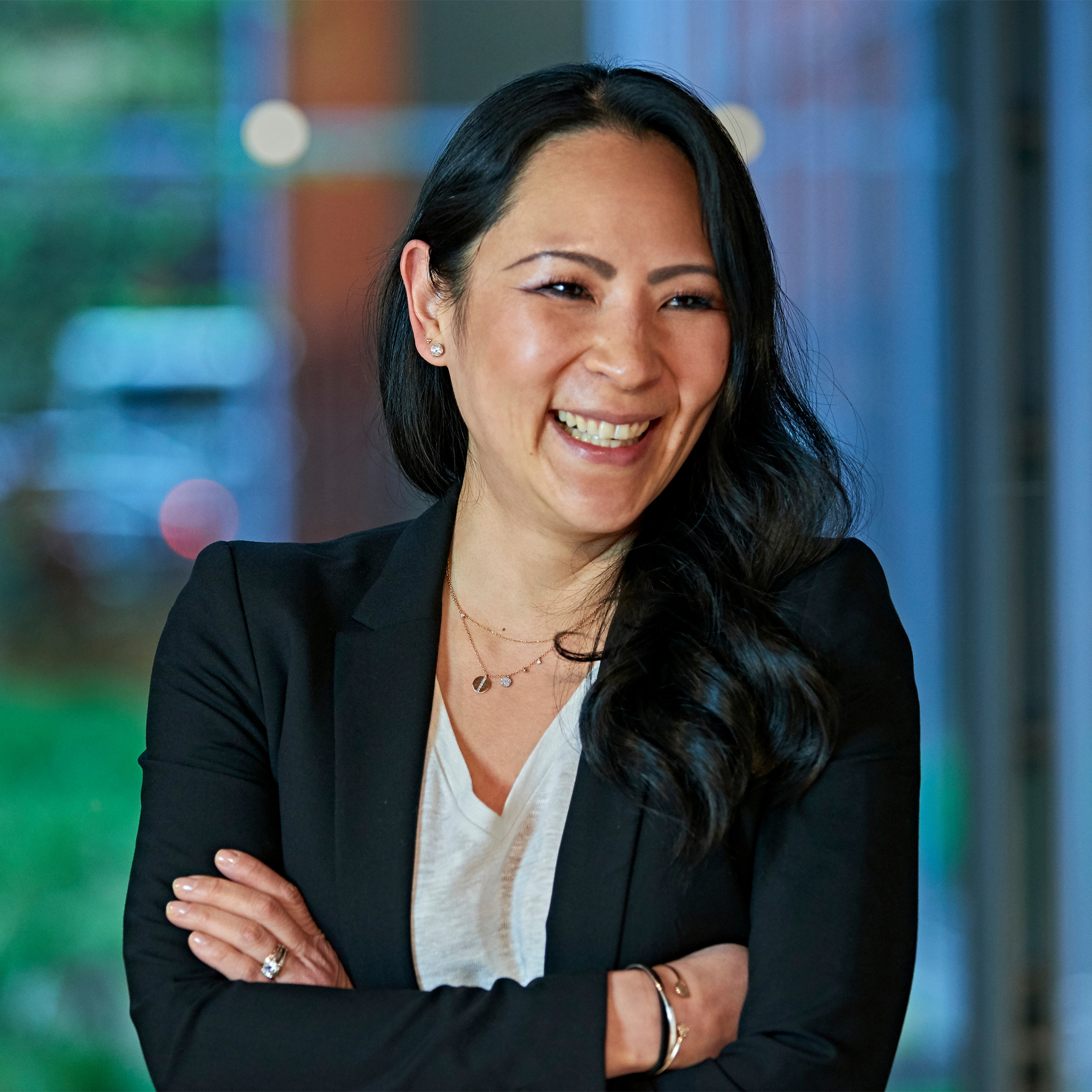
HOST: ALICE CHENG
Welcome to Hospitality On The Rise, the podcast about the people shaping the hospitality industry and their journeys. I'm your host, Alice Cheng, founder and CEO of Culinary Agents, hospitality's go-to hiring platform. And I'm here to give you your dose of virtual mentorship.
Here, we'll be sharing the stories, lessons learned, and advice from hospitality leaders who've carved out their own path to success. After all, this industry is where many get their start and go on to do incredible things.
Whether you're a pro, starting out, or just love the hustle, this podcast highlights what makes hospitality extraordinary, the people.
HOST: ALICE CHENG
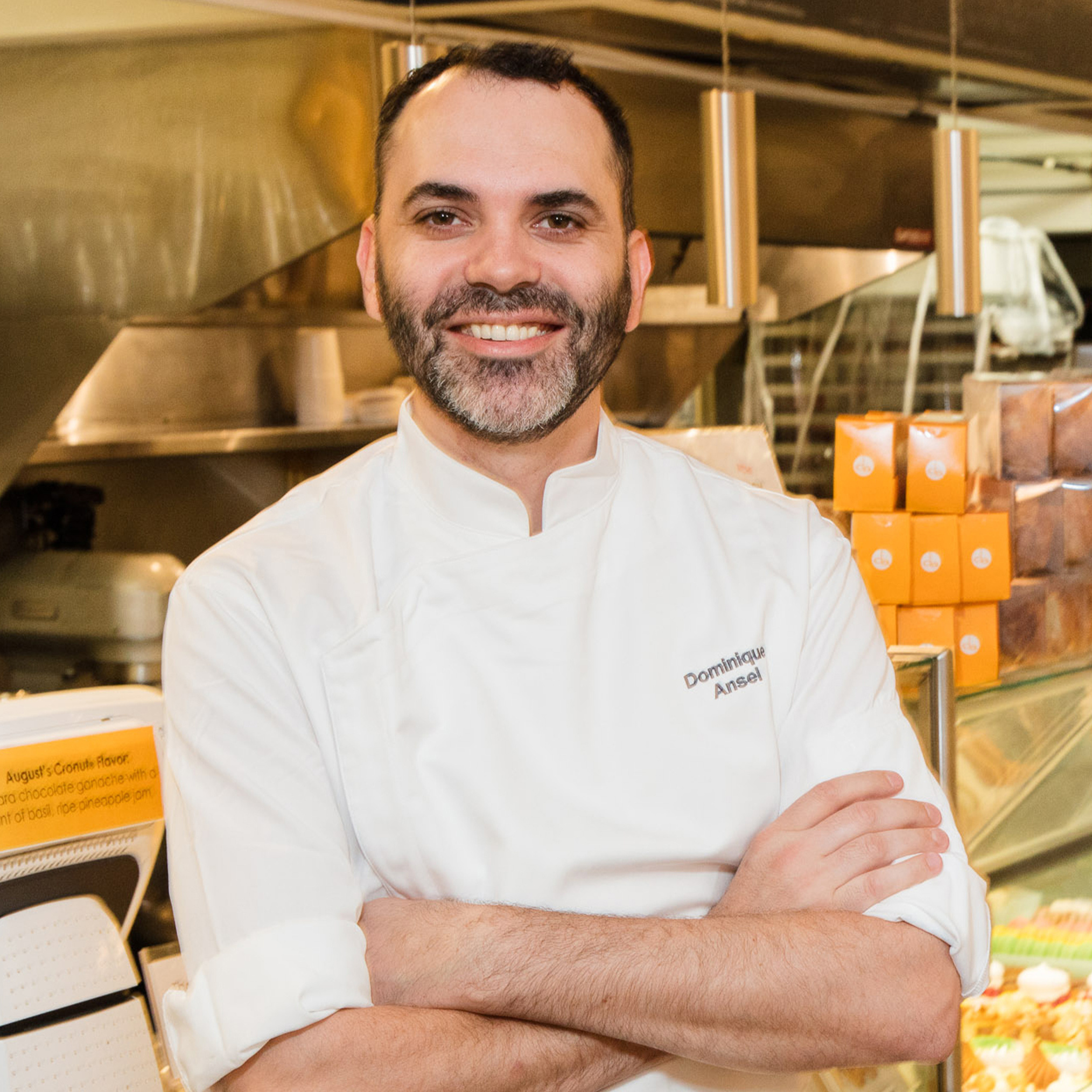
I'm so excited to have Chef Dominique Ansel with us here today. He is the chef and owner of Dominique Ansel Bakery, Dominique Ansel Workshop, Dominique Ansel Las Vegas, as well as Dominique Ansel Marché, and the upcoming Papa D'Amour - New York. So we'll hear more about that. Very, very excited for that project. He's the inventor of the Cronut.
If you have never.had a chance to taste this Cronut, you are missing out. Please make that a priority. And the James Beard Foundation Award-winning Pastry Chef 2014, Outstanding Pastry Chef, as well as several other accolades. I don't want to forget also 2014 Crane's 40 Under 40 and 2014 Vanity Fair, named in one of the 50 most influential French chefs. I think we forgot the word "chefs" in my notes here.
With that, Dominique, we've seen your rise. The Cronut has been a game changer in many different ways. But how did it all get started? Take me back. to the very beginning. When did you decide that hospitality was going to be for you?
GUEST: DOMINIQUE ANSEL
Thank you Alice for having me on the show first. It all started in 2011 actually when I first opened the bakery. The time I was living at Daniel, Daniel Boulud to start my first business and a lot of people told me that it would not work, that pastry was not going to sell in New York City, that lot of French chefs have tried and it was too difficult, we'll sell sandwiches and cupcakes and of course I don't like to listen to bad advice.
And I always wanted to open my own business, my own visions, with my own style of pastry. And I left Daniel to open my own bakery on Spring Street. So at the time, we only had four employees. And my girlfriend with me, who is now the mother of my kids. So we started with the two of us, with four employees only. We didn't have much. We only had our savings. And we put sweat and tears into that bakery every single day.
Until the day where we wanted to do something special for Mother's Day, we created this little pastry that resembles, you know, it's kind of a hybrid between a croissant and a donut. It was a Cronut we put on the menu without much expectation. It was just a good product. And I remember the blogger came by, snapped a photo, put it on his blog at the time, on his website, and the article went viral.
And I remember him calling me and telling me like, "My article went viral." I was like, it was great. know, I sleep four hours a night, and by all means like, "What do you mean your article went viral?" He said, "Oh, we had an increase of 300% of traffic on our website and over 140,000 link in the same article in just a couple hours.” So he was like, "Listen, you should make a few more for tomorrow. This thing's gonna be big." Like, yeah, sure, like I made 30 today, I'm gonna make 45 tomorrow, which I did.
Little did I know by day three, we had over 150 people lining up on the street before we even opened the doors. And I couldn't really understand what was happening. Then we saw–that was, do you remember, it was pre-social media age?
HOST: ALICE CHENG
Yes, I remember meeting with you in the back garden of the SoHo location, you know, back in the early days.
GUEST: DOMINIQUE ANSEL
We had live television reporting, had the solicitors, had like this crazy line outside, we had to hire security to manage the line outside, people were fighting. It was just madness. It was so overwhelming that I didn't know where to go and what to do. And we decided to focus on two things, hospitality and the quality of the food we're serving, regardless of the demand. We want to keep the quality and increase slowly, but with always respecting the quality of the product.
HOST: ALICE CHENG
Yeah, I love it. I think we can have a whole show just about the Cronut, and it's, you know…
But when I said, take me back to the beginning, I meant, how did you get started in hospitality?
GUEST: DOMINIQUE ANSEL
Oh, this beginning!
HOST: ALICE CHENG
Yeah, that was the beginning of the Cronut, which we will get back to and elaborate. But I think it's also really important to share kind of how you came up to that point, to the Cronut.
GUEST: DOMINIQUE ANSEL
So I grew up in a very humble family. My dad was a factory worker. My mom stayed home taking care of four kids. A cousin lived with us. My grandmother lived with us along with dogs, cats, and you name it. So we're living off like a factory worker salary to try to get food and get by every month. It was not easy, but I had a fairly decent childhood.
At age of 16, I couldn't go to school. My parents couldn't afford it, so I decided to find a job to help support family. And I thought that maybe cooking will be… I enjoyed being in kitchen when my mom was messing up dinners, so I thought maybe I could cook. And I walked into that restaurant, I asked for a job while going to school, and they gave me a job, and I was learning at same time.
And I'll tell you, my first year, I hated it. I hated walking in the kitchen. I was going in fear of people abusing–every sense of the word–like a person, like physically, mentally, morally. It was tough. It was very hard.
HOST: ALICE CHENG
It was a different time.
GUEST: DOMINIQUE ANSEL
It was a different time. None of the things will be allowed today. And I was lucky enough that by year two that a new younger chef bought the restaurant I was working in, and he started showing me and teaching me how to appreciate and how to love what I was doing. And my whole perspective, I changed that day.
I think that was like an eye opening for me into like how beautiful this craft is and how, even though it's hard, there's a lot of good things that come out of it. Meaning like bring people cooking good food and respecting ingredients. So it's a beautiful mystery. So I started in a restaurant for two years as a savory chef, so I only did cooking, which I loved. I still love cooking as much as I love baking. And then I decided to pursue my learning experience by going to bakery. I want to learn a little more about pastry and I love the science, I love the crafts. I love the being artistic with baking, love measuring and scaling everything precisely, and I love how everything that comes out, if you're careful, it comes out perfect every single time.
So I decided to focus on baking, and then after that I did my military service, which was still mandatory at the time. So I went, of course I didn't stay like do the normal path. I went to French Guiana, which is in South America, just above Brazil, and I stayed there for a year. And I was teaching locals how to cook in the kitchen because I had a diploma, and there was some sort of validation for them to be able to find a job after that training with me.
So that was a great time, I was teaching. And when I came back, I didn't want to stay home. I just wanted one thing. I wanted to go to Paris. I wanted to work for the best, with the best. And regardless of where I was going to end up, I wanted to go to the capital of France and I wanted to go work for the best. I found two small jobs in the beginning and eventually walked into Fauchon.
Fauchon is one of the most emblematic–was, now it’s closed–one of the most emblematic, like pastry shop, retail. They're selling spices, exotic fruits, vinegars, lots of fun stuff, but very high-end quality. I worked there with my resume. I had a job for four months. I ended up staying for eight years. So when I left, I was the Corporate Pastry Chef opening shops for them around the world.
That was an amazing experience. It is more than a professional experience. I think it's more like a life experience. After that, Daniel Boulud called me to be his pastry chef in New York. And when Daniel called me.
HOST: ALICE CHENG
When Daniel calls, you go.
GUEST: DOMINIQUE ANSEL
Here you go.
HOST: ALICE CHENG
That's funny. I’m saying it's funny because I'm finding a common thread through a lot of the leaders that I'm talking to with Chef DB is a common thread, which is amazing, right? That says a lot in general about leadership and mentorship and opportunity.
OK, so now you're going to New York, but with your experience at Fauchon. I remember–I didn't know that they closed–I remember them just having really beautiful packaging and marketing and kind of–I don't want to say the original–I remember them also having the bakery, but then also retail. And I don't know if it was that common back then but, that certainly was something that I think expanded and extended their brand into far beyond just their shops.
GUEST: DOMINIQUE ANSEL
They had a huge presence internationally. Unfortunately, they filed for bankruptcy a few years ago. They still have the hotel division of the brand, so it's not completely gone, but the retail side is.
HOST: ALICE CHENG
Yeah, well, it makes a lot of sense that a lot of that experience prepared you for a lot of the things that came after, right? So now you're in New York. Chef called and you're here.
GUEST: DOMINIQUE ANSEL
Yes, I came to New York with two suitcases. I had folded everything back in France. And I came with a bunch of photos in my suitcase, some clothes. And I started working for Daniel. So I was excited. I love the city. I love New York City. I love everything.
HOST: ALICE CHENG
Was that your first time here?
GUEST: DOMINIQUE ANSEL
No, I had been here like two or three times. So I knew a little bit of the city, but I loved the energy, loved everything about it. During all this, my first couple years in a restaurant, I always told myself, “I love working in bakery. I will never, never go back to a restaurant.” And when Daniel called me, I came. So I worked for Daniel for six years. We earned a third Michelin star together, best restaurant in the world.
It's amazing what a team can do. It was a lot of learning as well for me. I believe, like, I was the kind of person that believes that you keep learning for your whole life. And why you are, what you do, you keep learning about yourself, about the people around you. And I've learned so much with and while I was at Daniel, for sure. And I still describe it as my family. When I go back for Thanksgiving, I go back to Daniel. When I go back to the restaurant, I go back home.
HOST: ALICE CHENG
Yeah, and not only receiving the third Michelin star during that time, but also four stars New York Times, right?
GUEST: DOMINIQUE ANSEL
That's right.
HOST: ALICE CHENG
Yeah, amongst many other accolades. So you're there for how many years? For quite some time.
GUEST: DOMINIQUE ANSEL
About 6 years, yeah.
HOST: ALICE CHENG
And then at what point were you like, “OK, I'm ready to do my own”?
Now we're cutting back–for those who are following along–now we're cutting back to the beginning of the Cronut.
GUEST: DOMINIQUE ANSEL
I don't think anyone is ever ready to make that jump, to go from being an employer to being an employer. It's a huge step, especially for our industry, for being a chef. Nothing and no one can prepare you enough. There's a lot of things you don't know. There's a lot of things you'll have to figure out by yourself. Or hopefully with people around to help you. But it's a journey.
It's amazing because when you're a chef, you worry about your money, you worry about your team, you worry about the quality of the food you do. When you're business owner, you worry about everything. About the bathroom breaking, about the computer going down, about…
HOST: ALICE CHENG
Social media.
GUEST: DOMINIQUE ANSEL
[… someone] giving you a ticket because the sidewalks aren't clean.
About social media, no, yes, but a lot more. It’s a fun job. You have to inspire people. You have to motivate people. You have to show them the vision, and you have to get them to do the things you cannot do because you can't do it alone. You need a team. To build a team, you need people around you. People that are better at things than you are sometimes. I can't do it all myself. I have an amazing team around me, and I wouldn't be here without all of them.
HOST: ALICE CHENG
Yeah, I wholeheartedly agree. You've built such a brand–that's another, I would say, burden to bear is that your brand is your brand. I mean, your bakeries, your workshop, your restaurants have your name on it.
GUEST: DOMINIQUE ANSEL
It's a lot of responsibility. We don't do small things or things that we're not proud of. When we pair with someone, we can work for a charity or do a chef collaboration with someone or with another brand. We work with the best because we do high-end quality. We don't do just mass.
HOST: ALICE CHENG
Yeah. And it shows. For those of you who have had any of your products, I'm sure they would attest to that as well.
So you have this one shop, your Cronut is everywhere. People like to say “overnight success,” but we all know about the sweat and tears that go into the work and the process and the follow-up. Take me through kind of growth, right? Because now you have this unexpected, probably hoping for, but unexpected, seemingly overnight situation and you have to prepare and grow.
GUEST: DOMINIQUE ANSEL
Yeah, so growth came through a lot of different forms. At first it was all the industrials that mass produced the Cronut and ship it around the world. It's something, you know, I always tell people, my dad worked in a factory and I don't want to own a factory. It's not why I set up to work in this industry. I love the craft. I really love what I do in terms of pastry. Being able to create, being able to give people an experience, being able to share good food is such… It's amazing opportunity to express yourself and also to do good things around you. I didn't want to mass produce my product.
Growth after that, we had tons and tons of opportunities. We still have quite a bit. We're very selective with what we do. Still, to protect our brand, preserve where we build, I think it's important. We've opened shops in Japan, London, Los Angeles.
Unfortunately, many of the chefs, many of the restaurateurs got hit with COVID. And the reality of things is that when it's too bad, people you partner with don't always follow you or don't always support or can't always support what's happening. So we had to close those locations.
Right now we're still in Las Vegas. So we are in Las Vegas, we opened after COVID actually. And they're doing great. They're doing amazing. They're very good quality. Our partner, Caesar’s Palace, is very supportive. You know, only good things that come out of Vegas, and I'm surprised I didn't know it was ever place where we would be. But after knowing the city a little bit and seeing what's happening, it's a great city for food. Some of the best chefs in the world are in Las Vegas, and we see the quality of the food they come out with. It's just amazing You wouldn't think of Vegas before; I think mostly before I think of Vegas as a party city, as a place, we can gamble, but the food scene is very impressive.
HOST: ALICE CHENG
Yeah.
GUEST: DOMINIQUE ANSEL
Not only on street but also off the street, there's a lot of great small restaurants.
HOST: ALICE CHENG
Yeah, absolutely. I don't know if it's just in the past 10+ years, but it's more of a dining destination, more and more so. And then all the other fun stuff, too. And you have a new project that's coming up in New York.
GUEST: DOMINIQUE ANSEL
Yes, so a new project, we're opening a third bakery in New York City. It's called Papa D’Amour. So the story goes like, my girlfriend at the time when we had the bakery and not my wife, Amy, who is the heart of our business. I wouldn't be here without her. She's powerful, strong, she's smart, creative, she's everything.
So she's Asian, so our kids are a little bit of French, a little Asian, a little American. A mix culture which is amazing, and it's hard to find, I think nowadays, your identity and connect with your roots. At home we speak French, we speak Chinese and we speak English of course, and we also eat the same. We eat French we Chinese and we eat a little bit of every culture.
And this new concept is a nod of our family, for our family, it's a little bit French and little Asian bread culture. So it's gonna be kind of like a mix, kind of a fusion of ideas but always done in a very elegant way. So we're going to bring up the best of both worlds by presenting that kind of bakery. And Papa D’Amour in French means loving dad, which is what my kids call me when they need something.
HOST: ALICE CHENG
That's lovely. I'm very excited for that. Because I'm Taiwanese, and I know that the Asian bread has that, like, chewy, bouncy, soft version. Yeah.
GUEST: DOMINIQUE ANSEL
Yeah, you know the textures are different. It's very exciting for me, but first time I will say I'm a little bit nervous because I grew up with all the classic foundations of French cuisine and pastry, which are really, really strong. But you look at Asian bread culture, it's different. It's different because the recipes are different. The ingredients are different. The techniques are different.
I've been actually cooking Taiwanese food at home for the last 15 years since I've been with my wife and I'm learning so much. I'm learning so much, and I grew this love for understanding Asian culture, Asian bread, Asian food in general. You know, when you're French, we break it down. French pastry chef, we explain everything, the science behind every ingredients, the techniques and what you do, how you do it, all the fundamentals. When you look at Asian recipes, there's nothing explained. There's this mom at home cooking, and you put a bit of this, little bit of that, Everyone has their own recipes and at the end it tastes great, but there's no Bible. There's no books. There's no recipes. There's no, like, nothing explains it.
I've been working, so the recipes I'm scratching my head, like, why these people not… they just don't know, they just don't know the science behind it. Not everyone, but most people can they just show you what they feel like doing, and it's recipe from my great-great-grandmother that gives it to like, four generations later. I'm like, okay, I have this recipe, I guess this is how they're doing. And it's fascinating because I have to break it down to the level of which I work, which is like scientifically explaining each of the steps.
HOST: ALICE CHENG
That’s so funny.
GUEST: DOMINIQUE ANSEL
So I'm learning about the starch, the flours, and the other ingredients.
HOST: ALICE CHENG
It's funny. I'm not like– I enjoy to cook. My father is a really great home cook. And he used to make these childhood things that I've been craving recently. And I was like, “Oh, I want to try to make that,” right? Because I want my daughter to taste some of the stuff. “But can you tell me, can you give me a recipe?” And he's like, “Yeah, add some water.” And I'm like–
GUEST: DOMINIQUE ANSEL
How much?
HOST: ALICE CHENG
I'm like, “What? OK.” And he's like, “No, just add it slowly. Make sure it's warm.” I'm like, “What temperature?” “Warm, not hot, not cold, warm.” I'm like, okay. “And then add a little bit more, but a little hotter.” And I love it because I mean, oftentimes that's also how recipes get passed down anyway, but I could see that being something that is very culturally like, “This is just how you do it.”
GUEST: DOMINIQUE ANSEL
But it's fascinating because I think there's so much beauty and art, and there's so much complexity to Asian cuisine in general that I'm not intending to do like a... I want to make sure we respect every step and every part of the culture–Asian or French–and pairing both of them with taste, that's the most complex thing to do. Of course you don't want to put a matcha and sesame oil, but you can utilize the ingredients delicately, like carefully, where you still bring both cultures together.
HOST: ALICE CHENG
Yeah, and you've already created a brand around innovation as well. So people are just looking to you to do the next innovative thing. So I think that this is kind of a culmination of a lot of what you just said, things that you've been inspired by and what you've been doing for the past several years. And I was going to ask you, how do you keep learning and growing in what you're doing?
GUEST: DOMINIQUE ANSEL
I think it's by doing things like this. Challenging myself to explore other cultures or the power of the world that I haven't before. When it comes to food, for me it's always like, people ask me “How do you create?” For me it's always like, how do you connect with people? That's how I create. How do you connect with the childhood memories? Even though you didn't have the same childhood, how do you understand what's good for them? Sometimes it can be a texture, sometimes it can be a flavor, sometimes it can be a moment in time. And how do you, through those emotions and these childhood memories, create something new?
The best example for me, so I always talk about it, is the frozen s’mores. So it's our ice cream version of a s'mores. I created it just after the Cronut, and it's an ice cream version of a s'mores where we take a vanilla ice cream, we wrap it with chocolate wafer, a little bit of sea salt, honey marshmallow, so it's honey marshmallows on the outside. We stab this on a branch–on a willow wood branc–it’s smoked with apple wood so it smells like campfire, and we torch it in front of people. So not only you cannot recognize it, it's a s'mores. It's been torched in front of you. It caramelizes just as you watch it. You bite into it, it's chewy, it's crunchy, it's cold, it's warm, it's salty, it's everything. All the contrast, all the flavor.
HOST: ALICE CHENG
I'm like getting hungry.
GUEST: DOMINIQUE ANSEL
All the flavors you can imagine, and it's amazing. I didn't grow up with s'mores. When I came to America in 2006, I barely knew what it was. But I learned about it. I learned about the connection with people, how every kid in America grew up making s'mores and what it means to them. Getting around campfire with your friends, your family.
So it was a beautiful creation. I think even more so beautiful when I brought it to Japan, when we sold over a thousand every single day. And when s’mores as an item went viral in Tokyo, I was like, what's happening here? It is amazing because I'm a French man who grew up in France. I came here, I was like almost, almost 30. I learned about American culture. I translated into a creation that was important for the locals. And I bought it to complete different continent, different country and people loved it so much, and they love, you know, it's small, it's portable, it's fun, it's tasty, it's everything you can dream of.
Like playing across these cultures and generations and childhood memories and bring to something new, it's amazing when you have a chance to do that.
HOST: ALICE CHENG
Yeah, and it's delicious. I can attest to that. I've had my fair share of your s'mores. And since the workshop is closer to me, to where I typically am, I love the specials that come out. You definitely, I would say, have mastered the combination of social media slash… I don't even know what to call it. It's like a promotion, like in time, like this is coming, come get it. Because I'll run over there and it'll be sold out. I'll be like...
GUEST: DOMINIQUE ANSEL
You don't want to mess it up.
HOST: ALICE CHENG
So I was like, “Oh…”
But you know, I think part of that is I was going to ask you what would you say–while you're growing your brand and your businesses and your teams–what are some of the, or maybe just one of the challenges that you take a step back at and are constantly working on?
GUEST: DOMINIQUE ANSEL
I think it's the same, it's building a team. It's a constant effort, like generations are changing, people's patience is changing in our industry. So we have to captivate our team, we have to stay close to them, you have to challenge them but keep them excited at the same time. It's a constant work that you have to do with the people around you. It's hard. Work in this industry is hard. When you have high standards, it's high. It's not easy. But when you do it with taste and when you show people that they're growing, they're learning, they're part of it, when you make them feel involved, it changes things.
So building a team is always the hardest, and I think it was because, like I said in the beginning of this interview, I cannot do it alone. We need to be a team. It's like a sports team. I always tell my team,”I never play sports, but I can't do it without you. I need every single of you in your station, in your position to make it work, with the quality and the volume that is required to make this place work.”
HOST: ALICE CHENG
Yeah, I would say add that to running the business and being the brand and creating and innovating absolutely is a crucial part of anyone's success, really.
GUEST: DOMINIQUE ANSEL
Yeah, lots of different hats. For sure.
HOST: ALICE CHENG
Yes. That's why we have Culinary Agents now. And with that said, we heard about what's next. I'm very excited. Do you have a date? It's coming spring-ish soon.
GUEST: DOMINIQUE ANSEL
It's coming soon. Beginning of May, we'll be ready.
HOST: ALICE CHENG
Okay. Beginning of May. And I don't want to overlook, but I know you're also an author. You have several books as well. And if I had to take a wild guess, you probably have another book coming down the pipe at some point, right? So we'll look forward to that.
GUEST: DOMINIQUE ANSEL
We have three cookbooks right now. We're always working on something new.
HOST: ALICE CHENG
Always working on something new.
GUEST: DOMINIQUE ANSEL
So not a book yet, but always new things coming up.
HOST: ALICE CHENG
I love it. So with that, we're going to go into quick-fire. What advice would you tell your younger self?
GUEST: DOMINIQUE ANSEL
Keep going. Keep going, you're doing the right thing. I'm lucky when I look back, I think I was very mature early on. I had three older siblings growing up, and I always observed them and watched them making mistakes or making silly things or hurting themselves. And I always like, I think deep inside knew what was good and not or what I wanted to do. So keep going is the best advice I would give myself, regardless of the challenges.
HOST: ALICE CHENG
What's your advice for someone struggling in the industry?
GUEST: DOMINIQUE ANSEL
Keep going. It's hard. It is hard. There's no easy job. If you want to work for the best, expect expectation to be high. Expect to work harder than anyone else in the kitchen. Expect to be humble and to keep on learning from people around you. And it's not an easy industry, but it's a beautiful one. And once you get through it, once you gain more confidence, more skills, it's amazing the things you can do.
HOST: ALICE CHENG
What's your advice for fellow hospitality leaders? Keep going.
GUEST: DOMINIQUE ANSEL
That's a good question.
I think not to live without baggage. I think all of us learn different ways. I've learned tough ways. It's not the way I walk in my kitchen. I would never want anyone in my kitchen to live what I lived in my time in the kitchen. I want it to be better. And it's for us to be flexible and adapting to the new generation. They're different. They learn differently. They work differently. And you have to be smarter about it. So you have to be smart.
Yes, it's hard to, you don't want to lower your standards, you don't want to compromise too much, but there's a medium between the two, between the new generation that wants to learn a certain way and to the things that we've done in our generation. So it's always a push and pull, but there's something in between.
HOST: ALICE CHENG
And with that, thank you so much, Chef Dominique. I'm very excited, very fortunate to have known you for over a decade and to support and watch your businesses grow. I really appreciate you sharing your advice and timeline with us.
GUEST: DOMINIQUE ANSEL
Thank you Alice. Thank you so much for your time today and always big fan of Culinary Agents.
HOST: ALICE CHENG
Remember, success looks different for everyone in hospitality. No two paths are the same. If you have a leader or a topic you want to hear about, email [email protected].
Hospitality On The Rise is brought to you by Culinary Agents, connecting top talent with employers since 2012. Whether you’re hiring or looking for your next opportunity, join us at CulinaryAgents.com
For more inspiration, subscribe to Hospitality On The Rise and visit HospitalityCareerPaths.com, a free platform by Culinary Agents.
Until next time, keep rising!