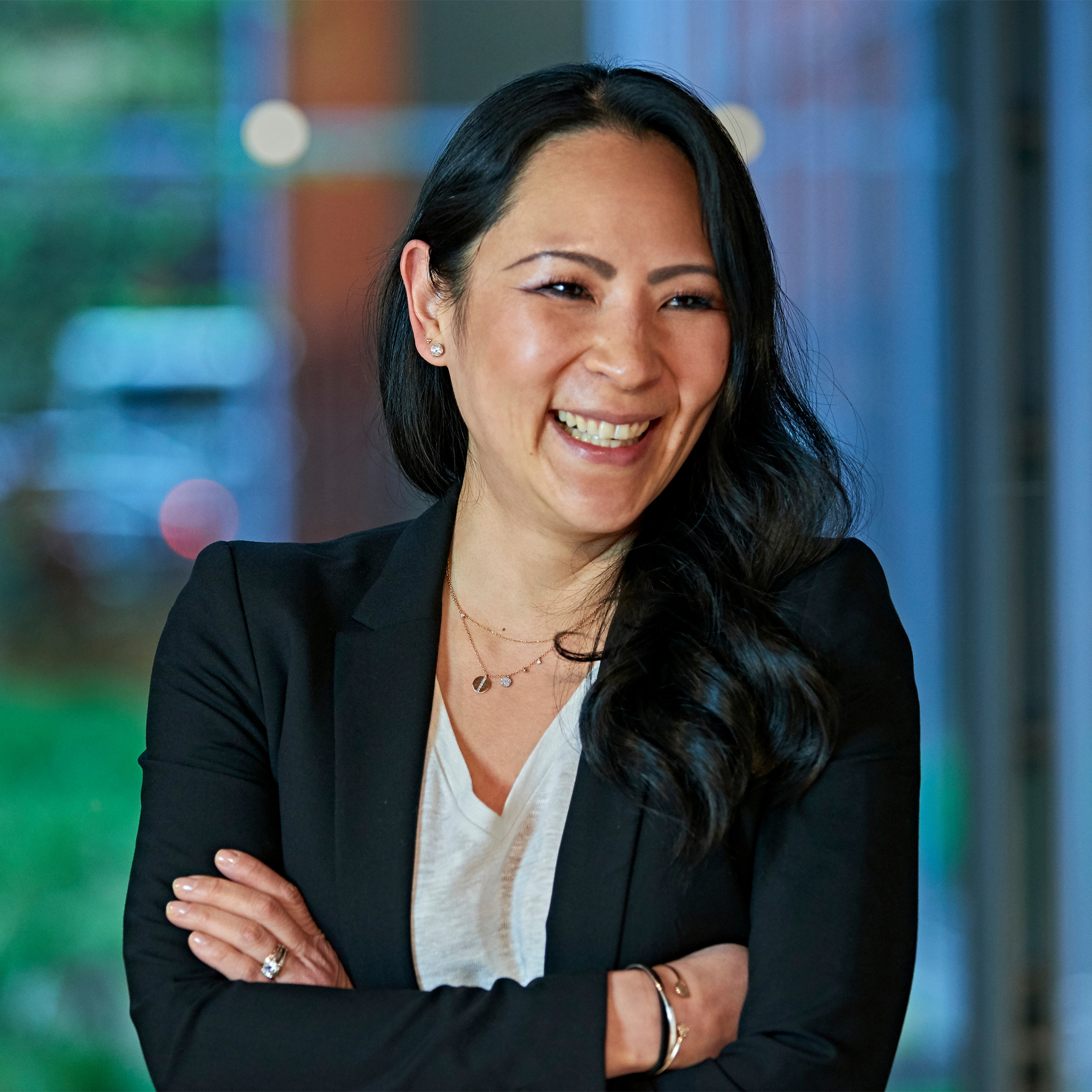
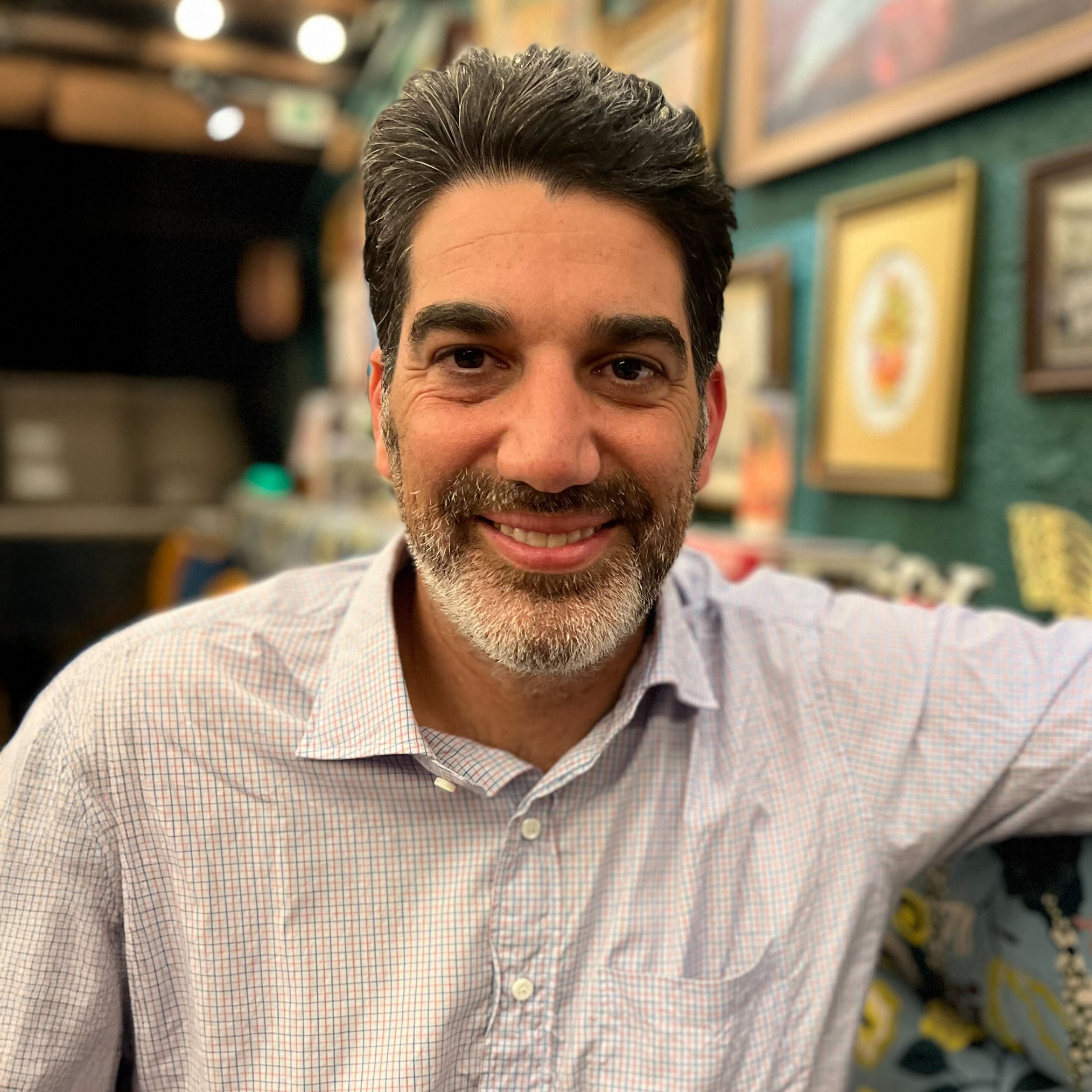
On this episode of Hospitality On The Rise, host Alice Cheng chats with Michael Shemtov, a seasoned hospitality entrepreneur and founder of Honest to Goodness Hospitality, which has made its mark across Charleston, Atlanta, and Nashville. Michael takes us through his inspiring journey from a teenager working his first restaurant job at 13 to founding his own restaurants by 22 — despite the hardships and sacrifices along the way. Michael shares the raw realities of restaurant ownership, from long hours and minimal pay to his unyielding dedication to providing benefits like health insurance for his employees — well before it became more of an industry standard. He also offers advice on the importance of aligning with the right partners and staying true to your passion, while shedding light on the challenges of keeping morale high and expectations grounded in this unpredictable business. Tune in for a candid conversation on the highs, lows, and behind-the-scenes decisions that shape the future of hospitality.
Links
Transcript
HOST: ALICE CHENG
Welcome to Hospitality On The Rise, the podcast about the people shaping the hospitality industry and their journeys. I'm your host, Alice Cheng, founder and CEO of Culinary Agents, hospitality's go-to hiring platform. And I'm here to give you your dose of virtual mentorship.
Here, we'll be sharing the stories, lessons learned, and advice from hospitality leaders who've carved out their own path to success. After all, this industry is where many get their start and go on to do incredible things.
Whether you're a pro, starting out, or just love the hustle, this podcast highlights what makes hospitality extraordinary, the people.
HOST: ALICE CHENG
We're so excited to have Michael Shemtov with us today. He's a hospitality entrepreneur, founder of Honest to Goodness Hospitality with locations in Charleston, Atlanta, Nashville, and probably some more exciting things in his back pocket that we can talk about here. But I've known Michael for quite some time and very lucky to have enjoyed several of his establishments over the years. So thank you very much.
We're here to hear about how it all began and all the incredible things that you've done since. So, Michael, welcome.
GUEST: MICHAEL SHEMTOV
Thank you. Excited to be here. I know this podcast is about me, not about you, but excited to be here with you. Followed you and Culinary Agents–or CA as we internally refer to it–for a long time. And it's been awesome to see its growth in the markets that we operate in. We used to be, like, one of one or two jobs in Nashville and now there's probably 150 jobs in Nashville. Speaks to the growth in Nashville, but also the growth of the platform which I've always appreciated. I always thought it's the best caliber; the best caliber of people are on Culinary Agents.
HOST: ALICE CHENG
Thank you. Well, that means a lot from one entrepreneur to another because it's not easy, as you know, and constantly changing and growing. So back to you because it is about you. How did it all begin?
GUEST: MICHAEL SHEMTOV
Yeah, so I think a lot of us have this kind of origin story, like someone that we met along the way or a conversation that we had or mom took me to a baseball game, and I just got inspired when I was young. So for me, it was a cousin who's old enough to be my uncle. He's like early 70s. I'm 47 today and–it's not my birthday today.
HOST: ALICE CHENG
I was gonna say.
GUEST: MICHAEL SHEMTOV
And so when we moved to the States–I was born in Israel\–we moved to the States, my only point of contact with the family from the Middle East was my cousin who lived in California who was in the restaurant business. So I didn't do summer camps. I just wasn't interested. But in the summer, my parents would send me to visit Cousin Kaduri in Los Angeles. And the run of show with Kaduri would be like, one day was Disney or the beach, the next day was visiting his restaurants, the third day we would drive around and check out restaurants that he wanted to check out. And we would eat snacks and appetizers at four different places. And I thought, “Wow, this is an awesome life.”
So he definitely gave me a nudge. He influenced me. My parents are both entrepreneurs as well. Not in the restaurant space, but my parents were entrepreneurs. So growing up, I saw entrepreneurship, and as I was getting ready to graduate college–or as I was kind of my sophomore, junior year in college–and thinking about what I want to do next, like entrepreneurship and opening a restaurant seemed like something that I understood and could do. So I got started really early. I mean, I'd been working in restaurants throughout high school. Like my first job, I think probably 13, was working for a pizza shop. They would drop me at the front of a neighborhood and I'd walk and put a flyer on everybody's door for specials.
And then they'd tell me like an hour from now, and I'm at 47. So this is what, like 33 years ago? So well before cell phones. So it'd be like, “In an hour, we'll pick you up at the front of the next neighborhood.” And so that's how I started. Then I was a busboy. Then I worked my way up through the kitchen at Outback, which back then was like, you know, a leading organization–no comment about today. I'm not saying anything negative or positive about today. I'm just saying back then they were really innovative. So I started as a bus boy, worked my way into the kitchen. I knew restaurants as well as somebody who was 22 could know restaurants and decided around my sophomore/into my junior year of college, that I was just gonna put my head down and open a restaurant. What I was saying at the time is, “I'm gonna graduate, I'm gonna walk off the stage and go unlock the doors of my restaurant.” And that would be opening day and have this transition.
So what that meant–I don't expect a lot of the listeners are going to be in college, but basically what that meant was I just declined a lot of party invitations and just basically grinded for two years and opened the restaurant when I was 22. I didn't walk off the stage after graduation, but it was January after I graduated in May. Pretty quickly. Yeah.
HOST: ALICE CHENG
Just quick, yeah, it's not easy to just open a restaurant.
GUEST: MICHAEL SHEMTOV
Yeah, yeah, and I was one of the younger people working there in the early years.
HOST: ALICE CHENG
Yeah, but to have that conviction, I mean, that also says a lot about focus and just kind of knowing what you want to do at the time, and who knows, right? That's the risk-taking-slash-ignorance-is-bliss a little bit.
GUEST: MICHAEL SHEMTOV
Yeah.
HOST: ALICE CHENG
But okay, so you got your first one going. How was that?
GUEST: MICHAEL SHEMTOV
Yeah, it was brutal. It was brutal. I mean, we were busy, and I was having problems meeting payroll at the same time. So it was like this weird dichotomy where I'd run into people and they'd say like, “Oh you know, there's a line at the door every time I drive by,” and I'm like, “Yeah, yeah, everything's great.”
Like you can't really show people. We're all like somewhat bullshitters in restaurant ownership, right? It's like, you can't really tell people, “We're really struggling right now. Come in or you and I are both gonna starve.” But yeah, it was rough. I mean, for three years, I didn't get paid. Nobody should be looking for Kleenex to shed a tear for me. But I mean, for three years I basically wrote a check from the business for rent, and my only expense was a new pair of shoes every three months. I mean, funny enough, I still basically buy a new pair of shoes, like, once or twice a year and I just basically wear them until they wear out, but some habits die hard.
But yeah, it was really hard, and then when we started getting paid it was 300 bucks a week, and then that was a year like [400], and then maybe like 500 bucks a week. And it took a long time. I mean we opened the restaurant in 2001, and I think seven years later, when I left to go get a job working somewhere else, was when I got close to making real, I'd say like real money. You know, what a GM would get paid today in 2025. So yeah, it took a while. I hear people talk about their restaurants and sort of pay all the investors back in two years or three years. I always think good on them. I haven't found that formula yet. For me, it's like one of the pieces I advise, that I give people is don't get into this because you think you're gonna make it, it's gonna take you like a decade or two to make it rich. You can get there much faster than a lot of other businesses. So if you're in it for the right reasons, like you love it, you like cooking for people, you like making people happy, you think there's nobility in service, like all those sort of things. You love farmers, you love–
Like a friend of mine says about me that she thinks I was put on earth to move produce through space and time.
HOST: ALICE CHENG
I like that.
GUEST: MICHAEL SHEMTOV
Like if I showed you my food here at the house, I could cook for 35 people tonight. Right? I just buy strawberries by the flat, even though we're a family of four. So anyway, I just enjoy it. If you left me to my own devices, I would just drive around and buy, you know. I go to the bakery for bread. I go to the fish place for fish. I go to the farm to pick up produce. I'm not going to a supermarket unless I need pasta or grains or something like that.
So that's why I'm in it. There's a lot of great reasons to be in hospitality. There's some bad reasons to be in hospitality. And you know, just sort of like you're in it for the wrong reasons, you're going to get burned out.
I was talking to a friend of mine yesterday or two days ago who had a bakery. He just sold all his bakery equipment to somebody, and I told him, “I think there's a certain trajectory in bakeries where it's like, you start it, you're grinding, and then like six, seven, eight, 10 years in, you're just like, ‘God, this is just like way too much work for not enough money.’ And then you sell it to the next person who's at that stage of their career where they're like, ‘I want to do this. I'm going to do something really special. I'm going to mill my own flour. I'm going to make the world's best sourdough.’”
And I'm not saying that flippantly. I think that's awesome. And you need a cohort of people every 10 years to come in and say that, that can keep going. But there's certain professions in this industry. And I think baking is one of them, which is essentially buying yourself a job. Like if somebody tells me they want to open a bakery, I tell them, “I hope you want to be the lead baker and make $50,000 a year for the next decade, cause that's likely what's going to happen.”
I can name you one person who's gotten rich off a food truck, right? Roy Choi is like–maybe you can name more, you're maybe a little bit more in the industry, but I can name Roy Choi. So somebody tells me like they're going to do a food truck to get to brick and mortar. I tend to tell them there's maybe a handful of people a year who do that successfully, who do it because the food truck made so much money that they could then afford to go and open a brick and mortar.
I'm really passionate about entrepreneurship. I imagine at some point we'll talk some about entrepreneurship. It's definitely not for everybody. So I hope I can offer plenty of advice for people who don't want to start their own business today. But yeah, I think it's important to know what you're getting into and why you're getting into it. So if you're going to open a restaurant, be at a point in your life where you're prepared to not take a paycheck for a year.
HOST: ALICE CHENG
Yeah, I mean, there's a lot of similar parallels to other startups, like tech startups and percentage of failure. And you have to be in it for the right reasons, or at least to solve some problem that you feel really passionate about. Then there's constant evolving and changing and then reevaluating and self-reflection quite frankly, ’cause you gotta keep motivating yourself to keep the engine going. Right?
GUEST: MICHAEL SHEMTOV
Yeah. And then that self-reflection also to just understand well what you're not doing well. So you can either learn it, or you can build a team around you. They can execute on those things that you don't like. Generally if you like something, you're going to do it well, right? There's a quote from Aristotle that used to hang somewhere in my office. It's like “Pleasure in the job puts perfection into work.”
I actually somewhat enjoy–I don't want to say I enjoy firing people, but I never shy away from it. If I'm ever in a manager meeting, and we're talking about somebody, and there's a lot of hesitation, I'll just raise my hand, and I'll say like, “Are they working today? Like I'll fire them today.” Because if we're talking about firing somebody, they're not enjoying the job, right? If they're enjoying the job, they're probably doing very well, or they're acquiring skills quickly that will lead to them doing very well.
If we're talking about firing them, they just haven't found the courage yet to quit and figure out where else they want to work instead. So sometimes people just need a nudge in that direction. I think fondly about people that I fired who've then gone on to open their own restaurants or who’ve got onto like very successful careers elsewhere. And I'm not like, “Man, that was a miss. We fired a chef and look at how great she, he is doing elsewhere.” Awesome for them. They found a place where they were really happy. They weren't really happy with us. If they were happy, we would be promoting them, not firing them.
You know, a little bit out of sequence, but I gave some thought to this conversation before. One of the things I think we run into a lot in the restaurant business or folks run into a lot–hopefully not in our organization–and I do think the industry is getting much better at this, and I think there's a lot more transparency and a lot more honesty. But I know one thing that we run into a lot is people say, “Well I took this job, I was promised X. I was told I would be the Culinary Director and I'd just be doing R&D. And now a chef got fired at one of the concepts, and now I'm expected to be the chef over there five days a week and do R&D. And I'm now closing a few nights a week when I was told I'd have a daytime job.” Or like, “I was told I'd start as a host and I'd get moved up the server, but it's been six months, and I still am hosting, and now I'm being told I'm a really good host, so they don't want to move me from the host.”
So there's a lot of that. So one of my pieces of advice that I hope people take away is there's no harm in putting things in writing. In fact, when we tell somebody, “Hey, take a job with us. Like you'll start at 50,000–” just to throw it around, “You start at 50. I understand you want to make 55. This business can't afford to pay you 55 right now. You start at 50, but when we hit this level of sales or when we get to March, when sales pick up, we'll automatically bump you.” And a lot of times people say, “Well, I've heard that before. How do I know that you're gonna…?” And I tell them, “Let's put it in writing.”
Very few restaurant jobs start with a written contract, but there's nothing wrong if you're out there and you are capable and you're smart and you want to build a career in hospitality, and somebody tells you, “Start at X, start at the host and we'll move you to server.” You know, “Start at 50, we'll bump you to 55. In three months, we'll roll out a bonus program.” Ask them to put in writing and have a signed contract.
If you go back with a signed contract and we say, “Hey, look, we discussed this, and then we papered it up so that we would make sure that our understanding was the same and we're not there. So let's have a productive conversation together about how we can get there. I understand a lot of things happen. I understand people left. I understand I'm crushing at the host and whatever, but let's have a conversation about how to get there.” I think that there is more of that from the talent pool would be welcome. Yeah.
HOST: ALICE CHENG
Yeah, and important to highlight your example, which is it's a mechanism to have a productive conversation, not a demand of sorts, right? Because things change. I like to operate with “people have the best intentions” and “people get busy,” etc.
GUEST: MICHAEL SHEMTOV
Yeah.
HOST: ALICE CHENG
So it's also a good reminder. And there's turnover, right? Maybe the conversation was had with somebody, and that person is no longer there or in that position. And now you're having a conversation with a different person. I think that's valuable for talent also. It's part of the navigation of your own career. These are skills, these are conversations, communication that will ultimately benefit you in future conversations and when you have your own businesses.
GUEST: MICHAEL SHEMTOV
That's right. And the reality is, if you're talking to an employer who doesn't want to paper it up, that's a good red flag for you right then to walk away. Because if they're not willing to commit, if they're not willing to put in writing your mutual understanding, that tells you something about how they operate. And that's something that would be helpful to know before you take the job on the promise that you'll be promoted or given a raise at some future point. So yeah.
I mean, one of things that we try to do as a company is just elevate the standards. So everything from having offer letters, to if we ask somebody to start at X and we'll bump into Y, giving them that on paper, to offering benefits, including a 401k or retirement savings program. We have a paternity/maternity program. And part of why we offer them is for the good of the staff, but part of why we offer them is because I hope that in some small way we can nudge the industry forward, because I want everybody who's worked for us, when they're applying for a job to say, “Is there a retirement savings plan here?” And if a manager hears that over and over and over, they're going to go to the owner and they're going to say, “Hey, we need to think about a retirement savings program because people keep asking about it in interviews. And maybe we're missing on some of the best people that we could hire.”
So the reason why we offered health insurance–we started offering health insurance I think in 2003 or 2004, well before the ACA, right? Like before Obama was the freshman Senator from Illinois, much less the president–because people that we interviewed kept asking, “What are the benefits?” And I would tell them, “Well, I can get you concert tickets, and we do staff meals.”
And I'd give them like, you know, seven benefits, and they'd say, “Well, what about health insurance?” So I realized that the benefits question was really just like “Do you offer health insurance?” And I got tired of saying no and disappointing people. So I just had a conversation with my partners, and I was like, “We got to figure this out. When people say, ‘What are the benefits?’ we should respond, ‘We have a great benefits package. You're eligible for health insurance on day one and we pay for half of it.’ And it's not like this BS stripped-down plan that's just meant to check a box. Like it's actually really good. And there's a mental health component and other things. We should just figure this out so we can win those interviews.”
I guess we're, like, 20 years into offering health insurance now.
HOST: ALICE CHENG
Amazing.
GUEST: MICHAEL SHEMTOV
And we're, I think like three years into passing part of that on to the guests. So one of the other things that we do is we have a two point,--we just bumped it like 2.2 % now. It was 2% for a long time, just a little internal sausage-making. It wasn't quite enough funds to do everything we wanted to do. So we bumped it to 2.2 because my thesis was people probably won't even notice. And if they're fine paying 2, they'd be fine paying 2.2 and on $15 million of sales, 0.2 is like a not insignificant number.
But yeah, we started passing that on, and in that vein of transparency and trying to move that industry forward, I talked to some restaurateurs about it. Because I think when we launched it, we were the first place that I know of in Charleston that did it. And we may still be the only place that adds a line item to the bill in Charleston. And I think same in Nashville. In the Bay Area, it's very common. And I think like 4 to 6% is common. I don't know where it is in New York. I know a few people tried it, and it kind of flopped miserably for them.
But when I talked to other restaurateurs about it, the feedback I got was like, “Just bump your prices up 50 cents. Nobody will notice and that's probably more than 2%.” And like, “Why would you print on your menu that you're charging people extra?” And my response was, “I'm trying to facilitate, I'm trying to spark a conversation with the guests about benefits in restaurants.” I want guests to go to restaurants and say, “I love my meal. I love eating here. By the way, do they offer you health insurance?”
And if the server says no, I want them to ask for the manager or the owner and say, “I love coming here, I'm a regular, but I would feel better about coming here if you offered health insurance for the staff. And I understand that you may need to bump your prices, and I'm willing to do it because I think that restaurant employees should have health insurance. I don't think that they should be like a broken ankle away from bankruptcy. So do me a favor and look at a health insurance program, and just know that every time I come here and dine, I'm going to ask for you and I'm going to ask you if you have health insurance yet. And if this keeps going for month after month, I will probably come dine here less.”
Like if we could get that, if we could get guests to participate–in the same way I'm saying, if we could get hospitality workers to think about negotiating and asking for these things. And I'm not saying demand it, but let the employer know that part of your decision-making process is the benefits package. Part of your decision-making process is: are they willing to put on paper what they're telling you that they're going to offer you in the future? Are they willing to at least commit to working towards it?
HOST: ALICE CHENG
Yeah, and one of the things which you'll probably be happy to hear as we looked at the data through Culinary Agents over the years, we did notice more businesses offering benefits in the form of health insurance and dental and those types of benefits in addition to whatever dining discounts and things that they were offering. And that was an indicator, most likely an indicator that those conversations were happening more and more because the priorities of the conversations that they were having with candidates were changing, and businesses had a moment to take a step back and reevaluate to see what they could offer, what they could do.
GUEST: MICHAEL SHEMTOV
Mm-hmm. Yeah, once we get to a critical mast and the holdouts–and by the way, I, like you, I assume goodwill on everybody's part. I don't think anybody is cynically holding out. Like it is–I don't know if you allow cursing, so you may beep this out–but like it's fucking expensive. It is really expensive. I was looking at Fancypants, which is our newest restaurant. We have a pretty small staff there. We're only open four days a week. I wanted to experiment with can we make a model work open four days a week?
And so I think probably in total, it's less than 25 people there. And the health insurance bill there is over five grand a month. Right now that represents a material amount. We're not doing half a million dollars in sales there in four nights. So I mean, it's a material amount. It's not more than rent, but it's not that far away from what we pay in rent. And again, we do charge the 2.2% fee, which offsets that somewhat, but it doesn't cover it. That's also not the only benefit. We also have the 401k and other benefits: dental, vision, which we pay 100% for. We pay about 75% or 70% of the insurance bill.
One of the things that we thought would be really magic if we could get to it, and we did a couple years ago was, it’s like right at 25 bucks a week for our staff, for health insurance. So we thought that would be like a really magic number. And we have, I think out of about 110 eligible full-time employees, I think like 85 are in our health insurance program, which the last insurance person that spoke with said in like 30 years, that's like one of the three best participation rates he's ever seen in a restaurant. So anyway, it's a lot of work, just like anything in the business, but...
HOST: ALICE CHENG
Yeah, would you say this is one of the–? You obviously went from one location or one business, one concept, to multiple. Would you say this was kind of one of the big lessons learned–or it's not even lessons learned, it's really like the revelation and then the change that was part of the evolution and growth of your group–or what were some of the other aha! moments?
GUEST: MICHAEL SHEMTOV
Aha! moments in terms of growing?
HOST: ALICE CHENG
Yeah, like, okay, this, that's a growing pain, right? We were here. This is the feedback we're getting. And we want to remain competitive and take care of our team and all that. What can we do? How do we make this happen?
GUEST: MICHAEL SHEMTOV
Yeah. Well, I think we've always been–I was like very early, I'm super nerdy, and I read a lot. It's like, if the question starts, “Have you seen…?” like, no, I probably haven't seen it. But if the question starts, “Have you read…?” there's a decent chance that I read it. So I read a bunch of academic research about what's called the service profit chain. Meaning if you make your employees happy, they'll make the customers happy. So very early on in my career as a restaurant owner, I came to understand that my job was employee satisfaction. And actually it's taken me a very long time, but we just launched our first company-wide survey where we're going to measure employee satisfaction.
And I'll share with you because I think you may find it interesting. We're not asking people how happy they are. We're asking them how likely their colleagues are to still be with us in six months? Because my thesis is that people will project their own happiness onto their colleagues, and they'll give us a more honest–even though it's anonymous, I think we'll get a more honest answer if we say, “How likely do you think your average co-worker is,” you know, “How likely do you think the people on a shift with you today are to still be here in six months?” I think they will likely answer with their own level of likelihood of being there in six months.
So we rolled out the survey, and the plan is to do it three times a year and then be able to measure how our culture is improving or degrading over time. So if we see that multiple surveys in a row were moving backwards, we can start looking very closely at what's driving that. So very early on I realized it's like the staff needs to be happy.
Now, I will say sometimes, and I think it's important, one of the lessons that I learned was the very first time that we did 40 thousand bucks in a week in my first restaurant was a pizzeria, and we were just in the low 30s forever, and we had this one breakout week. I don't think we'd ever done more than 36 or 37, and then we did 41, and everybody was exhausted, and everybody was at each other's throats. Everybody was angry with their colleagues.
And I walked out that Sunday night just feeling beat. And I thought to myself, “You know what? This is what it feels like to do 40,000 here in a week.” This is like 2001 or 2002. So it was a long time ago. Just inflation would have made that a $55,000 a week. Some people listening may be doing 20,000 in a day, their place of business. So I don't want to sound like we're a little podunky. So I just realized, “Okay, this feeling is part and parcel of being this busy.”
So the reason why I say that is because just earlier this week, I read an email, one of my colleagues sent an email, said, “I think that the morale with the front of house staff is low.” Actually, he's not a great speller. So he said, like, “We have a moral dilemma or moral issue” where he meant to say “morale” issue. The subject of the email was like, oh shit, what's going on? We got a moral issue at the restaurant. But it was a morale issue.
You know, he had some suggestions, which I appreciate. One of the things that we build into our culture is don't come to us with a problem without also having at least a suggestion for a solution or outlining what you've done to try to think through a solution, even if you haven't gotten to it. And so it came to this morale issue. And one of the things I said to them in response is like, “This doesn't lessen the need to address it, but also just think about where we are in a year.”
You know, of course, morale is low. Like, people have not been making money, the money that they need to make for the last eight weeks. They haven't been getting the hours that they need to get for the last eight weeks. Like it snowed, and we were closed. We had one week that we were only open one day, you know? Like of course people are going to be down, you know? There's no night of karaoke that we can take them to that is going to make them feel better about not being able to save money this month or take a vacation next month that they were hoping to make. So some of it is just timing.
And I've learned to be very selective on who I say that to, because one time I said that to a large group of people. I just said, “Well, this is a phase that we're sort of moving through,” and like, “Trust me, in a couple of weeks, it's gonna be spring. We're gonna be busier, tips will be up, everybody will feel better.” And I got a lot of pushback on that, rightfully so, because I didn't mean it like demeaning, I just meant to put it in context of where it is. So I don't even know how we got to this thread.
HOST: ALICE CHENG
Well, yeah, we're talking about just lessons learned and just evolution of business, right?
GUEST: MICHAEL SHEMTOV
Yeah.
HOST: ALICE CHENG
Growing a business, having a business, managing people in a highly seasonal driven industry–
GUEST: MICHAEL SHEMTOV
Yeah.
HOST: ALICE CHENG
–that has a lot of twists and turns and unexpected things that can happen on a dime. So I think that adds another layer of complexity to the entrepreneurship journey, right? It's volatile enough as it is and owning small businesses and growing, but then layer on top of that the unpredictability and potential ebbs and flows of hospitality, that's like next level.
GUEST: MICHAEL SHEMTOV
Yeah. Yeah. And I think a lot of times it's like, know what you're getting into. I would tell the listeners, understand that working at a hotel might come with a level of bureaucracy that you don't like, especially on the culinary side, right? But it's also going to come with probably a very robust benefits package and probably the hours will be better. I've never worked at a hotel. So I'm not saying that the schedule will be better for your life. I'm just saying the hours [will] probably be more consistent.
The number of layers between somebody that's saying, “It's the slow season and we need to cut hours” and somebody actually making the schedule is probably seven, right? Versus one in an independent restaurant. It might even be the same person sort of looking at the sales in the bank account and writing the schedule in an independent restaurant. So you're going to get some consistency, going to get some things that are sort of a different business. So if you don't love now–you know, we do believe like our staff did not sign up for an entrepreneurial ride unless they wanted to be a partner, right? Like they took a job, and they expect consistency, and it's our job to provide them as much consistency as we can.
But I also think for the applicant, like understanding where you're applying. If you're applying at a new restaurant or one that's like a year or two old, it's not a landmark, it's not a mainstay, you may not get that consistency, but you're gonna get all the fun of the chaos of figuring things out in a new restaurant. And you may get promoted faster, because I think the success rate for GM at a new restaurant is probably 50%. So if you take an AGM job at a new restaurant, you get a pretty good chance of being the GM within six months or a year. That is probably not going to happen if you take an AGM job at a hotel or a hotel restaurant, right? There may be other opportunities for you in the group, but it's not going to be...
So just understand what you're signing up for and be very–not selective, but be very mindful and purposeful about where you apply. Actually, when people ask me for advice about resumes, one of the things that I tell them is that it's just hard to understand how little time most people spend looking at resumes. They're just glancing, and maybe they're going to spend 30 seconds deciding if they're going to spend five minutes on it. Right? So like one piece of advice I give people is if you really want a job at Le Bernardin, make the objective on your resume say “To obtain a position in the front of house at Le Bernardin and bring my personal standard of excellence to this world-class establishment, where I can both benefit the restaurant and benefit my career by learning and growing,” right?
That's the very top, your objective is the very top of your resume. If you put that on your resume and you apply to Le Bernardin, you're gonna get called in for an interview, like period. And if you don't, just resend it and go set up a Gmail address that says, “IWannaWorkAtLeBernardin@Gmail” and send your resume from that email address, and you will get an interview. It's really not that… I mean, it's not that easy, but it's not that hard. But a lot of people just have this corporate googly gop of just like words that don't actually really mean anything as their objective. I think tailoring your resume is one of the top pieces of advice that I give for people.
HOST: ALICE CHENG
Yeah, I think just in what we've talked about here, a lot of it is know what you're getting into, right? Do your research, your homework, talk to folks, experience whatever you can. And be thoughtful about where you're applying, and understand why you want to do it.
I want to kind of tap into this entrepreneurship thing again, because you've been doing this for a long time. So I want to get all the nuggets. For someone who's like, “I want to open my own restaurants. I've been working in the restaurant industry. I've already decided this is my jam. I'm in it. But I don't know how to take the next step.” Do you have any kind of aha! moments or words of advice?
GUEST: MICHAEL SHEMTOV
Yeah, I do. Thanks for asking the question.
I think that any reasonable [restaurants], the kind of restaurants that the people on Culinary Agents are going to want to open are generally not going to be like a hole-in-the-wall, without-a-hood, walk-up window spot. If it is, awesome. You may be able to put together enough money from friends and family for that. If you don't have friends and family who are gonna write you a half a million dollar, a million dollar check, or go to their bank with you and get a loan, help you get a loan, really your most viable pathway is to partner with somebody.
Actually I think that there's that adage that every cook wants to be a chef, and every chef wants to go back to being a line cook. And most people that I know that have four, five, 10, 15 restaurants, wish they just had one and that they could work expo or host or work the floor or work the pass. And most people that have one [restaurant] wanna have six.
So there's a little something to that, but partnering with somebody who has three, four, five, six, and especially has a demonstrated history of partnering people in. So we have at Fancypants–our newest restaurant–my managing partner, Jake Mogelson, is a 50% partner. I own less, I don't own the other 50%, I own less than 50%. And Redheaded Stranger, it's me and my chef-partner and we're 50-50, right?
Neither one of these people put in a significant amount of capital upfront. They didn't get the 50% because they had half the money. They got the 50 % because they demonstrated to me that they are willing to go and do the work and that my life would be better if I partnered with them, and they had a material percentage. One of the lessons that I learned, my very first chef-partner, he got 5%. And two years later, he went and took a different job that paid twice as much.
And my realization was like 5% of a restaurant that size–now maybe if you're at Steven Starr restaurant, and you're doing $10 million a year and dropping a million to bottom line, 5% is $50,000, that's a nice chunk of change–but a restaurant of our size, like 5% was not enough to keep them around. It was a big loss, and it was a lesson learned, so now when we partner people in, we require them to buy 10% or 15% or 25% or something more.
But if somebody's telling you, “Yeah, we can do this, I'll do this,” but they don't have a history of doing it, then beware. Or like I said earlier, make them paper it up. Have an agreement on paper that this is the path that you're going on. Recently, we recruited somebody to join us at Fancypants. He applied for the chef position. He was actually a very, very good candidate, but we ended up offering the position to somebody else.
So we called this person and we said, “Would you take the number two role? The pay is not that much different. And if you prove yourself there, we do have other restaurants that we want to open in Nashville. So you would be basically at the front of the line for doing something together next. We're not going to promise a timetable. It might be two years, might be three years. It's not going to be six months. We're just not cranking out restaurants that quickly. So I don't have a project yet, but I can tell you that we want to do a project.”
And he thought about it, and he ended up passing on a job and he said he really needed to make X, you know. Again, just round numbers, I think 75, let's say 75, he really wanted to get paid 75. And that position that we offered him was like maybe 65 or 67 or something like that. And he told us, “I really want to open up my own restaurant in a couple of years, so I have to take it. I can't make less than 75 in order to do it.”
And he didn't listen to me, which is great. Like his prerogative–I'm not saying he was wrong, he has his own calculus–but my advice to him and the advice I give people is, like, $10,000 more a year and pay is not going to get you your own restaurant. It's going to take you 20 years of making $10,000 more to have $200,000, assuming you saved every bit of it. Your best path.
HOST: ALICE CHENG
Right.
GUEST: MICHAEL SHEMTOV
His better path would have been to work with us or somebody like us, take less, but have an opportunity to partner in. So really look for those businesses. If you do want to open up your own restaurant, look for those businesses, look for those companies that do it. Like Boka's partnered lots of chefs in, some of them have multiple restaurants.
Companies, they don't have to be Boka. I mean, I think Boka is a great group. I've never worked for them. So I don't know what it's like inside, but I admire the people behind it. Look for groups that are maybe–maybe it's not Boka–but look for groups who will tell you, I look up to Boka. I want to run our business like that, in terms of–again, I don't know what it's like on the inside–but in terms of we find great chefs and we partner with them and we open up concepts that they lead and drive. Like Redheaded Stranger in Nashville is Chef Brian's vision. It's his childhood stories. It's the food that he grew up eating. It's the food that he wants to cook. Fancypants is a front of house, hospitality, creative-oriented partner, it was his dining room. He made the design decisions. I think it's an awesome space, and I'm happy for it, but I trusted him to do those things.
So look for businesses, look for companies that wanna find great people and wanna lead there. Don't look for the company where it's a genius, somebody who thinks they're a genius, and they come up with all the concepts, and they're just looking for people to execute. Again, unless that's what you're looking for, if you're like, “I'm not creative, I don't want to do that.” But one of the things I would say is if you don't partner with a group, you're going to have to be responsible for so much that you may not want to do. And your world is going to be finance and HR. Especially if you're one restaurant, right? So if you just are passionate about cooking or you're passionate about wine or hospitality, find the group that can put those other pieces around you, so you can focus on those things that really you’re passionate about, because that's what ultimately can drive success.
HOST: ALICE CHENG
Yeah. Well, that's great advice, and then also go work for them for a little bit, right? ’Cause you don't know until you know.
GUEST: MICHAEL SHEMTOV
Yeah, absolutely. Absolutely. A lot of the people that I think of as giants of the industry, if I'm at a food festival and I meet the chefs and we go have drinks or dinner, you find out that it's not as glossy on the inside as it looks on the outside. And that's not–again, I don't know, it's one person's story. So, you know, and I'm not naming anybody. I'm just saying, it's not always what you see on the outside. So yes, go work with somebody. You're going to find out pretty quickly who they are.
Look for people who are very consistent year over year, day over day. Like this business is full of ups and downs. Like I talk about restaurant ownership. It's like having a pair of pants with a bunch of holes in the pocket. Like all day long, little bits of change are falling out. The water heater breaks. Somebody steals your really nice pepper grinder that costs hundreds of dollars. You know, this happens, that happens. It's going to be bumpy. So find the people who can weather that emotionally. Because otherwise it's going to be really difficult to work with them.
So Fancypants is our newest restaurant, also the first fine dining. And we're not quite at break even there, but we're also just about to hit the busier season, and all the trends are positive. But we're looking at a break-even analysis yesterday. And my partner said to me, “Boy, this is like a higher–our weekly break-even number is a higher number than I thought it would be. I thought that we would be solidly profitable with that number, and we're saying that we need that number to break even.”
And my response was like, even though it's my 10th restaurant and 25 years of doing it, we still made the same mistakes. We still thought you could do it with less labor than it takes. We still thought that our COGS are great, labor's high. We just made certain assumptions that are just not true. It's gonna take some marketing and advertising to get to these sales numbers that we thought that maybe we could get to without any. It's just, you always think it's gonna be faster and less expensive than it ends up being.
Even if you just came out of a project that was over budget and over timeline, your next one you think is gonna be on budget and on time. So, just sort of know that going in and steel yourself for it, and maybe don't get fooled by the highs, and just know that if it's a rough week or a rough month or a rough P&L or a rough overrun, it's gonna be okay. Just head down, focus on what's happening inside the four walls. You'll get through it.
HOST: ALICE CHENG
I love it. I love it. Thank you. On that note, we're going to go into some quick-fire.
GUEST: MICHAEL SHEMTOV
All right, let's do it.
HOST: ALICE CHENG
All right. First one, what advice would you tell your younger self?
GUEST: MICHAEL SHEMTOV
I mean, don’t get into restaurant business? [LAUGHS] I almost traded stocks. I was passionate about stock trading. This morning I was watching the stock market. I don't know, it's been challenging. I met my wife through the restaurant business, a lot of great friends. I'm very happy I did. I wouldn't give my younger self that advice.
I think I would give my younger self the advice of just don't let the ups and downs influence you as much. Just sort of understand this is a ride that's gonna look like a roller coaster, and just enjoy the “down” because it's what makes the “up” feel. So it's why you feel so alive on a busy shift, is because you maybe had the off season with slower shifts.
HOST: ALICE CHENG
What's your advice for someone struggling in the industry?
GUEST: MICHAEL SHEMTOV
To understand what it is, do some reflection on what/why they're struggling. Are you in the wrong position, in the wrong company? Or is it something structural about the industry that's making you unhappy? We had a GM once that just basically had a mental snap and check themselves into a facility. And when he felt better, he came back and he wanted to work for us again. And I was ready to bring him right back because to me it's like, you know, I don't know, I always want to treat people with grace and understanding. But my Director of Ops. of the time was very adamant that we not. I didn't understand until she explained to me that the things that triggered them and the things that made him unhappy are still there. They're just part and parcel of the industry. So bringing him back is doing a disservice to him.
So I think sort of understanding why you're unhappy. And is it just a change of scene? You could be unhappy because you're not learning. You could be unhappy because you feel like the place you're working isn't fulfilling what they promised you that they would. Or you could be unhappy because you've just, you know… It's okay if you've outgrown the industry. Like it's not for everybody all the time, and they'll be here for you if you decide to come back, right? Like nobody penalizes you for trying something else and coming back to restaurants. In fact, we run to hire those people.
HOST: ALICE CHENG
Yeah, one of the very many benefits of working in this industry. And lastly, what's your advice for fellow hospitality leaders?
GUEST: MICHAEL SHEMTOV
Have real conversations with people in power about immigration because as good as Culinary Agents is at helping us find good people, we're not gonna solve our staffing issues without fixing immigration. Deporting people, whatever your politics are, is inflationary, and it's gonna make it even harder for us to find people. And it's gonna drive up our cost of labor, which personally, I think that labor costs going up during the pandemic was a very healthy thing for the industry. People should not have been cooking for $12 and $13 an hour.
Like it's great that you can now be a line cook and afford to live in a reasonable apartment, reasonably close to work. I know that's probably not the case in New York. So it's not lost on me that it's not everywhere, but certainly I think in our restaurants, you can afford to live, maybe not in the neighborhood, but very close to it. And you have a pay that doesn't put you below the poverty level. And I think that's a welcome thing.
But I also think we need to work on real immigration reform, because for all the openings that we have, there's lots of people out there with passion and desire to learn who could come step right into those roles and fill them. I think that one of my hopes is that with this immigration crackdown, it leads to a disruption of services that people took for granted, and it opens their eyes into how much work is being done by immigrants, some of whom or many of whom may be undocumented, some of whom I'm not, I don't know what percentage. I'm just trying to say that there's a lot of people out there who are living in the shadows who are making our lives what they are now.
The human cost of the immigration, of deportations is not lost on me. And I don't want to minimize it, but my hope for a silver lining is that the people who are pushing for it start to realize that when they try to make a hotel reservation, the hotel is only running at 50% capacity because they don't have staff or the restaurant raising their prices because their labor costs have gone up or that other things are happening that are second- and third-order consequences that they really don't like. And that helps facilitate a real conversation in this country where we stop either sort of standing in the streets with signs that protest deportations or cheering on deportations and wanting to see live video feeds of them.
We need to move to a real conversation about the work that needs to get done in the country and the value that immigrants have and add, especially to the restaurant business.
HOST: ALICE CHENG
Absolutely.
GUEST: MICHAEL SHEMTOV
I know that wasn’t like a rapid fire answer to a rapid fire question.
HOST: ALICE CHENG
Yeah, hey, it's a important conversation. So thank you for sharing.
And on that note, Michael, thank you so much for your time. It continues to be a pleasure to watch you and your team grow. And I, for one, learned a couple of things on this conversation and am looking forward to continuing it with you and your teams. So thank you again and hope to see you soon.
GUEST: MICHAEL SHEMTOV
My pleasure, I enjoyed it. I could have gone on for another hour. But yeah, I enjoyed it.
HOST: ALICE CHENG
Yeah, same, same.
GUEST: MICHAEL SHEMTOV
And I just really can't say enough good things about Culinary Agents. And I think I will leave with this: if you're out there as a hospitality worker, look for positions on Culinary Agents. Like smart restaurateurs know that that's where the best people are looking. You will get priority. Like if we have a candidate apply on Indeed and we have a candidate apply on Culinary Agents, we're looking at those people in vastly different ways. Like one of you has sought out the top site in the industry where the top restaurants are posting.
It's sort of like if you went to a great culinary school, it doesn't necessarily make you a great cook, but it just tells me that you're passionate or a great hospitalitarian. It just tells me that you're passionate, and you care enough to have applied and paid and gone and gotten through the best schools in the country, right? So Culinary Agents is that for job seekers.
HOST: ALICE CHENG
Thank you, Michael.
GUEST: MICHAEL SHEMTOV
I've told you before, I can make ads for you.
HOST: ALICE CHENG
We'll talk offline about that. On that note, thank you again.
GUEST: MICHAEL SHEMTOV
Yep.
HOST: ALICE CHENG
Remember, success looks different for everyone in hospitality. No two paths are the same. If you have a leader or a topic you want to hear about, email [email protected].
Hospitality On The Rise is brought to you by Culinary Agents, connecting top talent with employers since 2012. Whether you’re hiring or looking for your next opportunity, join us at CulinaryAgents.com
For more inspiration, subscribe to Hospitality On The Rise and visit HospitalityCareerPaths.com, a free platform by Culinary Agents.
Until next time, keep rising!