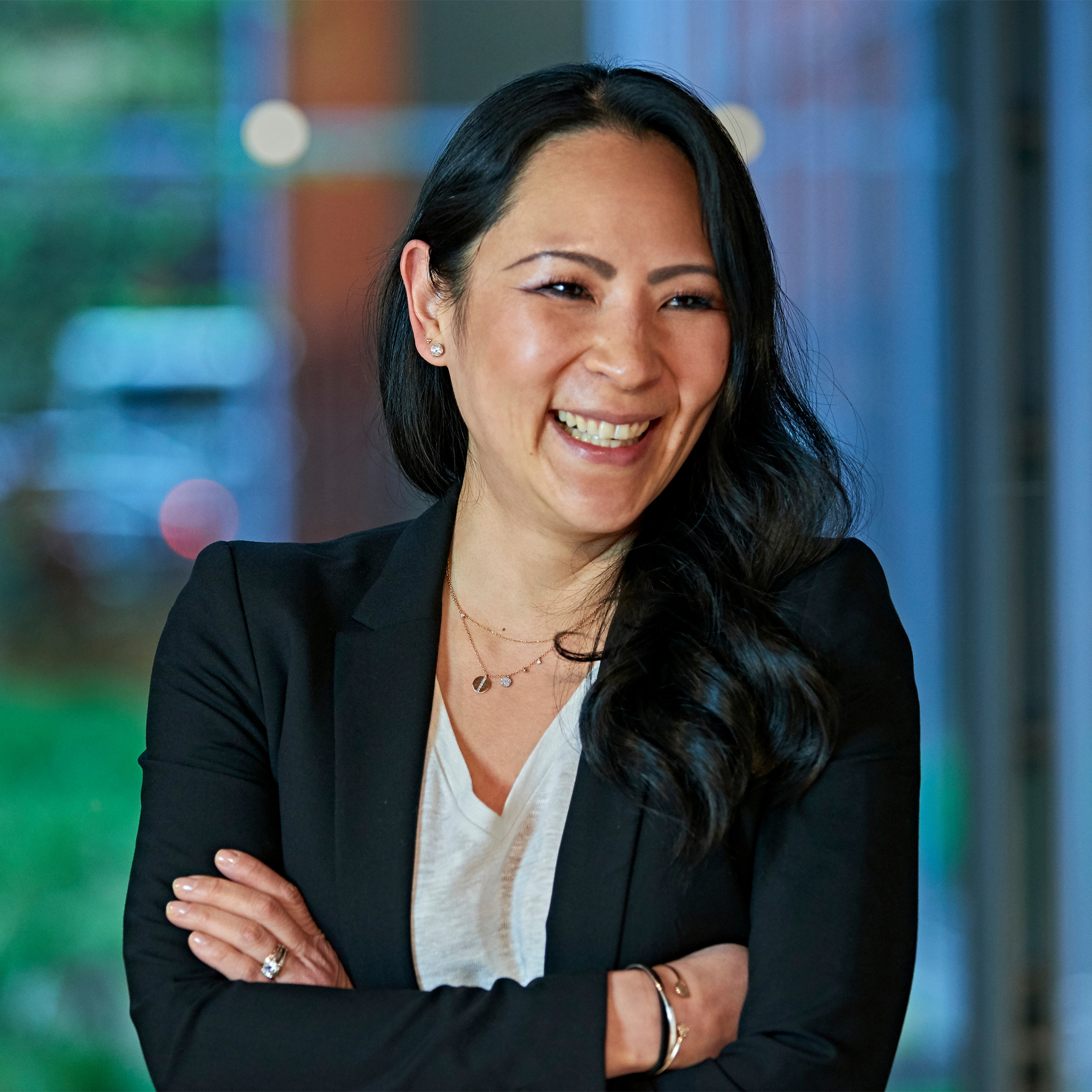
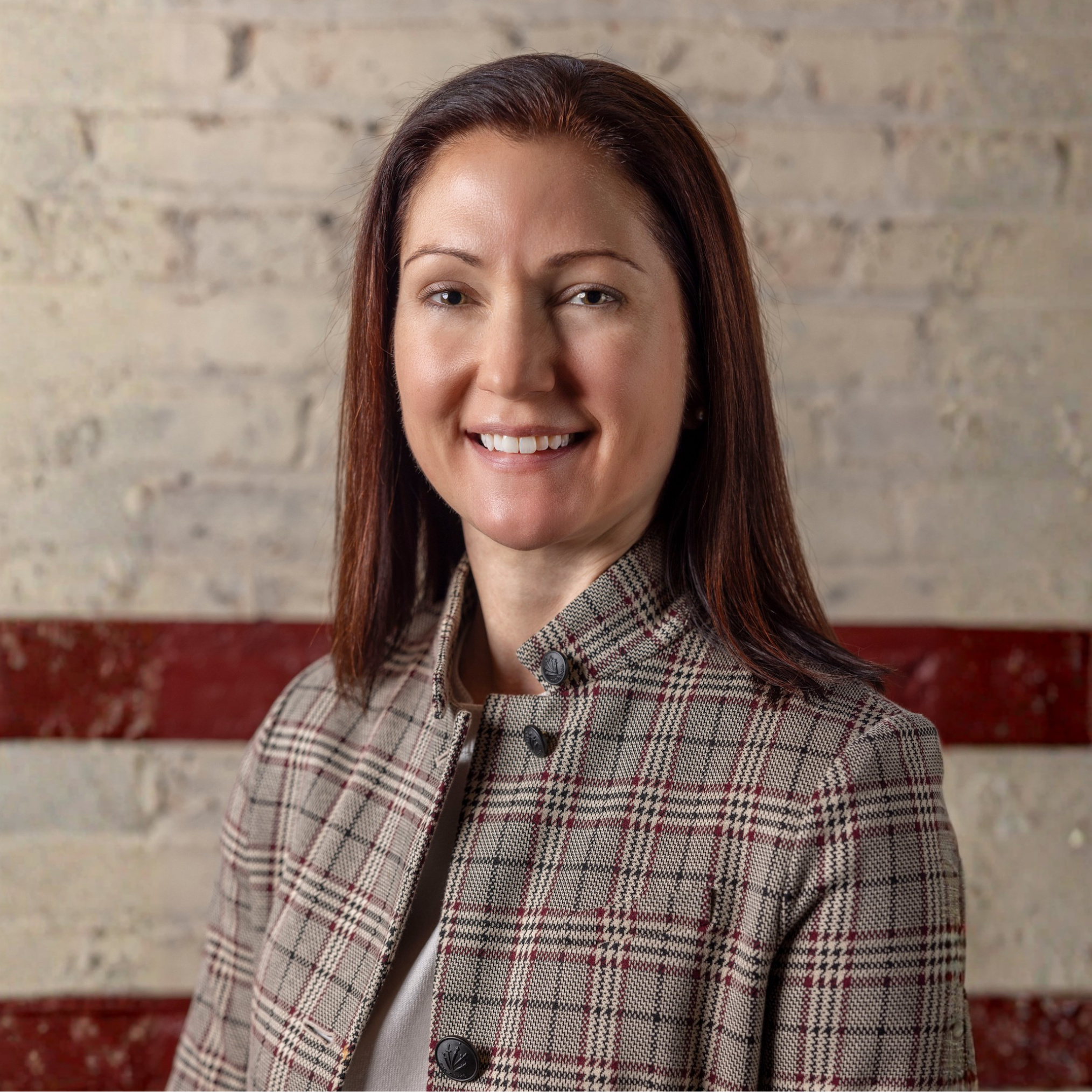
On this episode of Hospitality On The Rise, host Alice Cheng connects with Kimberly Galban, Chief Operating Officer of Hogsalt, to explore the remarkable journey of a hospitality leader who has truly climbed the ranks from the ground up. Kimberly shares how her early experiences — from serving at iconic Chicago spots like Como Inn and Blackbird to stepping into hotel management at the Park Hyatt — shaped her philosophy on leadership, team culture, and lifelong learning. With heartfelt stories, sharp insights, and a passion for people, Kimberly reflects on her evolution in the industry and how she now leads Hogsalt’s growing portfolio across Chicago, New York, Las Vegas, and even Paris. Tune in for an episode packed with wisdom, humor, and inspiration.
Links
Transcript
HOST: ALICE CHENG
Welcome to Hospitality On The Rise, the podcast about the people shaping the hospitality industry and their journeys. I'm your host, Alice Cheng, founder and CEO of Culinary Agents, hospitality's go-to hiring platform. And I'm here to give you your dose of virtual mentorship.
Here, we'll be sharing the stories, lessons learned, and advice from hospitality leaders who've carved out their own path to success. After all, this industry is where many get their start and go on to do incredible things.
Whether you're a pro, starting out, or just love the hustle, this podcast highlights what makes hospitality extraordinary, the people.
HOST: ALICE CHENG
We're so excited to have Kimberly Galban here with us, Chief Operating Officer of Hogsalt, headquartered in the Chicago area. Kimberly, welcome.
GUEST: KIMBERLY GALBAN
Thank you. Thank you, Alice. Thank you for having me and asking me to be a part of this.
HOST: ALICE CHENG
Yeah, and I have to admit it was a little selfish of me to do this because I've known you for over a decade now. And I've always just admired your poise, professionalism, knowledge, combined with just like grace and hospitality. So personally, I was always like, “How did she get here? I want to hear more about her career path.” So here you are. Now you can share it with everyone.
GUEST: KIMBERLY GALBAN
Yes, well thank you.
HOST: ALICE CHENG
But on that note, I'd love to hear about how it all got started because you have a really, really big job now, and we will get to that. But when did you know that this was the industry for you?
GUEST: KIMBERLY GALBAN
Yeah, so it started pretty young. I think a work ethic was definitely instilled in me at a very young age. You know, single mom raising three kids and I was just like, “Okay, as soon as I can get that work permit at 14, I'm going to hit the ground running, you know?” So it started probably most at the Big Apple Bagel and Boston Market and more of the chains.
But then once I graduated high school, I moved to Chicago, and I think most when you're going to school, you need income to pay the bills. And I was just like, “You know what? Restaurants are great. Restaurants are flexible schedules. Generally you can make good money in the front of the house.” So I just kind of hit the streets of Chicago, and I walked street by street with my resume, dropped them off, hoped for the best. At this point I was 18, so I didn't really know anything about restaurants in Chicago or where to go.
So that's kind of how it all started. But restaurants for me were just always a great opportunity to have fun in what you were doing with a flexible schedule, made good money, and it really aligns nicely around my class schedule.
HOST: ALICE CHENG
Yeah, and I feel like that's a common way that people get started. And one of the awesome things about the industry is you can find yourself in it, and then you can find yourself staying, or you can find yourself going somewhere else.
GUEST: KIMBERLY GALBAN
Yes.
HOST: ALICE CHENG
But you always have your stories and your experiences to take along with you. And you clearly found yourself staying. So when did you realize that this was something more than just, you know, a fun, flexible, part-time thing that fit into what you wanted at the time?
GUEST: KIMBERLY GALBAN
Yeah, absolutely. One of the first opportunities I got in Chicago was at Como Inn, which unfortunately is no longer around. But it was this Italian restaurant that was open for 100+ years, at that time ran by the Marchetti brothers. So there was four of them, old-school Italian, and they were one of the first people that I interviewed with, one of the owners, Joe Marchetti. And he was like, “Yeah, I'll give you an opportunity”. He's like, “What do you know how to do?” And I said, “Nothing,” and he was like, “Great, you'll be a server.” And I'm like, okay, great. And he provided me with just opportunity.
So from there I was able to serve. I then started hosting with him, and the feeling of community and really taking care of one another and this sense of generosity at that restaurant was just so powerful. You know, if I ever came in with my family, he would roll out the red carpet and he'd be like, “Welcome in, welcome in all of Kimberly's family. You sit down and I'll take care of you.” And it was just a really great feeling of community.
Shortly after that, I started working at Blackbird restaurant, which at the time I didn't know much about Blackbird, but then quickly realized it was this incredible restaurant in Chicago that really was a foundation for many incredible chefs and restaurateurs. And it was really through that second experience where as I was working in restaurants, I was introduced to the next level, this impeccable service and hospitality and generosity and incredible food and ingredients and just high quality. And then the people that would come into the restaurant were just all-walks-of-life characters. There would be a whole separate podcast to go through what happened in that restaurant.
But it just clicked one day, and I was just like, “This is where I need to be. I don't want to do anything else. This is what I want to do. I want to really see how far I can go,” because I was just quickly in love with the ever-changing day, the kind of controlled chaos. You never knew what you're gonna get in the service. You never knew who you would be serving, and just that excitement was really incredible. So that was really my “click” moment at Blackbird. When I told my parents I was like, “You know how I'm going to school for psychology? Yep. I'm going to still get my degree, but I'm going to stay in restaurants." And they were like, “What?!” They were like, “No!” I was like, “Yes!”
HOST: ALICE CHENG
I'm sure you can apply your learnings to your day-to-day on an ongoing basis in general, right? Yeah.
GUEST: KIMBERLY GALBAN
Yes, very, very much.
HOST: ALICE CHENG
That's another beautiful thing about the industry. It's like, you definitely need to pull in your skills from every direction to get through a service and make it successful for everyone.
GUEST: KIMBERLY GALBAN
Absolutely.
HOST: ALICE CHENG
And I can attest, I mean, that there's something about the Blackbird dining room. It's not huge. There's so much that happens in a small space that is pretty magical. So you spend your time there, and you worked with that organization, One Off Hospitality Group, for quite some time.
GUEST: KIMBERLY GALBAN
Yes, I did. Off and on for about 15 years. Yes.
HOST: ALICE CHENG
Wow. And throughout the ranks, you opened locations with them… I met you when you were already in leadership, but that didn't happen overnight.
GUEST: KIMBERLY GALBAN
It did not. No. Yeah, definitely I think with restaurants, of the beauty or the way it should be is you kind of work your way through a restaurant and learn every position, understand it, and then continue to hopefully grow from there. And that's definitely has been my whole career.
HOST: ALICE CHENG
Yeah. And I'm cheating here, I'm looking a little bit at your timeline here, and I want to hone in on something that seems to be sandwiched in between some of these amazing restaurants that you worked at: Banquet Director at the Park Hyatt Chicago. So you went off and did a little hotel thing for a little bit.
GUEST: KIMBERLY GALBAN
Mm-hmm. I did. You know, after, I think it was I spent my first round with One Off for about five years, I worked at Blackbird, opened up avec with them, and then I sat them down, and I was just like, “Hey, I need to keep learning, I need to keep growing,” and they were like, “Okay, well, what do you want to do?” And I was just like, “No, unfortunately, I think I need to go.”
And I almost needed to go to school, for lack of better words, and at the time I had a friend that was working at the Park Hyatt Chicago and, you know, kind of just asking a lot of questions of “what do you do?” and “how are hotels run?” And it piqued my interest. So I initially went on their website and applied for their internship program. I think within a day the HR director called me and she was just like, “Do you want to be in our internship program?” I'm like, “I do. I really want to learn.” She's like, “We have a manager position open. Would you like to do that?” And I was like, “Okay, sounds good.”
And I started at the Park Hyatt Chicago working at NoMI, which was a incredible pinnacle restaurant in Chicago during that time. And I was an assistant manager there. And [I] really use the Park Hyatt and all of the resources of Hyatt in itself to really take my education of hospitality to the next level. During that time, I was able to be a restaurant manager. I was a banquet manager, which most people are like, “Why did you do that?” I'm like, “I learned a lot.”
I then became a private events manager and then a sales manager selling hotel rooms, and that for me was definitely a moment in my career, that without that moment, I don't think I would have been where I am today. Because it really did shape me and give me some incredible experience in my day-to-day, even today.
HOST: ALICE CHENG
Yeah, I love that we always talk about how there are foundational and common skills that you learn in hospitality and different positions that you can bring to other parts of the industry, whether it be with hotels, food service, or adjacent types of companies. Those skills, more and more so, are valued differently by outside companies and industries.
And so I'm always highlighting all the awesome things that people gain and learn when they spend their time in this industry. And if you choose to stay amazing, and if you choose that it's no longer your thing, great, you can take those skills and bring them somewhere else. The industry will always be here for you when you want to boomerang back, right?
GUEST: KIMBERLY GALBAN
It is always here.
HOST: ALICE CHENG
It’s always here.
GUEST: KIMBERLY GALBAN
The nice thing about this industry is it's not going anywhere. This is an industry that is built around people and good times or bad and celebrations, and so at the end everyone needs to eat, which is great. So I always tell everyone, I'm like, “This is not going anywhere.”
HOST: ALICE CHENG
Yeah, exactly. Exactly. So you just can't replace that feeling of having that red carpet kind of rolled out for you and being taken care of and cared for like that. OK, so you went and you did your stint. You learned a bunch. I too spent some time in hotels, and it is exposure and stuff. Sometimes it helps you realize things that you don't want to do and then helps you refocus, which clearly it brought you back to restaurants specifically.
GUEST: KIMBERLY GALBAN
Yes.
HOST: ALICE CHENG
And now you're back in a different leadership role.
GUEST: KIMBERLY GALBAN
Yes, yes, yes. Today I'm now with Hogsalt as the Chief Operating Officer. We are Chicago-based through and through, but definitely have rooted ourselves in New York, Las Vegas, and our first restaurant internationally in Paris. So it's been an incredible journey.
HOST: ALICE CHENG
Yeah, and you joined a lot of these growth opportunities or growth–I would say–growth locations and expansion were largely driven by you and your teams during the past handful of years. Right? Like the international expansion was fairly recent.
GUEST: KIMBERLY GALBAN
Yes. Yes.
HOST: ALICE CHENG:
And then the growth more in the New York market was also in the past handful of years. Right?
GUEST: KIMBERLY GALBAN
Yes, yeah. It's always interesting because you can kind of look at your time and your work done. First and foremost, I just feel incredibly grateful for all of the opportunities that I've had and everything I've been able to be a part of, because I know that's not everyone's path. But I do think a large part of that is anything that's ever come my way, I've never said, “You know what? That's not for me,” or “That sounds like a lot of work.” I've always been like, “Yep I'm in. Sign me up, coach. I don't know what I'm doing, but I'll figure it out.”
And it's funny because I try and always encourage our teams and our leaders just to embrace those moments of uncertainty and the unknown with positivity and excitement. I'm just like, “You'll figure it out. I promise you.”
HOST: ALICE CHENG
Yeah. And you walk the walk and talk to talk with also continuing to learn and be curious amongst all of this. Back in 2019, you got your certified professional SHRM CP, and your day-to-day focus is not HR. But clearly you've touched upon the HR space over your years and times in businesses, and those skills, I would imagine, continue to round you out in certain areas in your leadership roles.
GUEST: KIMBERLY GALBAN
Yeah, when I look at my day to day today, while service is always the part that, as my son would say, “fills my bucket,” it really is looking at the entire business. When you are working so closely with teams that span from marketing, to IT, to HR, to finance, to events, in addition to culinary operations, and the list just kind of goes on. I feel to be able to know enough about all of those areas is pretty critical. I think most importantly, this industry is incredible because there's nonstop learning. And I think continuing to just be a student every day is the best way to continue to ultimately grow and learn and further develop.
There's times in my day, and I've been in this industry for 25+ years, that I still go, “Wow, that's a new one, okay.” And I'm just like, “Okay, well that's never happened before, but let's obviously talk about it and figure it out.” I think remaining a student and open-minded and just incredibly flexible is some really valuable key points to not only be successful in your day, but to continue to embrace this industry and all that comes with it.
HOST: ALICE CHENG
Yeah, yeah, I love that. And even though you're not in the day to day of hiring and recruiting, there was a time when you were heavily involved in those types of things. You still, I'm sure, partake in identifying or nurturing leadership in your organization in your role today. What would you say are common attributes or things that you see in someone that helps you identify, like, “this is somebody we want to continue to develop,” or “these are the types of attributes we want to cultivate”? How do you identify those internally who you want to continue to bring upward or are ready to?
GUEST: KIMBERLY GALBAN
Yeah, absolutely. I think depending on what role you're looking to bring on, some roles do possess the need for certain skills that apply to those jobs. We have a full recruiting team, which does an incredible job. But I try and always tell them, “If within the first minute of meeting somebody, they don't make you really excited to want to continue the conversation, they're probably not the right person for us.” And they're always like, “Well, what does that mean?” And I'm like, “Just don't overthink it. But if you meet someone and within that first minute, you're like, ‘Wow, like this person's really interesting. I want to keep learning more,’ that's the type of connection, especially with store leadership, that's the type of connection that we need to make sure that they can connect with our guests and connect with our team members.”
And then from there, you kind of go into more qualifying questions, but at the end of the day, we would rather have an entire team of individuals that are just incredibly positive, transparent, hard-working, aligns with morals, vision, values, honesty, and just generally fun and interesting people than ever to get the best resume ever that is just locked and loaded, and you're like, wow, that's really impressive. But then you meet them and you're just, like, nothing.
HOST: ALICE CHENG
Not a fit.
GUEST: KIMBERLY GALBAN
I would definitely rather have a team of personality and curiosity than a team of just incredible background and skills. The nice thing we've developed over the years is we've built out these training programs that any single position in our organization–from a dishwasher to a server to a director–there are built out training programs that are anywhere from 6 to 12 weeks for leadership, and for hourly team members anywhere from 8 to 12 days. So we can give the skills, we can give the tools to succeed, but I would rather be aligned with people that I'm just excited to see every day.
And people that are gonna be like, “Well, this is the way you do it.” I'm like, yeah, no. I get it, yes, but how do we feel about it? Because restaurants and hospitality are just built around emotion, and while there are like tactical parts of the job, it's definitely more about the feelings and the emotions. So that's kind of how we always look to bring on candidates, especially looking at leadership roles. Then of course, if I'm bringing on somebody for an IT position, yes, experience in IT is helpful.
HOST: ALICE CHENG
Yeah.
GUEST: KIMBERLY GALBAN
And in marketing, yes, helpful that they have a marketing background. But at the end of the day, the core of the person needs to be the same, or else we just won't get anywhere.
HOST: ALICE CHENG
Yeah, and I mean, that's incredibly important also to keep the consistent culture that you want to cultivate. It's part of the employer brand; it's not just not just outward facing to guests, but it's also an ongoing way that you recruit and keep people excited and retain them to work with you. Right? I imagine it gets increasingly more difficult as you open more concepts that are farther away from headquarters and in different countries. But you and team have been doing an incredible job because I'm very fortunate enough to have some of your concepts in my hometown here. And one right in my neighborhood. So I'm a happy camper. So, I mean, you have what, almost 20 locations?
GUEST: KIMBERLY GALBAN
Yeah, I think we're at like 28.
HOST: ALICE CHENG
Oh, 28. Geez. I blinked.
GUEST: KIMBERLY GALBAN
I know, sometimes I lose count. Sometimes I'm like, how many? like, I don't know, 25+.
HOST: ALICE CHENG
25+. And you also have a cult coffee shop and collaboration. I want to hit upon that a little bit because all of your concepts consistently have a great culture and vibe. But I'm particularly interested in how the Sawada coffee collaboration came about, because I discovered it in Chicago on a trip and was very happy to then see it also appear in the New York market.
GUEST: KIMBERLY GALBAN
Yeah, so I think one of the many reasons that I really love what I do and who I get to do it with is while we are, quote unquote, probably “big” in size, we still operate very much with what we want to do. So, you know, we have quite a few leases that have been sitting for five years, haven't done anything with it. But it's more about, for us, what is the right story and do we have a story? And if we don't have a story, then we're not going to do something.
So it's really looking at that moment. It's funny because Brendan, anytime we open a restaurant, he will say, “What movie is this?” And I'm like, “Oh, here we go.” You know, but also like, yeah, here we go! So it's like, what movie is this? Who's our cast of characters? What story are we telling? What experience are we giving? And it always starts with that.
And if we don't have a story, we just don't do it. We just kind of put it on pause, and we say, you know, maybe another day or something will inspire us and they'll come around. So with Sawada specifically, you can see we have definitely a love of everything French and Parisian. We have a love and a strong tie to just Japanese culture. And on a trip to Japan quite a few years ago, we were definitely really into just incredible coffee. Where does it come from? The whole story of coffee.
There's this gentleman in Tokyo, Hiroshi Sawada, who at the time was just winning all these awards for barista-making and latte art. We kind of paid attention to him. And he was definitely up-and-coming, wanted to grow in through quite a few different conversations, brush the conversation of doing a collaboration together called Sawada, where we were able to bring it here to the States and really introduce a new way of coffee culture that hasn't been introduced to the States at that time. So it was great. Even today, the quality and integrity of those coffee products is the highest of the high, and I think you can taste it with every drink you get.
It really has, to your point, created this cult culture, where we don't have to open at 6 a.m. It's great. We open at 8 a.m., and we're busy until 4 p.m. So it's really been a wonderful story. We would love to see Sawada continue to grow beside Chicago and New York. And again, it's just like, what does that story look like next for Sawada?
HOST: ALICE CHENG
Yeah, I love it. Thank you for sharing. What I'll also extract from that, from a leadership lesson standpoint, is if you don't have the conviction and you don't need to do something, it's okay not to do it. Right?
GUEST: KIMBERLY GALBAN
Yes.
HOST: ALICE CHENG
I think sometimes there's also absolutely a sense of urgency. There's a sense of growth, and “more,” and competition, and I think that's part of what's amazing about the industry. I think sometimes it's a nice reminder to say, it's OK to hit pause and come back to it if it's not 100% there.
GUEST: KIMBERLY GALBAN
Absolutely.
HOST: ALICE CHENG
So I'm going to circle back and focus back on you here a little bit. You've taken risks. You've had all these different opportunities. You've worked for some really great organizations and in various leadership positions. And you are currently in a very high leadership position with Hogsalt, and you are busy. You are very busy. I know you are.
GUEST: KIMBERLY GALBAN
Yes.
HOST: ALICE CHENG
How do you find balance and stay inspired? I know those are two different questions and you probably do different things for each, but curious minds want to know.
GUEST: KIMBERLY GALBAN
Yes, yes.
Yes, well, staying or finding balance. This is a question I get all the time, especially from our female leadership who have gone on to raise families, and they're just like, “How do you do it? What's your key to work-life balance?” And it's a funny kind of sentence, right? Like “work-life balance.”
There was a younger self where I tried to make the two very separate. And I said, “Oh, one bucket is work and one bucket is life, the rest of life.” And I noticed that I grew a lot of anxiety over trying to fit everything into these two worlds. Then one day I was just like, “I'm just going to throw that out the window, and I'm just going to let the two worlds live and breathe with each other.”
Since I've kind of let that whole philosophy go, I feel like I've been much more productive. I mean, my days are long, and that's great. We have a restaurant in Paris. So when I wake up at 5:30 in the morning, 6 a.m., I'm already getting messages from the team in France about X, Y and Z. So I've learned to be really comfortable with the fact that the days are just gonna be long, and it's more about letting work come in. Maybe it's like a few hours of work, and then I'll go to the gym, and I'll go back to work and work, work, work, work, work and then maybe step out to see the kids and then go back to work.
So I think that balance for me has really been allowing the work and the life come together. That has been like a really powerful moment for me. I think it's also allowed my children to see that I work, and I provide, and “this is why we do this, for you guys.” So I think it's actually developed into a really beautiful thing today. But yeah, it's a lot, and I think through that, I've also learned that not everything can be done in one day. And if I go through a day, I could have a plan for the day, and within like two hours it's like out the window. I'm like, “Well, there goes that list.”
HOST: ALICE CHENG
Yeah.
GUEST: KIMBERLY GALBAN
But it really is just prioritizing better, like understanding and being honest with myself of what can I achieve today and what is okay to leave til tomorrow. Or, like, I'm totally mature enough to ask for help. So if one part of the day is swinging in one direction to say, “Hey team, can someone help me out here?” or “Hey, someone in life, can you help me out?” and I think it's really being honest with yourself and you know being comfortable and allowing for those moments so I think that's kind of like how I balance the day, and then I think the second part was finding inspiration…
HOST: ALICE CHENG
Inspiration, yeah.
GUEST: KIMBERLY GALBAN
So my husband is a chef, so we're kind of like a very interesting duo. We dine out all the time, like ridiculous amounts, it's probably not even healthy that we dine out. But we do that because one, we both love food and beverage, we love hospitality, we love to see. But through that, we do draw a lot of inspiration, from what others are doing and how others are going about this incredible business. I do draw a lot of inspiration from that. We also travel a lot. I love traveling, especially to other countries. The inspiration you can draw from other cuisines and cultures and how they approach hospitality and service is truly inspiring. And I always come back with something, with some life lesson or lesson I bring back into the restaurants.I think those two things are really powerful for me. And then yes, like I am an avid fan of MasterClass. I'm always taking a MasterClass in–not just even about restaurants, just any person I find interesting. I think those are always moments of inspiration.
Also my team, I'm incredibly inspired by the individuals I surround myself with every day. My team is incredibly inspiring. They motivate me. So I think a combination of all of those items really keeps me going and makes me want to continue to push forward and honestly just continue doing more.
HOST: ALICE CHENG
I love it. Yeah. In a full household of just food and hospitality. Like what else could you ask for? Right?
GUEST: KIMBERLY GALBAN
Yes!
HOST: ALICE CHENG
Well, I love that. This is a perfect segue into our quick fire.
GUEST: KIMBERLY GALBAN
Woo, all right! Bring it on.
HOST: ALICE CHENG
Just three quick-fire questions. What advice would you tell your younger self?
GUEST: KIMBERLY GALBAN
I would tell my younger self that if you're not changing, you're not evolving. And listening is just as important as speaking. That's what I would tell my younger self.
HOST: ALICE CHENG
I like that. What's your advice for someone struggling in the industry?
GUEST: KIMBERLY GALBAN
This comes up quite often. This is a great question. I would tell anyone struggling with the industry to almost take a step back and re-attach with the reason why you came into the industry. Because there's always a moment, right? There's always a moment. There's always a reason.There was a time that really connected the dots. And I think sometimes people lose that because it just becomes so monotonous and go, go, go, go, go. So my advice would be take a step back. Remember the reason why you got into this, and realign what you want out of this. And ask yourself, are you doing it with the right people? Because I do think sometimes that unhappiness or that confusion can come because you're surrounded maybe with people that aren't aligned with your goals any longer, and that's okay. But I think really being honest with yourself is probably that powerful moment.
HOST: ALICE CHENG
Yeah, back to your first piece, which is changing and evolving, right? And lastly, what is your advice for fellow hospitality leaders?
GUEST: KIMBERLY GALBAN
Have fun. If you're not having fun, please don't do this. Just have fun. Continue to be a student. It's incredibly, incredibly important that you just remain open-minded and just eyes bright. Take it all in. Ask a ton of questions, and just be a continuous student, and just be happy. If you're not happy where you are, then don't be where you are. Find a different job. This industry takes 150%. And if you aren't 150%, you can't give it. So just make sure you're happy. Life is too short.
HOST: ALICE CHENG
That's like life lessons right there, not just for hospitality.
GUEST: KIMBERLY GALBAN
Yeah, all of them.
HOST: ALICE CHENG
I know, exactly. Well, Kimberly, thank you so much for sharing your advice, your timeline and your career. I am selfishly so happy I got a chance to steal some of your time because you are very, very busy and really appreciate you sharing your words of wisdom.
GUEST: KIMBERLY GALBAN
Yeah, no, it's my pleasure, and thank you again for having me. I feel like I could talk about restaurants all day. So thank you. Yeah.
HOST: ALICE CHENG
There may be a part two. Thank you. Talk to you soon.
GUEST: KIMBERLY GALBAN
Thank you. All right. Take care.
HOST: ALICE CHENG
Remember, success looks different for everyone in hospitality. No two paths are the same. If you have a leader or a topic you want to hear about, email [email protected].
Hospitality On The Rise is brought to you by Culinary Agents, connecting top talent with employers since 2012. Whether you’re hiring or looking for your next opportunity, join us at CulinaryAgents.com
For more inspiration, subscribe to Hospitality On The Rise and visit HospitalityCareerPaths.com, a free platform by Culinary Agents.
Until next time, keep rising!