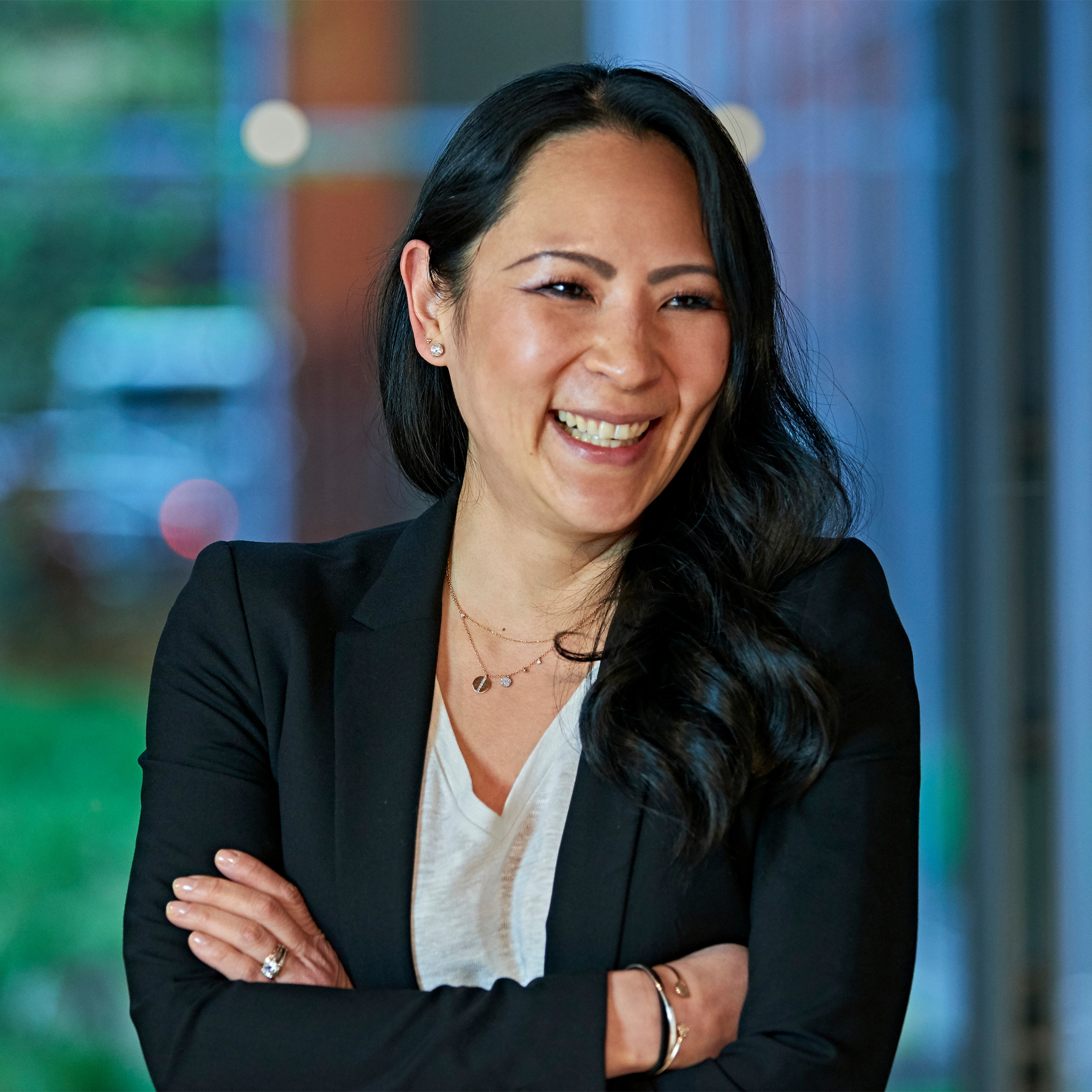
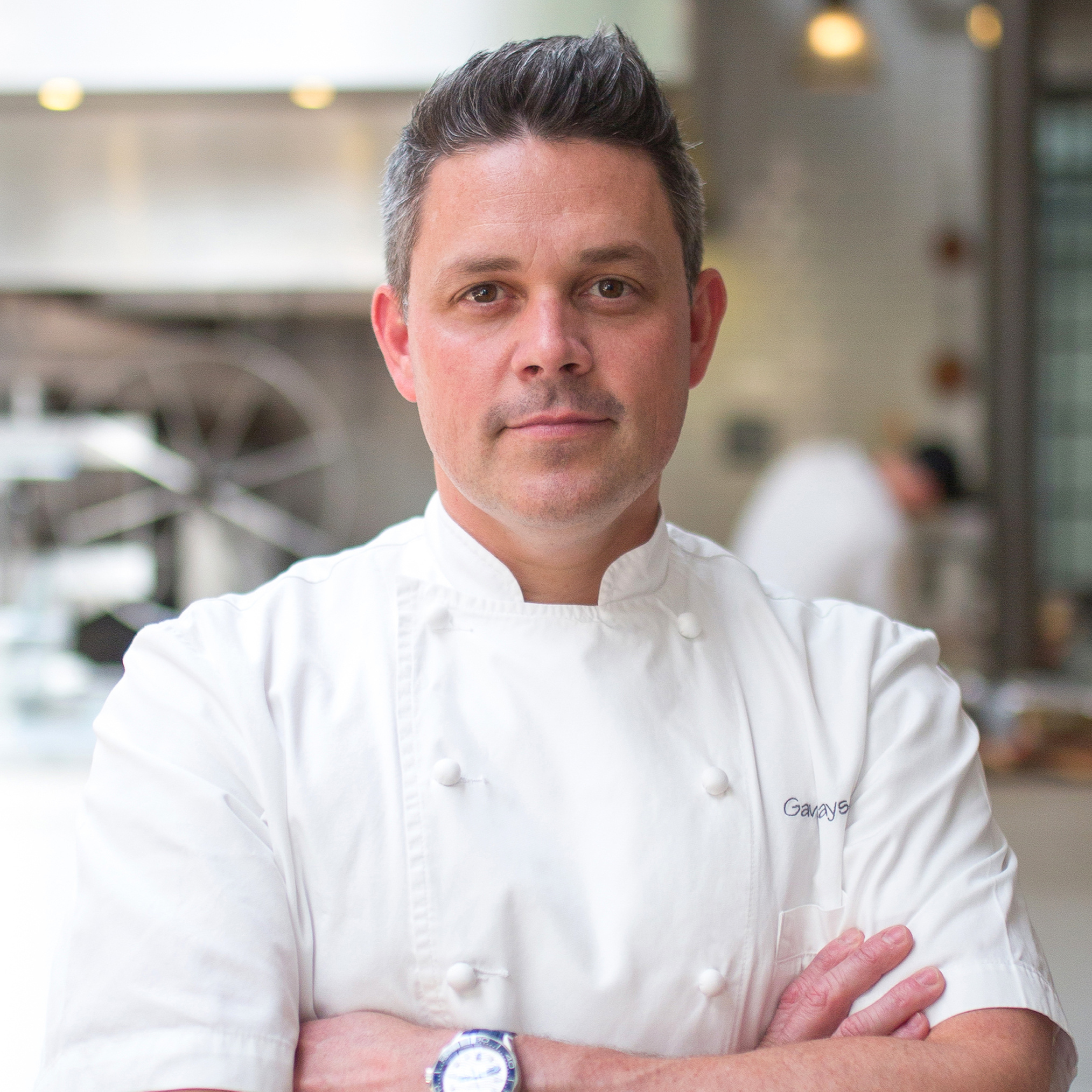
We are thrilled to welcome Chef Gavin Kaysen as our first-ever guest on the Hospitality On The Rise podcast! Chef Kaysen's journey is a testament to dedication and passion, from his early days working at Subway as a teenager to rising through the ranks with Chef Daniel Boulud, and now leading his own renowned restaurants under the Soigné Hospitality Group.
With a growing list of prestigious awards, self-published cookbooks, and a deep commitment to mentoring the next generation of culinary talent, Chef Kaysen truly does it all—while balancing family time at his kids' ball games and family dinners. His remarkable career is nothing short of inspiring, and we're honored to share his story with you.
Links
Transcript
HOST: ALICE CHENG
Welcome to Hospitality On The Rise, the podcast about the people shaping the hospitality industry and their journeys. I'm your host, Alice Cheng, founder and CEO of Culinary Agents, hospitality's go-to hiring platform. And I'm here to give you your dose of virtual mentorship.
Here, we'll be sharing the stories, lessons learned, and advice from hospitality leaders who've carved out their own path to success. After all, this industry is where many get their start and go on to do incredible things.
Whether you're a pro, starting out, or just love the hustle, this podcast highlights what makes hospitality extraordinary, the people.
HOST: ALICE CHENG
We are so excited to have Gavin Kaysen today as our guest. I had intended to kind of list off all the accolades and awards that Gavin has accumulated over the years, but the show is only 30 minutes, so I don't want to take up the whole time here. So I'll just pick a couple of highlights, and we can go from there, because we're not here to listen to me talk.
So most recently, 2024 Minneapolis-St. Paul Business Journal: one of the city's most admired CEOs. I like that–CEO, not just chef-owner, CEO. Star Tribune, 2023 - 50 people changing the way Minnesotans eat. And 2018 - JBFA Best Chef Midwest, 2008 - JBFA Rising Star Chef of the Year.
The list goes on and on, but not just in cooking and accolades and leadership, but also a lot of things that you do supporting the community. And you're just known to be a mentor across states, across cities, et cetera. How did you get started?
GUEST: GAVIN KAYSEN
Well, I got started in the world of fast food, right? So I was 15 years old, and I started at a Subway, making sandwiches. I was a certified sandwich artist back then, although I feel like I kind of keep this gift forever now. You know, I'm not giving it back. But that's really what got me into a little bit of this profession.
However, there was a gentleman named George Serra who had moved in next door, and he was opening up an Italian restaurant. And it didn't take long before I was lured away to then work for him at the age of 16. That is really where I sort of cut my teeth in the sense of understanding that what I was doing was not just an after-school or weekend job, but was something that could be taken seriously–as something in my future. And I really credit George for pulling that out of me at a very, very young age, where not much is identifiable in your life at that age. You're just kind of moving as things move.
HOST: ALICE CHENG
Yeah, so take me there. So that was when you were like, “This could be something that could be a future for me,” right? You were hooked. You were in and going strong.
GUEST: GAVIN KAYSEN
Yeah, I mean, I always loved the idea of cooking and baking. I spent a lot of time with my grandmother doing that when I was younger. But again, it was never in a professional setting. So growing up in Minnesota, I guess I didn't really recognize or even think about that being something that I could do long term. Only until I met George did I recognize that there was an opportunity there for it to be a job in the future. And I still remember him sitting down with my mom and dad, and saying to them, “Your son has a gift and hospitality and he understands how to cook food. This could be a really serious profession for him if he decides to go down that path.”
And the three of them kind of worked out what my destiny was going to be without my consultation. And it was that I was going to go to business school, and then I was going to graduate from college and business school. And then I was going to go to culinary school and move to France. And they had all these dreams and aspirations, none of which worked out for them. They all worked out for me.
I really thought at the time, at that age… What I knew was that I loved taking care of people. I loved cooking for them. I loved serving them. I loved the way that they reacted when we would serve them food. All of that just made me happy.
I guess in hindsight–looking back on it–as complicated as it may have felt then, the simplicity of it was: it made me happy to make them happy. That's kind of why I got into this role, and why I got into this world of cooking and food and restaurants.
HOST: ALICE CHENG
That’s incredible, and recognizing that at such a young age. I love that, and I love that I'm hearing these new stories that your parents were in on this like plot here; which actually kind of worked out right? You did do overseas, you did go to culinary school, etc. “Thanks mom and dad.” So you're there–early age–you know this is what you want to do.
Oftentimes people kind of decide they want to do something, and then things change along the way. And as they get more into it, they're like, “This is really not what I wanted.” Did you ever get into some of those moments where you had second thoughts?
GUEST: GAVIN KAYSEN
You know, honestly, I really never had second thoughts about this. I spend a lot of time journaling. I still do. I probably spent more time journaling when I had the time, or at least more time than I do now. But I never really had second thoughts about it. I always questioned where I was going. I always questioned if I was on the right path towards where I wanted to get.
But I knew at an early age, and I think it's often that you speak to young chefs and young cooks, if you say to them, “What is your goal? What are your aspirations?” they'll say, “One day I want to open up a restaurant.”
And you hear a lot of people say that, but until you really break down what that means, I'm not sure that that's totally true–that everybody wants to open up a restaurant. But I did. I really wanted to be my own boss. I really wanted to be an entrepreneur. However, I did also recognize that I had the least capable skills of doing that when I dreamed of doing it.
So the only hesitation that I ever had was just making sure that I was on the right path to getting where I wanted to be, which is what ultimately brought me to DANIEL, which is obviously how we met.
HOST: ALICE CHENG
Yeah, and I love it. And I tell this story, and I guess I should fact check myself because I'll stop telling the story if it's not true. But I could have sworn I remember the story–you sent a letter to Chef basically saying, “I want to work for you,” and that worked out for you!
GUEST GAVIN KAYSEN
Yeah, I will say that letter changed my life. So in 2005, I wrote him a letter asking if I could do a one-week stage in his kitchen at DANIEL. And he accepted that, or somebody who works for him accepted that. I showed up. He wasn't there the first day or two. He showed up on the third day. I believe the King of Spain was in for dinner, so he was in the kitchen.
I did not think then what that would have meant to have spent some time with him in the kitchen, but we did develop a friendship. And part of it was because maybe a bit of how naive I was, maybe a bit of how curious I was. Whatever it might have been, there was some sort of attraction there that allowed us to become friends rather quickly. When I left Cafe Boulud in 2014 to open Spoon and Stable, he gave me that letter back that I wrote to him.
HOST: ALICE CHENG
Powerful.
GUEST: GAVIN KAYSEN
And in the top right hand corner of that letter it said to his HR team, “Please save this letter. It could be a good future chef for us.”
HOST: ALICE CHENG
I mean, I just got chills, and you know, it's stories like those that we need to hold onto, and not let it get lost in the shuffle of the way things are done today. Right? There's still a lot of power in pen to paper, and also expressing passion and determination, and then showing up, right? And showing up on both sides.
Thank you for sharing. I know that's going to resonate with many people.
So you have your stint in New York. You work with Chef [Daniel Boulud]. You were at the helm of the kitchen when they were awarded Michelin. And then did you decide together that you were ready for your next move, or how did that come about?
GUEST: GAVIN KAYSEN
Yeah, so Daniel and I talked about that move for about four years, maybe three years. In 2011 I had brought it up to him. So I had been there for a couple of years.
And I started the conversation by saying, “I'm not leaving, but I will at some point. And I just want to understand when that point is ready, that we're ready together.”
I was really conscious. I was really very, very conscious and sensitive to making sure that if I were to choose to leave that kitchen and do my own thing, that I was ready to make that choice for myself and for the idea of what I wanted to do. But I was leaving that kitchen and that organization better than how I had found it.
And it was not in any way, shape, or form bad. It was amazing, but I just didn't want to leave it to the point where chefs or sous chefs are leaving and whatever.
So we spent a lot of time talking through those details. And once I was ready to go, it took me probably almost two years to answer myself if I was ready to leave New York. It wasn't about leaving DANIEL as much as it was New York City. You know, it's the center of the food world for a lot of us. And the media world around food and everything.
I was conscious enough of understanding that the position that I held with him was not just the executive chef position at Cafe Boulud. It wasn't just the director of culinary operations for the brand. It wasn't all of those fancy titles, but it was really more that I had his trust. I was kind of his right hand in a lot of things, and when [everybody] would see him, they would see me and vice versa. So I understood what I was leaving. And it was hard to make that decision, there's no doubt about it, but once I had made it, I was really at peace with it.
And I felt that it was the right move to move back to Minneapolis, be closer to family, but more so I had an opportunity to build one restaurant, which has now morphed into more opportunities for our group and beyond. At the time I just didn't see that visibly in front of me in New York.
HOST: ALICE CHENG
Yeah, and you just celebrated your 10 year anniversary for Spoon and Stable. Congratulations! That is no easy feat by any means. And that's really incredible. I mean, that speaks volumes to [the] trust that you built with Daniel, and his reputation for mentoring and supporting, obviously, people that have worked with him and for him, and so on.
That kind of mentorship–mentee relationship–is something that I think sometimes seems kind of out of reach for certain folks who may be at different times in their career. We like to highlight–and why we do these hospitality career paths–virtual mentorship. It doesn't have to be a one-on-one direct. You can get inspired and get advice from folks in any which way, shape, or form. So that's a great reminder.
So now you're on your own. Now you're back, you're on your own. Take me there.
GUEST: GAVIN KAYSEN
When we opened Spoon… I still actually have the email. But when we opened the restaurant, you know, there were a lot of people that were paying attention to it, not just locally, but nationally. And I could feel the pressure. And I certainly had never felt that much pressure before, because in many respects, I had always had Daniel to deflect a bit of it.
But I remember writing both he and Thomas Keller an email and saying, “How do you deal with this? What do I do? Should I worry about this? Should I not worry about this?” And I had all these questions. And I've relied on the two of them to be mentors of mine, because they've always shown up for me.
I emailed both of them, and they both sent an email back very quickly. They were basically the same messages but just set in different tones, which was more or less just like, “Do what's right with you. Understand what it is you're cooking” and “Understand what it is you're serving” and “Be genuine and be hospitable and be curious. Be generous and be all of those things that you have always been, but just do it now inside of your walls. Don't worry about the fact that Daniel is not there. Don't worry about the fact that the awning doesn't say Cafe Boulud. It's the same motions that you're creating.”
And I think that was the time when I really realized that I had done myself a huge favor without knowing it, which is that I treated Cafe Boulud as if I owned the restaurant. I walked into that restaurant every day, and I left that restaurant as if I owned it. I worried about it as if I owned it. And even though the awning didn't have my name on it, I treated it no differently. And so when I took over Spoon and Stable, it wasn't like I had to figure it all out. I just flipped on a light switch, and here we were.
You know, a lot has happened in 10 years of opening the restaurant, certainly, from a restaurant-world to a world-world situation. But one thing that is undeniably true that I'm so proud of is just seeing how many people have come through this restaurant and either gone off to create success on their own or gone off to create success with us or others. And I think for me, that's probably one of the most proud moments–watching people who've come through our kitchens and our restaurants and go off and do something great.
Then I recognize that we're doing what we set out to do, which is to train them to be the best ability, to be the best of their ability. And you know, like everybody, sometimes we just need somebody to just give us a shove.
HOST: ALICE CHENG
Yeah. And sometimes you need a couple of people to shove you in a couple different directions, right? Since you got Spoon and Stable on the map, and you've gotten past the initial pressure, then it's growth. Then it's what's next, right? You have this great team that you've built. You have found your own–“Gavins,” may I say–folks that you want to invest your time in, that you're mentoring, et cetera, and you see a lot of potential. Now you're opening new projects, or giving them more opportunities, and taking some of your other ideas and expanding on them.
So I'd love to hear how Demi came about, how some of your other projects have just started to –seemingly from the outside looking in–just fall into place, but I know a lot of hard work and thought went into them.
GUEST: GAVIN KAYSEN
Yeah, certainly. I mean, Demi is a restaurant that's been open five years. It's directly behind Spoon and Stable, not attached, but it's on Second Street. Spoon is on First. So I found that space a little bit by trespassing through the location and just seeing this empty cement room and just being like, “I wonder what they're going to do with this?” And I knew the developers and was friends with them. And they were refurbishing the old lofts into new lofts that they could then rent out for a little bit more than what was being rented at the time.
But they had this empty shell. And we bid on it to try to take it over, and we had the opportunity. And I had no idea what I wanted to do, but I knew that we were missing something. And so I had written in my journal, “What is the definition of fine dining?” And I just put a question mark, and it took me around two years to answer that question locally here, because I had heard a lot of people come into Spoon and Stable–and still do to some degree–and say, it's such a great fine dining experience.
And at first I would wonder what that meant, because I never intended and have never intended for Spoon and Stable to be a fine dining experience. And while I don't think it's fine dining, it doesn't really matter what I think, right? It matters what does the guest think? The beholder who walks in the door. And for some people it is [fine dining], and for other people, it's a weekly stomping ground.
So I sort of ended up realizing that fine dining was just a personalization of the experience by way of how you present it. So it didn't matter if there were tablecloths, per se, or it didn't matter if there were flowers, or big chandeliers, or expensive plates. So I looked at the space that was Demi and I said, well, it's 1,300 square feet. Let's build a 20-seat restaurant and do a super high-end, upscale, five-nights-a-week tasting menu experience. Because we don't really have a lot that's like that here.
And so we did that, and it's been five years, and it's been successful. Knock on wood, it's been really great. We were nominated for Best New Restaurant by the James Beard Foundation in 2020… which we all know what happened in that year. So that sort of fell apart. We don't know whatever happened there in terms of who won that award. But just to be in that company was really a proud moment for Demi.
And I'm sad that we were never able to be a part of a ceremony or even not go up there and get the medal, but just to be there and be amongst my colleagues and my peers. I was always sad to miss that moment. But Demi is a special restaurant.
We have Bellecour Bakery, which started out as a restaurant. We shut the restaurant down during COVID and sort of transitioned into this bakery, which we have a location of–right across the street, as a matter of fact, from Spoon and Stable. In this neighborhood, it's called the North Loop that I'm in.
Listen, when I put Spoon and Stable here, it was myself and one other restaurant. Now, just on this street alone, I think there's seven restaurants. It's a lot of very delicious restaurants with really talented people that are doing great food, but it's fun for the guests to be able to sort of bounce around. Then we partnered with The Four Seasons, which opened up in Minneapolis, and we opened up a restaurant called Mara over there.
And then all while this was happening, I partnered with Andrew Zimmern, and we created a sports catering business called KZ Provisioning where we exclusively cook for the Minnesota Wild, the Timberwolves and the Lynx. We're behind the scenes. We only cook for the athletes. We work with the strength coaches and the nutritionists and the head coaches and all the athletes and literally cook all day and every day for them at their home. And that's expanding. We just signed a contract with Aramark to expand that more nationwide, which we're all busy working on right now. And we have some more projects in the works that will eventually come out in the next few months which is exciting.
HOST: ALICE CHENG
Yeah, I know in between, you just released a cookbook. Just because that's what you do when you're in your spare time. That's so exciting.
GUEST: GAVIN KAYSEN
Yeah, I know we did that too.
And we just got done with another one too, actually. We just finished a second book, which should come out later this spring. It's the Synergy Series book.
So we do this event, as you know, called the Synergy Series, where it's a guest chef experience. We have four guest chefs come in from around the country. And then we spend two days cooking with them, and then one day doing–kind of like this, just like a podcast or a dialogue.
But we do it in front of hundreds of people to really showcase that not everybody finds success overnight. And certainly, there is no straight line path towards that success. Seeing the curves and the drops & the dips and the highs & the lows is kind of what gets people there. We had all of this content of the Synergy Series. We had all of these photographs, all these menus, and all of these messages from mentors.
So we distilled it into a 250-page book that we self-published with our publishing company called Spoon Thief Publishing. It should be ready hopefully in spring and then we're gonna donate all of the proceeds to Ment’or, the nonprofit charity. So we're actually not doing it for any profit whatsoever, but rather donating it all because it's truly about mentorship and collaboration, which is what that organization is all about.
HOST: ALICE CHENG
I love it, and please keep me updated on that, because we align with that as well. So we want to promote that and share that, and we've got synergies as well. Good name. I want to tap into, I want to double click into this Ment’or organization because I had the pleasure of attending, this amazing organization. And what you all do, and the level of professionalism & talent & rigor that goes into this, you know, just incredible. It's almost like you got to see it to believe it.
And you just got back from the competition that happens every other year, right? So for someone who's like, “Wow, this is so cool. How do I become a part of this?” Like, how do you even engage?
GUEST: GAVIN KAYSEN
So there's a couple of different ways. Ment’or’s a nonprofit organization that was founded by myself alongside Thomas Keller, Daniel Boulud and Jérôme Bocuse. So we've had this organization for 15 years, which is crazy to think we just had our 15 year anniversary. And we really focus on two major paths.
One is, as you mentioned, the competition, which is the Bocuse d’Or. It happens biannually in Lyon, France. That is one way to engage with us, which is a very rigorous and difficult cooking competition. It's effectively the F1 of cooking competitions.
The other way is we have a grant scholarship and grant program. So if you are a younger chef in America who is listening to this podcast and thinking to yourself, “You know, I live in Columbus, Ohio, and I've worked for some really great chefs here, but I've really always wanted to go work for X chef in France, Paris, Alain Ducasse in Paris, how do I do it?”
You you go onto our website, mentorbkb.org, and you can apply for that grant program, and it would allow you an opportunity to be put in front of the board. And if you're granted the access to do it, you could do a two month trial or two month stage over there, and you're supplemented with pay. We help you get housing, we help you with airfare.
So the intention of the grant program has always been to take away a little bit of that fear of walking up to somebody's back door in a kitchen and knocking on it and being like, “Hey, can I work for you for free?” We don't want you to do that. We want you to be able to get paid, but more so take as much from it as you can, and then go back to where you were as an employee–or perhaps you own the business–and showcase the talent that you've been spending time with.
There's a couple of different ways to engage with it, but Ment’or is really an incredible organization that, in my humble opinion, has had an amazing first 15 years, but I do believe that the next 15 will be better than our first. We're starting to just really get more organized with what it is we want to do there.
HOST: ALICE CHENG
Yeah, I love it. And I've put a reminder here, I need to reach back out to the team to see what else we can do together. Thank you for sharing your path, your journey.
Is there something that, when you look back, you would have said yes to a risk, an opportunity that you didn't take? And what might that have been?
It sounds like you've been pretty aggressive with your path and your risk-taking.
GUEST: GAVIN KAYSEN
Yeah, I will say, when I lived in Switzerland, I was 21 years old, and I was working for a gentleman named Jackie Vuillet. And he had said to me, after I had spent some time with him, “You should move to London and go work for this new chef, this new sort of hot shot chef. He just got three stars. And he's all over the press in London. His name's Gordon Ramsay.”
And I said, OK. And so I called the kitchen of Gordon Ramsay. And I said, “Is Chef Ramsay there?” And he picked up the phone. And we spoke. And I said to him who I was, where I was coming from, and that I would like to do a trial in his kitchen. And he said, “OK, come tomorrow or come in two days.” And so I took a flight from Switzerland to London and did a trial.
I didn't take the job because I needed a proper or a different working visa than I had. And so I would have had to have gone home to America for six months and wait for that visa to then come back. But my now-wife and I were dating, and she's from Sweden, and I didn't want to leave her. But I always wonder, well, if I would have taken that job, how would that have changed whatever it is that I was doing?
And perhaps nothing would have changed at all, because even though didn't take that job with Gordon, his team said, “Well, you should go work at this restaurant down the street. His name is Marco Pure White. He can help you.” Which was Gordon's mentor. And I'm not sure to this day if that was a joke on me or a true suggestion. But I did it, and I made lifelong friends, and it was the hardest kitchen I've ever worked in in my life. But I was grateful for it.
HOST: ALICE CHENG
Awesome. How do you keep yourself–I mean, you mentioned journaling. I believe you also recently started running.
GUEST: GAVIN KAYSEN
Yeah, yeah, I ran the New York City Marathon this last year. Yeah.
HOST: ALICE CHENG
Congrats, congrats. You know, just piling the challenges on one at a time. How do you keep yourself–you know, I don't like to say work-life balance. I feel like when you're in hospitality, you find your own balance, whatever that is, and whatever works for you. So what works for you?
GUEST: GAVIN KAYSEN
You know, I try to stay disciplined with my schedule. I have allocated time that I either work out in the gym or go for a run in the morning. And for all intents and purposes, I try to not schedule anything that would interrupt that time. Of course, there are times that that can't happen and I need to interrupt it, but I'm pretty disciplined about that.
I'm incredibly disciplined about dinners that I have with my family, and when those nights are. And I will not schedule things around that. It doesn't really matter what's going on; I just won't come into the restaurants if that interrupts that time. And I give myself the little wins. Like if my older son, Emile, has a baseball game and it's at 7 PM and I want to leave and go watch it, I do it. If my middle son has a hockey game and I want to go watch it, I leave and I go watch it.
You know, there's no point to rob yourself of what are those really important life pleasures, just because you think, “What if somebody comes in, what if they recognize I'm not there?” Because the What If is actually more impactful when your son looks up at the stands and says, “Where's my dad?”
And I have a very clear moment when it happened. When my older son, Emile, was nine, he was playing baseball, and I left the restaurant around 5:30 to go watch his game. And he didn't think I was going to be there because I said, “I don't know if I can come tonight. I have to work.” And he said, “It's OK, Dad.” And so I'm standing just to the right of him as he's getting ready to go up to bat, and he looks, and he sees me. And his face when he saw me is so imprinted in my brain. And I didn't go back to the restaurant. I just stayed the rest of the game.
But it was a really eye-opening moment for me because I was like this is what I should be running towards versus running away from, right? We get soaked up in what is about hospitality, and we take care of a lot of people every day, which is beautiful. But in order to really take care of them, you have to take care of yourself first. And what fills my soul bucket is being around my family and taking care of them.
HOST: ALICE CHENG
Yeah, I have a toddler. I'm getting those moments, and some are better than others that are imprinted in my mind, but.
GUEST: GAVIN KAYSEN
Yeah, I know. And it's hard because you walk in the house, and they're screaming, and they're like, “Why are you leaving?” And you're like, “Well, I have to do something. I mean, you know, if I don't do this, like we don't have any of this.” So, you know.
HOST: ALICE CHENG
Right, exactly. I'm gonna kind of draw a little bit more on that, because you're at a point where it's easy to kind of look and say, well, you own your businesses, you have the flexibility, you know? And obviously, you've earned that. What advice would you give to somebody who may be still trying to, you know, make their mark or getting up there, and they don't have that option?
GUEST: GAVIN KAYSEN
I think the biggest thing is it's very easy to say, and it's very hard to practice, but patience, curiosity, and determination are all really important attributes to getting to where you want to be. If you end up cutting a quarter early on in life, it will come back to you at some point where you have to sort of make up for what that looks like.
And there is a reason that–you know, when you look at what I consider to be very legendary chefs in our profession–the way, the reason they are where they are is not by happenstance and luck and circumstance and all this. It is true reality that there's been thousands of hours spent trying to figure out how to get to that point. And anybody can sit in any room and say, “Well, it's different back then than it was now, etc. etc.”
And while that is all true, because circumstantially everything has changed… the truth of the matter is that it really comes down to what it is that you want to do, you know, when really, truly nobody's paying attention and watching what it is you're doing. I can tell you when I moved to Minneapolis, while I recognized that nationally people were paying attention to what it was we were doing, I kind of really thought they're just doing that to be kind. They really don't care. You know, we're in Minneapolis. I don't know if they really care what we're doing.
And then on the third night of service when the New York Times walked in for dinner, I was like, OK, maybe they do care. Maybe they are paying attention to what's happening. And what that gave us is that gave our city an opportunity to really show itself off because a reporter or a food critic isn't going to just come to the city and eat at one restaurant, but they're going to eat at multiple. And that's really what you want to do. That's how you create a food community. I've always said for the last 10 years that I've had Spoon and Stable. It's not about just this restaurant doing what it does; it's about really contributing to what everybody else has created.
HOST: ALICE CHENG
Yeah, that's beautiful. And you mentioned before all these new restaurants that have just found their way into–even directly around you–that speaks volumes. And with that comes also talent. People–talent attraction, people who decide to stay and maybe open up their own thing, different opportunities. So kudos to you and the team. That's really extraordinary and extremely difficult to do.
GUEST: GAVIN KAYSEN
Yeah.
HOST: ALICE CHENG
You know, as we're kind of rounding out here, I have a couple of quickfire questions, I'll say. What advice would you tell your younger self?
GUEST: GAVIN KAYSEN
That’s always a good one. Let's see. I would tell my younger self, maybe ‘don't take everything so seriously. Have a little bit of fun too through the process.”
HOST: ALICE CHENG
Okay, that's great. That's a good one. What's your advice for someone struggling in the industry?
GUEST: GAVIN KAYSEN
Celebrate your little wins. Struggle becomes a little bit self-inflicted in that. So maybe celebrate the little wins before worrying about what's always not happening right.
HOST: ALICE CHENG
And last one, what's your advice for fellow hospitality leaders?
GUEST: GAVIN KAYSEN
Find a way to truly be the example of what you expect hospitality to be. It's easy to say what you think it should be, but by living it every day and showing others what it really looks like… generosity is something that goes a long way through hospitality. And being generous and being kind to others, surprisingly, is harder to find than it should be. So be generous and be thoughtful and be a hospitalitarian that wants to =push the boundaries and push the limits of what that means.
HOST: ALICE CHENG
That's wonderful advice. I will say you definitely walk the walk and talk the talk. Personally, you gave me your time and energy and thoughtful responses when I was starting out. Culinary Agents turns 13 years old this year. We met probably 12 years ago, I want to say, when I was starting out. And the words and the advice that you gave me back then stuck with me.
And you've held true to everything you've said here and then more. So you absolutely deserve everything and more. And we can't wait to see what else is in store. And yes, we're all watching. On that note, thank you so much, Gavin, for your time and your advice and your thoughtfulness across everything that you do. I am inspired to find as many recipes in your book tonight to try my hand at and I definitely need to make it out to visit you soon.
GUEST: GAVIN KAYSEN
Thank you. It's so good to see you. It's so good to talk to you. Take care.
HOST: ALICE CHENG
You as well. Thank you.
HOST: ALICE CHENG
Remember, success looks different for everyone in hospitality. No two paths are the same. If you have a leader or a topic you want to hear about, email [email protected].
Hospitality On The Rise is brought to you by Culinary Agents, connecting top talent with employers since 2012. Whether you’re hiring or looking for your next opportunity, join us at CulinaryAgents.com
For more inspiration, subscribe to Hospitality On The Rise and visit HospitalityCareerPaths.com, a free platform by Culinary Agents.
Until next time, keep rising!