Links
Transcript
HOST: ALICE CHENG
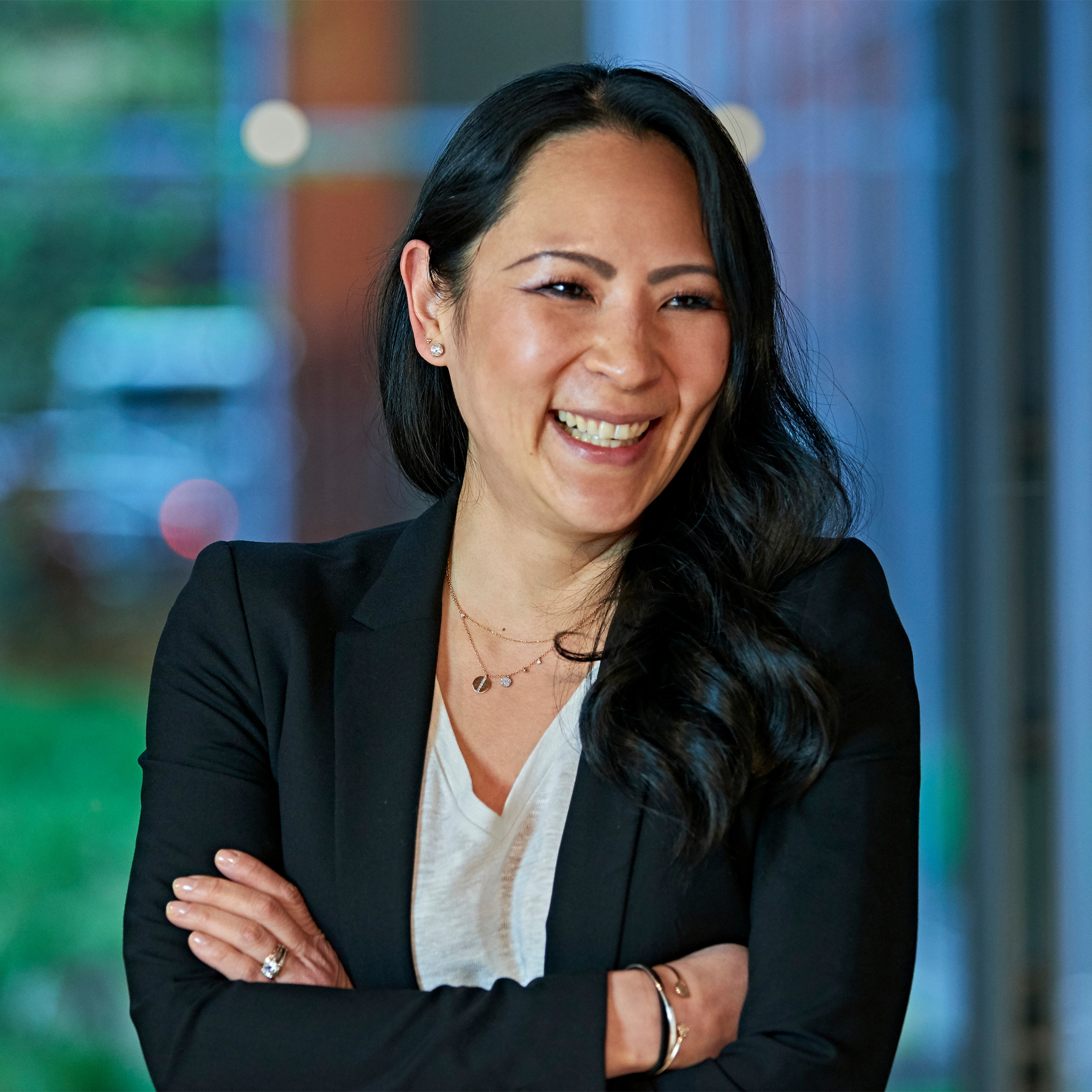
Welcome to Hospitality On The Rise, the podcast about the people shaping the hospitality industry and their journeys. I'm your host, Alice Cheng, Founder and CEO of Culinary Agents, hospitality's go-to hiring platform. And I'm here to give you your dose of virtual mentorship.
Here, we'll be sharing the stories, lessons learned, and advice from hospitality leaders who've carved out their own path to success. After all, this industry is where many get their start and go on to do incredible things.
Whether you're a pro, starting out, or just love the hustle, this podcast highlights what makes hospitality extraordinary, the people.
HOST: ALICE CHENG
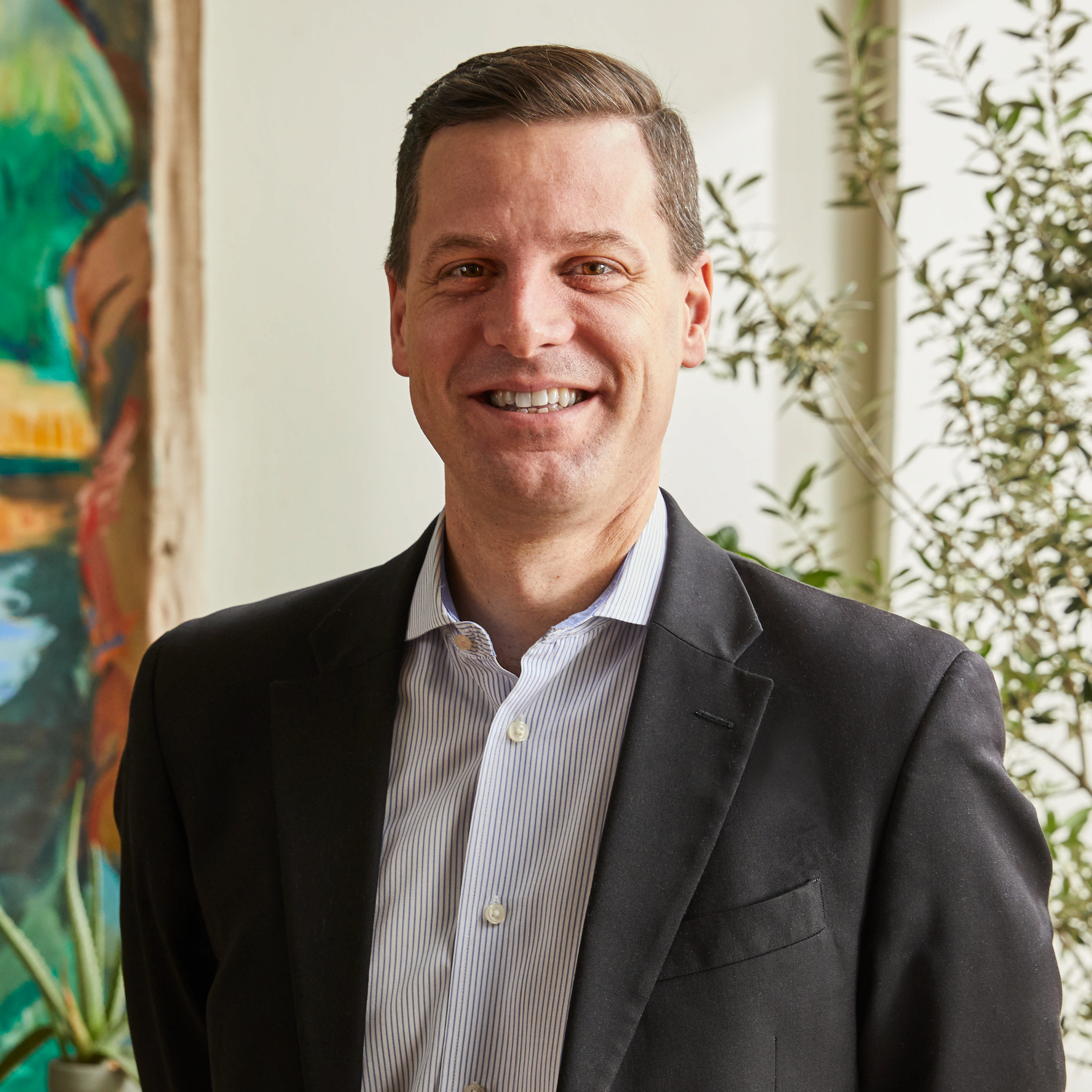
So excited to have Greg Root with us today. Greg is the Partner at Defined Hospitality, which includes seven businesses, restaurants, and other outlets in Philadelphia and Fishtown. Thank you so much, Greg, for joining us today.
GUEST: GREG ROOT
Thanks for having me, Alice. Great to see you again.
HOST: ALICE CHENG
Yeah, you as well. And I just started to think about running down all the awards and recognitions that your businesses have gotten. And I was like, let me stop there because that's going to eat into our show here. We'll touch upon them during the show. But first, let's take a step back. How did you get into hospitality?
GUEST: GREG ROOT
Really funny story, I was a caddy when I was very young. I started caddying when I was 13, so carrying golf bags. And when I was 15, I met my mentor, Steve Lewis. It was a random day. I was about to leave. The caddy master said, “Greg, stick around. I have this new member that I think you should caddy for.” And met him, and I was immediately enamored with how he carried himself, how he spoke about his business, how he treated people. By the fifth hole that day, I said, you know what? I'm going to be in the restaurant business.
And he was in the opposite side of the business that I'm in now. He was more in fast food. He owned about 40 Burger Kings, and he had some other businesses, East Side Mario's, Rib-It Ribs, Ponderosas, but just immediately fell in love with the business when I was 15, and I knew that's what I was gonna do.
HOST: ALICE CHENG
Yeah, did you at that time, you're like, “Okay, well how do I get to the next step?” Right? Because you're already kind of in hospitality, right? You're in service. Were you're like, “Let me go work in a restaurant”? What was the next step?
GUEST: GREG ROOT
Yeah, well, I mean, working with him, he said, “Well, if you really want to do it, you're going to have to come in and work with me, and we're going to put you on the broiler at Burger King.” And so I certainly did that at the ripe age of 16, but loved it immediately. I've always had great enthusiasm for what I do and who I'm around and just fell in love with it right away.
HOST: ALICE CHENG
Great. It's interesting because this industry is, I think, I forget the stat, but it's like the largest kind of first employer. And it's the largest employer of young adults as kind of getting your foot in the door. Now obviously, you're in a very different type of business now. But that's not to say you can't learn business and operations and quality from large-scale operations. You're on the broiler. What was it about it that you loved so much?
GUEST: GREG ROOT
Yeah, it was very systematic and everything had a purpose and everything was intentional with what we did. We're not talking about these extravagant recipes or these extravagant builds, but it was still about the guest experience and still about the consistency of the product and of the experience. And that's really what I took away from working there and working with Steve.
HOST: ALICE CHENG
And did you work your way up at Burger King or were you like, “I'm gonna”...?
GUEST: GREG ROOT
I did. I even went to college for restaurant management. And funny story, as I'm graduating, my one professor says to me in front of my parents, “All right, Greg, what are you going to go do?” And I said, “I'm going to be the general manager for Burger King.” And I had such enthusiasm over it, but hey, that's what I wanted to do. And I was ready to do it. But yes, I worked as the GM of a Burger King in just outside of Philadelphia and loved it. And then stopped loving it after about a year and said, you know what? I really need to get more into full-service restaurants. I think that's where I'm gonna be able to hone the craft a little bit more and learn from the industry experts.
HOST: ALICE CHENG
And how are you able to kind of bridge that, kind of change–it's not really changing direction, but it's like opening up a whole other dimension, if you will, of the industry.
GUEST: GREG ROOT
Yeah, I just said, I'm just going to go do it. I'm going to go. And I went to a place called Pizzeria Uno, which was a nice little secondary step for me. And I always had this vision in the future to work for STARR Restaurants. And I told myself, hey, I have to get the experience, whether it be from whomever I had to still get the proper experience before I started working for STARR Restaurants, which at the time and still is the preeminent restaurant group in Philadelphia.
And when I joined STARR, there was only six restaurants. So very similar to where we are at Defined Hospitality in number of restaurants.
HOST: ALICE CHENG
Wow.
GUEST: GREG ROOT
And I actually faxed my resume into STARR Restaurants in 2004, believe it or not. And they responded, and I had an interview and was hired in 2012 actually by my business partner, Al Lucas. Obviously he was the VP of restaurants for STARR at the time. After many interviews, seven interviews, I was hired.
HOST: ALICE CHENG
Wow, wow, and just for those of you who are unfamiliar–because we work really closely with STARR as well–they're on, I believe their 45th or 44th restaurant right now. So, you guys are following suit, right? You're at the same time there.
GUEST: GREG ROOT
One step at a time, right?
HOST: ALICE CHENG
Exactly, exactly. That's really important. You clearly identified early on that this was something you're interested in, and then you were kind of expanding your different experiences. And once you decided that you wanted full service experience, you sought out a business that clearly had some operations and footing in the industry already. So let's talk a little bit about your time there. You spent several years there.
GUEST: GREG ROOT
Yes, about 13 and a half years actually. At the time that I left, I was the longest senior manager with the company. I was hired in 2002, and I started working at a restaurant called Jones. I was the manager there and worked for about a year or so, then went to Continental Midtown, which was a newer restaurant at the time in 2003. Huge three-story restaurant, rooftop, everything was…
HOST: ALICE CHENG
Massive.
GUEST: GREG ROOT
Massive and busy and the volume was incredible, but it was also great because it taught me how to be consistent at such a high-volume level, consistent with operations, consistent with hospitality, food quality, everything. That was a big learning piece for me.
Then after Continental Midtown, I was the second general manager at Continental Old City, the previous one, Richard Roberts, was there for about 10 years. And went there and then went to Pod in University City and was the GM there for about three years, which we'll touch on a little later; there's a nook connection at Pod. And after Pod, I got the call to go open up Frankford Hall in Fishtown. And that's when I started working in Fishtown, in late 2010, early 2011. And Fishtown at that time was nowhere near what it was today.
And they asked me to open up a beer garden, and I said, “I don't drink beer. I don't even know anything about beer, but I'll learn.” But it was a different concept, and it really helped me throw a lot of ideas operationally and marketing-wise up against the wall and see what would stick. We had Jenga all throughout the restaurant. We had all these events, nerd nights, and all these programming events. Obviously we had Oktoberfest events on the streets and in the restaurant. And so it was a big, big event space, which was wonderful. After Frankford Hall, I was the GM of Fette Sau, and that was the second outpost for the one based in Brooklyn with Joe Carroll.
So was the GM of both of those restaurants for about a year.
Then after that, I got the call to be a director of restaurants for STARR, where I was able to hone in the craft of really managing a lot of people and helping see through a vision for a company and for an individual to really help catapult the industry as a whole in Philadelphia. So that's my 13 and a half years at STARR Restaurants. And I gave notice to Stephen, and I was 39 at the time, I said, “I've worked for you for a third of my life.”
HOST: ALICE CHENG
That's incredible. I mean at what point were–well, before I get to that question and into the kind of what you're working on these days, throughout this time, you must have come across a lot of people, talent. Like, this industry has notoriously high turnover, and the hospitality industry dealing with hourly, salary, all different types of positions and personalities. Was there a change or evolution, I would say, over the 13 and a half years that you were in various positions there, that you saw in the talent? We've seen it at a high level at Culinary Agents, of the industry, on professionals and people kind of seeking out this work and taking it very seriously. Any kind of trends that you saw with development and leadership today?
GUEST: GREG ROOT
Yeah, I wouldn't maybe call it a trend, but it was maybe a law of attraction. There was always a lot of passionate people for the business in Philadelphia. Lifers, if you want to call them. And I was one of them, of course. I am one of them. We were able to, at STARR Restaurant, really find and attract people that were very passionate about the business. But I wouldn't say that– I didn't at least have a hand on any trends that might have changed, other than obviously, culinarily and hospitality-minded people.
HOST: ALICE CHENG
Yeah, and for those of you who aren't familiar, Philly has this incredible hospitality scene. Not just with the restaurants, the quality, the dining, and the people, but the workers. The hospitality community in Philly really is something special, and you all really support each other in career development. There's a lot of people that kind of go work for different people, and everyone stays friends and hangs out.
GUEST: GREG ROOT
It's very key that you said that because we all feel the same way. We have a lot of friends in the industry. We don't really look at them as competitors. We look at them as friends, and picking up the phone and calling them and asking them what works, what doesn't work. And I mean, I can tell you countless conversations I've had with other restaurateurs in the city that have reached out for support, and I've done the same thing with them. So it's a great community, and we're all there for each other.
HOST: ALICE CHENG
Yeah, absolutely. And when I saw you years ago, you were just showing the space of Suraya in Fishtown. So clearly, like you said, you kind of started putting your roots down in Fishtown more. Fishtown is not that far away from Philadelphia proper, Philly proper. And so I would say between you and largely your organization, really developing out this area, because now you have several businesses in Fishtown as well. So at what point were you like, “I'm going to go do my own thing and open up my first restaurant”?
GUEST: GREG ROOT
Well, I always had the vision to be on my own or with partners as I was coming up through the business, obviously always watching and seeing what others are doing and how can I hone the craft. I actually, when I was at Pod, I was going to leave and open up my own restaurants with a good friend of mine and another friend of mine. And I'm really glad that I didn't see that through because that would have been curtains for us.
I wasn't really ready for the project, but as I got into Frankford Hall–this was in early 2011–I said, “Okay, I'm feeling much better about where I can be,” and that's when I reconnected with my friend and current business partner, Roland Kassis. And Roland, very conveniently, is a big developer in Fishtown and has a ton of property, and we became close again and had those professional conversations like, “Hey, maybe we should do this,” and turns out, we opened the Root together in 2016. And so it was always a culmination of those conversations and those people that you meet along the way.
HOST: ALICE CHENG
Yeah, I'm sure you had to overcome a lot. What would you say was one of the early lessons learned with opening your first spot?
GUEST: GREG ROOT
There's a lot of lessons, but one of them that really resonated with me is that the road is a lot longer than I thought it would be. The road to success, the road to getting everything done, completed on time, at budget or under budget, all of those. The road is very long. I have a “go get it” kind of attitude and “let's go do this right now,” but I have to remind myself to slow down and that the road is longer.
HOST: ALICE CHENG
Yeah, and once Root was up and running and getting its accolades, at what point were you like, “Okay, I'm ready for my next one”?
GUEST: GREG ROOT
Well, pretty soon after that, we had the space of Suraya before we opened Root, and Nick Kennedy, myself, and Roland, and Roland's sister Natalie, we were at a deciding point, should we open up Suraya first or should we open up Root? And we said, we need to open up Root, we need to test this partnership out, frankly, make sure we can all work together because, besides Roland and I, Nick and I didn't know each other very well, but we obviously had very shared values in the industry and a focus on quality of operations and quality of ingredients and the overall experience.
We decided to do Root, and then as we're four weeks into Root, Roland's designing Suraya and Nick is working with Natalie and her mother Maude on some recipes. Nick's planning a trip to Beirut, and so we're off and running.
HOST: ALICE CHENG
Yeah, no, I love it. I shouldn't say “shortly,” but you probably started thinking about the next one after that, Pizzeria Beddia. After you were like, “Okay, this partnership looks like it's gonna work. We can all work together,” how are you– ‘cause all of your concepts are different. You're not taking essentially the same thing and just go into different areas. How do you approach concepting and what's next?
GUEST: GREG ROOT
Right. Great question. I think as it relates to a restaurant like Suraya or Pizzeria Beddia or Kalaya, we obviously have a specific vision and a vision person behind that concept, if we want to call them concepts. But Joe Beddia, as it relates to him, he was making 40 pizzas a night, Best Pizza in America by Bon Appétit. And we said, “Joe, let's make 400 pizzas a night. Let's do this together.” That's where Nick and I can really come in. And then Al joined us. And we can all do this and make it from this small flower into a big garden. And how do we do that together?
And with Suraya, obviously, the namesake of Roland's family and our ability to take the Lebanese cuisine and culture and hospitality and make that in.
As it relates to moving forward, I think we have some very specific restaurants that fortunately do very well, and we're going to focus on those and how can we market them in other cities and other markets. Going back to Condesa though, that fell in our lap about six weeks after we opened Root as well. We're six weeks in, and we have another restaurant planned, and then we have someone that walked into the restaurant, sat at the bar, old friend of ours, and asked if we wanted to be on the shortlist of F&B directors for this upcoming hotel in Center City. OK, sure. So we'll put our name in the hat, and here we are.
HOST: ALICE CHENG
Yeah, I mean, sometimes timing is everything, right? And I think that's one of the things oftentimes, especially as you're kind of starting out and really trying to “define”–see what I did there–what your positioning is and your brand, right, your employer brand and everything else. It's hard to say no, but it's also an opportune time to say yes.
GUEST: GREG ROOT
It's actually easy to say no. It is.
HOST: ALICE CHENG
That's true. And it worked out for you all.
GUEST: GREG ROOT
Yes, thank you.
HOST: ALICE CHENG
So we as patrons are all very happy. For those of you who have not eaten at these restaurants, they are all wonderful. Over the years, I've been fortunate to pop in and out of many of them. And they're consistent and they stay around. I mean, wasn't that one of the hardest things with restaurants, like consistency, longevity? What would you say is kind of your approach or your group's approach, the secret sauce to your consistency and longevity?
GUEST: GREG ROOT
Another great question because consistency is a key word for us in our operations. My business partners, Nick and Al, we talk about it all the time, from the consistency of product, consistency of hospitality. It really goes back to our presence in our restaurants, we were very, very present in our restaurants. We're in there every single day. But we live by our values that we have for our company. And there's five values, but they're all really wonderful. One of them is rooted in the golden rule, which is treat people the way you want to be treated. My father taught me that, and that was a guiding principle for me as I went through my life and my career.
The golden rule value for Defined Hospitality is people are the priority. How can we consistently provide the vision and have the best come out of everyone? And it's not just our people, it's our guests, it's our vendors. Why do we choose the cheese monger? Why do we choose this winery? All those decisions go back to the value of people are the priority.
So we think our consistency happens also because of our people. And our people are phenomenal, and they really care about what they do, and they want to do excellent work. And all those fancy awards that we certainly love help seal the deal as well for our people.
HOST: ALICE CHENG
Yeah, yeah. Speaking of fancy awards, Kalaya recently on the North America 50 Best list. I shouldn't say, like, how do you feel about that? Oftentimes, and I would say most of the times, with folks such as yourself working at this high caliber and really treating hospitality and approaching it the way that you do, awards are nice, and they're great recognition, and they put visibility and butts in the seats and all that stuff. But it's not necessarily the end-all be-all and the reason why you all are doing what you do. But it's obviously very nice. So having that–that was announced recently, not recently, like a couple months ago, right? Would you say that has changed anything?
GUEST: GREG ROOT
Yes, certainly. And we're, first, very honored to be on that list with everyone, very well-known restaurants across the country. As they're counting down these restaurants and we get to 20 and then 10, and we're saying, “We haven't been called yet.” And fortunately, we get called at number seven. But the expectation trap is always a thing. And with these awards come higher expectations and really requiring a diligence from us and from our people to provide that consistent experience for our guests. We go into these restaurants not “how can we have this restaurant be immediately busy?” How can we have this restaurant be consistently visited by all these guests for 15, 20 years? This is a long game for us.
We're a little on the younger side, but it's the expectation trap that really changes. And it's just a good reminder for us that every individual time that we visit a table or we communicate with a guest or we communicate with our team has to be an excellent experience. Anything short of that is failure.
HOST: ALICE CHENG
Yeah, and I'll also highlight that while you were number seven on North America's 50 Best, you were number one on Philly Magazine's Foobooz, which you got to get that local stamp of approval, which in Philly has extra “weight,” I'll call it.
GUEST: GREG ROOT
A little plug, but that's our second restaurant that was named number one by Philly Mag. Suraya was named that in 2018 as well. So we're very, very proud of that.
HOST: ALICE CHENG
Yep, look at that. Thank you very much. Like I said, there's so many here I can't even dig through the notes. So thanks for the highlights.
So going back to you now, how do you keep yourself inspired?
GUEST: GREG ROOT
I keep myself inspired. I have two amazing kids, Gavin and Amelia, and I really work backwards from them, and they provide so much joy and love and everything for me. But my inspiration is from them, my business partners, the staff that I work with. And I get inspiration also from my experiences in life. I've been very fortunate to be told that early on in my life, for my mother, is experience life to its fullest. And so those life experiences are restaurant experiences, hotel experiences, going to the gym and having a nice hello, traveling, which is something that I love to do and really shapes who you are as an individual. That's a long-winded answer, but that is what it is.
HOST: ALICE CHENG
You basically kind of answered two in one for me because I was just going to follow up with how do you find your kind of work life harmony, right? Because in this industry, balance is not really achievable sometimes, or one's definition of balance. But what we found with the successful leaders such as yourself is that you have found your own routine that works, and you have things that fill the bucket in different ways at different times, and you just kind of are constantly juggling them for what works for you.
GUEST: GREG ROOT
Yeah. Well, I do have a routine also. Since we opened Suraya, I've had a change in, I guess we can call it “self-care.” I'm really working out a lot more. Currently, I'm learning how to play tennis, which I love. I do yoga. I just started getting into meditation, which is a whole other avenue of just understanding myself and balancing everything. But really self care, and it's easy to not take care of yourself in any industry, but really having that routine and going to the gym every day. I swim all the time. So it's nice. Obviously the routine of the kids is nice too.
HOST: ALICE CHENG
Yeah, and that's so important on so many levels, especially coming from somebody who's been in this industry for so long and is not stopping anytime soon, is in order to have longevity and to have a clear head and to take care of your team and take care of others, you can take care of yourself. And I think that's something to my earlier–and not necessarily a trend, but one thing that we've seen in general with this industry is more of this focus on “This is my career. I see longevity. There's a lot of things I want to learn and do and give back, but I need to take care of myself.” And in the past, that wasn't necessarily the cool thing to talk about or the thing that anybody talked about, right? Making space and time for both mental and physical health is so important in any industry, but in this industry in particular, I think.
GUEST: GREG ROOT
And it's easy both ways. It's easy to make a decision, to go after it, and it's easy to just say, "You know what? I'm OK. I'm just going to sit at home and do nothing” but you have to get out in life and experience everything.
HOST: ALICE CHENG
Yeah. So what's next for you?
GUEST: GREG ROOT
So we are obviously maintaining our existing restaurants and maintaining their quality. We are looking in other markets currently for some key restaurants and concepts that we think would resonate with in different markets. And that's what I have for you.
HOST: ALICE CHENG
I love it. We'll have to have a second episode. I'm happy to help you with that expansion when you need.
GUEST: GREG ROOT
Thank you, yes. Yes, absolutely.
HOST: ALICE CHENG
Yeah, well, wonderful. And on that note, we're gonna leave a little bit of mystery and then go to quickfire. What advice would you tell your younger self?
GUEST: GREG ROOT
It's a longer road. Slow down.
HOST: ALICE CHENG
What's your advice for someone struggling in the industry?
GUEST: GREG ROOT
Always remind yourself of your personal values and let them guide you through any challenges that you have.
HOST: ALICE CHENG
What's your advice for fellow hospitality leaders?
GUEST: GREG ROOT
Back to the values, remind yourself of any company values you have and lead through that because there's–my partner Nick says it very well, there's always something wrong going on in the restaurants every single day, whether it's small, medium or large, but if you have your values and you guide through your values, you'll be okay.
HOST: ALICE CHENG
I love it. On that note, Greg, thank you so much for taking time to share with us about your career. We're so excited to see what's next, and thank you again for always being so hospitable.
GUEST: GREG ROOT
Thank you.
HOST: ALICE CHENG
Remember, success looks different for everyone in hospitality. No two paths are the same. If you have a leader or a topic you want to hear about, email [email protected].
Hospitality On The Rise is brought to you by Culinary Agents, connecting top talent with employers since 2012. Whether you’re hiring or looking for your next opportunity, join us at CulinaryAgents.com
For more inspiration, subscribe to Hospitality On The Rise and visit HospitalityCareerPaths.com, a free platform by Culinary Agents.
Thanks for tuning in! Remember to like, follow, and subscribe. And if you loved this episode, share it with someone who could use a little inspiration.