Links
- Zingerman's Roadhouse (Instagram)
- Zingerman's Roadhouse (Website)
- Independent Restaurant Coalition (Instagram)
- Independent Restaurant Coalition (Website)
Transcript
HOST: ALICE CHENG
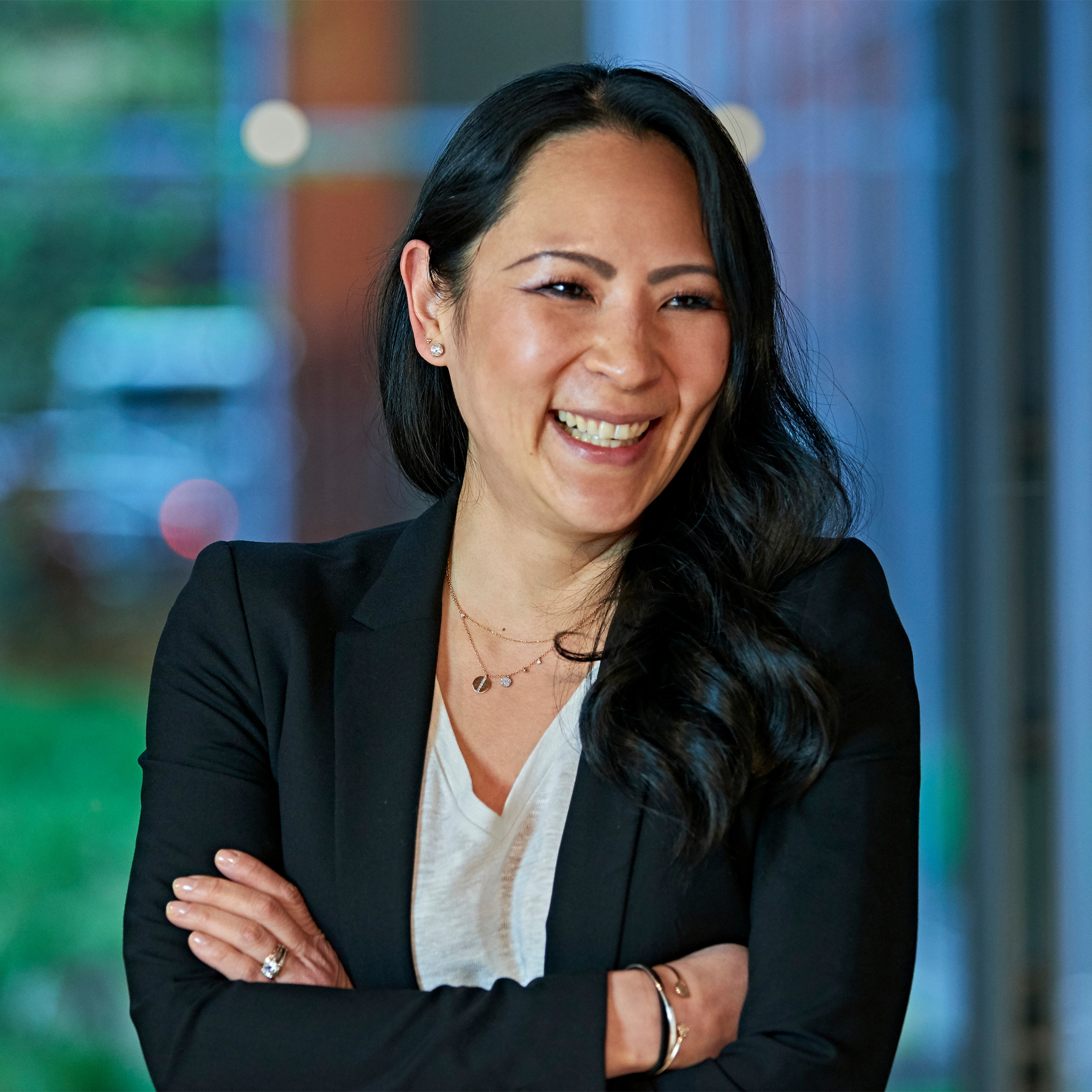
Welcome to Hospitality On The Rise, the podcast about the people shaping the hospitality industry and their journeys. I'm your host, Alice Cheng, Founder and CEO of Culinary Agents, hospitality's go-to hiring platform. And I'm here to give you your dose of virtual mentorship.
Here, we'll be sharing the stories, lessons learned, and advice from hospitality leaders who've carved out their own path to success. After all, this industry is where many get their start and go on to do incredible things.
Whether you're a pro, starting out, or just love the hustle, this podcast highlights what makes hospitality extraordinary, the people.
HOST: ALICE CHENG
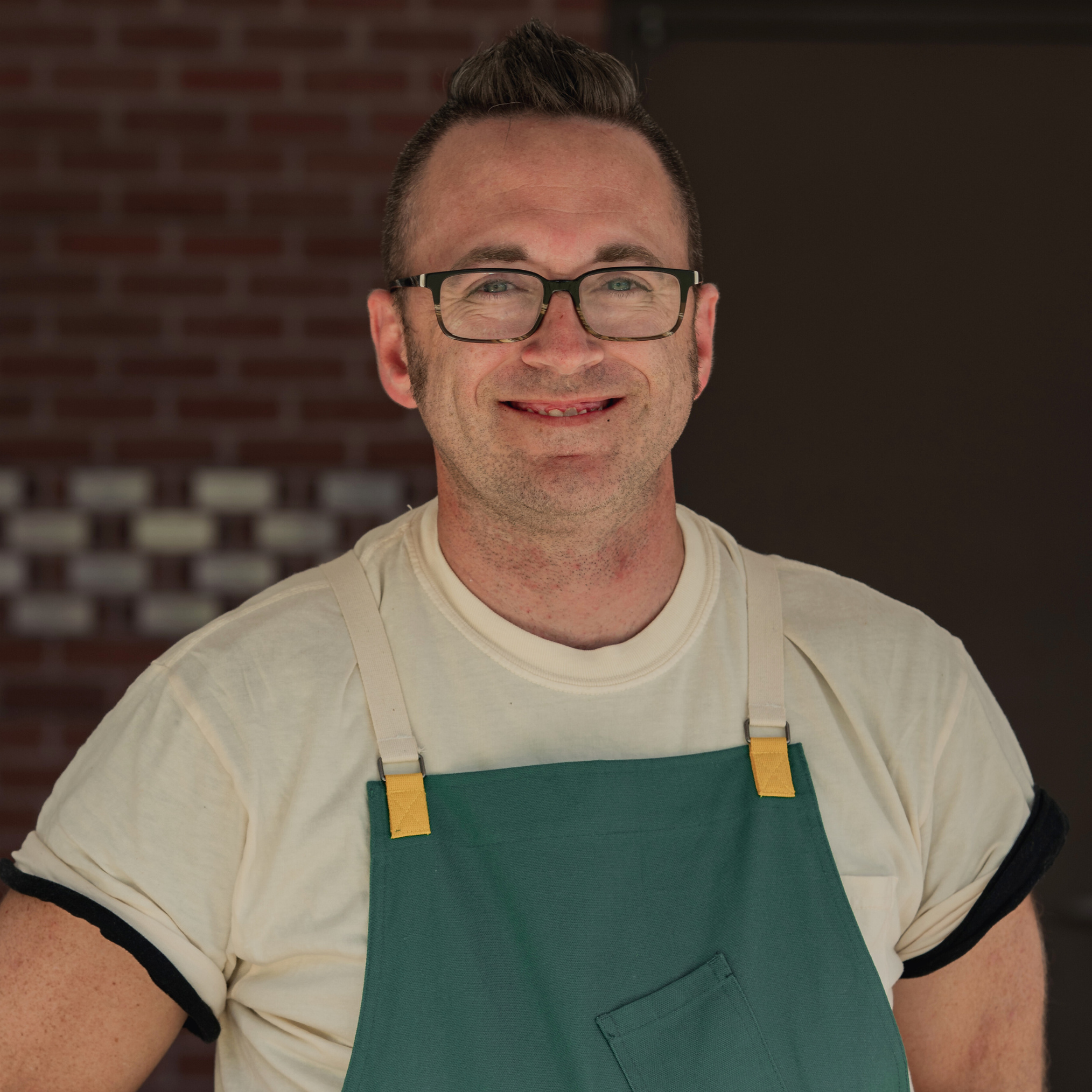
I'm so excited to have Chef Bob Bennett here with us. Bob is the Executive Chef of Zingerman's Roadhouse, “bringing really good American food to the community.” I love that. My team made sure they included that in there. He's part of the Midwest food empire of Zingerman's Community of Businesses, including Zingerman's Mail Order, Bakehouse, Next Door Cafe, Candy Manufactory, Coffee Company, and more. He's also [on] the Board of Directors on Independent Restaurant Coalition. Bob, welcome.
GUEST: BOB BENNETT
Thanks, I'm excited to be here. Excited to have a conversation.
HOST: ALICE CHENG
Yes, yes, I was fortunate enough to hear you on panel last year at the Southern Smoke Foundation Festival. And I was like, “I need to meet Bob.” So thank you for taking the time. But let's take it back a little bit and tell us, how did you get into this industry?
GUEST: BOB BENNETT
Absolutely. So I grew up, I'm pretty much living in my hometown, just north of Ann Arbor, my whole life. And then went to high school in Ann Arbor and then graduated just west of Ann Arbor. And my family, our food traditions growing up were… it was mostly boxes. So mac and cheese, Hamburger Helper. I remember distinctly selling cookbooks while I was in elementary school just for microwaved food. So this was kind of the era I grew up in.
But I remember we also went out to eat a lot. So I remember there's a restaurant in Ann Arbor called the Real Seafood Company. So I remember eating mussels there for the first time, ordering out for ribs, doing all these things. So we got accustomed to different foods than just our boxes.
HOST: ALICE CHENG
It was a different time back then.
GUEST: BOB BENNETT
It was a different time. It was interesting. It aligns well with some of the founders of Zingerman’s and kind of the food that they grew up with. It was white bread and baloney sandwiches kind of thing. But I mean, one of the cool things about my family is that we always had these big get-togethers where we all came around the table and had conversations, shared a meal, regardless of what it was. And that always kind of felt like a cool thing that connected me to restaurants going forward.
Kind of fast forward to graduating out of high school, much like most–I feel like a lot of kids going out of high school, I had nothing figured out. Didn't know what I wanted to do, who I wanted to be. But at that point in time, the thing you did is you just went to college and hoped you figured it out. So that's what I did. I went to a college just south of Ann Arbor called Siena Heights. Really just kind of sewed some oats and didn't really go to class a lot. Wasn't really much of a class goer. Wasn't great in school. Kind of like C+ average sort of situation.
HOST: ALICE CHENG
I mean that sounds good to me, you know? I mean, isn't it just like pass fail now?
GUEST: BOB BENNETT
It is a little bit check check plus, I think, is the new thing for my kids for sure.
HOST: ALICE CHENG
That's for another pod.
GUEST: BOB BENNETT
Right? Came back home, kind of bounced around from community college to Eastern Michigan University while dipping my toes in restaurants. My first restaurant job was a place called Mongolian Barbecue. It's basically like a hibachi grill meets a frat house sort of situation where we were in front of people cooking with sticks and just trying to have fun and get tips and do things like that. All of our food was frozen off a Sysco truck. You dropped your soup into a pot with a little bit of water, and that's how you made soup for the day sort of thing. But really kind of understanding the family of the restaurant and camaraderie and working at pace.
From there, a friend of mine was working at Zingerman's Delicatessen, which is kind of the original Zingerman’s spot. He was like, “I think you'd be good at this.” I had no idea why he thought I'd be good at it, but I was like, “Oh yeah, sure.” I mean, when someone tells you you're good at something, you're like, “All right, well, guess that's what I'm doing.” So I went over there and worked on their sandwich line, and compared to most delis, I would compare it to kind of the business level you'd see it like Katz's Deli in New York kind of thing, where we have people lined up around the corner. We're doing like 200 reubens an hour sort of thing.
HOST: ALICE CHENG
It’s no joke deli.
GUEST: BOB BENNETT
Yeah, a no joke deli. So I was working there for about two years when the Roadhouse, the Zingerman's Roadhouse started, kind of the rumors of being open. And I was going to school at Eastern Michigan, but studying sandwich menus more than I was studying the actual work. I was about a couple semesters away from a psychology degree I was probably never gonna do a whole lot with and probably’d done more in the work of running the kitchen with it than I would have ever done had I actually followed through on it.
So I made the jump to go over and open the Roadhouse and then also go into culinary school in the morning at the same time. So six in the morning, then go to work at one in the afternoon till two in the morning, then rinse and repeat. Which was, at the time, it was a fun way to do it. You just were going nonstop and learning a lot, but it was exciting to be part of that opening crew. We went over there in August, and much like every restaurant that's ever been a restaurant, we didn't open until September. So about a month and a half past our deadline.
HOST: ALICE CHENG
That's not bad.
GUEST: BOB BENNETT
So we got to be part of the painting crew on the outside and just have some cool connection to it and kind of a nice summer outside painting. And then we just kind of got up and running. I was on the grill station that first night we opened and did 300… It was our soft opening of 300 friends and family, which is… it wasn't as soft as we would have loved it to be, but we made it through, kind of went through year one and then kind of jumped around Ann Arbor and went and opened up some other restaurants with some friends. And they did a fine dining spot called Logan's, where it was kind of new American cuisine. A couple other spots and then just found my way back. I feel like Zingerman's is one of those places where they're always willing and able to kind of welcome folks back into it who have worked there, kind of gone on to do things.
HOST: ALICE CHENG
I'm gonna latch onto that for a sec because we hear often this industry as a whole, it's kind of center of gravity. Sometimes people leave the industry, go do some other stuff and they're like, “Actually, I really loved it and I'm gonna go back.” But the same holds true for certain employers, right?
GUEST: BOB BENNETT
Yep.
HOST: ALICE CHENG
And employers also enjoy, if you leave on good terms, do your thing. Most people, most employers are happy to see their people grow, and then they're also happy to rehire these newfound skills after some time or whatever. So that's something, from a career path standpoint, goes back to never burn your bridges, always do your job, be respectful.
GUEST: BOB BENNETT
Absolutely.
HOST: ALICE CHENG
You never know.
GUEST: BOB BENNETT
For sure. Always leave notice and go out on good terms because you never– I mean, I feel like the restaurant industry more than most is so tight-knit, and if you burn bridges at one spot, it's like burning the bridges at five different spots kind of thing. Because everyone talked, everyone knows each other, whether you think it or not.
HOST: ALICE CHENG
Yep, absolutely. So when you came back, were you like, “Okay, I'm home, I'm gonna just stay here”? You've been there clearly a long time.
GUEST: BOB BENNETT
It was a little bit of that. I started back on the grill station, just kind of worked my way up the line, up to kitchen supervisor, sous chef. And then we hit this path where I didn't know what the next step was. Am I going to become head chef here? Our executive chef and managing partner was still there and kind of talking to him like, “Hey, what would this look like?” And he's like, “Oh, well, I think it needs to be X number of steps until you're here.”
He ended up leaving kind of shortly after that, not too long after that conversation, so the X number of steps turned into zero steps, kind of stepping into it. But it was one of those things where we do brunch, lunch, breakfast and dinner. So we're always going. So if you're in a position of leadership, you're always running the restaurant at some point. So then I just kind of stepped into running more of the restaurant.
HOST: ALICE CHENG
Yeah, and that's actually also a great thing that I'll also latch onto. If you've been at a place and there's no real reason to leave, you're enjoying yourself, you like the culture, and you're learning and you're progressing, but you're in a situation where there are leaders in place already and they may not be looking to leave anytime soon, and you want to grow. Having the conversation, setting the expectations is important because then you can make a decision for yourself what you want to do. If those handful of steps really were what needed to happen before you could progress, and you can determine for yourself what's best for you. Things happen, right? Sometimes if you just wait it out a little bit or if you spend some time thinking about something, something happens.
GUEST: BOB BENNETT
For sure. I always joke around that I hung around long enough that they put me in charge of everything.
HOST: ALICE CHENG
Yeah. And you know, first of all, I know that everyone, tenure is something that people do respect as well as look for. The jumping around, resume-building has its place sometimes. When you're starting out, you're doing your internships or stages because of school or whatever, that's great. But then there comes a point where when you find employment and you're just there for a little bit and go to another place just because you're building up your resume, that's not so desirable for employers as well.
GUEST: BOB BENNETT
Right.
HOST: ALICE CHENG
And it's also because if you're not there long enough to learn anything meaningful, then what's happening here? As you were kind of looking at going up the ranks at Zingerman's, here at Roadhouse, when you made the leap into management, what were some of the learnings that you had there? Because that's oftentimes kind of the biggest leap, right?
GUEST: BOB BENNETT
Absolutely. No, I think–maybe it's more specific to restaurants, but I feel like people who get promoted into these positions are people who are really good at being a line cook or a prep cook or whatever they're doing. And then there's a gap above them, not necessarily that they're fit to go into that gap or have the training to go into it. So, I think I was definitely kind of one of those people who didn't really have a whole lot of leadership skills going into it. Like when I started at the Roadhouse, I knew I didn't know a lot about food, but I knew I could just work my butt off. So that was kind of the approach that I took the most days.
And I think that's kind of what I did as a leader for a long time where I was, if someone wasn't getting a task done, I was there to lift them up and model just going all out to finish the day kind of thing. But as I stepped more into the role, I realized this is actually self-defeating in a way. I'm actually making it so that my staff isn't actually completing their job. So I mean there was a lot of learning points like that, and it was like, how do I deal with frustration not outwardly but constructively was a hard one.
I remember really early on where I had a call-off in one department, and I'm trying to get a gentleman to kind of, “Hey, I need you to do this today.” And the answer is no. And almost like a childlike response for myself, like, “Fine, I guess we just won't have any dishes today!” kind of thing. Getting past those and learning different ways to kind of get to the spots that we need to be was definitely a learning experience for me.
HOST: ALICE CHENG
Yeah, that's something we hear really often, right? Whether or not it's people rising through the ranks without the proper training, prematurely, because they're great at their job, right? Which is great. But then that gap of, depending on the situation, are they ready to be able to manage people? And sometimes that comes with some time with reflection and just doing, and sometimes that takes a lot longer, right? So congratulations on getting there quickly.
GUEST: BOB BENNETT
Yeah, thank you.
HOST: ALICE CHENG
As you grew more in your leadership role and you started developing other leaders, what's your hack on identifying or growing folks who clearly do their job well and have the potential for moving to the next step?
GUEST: BOB BENNETT
I mean, I think a lot of it is–in our restaurant and for myself, it's finding people who kind of exhibit the right energy, I think. We talk a lot about energy at the Roadhouse, and when we're hiring folks, it's energy over everything. Are they jumping into doing tasks? Are they getting along with the person next to them? And they don't need to be best buddies, but we need to be able to coexist on the line. So I look at that, and look at a lot of my leaders like, do I think they can then gain the respect of the person that's next to them so that when they correct them or instruct them on something, that person is taking them literal instead of being like, “Yeah, whatever. You're not my boss yet” kind of thing, which happens a lot. So I mean, it's that and then also people who are able to take on coaching because much, much like myself, no one's ready to be that leader on day one. And most of times they're not ready to be that leader on day 365.
So I mean, having that kind of empathy that not everyone's going to have a day one and it's a growth process and it doesn't happen overnight. I think there's some folks who are just kind of gifted in it, but for the 98% of the other folks, it's a process of learning and giving them the space to learn and the ability and the tools to learn, I think is a big piece of it.
HOST: ALICE CHENG
Yeah, absolutely. Oftentimes people either don't know what to ask for or they don't have the confidence to ask for.
GUEST: BOB BENNETT
Right.
HOST: ALICE CHENG
And it's a two-way street, right? When you have the right energy, when you have the leadership that's open to the questions because the person's open to feedback, etc., then that creates different communication and an overall culture. What advice would you give to somebody who's starting out at their dream restaurant and really looking to progress their career and get into a leadership position, whether it's within that one restaurant or in another one.
GUEST: BOB BENNETT
I think one of the things that we try to kind of emphasize with our staff, and I think it's such an important lesson for a lot of cooks on their way to being chefs is to ask for help. And it doesn't have to be because you're not doing a good job. It's because you want to learn something new. And I think it's one of the things that when I was coming up, I for sure did not ask enough for help. It was more of like, “I'm just gonna figure this out so people don't see weakness in me,” not realizing that asking for help is such a sign of strength. And really it helps everyone around you, I think, where the leaders that you're working for recognize, “Hey, maybe this is something that we need to work on a little bit more,” as opposed to just glossing over it like, “I'll just figure it out by myself” and never really quite figuring it out. I think it's just such a piece of adding collaboration to your growth.
HOST: ALICE CHENG
Yeah, and asking for help early on, I think, has the broader benefits. I kind of equate it to sometimes you meet somebody and you forget their name, and then you meet them again. You're like, “What's your name again?” But then by the third or fourth time, you actually cannot ask them what their name is again. You just gloss it over, right? Asking for help early is kind of giving you the opportunity to learn so you know how to do it going forward. Everyone's expectations are kind of set. So I love that.
So you mentioned, and I know that–I mean, the organization is huge. What's under your purview is also, like you said, always on, very busy, etc. How do you have harmony in your life? You know, I used to say “balance,” but it's not balance. There's not equal parts
GUEST: BOB BENNETT
Right.
HOST: ALICE CHENG
But how do you keep yourself kind of on an even keel?
GUEST: BOB BENNETT
I think it's a tough one to kind of balance, I think. More of ike, where do I see points where I'm all the way in this piece of my life, or I'm all the way in this piece of my life and trying to like… I love what I do and I love my people at my restaurant, but I also love my family. I have a six year old and a 13 year old at home and a loving wife. Being able to like, what time do I commit to them and what time do I commit to work? And knowing that when I was in my twenties, I could do 60, 65 hours a week. But now that I have a family at home, and if I surround myself by enough good people at work, I don't have to be there 60 hours. And recognizing that and recognizing that 50 hours is okay.And despite my inner pieces of me, I shouldn't feel guilty about that, and no one should feel guilty about that. But relying on the people around me, I think helps a lot.
But I mean, you just try to try to do the best you can, just like with all things. Some weeks are better than others. And I rely on my wife at home to be like, “Hey, you need to slow down just a minute and take a break and take a breath and realize what you're doing.” But I think that's kind of the way for all of us chefs. We get emotional about projects or a dish or a busy week, and we always have to take a breath, figure it out and then kind of re-prioritize at times.
HOST: ALICE CHENG
Yeah. And that's something really common with leaders as they evolve too. You shift from the doing to the overseeing, and that sometimes is difficult. That's a difficult transition. And oftentimes you're so used to, for so many years, “doing” all the time, right? As you mentioned earlier, you realize when you enable the team, they step it up, and it's actually, it kind of shifts into another, “Wow, that's really great.”
GUEST: BOB BENNETT
Right.
HOST: ALICE CHENG
And then you're actually doing them a favor when you are going home and spending time with your family. And having that peace of mind is really, really magical, actually.
GUEST: BOB BENNETT
It becomes this interesting thing where your team actually starts inspiring you. We just went through a pretty long renovation and came back, and the whole team came back from six weeks off, which was amazing in itself. And they just jumped right back into it. I thought it was going to be like, I'm going to be at the restaurant till like two in the morning every night, prepping. But they all jumped in and really inspired me in the work they were doing.
HOST: ALICE CHENG
Yeah, it kind of reassesses like, meaning that what is the definition of success, right?
GUEST: BOB BENNETT
Right.
HOST: ALICE CHENG
And that kind of evolves for you individually over time. And I always say, “Ask yourselves the hard questions” when people are coming to me for advice. And I'll ask myself the hard questions. And the definition of success for you personally can evolve over time. And for me, I say, well, now the definition of success is like, when I have these moments where the team is thriving, they're excited, they're doing their thing, and everyone's proud of each other and we're accomplishing stuff. That's the goal, right?
GUEST: BOB BENNETT
Absolutely.
HOST: ALICE CHENG
Everyone's doing their thing, everyone feels like they're taken care of, and they're excited and they're accomplishing things. Ask me that 20 years ago, the answer would have been very different.
GUEST: BOB BENNETT
For sure.
HOST: ALICE CHENG
So keep checking back in with yourself on what your personal definition of success is as a leader because it will change over time for sure.
So you touch on it a little bit, on inspiration, your team. What else do you do to keep yourself inspired?
GUEST: BOB BENNETT
I would say, I don't know. I get inspiration from a lot of places. I have a massive cookbook collection, so I get inspired by those and just learning new things. I think in the day and age we're in now, where being able to see what other chefs are doing is so readily available. Whereas back when I started in this industry, even to look up a recipe was like a three hour challenge. But not only you're able to see a dish that's going on special in San Francisco on Instagram the day of, and being able to see all the different things that people are doing with food, with their staff, with the restaurants. So I gain a lot of inspiration from that.
I think also the community around me is a big piece of it where–I have a six year old and 13 year old–as they grow up in it and being a piece of that and what we're leaving behind for our kids I think is super inspiring.
HOST: ALICE CHENG
I love it. I feel like chefs, especially nowadays, you're educators as well, like to the community. And you're bringing people and the ecosystem to the forefront and essentially helping others understand how the pieces come together, the importance of them, etc.
GUEST: BOB BENNETT
Oh, for sure.
HOST: ALICE CHENG
It's really incredible how both the industry and the individuals have evolved over the years. It's not just, “I want to be a cook, I'm going to cook in a restaurant, and that's just what I'm going to do.” The profession has evolved so much.
GUEST: BOB BENNETT
It was interesting what you were saying about chefs and kind of the role they play in the community and how it's not just cooking food anymore. It is really kind of the educator, and it's also like how we build a community for what we want it to be and what we leave behind. I think the chef's legacy is a pretty big piece of it.
HOST: ALICE CHENG
Absolutely, you spend the time building your trust with the community, right? People trust you, and once you reach that level, you're able to do with it a lot of other great things because you've already earned that trust. So now you're gonna bring everyone to another portion of the ecosystem of food.
GUEST: BOB BENNETT
Absolutely.
HOST: ALICE CHENG
On that note, we are gonna go to quickfire. What advice would you tell your younger self?
GUEST: BOB BENNETT
I would probably tell myself to slow down and talk to more people. I think when I was younger in my career, it was very much head down, blinders on, only seeing what's three feet in front of me. And being able to kind of take more in and ask more questions.
HOST: ALICE CHENG
What's your advice for someone struggling in the industry?
GUEST: BOB BENNETT
I think one of the things, and it kind of goes for my own self, like where I didn't ask for help early on. A lot of us all have that line cook mentality where, “Oh, if I just get the next ticket, I'll be fine. If I just get the next five tickets, I'll be fine.” But really it's, like, 20 tickets to go when you really kind of sunk. But so be willing to ask for help and just kind of work on yourself is a big piece. I've been a pretty big component here in Michigan around mental health and how we get there. And it's not just when the house is burning down, but everyone needs to talk to someone and organize themselves, and being willing to do that kind of early on, I think, is a huge step for a lot of folks.
HOST: ALICE CHENG
Yeah, absolutely. What's your advice for fellow hospitality leaders?
GUEST: BOB BENNETT
One of the things that I enjoy about being outside of the restaurant some is meeting other industry leaders and being able to talk and bring our issues to a table and work on them together. I think it's one of the things that I've loved about being on the board at the Independent Restaurant Coalition where we get to meet other folks. And there's a lot of struggle going on in the industry right now, and being able to share that and pushing. So my advice would just be come to the table and have more meaningful conversations and really just kind of do the work that we need to do to lift up this industry.
HOST: ALICE CHENG
I love it. On that note, thank you, Bob, so much for taking time to share about your experiences and some advice.
GUEST: BOB BENNETT
Absolutely. Thanks for having me on here.
HOST: ALICE CHENG
Remember, success looks different for everyone in hospitality. No two paths are the same. If you have a leader or a topic you want to hear about, email [email protected].
Hospitality On The Rise is brought to you by Culinary Agents, connecting top talent with employers since 2012. Whether you’re hiring or looking for your next opportunity, join us at CulinaryAgents.com
For more inspiration, subscribe to Hospitality On The Rise and visit HospitalityCareerPaths.com, a free platform by Culinary Agents.
Thanks for tuning in! Remember to like, follow, and subscribe. And if you loved this episode, share it with someone who could use a little inspiration.