Links
Transcript
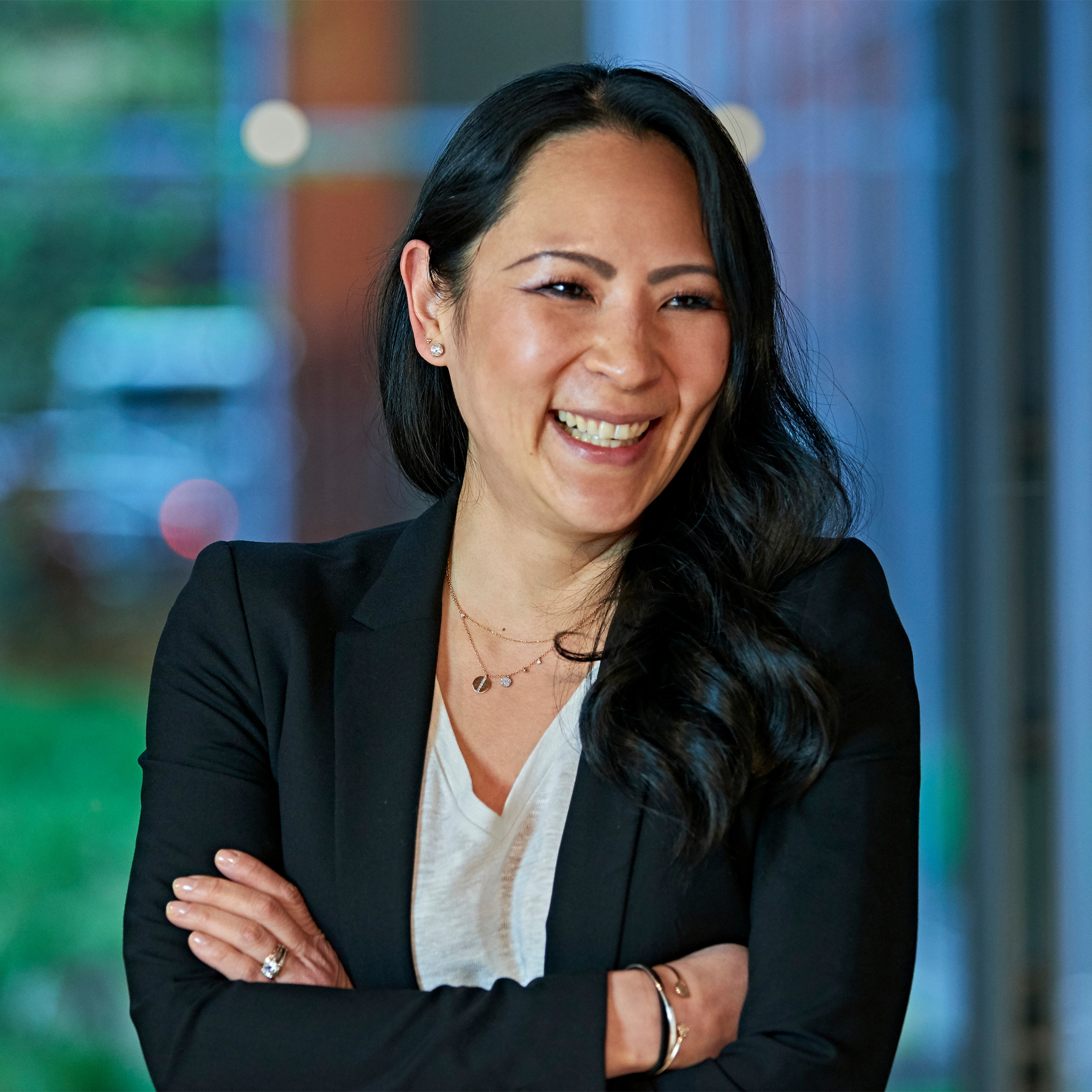
HOST: ALICE CHENG
Welcome to Hospitality On The Rise, the podcast about the people shaping the hospitality industry and their journeys. I'm your host, Alice Cheng, Founder and CEO of Culinary Agents, hospitality's go-to hiring platform. And I'm here to give you your dose of virtual mentorship.
Here, we'll be sharing the stories, lessons learned, and advice from hospitality leaders who've carved out their own path to success. After all, this industry is where many get their start and go on to do incredible things.
Whether you're a pro, starting out, or just love the hustle, this podcast highlights what makes hospitality extraordinary, the people.
HOST: ALICE CHENG
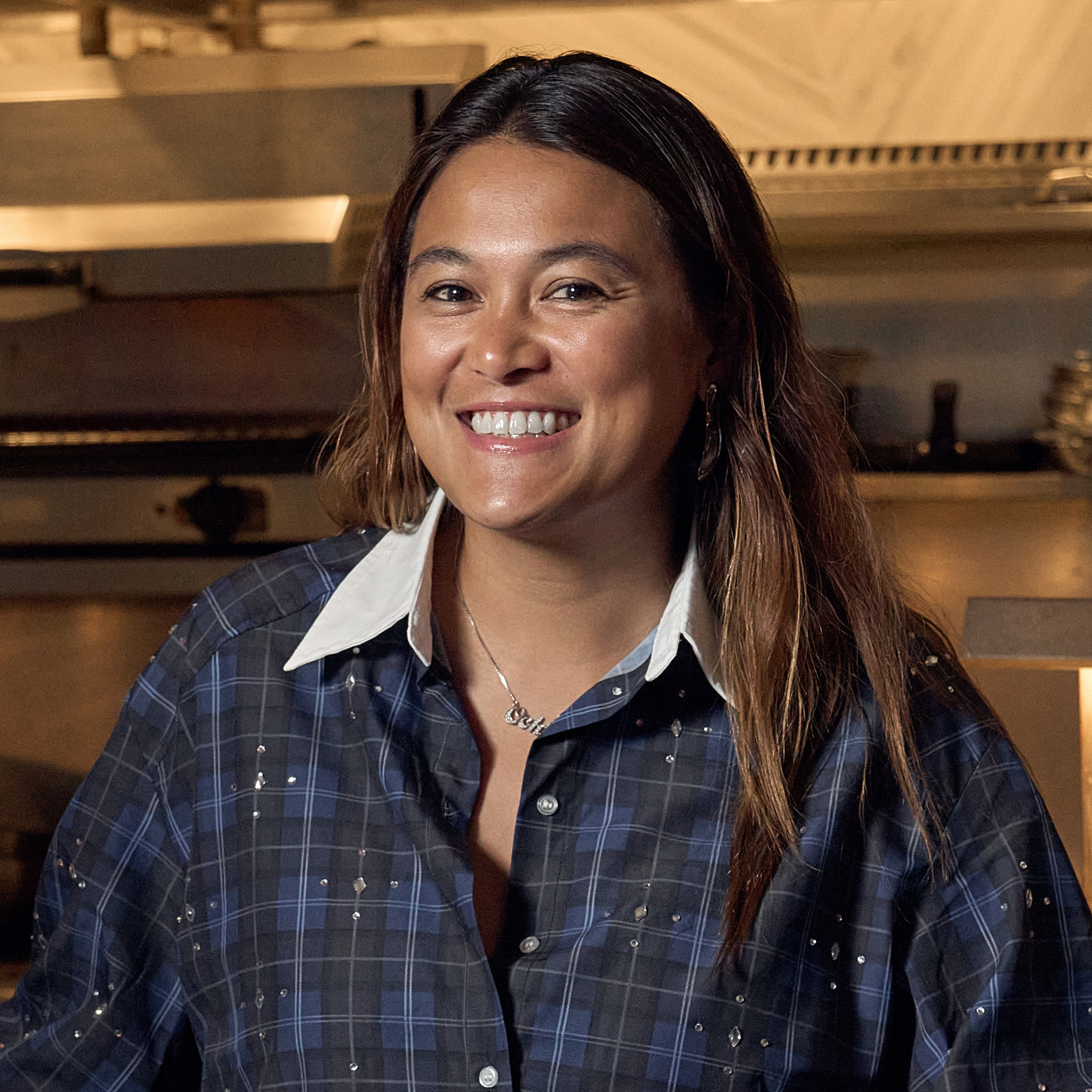
I'm so excited to have with us today, Ochi Latjuba Vongerichten. Ochi is the Co-Owner of Wayan, which is an Indonesian cuisine with modern French flair, and Ma•dé, which is another restaurant in New York. Are they both in New York?
GUEST: OCHI LATJUBA VONGERICHTEN
Yeah, they're both in New York. Actually, they're next to each other.
HOST: ALICE CHENG
Oh, okay, that's why. I was like, oh, wonderful. I'm like, did I miss an opening? Ochi, welcome. Thank you so much for joining us today.
GUEST: OCHI LATJUBA VONGERICHTEN
Thank you Alice for having me. I'm so excited. And then as you know, Culinary Agents is part of our life as a restaurant owner.
HOST: ALICE CHENG
Yes, yes. Well, it's our pleasure and privilege, and it's been really wonderful to see how you've grown from opening to now, and we can't wait to hear all about it. So let's take us back, and how did you get into the hospitality industry?
GUEST: OCHI LATJUBA VONGERICHTEN
Well, I grew up in food and hospitality. My mother owned a catering business in Indonesia. At that time, it was just her and another catering business in Jakarta. They cater weddings for 3,000 people and huge, huge parties. And then it's not only one day wedding, but it's two, three days. So I've been around food for pretty much all my life.
HOST: ALICE CHENG
I was gonna say, at that time, did you have to jump in and help also?
GUEST: OCHI LATJUBA VONGERICHTEN
Not really, but I was my mother, like a food taster. So I tasted all the food right before going out to the event.
HOST: ALICE CHENG
Yeah, quality control.
GUEST: OCHI LATJUBA VONGERICHTEN
Correct, correct. And I love that. That's like the best job.
HOST: ALICE CHENG
It is, it is. And so at that time were you kind of thinking of, “Oh, one day I want to own my own restaurant” or is it just something that was…?
GUEST: OCHI LATJUBA VONGERICHTEN
So at the beginning, no, my original plan is to work with her. So, okay, my background, I went to accounting and finance school in Australia after high school. And then I decided, I'm like, I just, I realized I don't like this. So I changed my career, and I told my mom, “I don't want to do this anymore. I finished the associate degree, and I want to do cooking.”
So as an Asian mom, they have a standard in education. She wants me to finish the bachelor degree. I said, “Then I look where is culinary school that offer a bachelor degree.” Then I found Culinary Institute of America. That's where I went to learn how to cook.
And then experience internship at DANIEL restaurant, in the catering side of DANIEL restaurant. After, and then we, I mean, we were two years for the management classes. And then finally, I got my bachelor degree and makes my parents happy. But like, you know, like destiny, I felt going different way. I met Cedric in sophomore year. So then we get married, have kids and then I decide not to continue my mom path anymore.
HOST: ALICE CHENG
And the rest is history.
GUEST: OCHI LATJUBA VONGERICHTEN
Correct.
HOST: ALICE CHENG
Well, you know, when you follow your passion, oftentimes other things kind of fall into place, right? And you're being modest in kind of how you progressed on those days because you're a co-owner of two restaurants, and I'm sure your life is very, very busy with many things.
So while you were– you worked at DANIEL, you said, in catering and then getting some experience in different restaurants in the New York area. When you were doing that, like for somebody who is starting out and graduating culinary school and trying to figure out where they want to work or what they want to do, do you have any advice for them? And like, did you think about specifically where you wanted to work or what you wanted to learn?
GUEST: OCHI LATJUBA VONGERICHTEN
So when I was in culinary school, I know that I want to become a chef. Sometimes, for me, back in the day when I was working at DANIEL, it was required long hours. So I almost quit. I cried every day. This is back in the day. Nowadays, you don't do that anymore. Everyone has a life. You know, this is like 16, 18 hours a day. I'm like, literally just slept at home for three, four hours and then go back to work. I was telling my mother, “I wanna quit. I wanna quit.” She said, “No, do not quit. I mean, you finish it. So then after that, you will see that it's very rewarding.” And then thank God I listened to what she said. And then I ended the internship. I mean, they give me a good reference letter. So it's very rewarding.
And then I learned two years management for a bachelor degree program. And then that makes me want to think I want to learn different aspect of restaurant, which is front of the house. So at that time, I was looking for a job after finished my college. It's like, okay, Per Se was looking for a kitchen server, which is a runner. So that was my first front of the house job. So that's, I think it depends on the path where you're going and then you realize this is what you want to do. But I'm glad I tried both because I think it's very, very good basic for me to understand back of the house and front of the house as a restaurant owner.
HOST: ALICE CHENG
Yes, yes, I was just going to say that. Nowadays we hear what skills are required to run a successful restaurant or business, right? Especially if you're skilled and talented in back of house, that's half the battle, right? And you need that, right? But then communication skills, leadership skills, understanding how to run the business side, really kind of is the differentiator.
GUEST: OCHI LATJUBA VONGERICHTEN
Yeah, very important.
HOST: ALICE CHENG
Yeah, absolutely. So good foresight on your half. So once you switch to front of house, and like you said, you already did back of house. So that's great perspective and at least you have a good understanding of what's required and what that lifestyle is like. At this point, were you thinking, “Oh, one day I'm going to own my own restaurant”? Or you're collecting your skills and experiences so you can have your own?
GUEST: OCHI LATJUBA VONGERICHTEN
You know what? I never thought that I want to have a own restaurant, especially with Cedric, my husband and also business partner. I was just like, just keep on going what I'm doing. Then, yeah. And then one day, we met our business partner and he was like, “Let's do Indonesian restaurant.” I was like, “Oh, that's a good idea.” Also my mom back in the day also told me and Cedric, “You guys should open a restaurant, Indonesian restaurant. There's no Indonesian restaurant here in New York City, and then the flavor is not well known by people. I think we should start introducing it.”
Yeah, which I'm glad right now. I mean, we opened Wayan seven years ago and now we have in New York City, we have in Aspen, we have in Hamptons and we also have in Miami. Yeah, and too many more.
HOST: ALICE CHENG
Yes, congratulations. Yeah, congratulations on that growth. We're going to dissect that a little bit because you make it sound so easy, but we all know that, A, each one of these openings has its own challenges. Expansion into other cities is even more challenges on top of that.
GUEST: OCHI LATJUBA VONGERICHTEN
Very challenging. Yeah.
HOST: ALICE CHENG
When you opened Wayan, can you remember one–I'm sure there were many–can you remember one challenge that you had?
GUEST: OCHI LATJUBA VONGERICHTEN
I think every day is a challenge there. I mean, like, get the team together. Manage everything. I feel like everything is scrambled, especially it's our first restaurant. We're not as structured as corporate, but we're trying to make everything look seamless, nice. And the most important is the hospitality. People doesn't know what's behind the back door. As long as when guests come to the restaurant, we smile, we greet them, we acknowledge if it's their birthday, their graduation, or any celebration, type of celebration. So they want to be treated like specials, right? So that's why we have a restaurant. And compliment the great food. So I think, yeah.
HOST: ALICE CHENG
Yeah, well, that's a skill in and of itself, right? Especially for first time owners or any new project, any new restaurant is making sure that nobody sees the stuff that you're still kind of fixing or building in parallel.
GUEST: OCHI LATJUBA VONGERICHTEN
Yeah, yeah, yeah.
HOST: ALICE CHENG
You know, because at the end of the day, the guests are coming, they're interested in what you have to offer, they want to have a good time, they want an experience. And especially nowadays, the hospitality part of it is so important. It's a big differentiator, especially in a city like New York or any of the cities that you mentioned, where there are exciting openings all the time. There's so many options. And now more than ever, there's different ways that people can kind of find out where they want to eat, and their friend recommended this, and there's a review here. And it's almost overwhelming.
Actually, that's a good point. How do you stay true to kind of your vision and purpose of what you're introducing–the type of food, the style, et cetera–when there's so much noise with what people want, what they think.
GUEST: OCHI LATJUBA VONGERICHTEN
Yeah. Bad reviews, it happens, you know, but I think we have to be proud what we are offering to people. And then we have to believe in our concept. I think that's number one. And stay consistency. I think that's very important. Not only consistency in what we offer in the food, but also the hospitality. It's very important.
HOST: ALICE CHENG
Yeah. What was one of the biggest challenges when you opened your first location outside of Manhattan?
GUEST: OCHI LATJUBA VONGERICHTEN
The first location outside Manhattan, in Aspen. Oh, it's a different story.
HOST: ALICE CHENG
Aspen's a whole other country.
GUEST: OCHI LATJUBA VONGERICHTEN
Okay, so no, we open in the Hamptons first before Aspen. In the Hamptons is very different.
HOST: ALICE CHENG
Yeah, that's another country too.
GUEST: OCHI LATJUBA VONGERICHTEN
Yeah, the people like to be extra pampered. So this is something that we have to acknowledge. And then we have to know if they come for more than two, three times, we have to acknowledge them by their names. And then of course when they come a few times, Cedric, my husband–who also my business partner, again–he loved to give extra to all those people. So challenges, I think, again, you just have to remain consistent. If you remain consistent, I think those challenges is like a daily problem that you fix. Yeah.
HOST: ALICE CHENG
That's a good problem to have too if you have repeat customers, right? It's a self-fulfilling cycle where the repeat customers continue to be repeat customers because you're acknowledging them, and you're giving them the hospitality that they expect and they like that.
GUEST: OCHI LATJUBA VONGERICHTEN
Exactly.
HOST: ALICE CHENG
So the power of hospitality, right?
GUEST: OCHI LATJUBA VONGERICHTEN
Yeah, but also I'm just telling you, I think that's learned from the past because, I mean, Per Se was my first job as a front of the house. I mean, their philosophy is like, it shaped me to who I am right now, because I think I learned from the sense of urgency, like, even though how busy we are, we always have to stay calm. And then we just have to be meticulous. It's very high standard there. And now who I am today and I have a standard also for the restaurants.
HOST: ALICE CHENG
Yeah, and that's a really important thing to highlight also is where you choose to work and learn from is really important too.
GUEST: OCHI LATJUBA VONGERICHTEN
Exactly.
HOST: ALICE CHENG
Because it will shape and inform you when you develop your own style, right? Even if you don't open your own restaurant.
GUEST: OCHI LATJUBA VONGERICHTEN
Correct. Correct, yes.
HOST: ALICE CHENG
Right. And that's something, especially nowadays, and you mentioned earlier how things kind of used to be done a little bit. Things have changed. Things have evolved. This industry continues to evolve. I mean, Culinary Agents is 14 years old.
GUEST: OCHI LATJUBA VONGERICHTEN
Wow.
HOST: ALICE CHENG
So I very much remember some of the challenges that… Quite frankly, I started the company because one of my close friends who graduated from the CIA was juggling these hours and trying to make a name for himself and trying to do side hustles. And I was like, “You need better tools,” right?
GUEST: OCHI LATJUBA VONGERICHTEN
Yeah, exactly. Well, thanks for that because Culinary Agents helping me. I mean, right now, we are using for our current restaurant in New York City and the Hamptons and also the one in Miami, we use Culinary Agents. So it's very, very helpful. We found those amazing teams who helped me, to help me this restaurant grow.
HOST: ALICE CHENG
Oh, I love it. Thank you so much for that feedback. And we're going to follow up and make sure that you get some extra bells and whistles too. See, like this hospitality cycle, right?
GUEST: OCHI LATJUBA VONGERICHTEN
Thank you. Yeah.
HOST: ALICE CHENG
So, you're opening kind of different locations. Are you also thinking about other projects?
GUEST: OCHI LATJUBA VONGERICHTEN
Yeah, we're working on our cookbook. So hopefully we'll be launched fall 2027. And another side work that we're doing, our Indonesian hot sauce, that's still always working in progress, but there's a lot of R&D for that one. So yeah, and then continue growth for Wayan. And hopefully the other third concept that we can find the right space, we can open that too. You know, there's always dream. So keep on dreaming and then keep on going.
HOST: ALICE CHENG
I mean, if you don't dream, how do you expect it to happen? Right?
GUEST: OCHI LATJUBA VONGERICHTEN
I know exactly.
HOST: ALICE CHENG
Yeah, my husband jokes around, he's like, “You're just gonna will it to happen, right?” And I'm like, “Yeah, because if I don't say it out loud or try to do something, then I'm the only one to blame.”
GUEST: OCHI LATJUBA VONGERICHTEN
Yeah, exactly.
HOST: ALICE CHENG
But yeah, I always say like, whatever works for you. Like, everyone, as they're going through their career journey, whatever it may be, I get asked oftentimes, as people are kind of reaching different parts of their career, for advice. And I always say you have to ask yourself the hard questions and you have to be honest with yourself because people's priorities change, people's goals change…
GUEST: OCHI LATJUBA VONGERICHTEN
Correct.
HOST: ALICE CHENG
… and what you might have started out with certain, you know, “I'm going to open my first restaurant by the time I'm 25” or 30 or whatever. And then you're into it, and life changes and things change, and you're like, “Well, I don't know if I want that anymore.” It's okay, right?
GUEST: OCHI LATJUBA VONGERICHTEN
Yeah, the plan is no plan, but you always have to dream.
HOST: ALICE CHENG
Yeah, exactly. You're making it sound easy. You're like, you open here, and then you have different projects. Do you have any hints and tips as you're considering doing another project? Do you have a certain way that you go about it or think about it? Are you and Cedric agree to do something together or brainstorm ideas, et cetera? Or do you seek out the opportunity, or is it a combination of somebody comes to you and says, “Hey, I have this space or opportunity”?
GUEST: OCHI LATJUBA VONGERICHTEN
We do both, we do both. People reach out to us. I look for, I listen to, because I always touch tables when I'm in the restaurant. And then I listen to what the customer wants. Where should we go next? And then they give me an idea. Let's say, for example, Palm Beach or Texas, you know? So then we're looking, I'm looking, or get reached out by local people there.
Yeah, and then I brainstorm with Cedric if this is the right place or this is the... We always brainstorm. Me and Cedric's relationship is like we brainstorm everything: from restaurants, from kids' activities, from our vacations, from anything.
HOST: ALICE CHENG
Yeah, well, I find it more often than not, especially in hospitality where people's personal lives and their business, their professional lives will kind of blend together, right? Especially if you're an owner with, you know, you're an owner operator.
GUEST: OCHI LATJUBA VONGERICHTEN
With your spouse.
HOST: ALICE CHENG
Exactly. And you have kids. So how do you find balance, right? Because you're both in the business.
GUEST: OCHI LATJUBA VONGERICHTEN
My God, I'm still figuring out every day. You know, I was like, so come here, like rushing, everything late, like, okay, I try to be as balanced as possible. Kids, my oldest kid, my oldest one is in academy soccer. So we have our weekend basically is back to back driving early in the morning just to watch his soccer games. We travel everywhere because it's a travel.
And then my second son is in track and field. And then he's going to championship. So we just try to juggle at least one of us is available to come and see. I mean, yeah. And then when the kids have a holiday, then we just take holiday too. So then that way, we can be together because, as you know, our time in the restaurant is like we spend so much time here in the restaurant, so then we try to balance. But balancing is not easy.
HOST: ALICE CHENG
Yeah, yeah, you know, I asked that question for a couple reasons. One, the thing that I'm seeing as part of the industry evolution over the years is that more and more people are having families. And I think that is a great indicator of overall how the industry and individuals who work here, the leaders, evolve and kind of find a different way to be able to continue doing what they enjoy from a work standpoint while also not having to sacrifice everything else, right?
And the more we show and share examples of leaders such as yourself, who are running businesses, working on multiple projects, and are able to continue to work to find this balance and share it and just be real about it. I think the more that encourages and inspires people to continue to find that balance as well. Because back in the day, when you wanted to start a family, I feel like a lot of people couldn't see how they could continue to work in the industry at the same capacity while starting a family. So I think a lot of people made decisions based upon different priorities.
GUEST: OCHI LATJUBA VONGERICHTEN
But not only that, the reason why me and Cedric are able to be balanced a little bit with the family is because we have a great team–the great team we found from Culinary Agents.
HOST: ALICE CHENG
Woo hoo!
GUEST: OCHI LATJUBA VONGERICHTEN
There you go, right? Then we can be balanced because… We try to be balanced, so then we're not grumpy to go to work. We're sharing like, you know, we have to have a great attitude. When we enter the restaurant, we cannot be like, “Oh, I'm so tired because of my kids, I'm so tired because of the restaurant, this and that, there's always a problem.” So we cannot, we have to show happiness to them. It's lead by example.
HOST: ALICE CHENG
Yeah, exactly. And thank you for that. I was gonna say, do you have any hints and tips on what do you look for when you are looking for leaders and team members to represent you and your family, essentially what you're doing?
GUEST: OCHI LATJUBA VONGERICHTEN
Yeah, so yeah, I think work ethics, if people have a good work ethics, I think, and then we like leaders [who] like to learn, because for us, every day is always different. So we always tell them, “Okay, we have to change this.” So it's more like, how do you call that…?
HOST: ALICE CHENG
Flexible, adaptive folks.
GUEST: OCHI LATJUBA VONGERICHTEN
Yeah, adaptive, Yeah, exactly. Especially we're mom and pop. So there is no structure. There is structure, but there is no, you know, there's always have to fix problems here. Think outside the box. That's what I'm trying to say.
HOST: ALICE CHENG
Yeah. Be a problem solver. It's just like what you said before, whether it's the first day of opening and you're trying to put a smile on and still fix while you're serving, that never really goes away, right? Because there's always something, and I think that really is the art form, right? Both front and back of house because when people are not happy in the back of house either, you can tell with the food, right?
GUEST: OCHI LATJUBA VONGERICHTEN
I know, exactly, exactly. You have to make them happy, yeah, not only the front, correct.
HOST: ALICE CHENG
Yeah. Well, and as you continue to grow, as you said, you like to touch tables. That becomes more and more difficult when you have multiple locations that are in different cities. Even just getting to the Hamptons and back into the city during the summer, that in and of itself is a long time.
GUEST: OCHI LATJUBA VONGERICHTEN
Yeah.
HOST: ALICE CHENG
So you have to have people in the restaurants who are touching tables that represent you the way that you want, right?
GUEST: OCHI LATJUBA VONGERICHTEN
Yeah, the managers, they know how we want those people. And then mostly, we recognize all the regulars and then people's coming and really enjoy them. We like to talk to them. Yeah, like extra pamper.
HOST: ALICE CHENG
Yeah, so what keeps you inspired?
GUEST: OCHI LATJUBA VONGERICHTEN
What keeps me inspired? I think travel. It's inspired me, like every time we travel with Cedric, anywhere we go on for business trip or vacation, we’re always like, “Oh, we should do this part but twist it with Indonesian food or something.”
HOST: ALICE CHENG
Yeah, so like just taste testing everything.
GUEST: OCHI LATJUBA VONGERICHTEN
Yeah, exactly. So whatever that, we should do like, let's say, I like these cocktails. I'm like, “We should do this, but we put like an Indonesian hint so that way it's tied to the concept.” That's inspired me, you know? And then food is our love language, so that's inspiring too. So whatever that we eat, we share. That's it.
HOST: ALICE CHENG
Well thank you, certainly the story and I've learned a bunch here as well. It's very inspiring in general, and I smile because I think back of a lot of questions that I get, like I mentioned earlier. People reach a point in their career, and depending on where they are, I get introduced to them or somebody sends them to me, and I ask them the same questions. And I think one of the amazing things about this industry is that you can take what you learn into skills and you can apply it to any other part of the industry that you want. Now more than ever, you could start in a restaurant and then realize, “Okay, maybe I don't want to be in a restaurant. What else can I do in the industry?” And there's so many different ways somebody can take that, right? Take the skills and apply it somewhere else. So thank you for sharing.
GUEST: OCHI LATJUBA VONGERICHTEN
Thank you.
HOST: ALICE CHENG
But on that note, we're going to go to quickfire.
GUEST: OCHI LATJUBA VONGERICHTEN
What is quick fire?
HOST: ALICE CHENG
Oh, quickfire, you're going to learn what quickfire is right now! What advice would you tell your younger self?
GUEST: OCHI LATJUBA VONGERICHTEN
My younger self, trust your timing. Until now, I keep saying that to myself. Trust my timing, because sometimes what you want, you cannot get it now, but it will get you later. So you can get it later. But keep on, I mean, working hard, I guess, and never quit.
HOST: ALICE CHENG
What's your advice for someone struggling in the industry?
GUEST: OCHI LATJUBA VONGERICHTEN
Please just keep on going, think outside a box. Yeah because consistency, be consistent.
HOST: ALICE CHENG
And what's your advice for fellow hospitality leaders?
GUEST: OCHI LATJUBA VONGERICHTEN
Wow, the advice is, I think you just have to do it. Just do it, like Nike, just do it.
HOST: ALICE CHENG
Just do it. I love it. On that note, thank you, Ochi, so much for taking time to share about your career journey.
GUEST: OCHI LATJUBA VONGERICHTEN
Thank you Alice.
HOST: ALICE CHENG
We're so excited to continue to support your growth, and we cannot wait to see what's next.
GUEST: OCHI LATJUBA VONGERICHTEN
Thank you. Thank you so much, Alice and Culinary Agents. We're so happy that we're part of your, you know, the journey. Part of our journey, growing the restaurant.
HOST: ALICE CHENG
I love it. Thank you.
GUEST: OCHI LATJUBA VONGERICHTEN
Thank you, bye bye.
HOST: ALICE CHENG
Remember, success looks different for everyone in hospitality. No two paths are the same. If you have a leader or a topic you want to hear about, email [email protected].
Hospitality On The Rise is brought to you by Culinary Agents, connecting top talent with employers since 2012. Whether you’re hiring or looking for your next opportunity, join us at CulinaryAgents.com
For more inspiration, subscribe to Hospitality On The Rise and visit HospitalityCareerPaths.com, a free platform by Culinary Agents.
Thanks for tuning in! Remember to like, follow, and subscribe. And if you loved this episode, share it with someone who could use a little inspiration.