Links
Transcript
HOST: ALICE CHENG
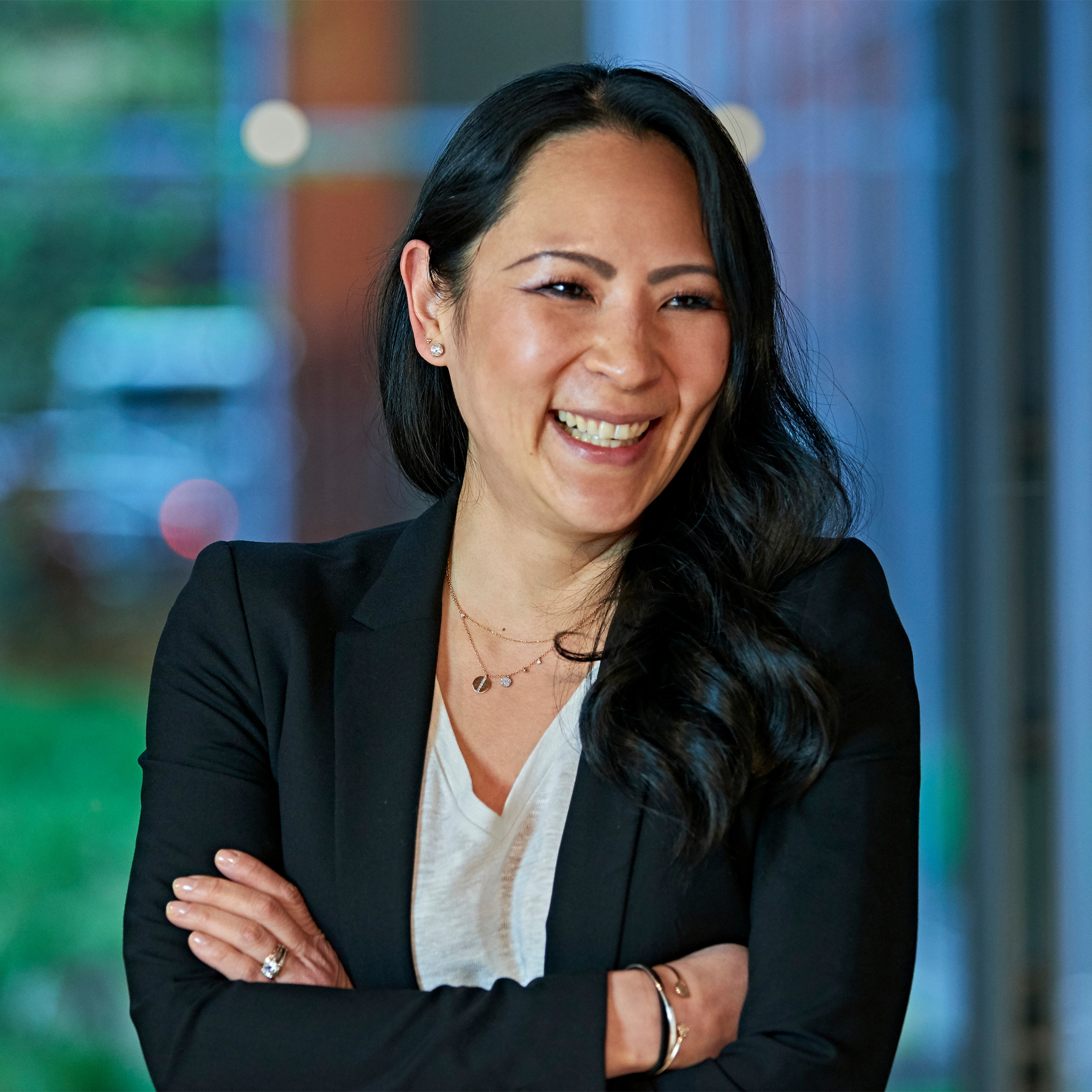
Welcome to Hospitality On The Rise, the podcast about the people shaping the hospitality industry and their journeys. I'm your host, Alice Cheng, Founder and CEO of Culinary Agents, hospitality's go-to hiring platform. And I'm here to give you your dose of virtual mentorship.
Here, we'll be sharing the stories, lessons learned, and advice from hospitality leaders who've carved out their own path to success. After all, this industry is where many get their start and go on to do incredible things.
Whether you're a pro, starting out, or just love the hustle, this podcast highlights what makes hospitality extraordinary, the people.
HOST: ALICE CHENG
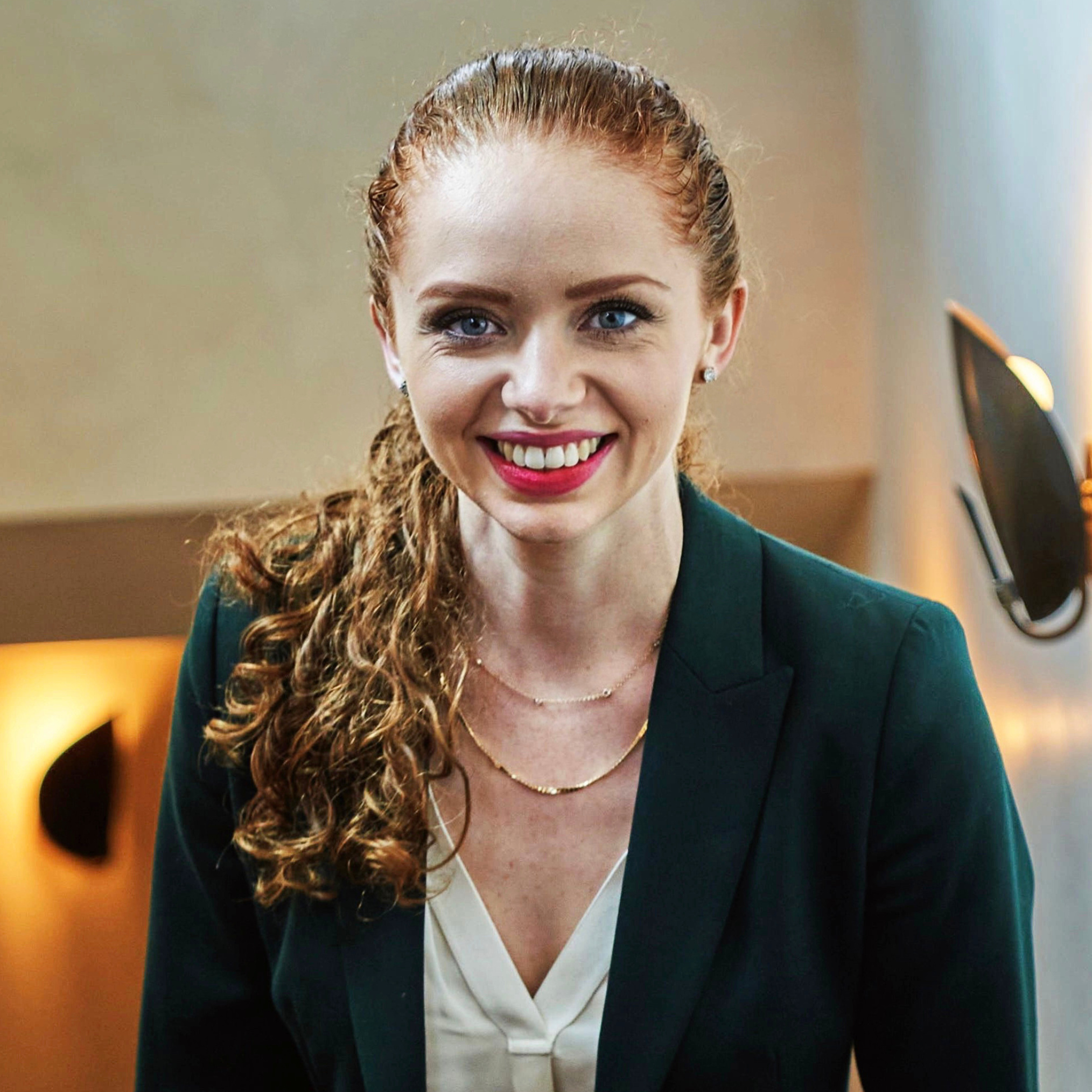
I'm so excited to have with us today Megan Sullivan. Megan is the Vice President of Operations at Union Square Hospitality Group here based in New York City. She is also Crain’s New York Business 20 in their 20s from 2022. Sorry to blow up your spot there, Megan. Thank you so much for joining us today.
GUEST: MEGAN SULLIVAN
Thank you, thank you so much for having me. I've admired you and Culinary Agents from afar since I've been in New York, so it's an honor.
HOST: ALICE CHENG
Well, thank you. And I was looking over some of your background, and I'm so excited to hear this story because I don't get to hear often enough from you. But can you tell us, how did you get started in hospitality?
GUEST: MEGAN SULLIVAN
Yeah, for sure. So if we take it all the way back, my parents opened their first restaurant about a month before I was born. Throughout my entire life, I've been around restaurants through them, and they grew a hospitality company with partners of theirs in Sydney, Australia. So at a young age, I was polishing ice buckets and folding hand towels to hang out with my dad on a Saturday.
But that actually gave me a really clear understanding at that time that I really didn't want to be in the industry. So I wanted to be a fashion designer, moved to Paris. So I started working in their restaurant after high school to save up to do that. And as I did, I just really fell in love with the camaraderie and the feeling of being part of a team. And just making people happy every day felt like it wasn't meant to be a job. And so I really fell in love with all of those things, got addicted to the feeling of it, and then started working for a hospitality company called Merivale in Sydney for just under eight years before I moved over to New York and joined Union Square Hospitality Group.
HOST: ALICE CHENG
Wow, and I know that there are so many lessons learned, I think, through that process. And I'm gonna hone in a little bit because oftentimes when we hear from people who have had hospitality experience in other countries or other areas, there are kind of certain commonalities but then certain distinct differences.
So as you were working in Australian hospitality and now with all your experience here, can you think of something that was really different that is kind of “normal”, I would say, over there?
GUEST: MEGAN SULLIVAN
Yeah. I mean, as you said, there's a lot of similarities. So it was nice to feel that coming over. I think the biggest difference is just, this might sound obvious, but just the culture. Australian culture is, both from a guest standpoint and a work standpoint, is just different to American culture. And that shows up in all types of different ways. Even the way the system of how we pay people and what tip culture is like and what kind of norms of time off is like and those kinds of things culturally were really different. So coming over to New York especially, and then obviously within America, I really noticed the difference in in those areas, and it was definitely an adjustment.
Australia, I think, just culturally it's a smaller place where there's just over 25 million people which is almost the same as New York State. So there's just a difference in it and they're both beautiful, but it definitely took some adjusting that I think I wasn't prepared for because the role and restaurants is kind of similar. So yeah, I don't think I was quite prepared for those differences, but it definitely was a great learning experience.
HOST: ALICE CHENG
Yeah, and coupled with the universal language of hospitality, right? That's another thing that's really amazing about this industry and the skills that you learn. There is a commonality that you can take with you in many different places.
GUEST: MEGAN SULLIVAN
Absolutely. Yeah.
HOST: ALICE CHENG
While you were working in hospitality in Australia, was it intentional to come to New York and work in the States? How did that come about?
GUEST: MEGAN SULLIVAN
Yeah, it really wasn't. So the company I worked for, Merivale, for a long time, it really shaped the hospitality professional that I am today. I learned so many important lessons there from a really young age. And surrounded by a lot of really talented people. So I was really lucky to have that experience. And I just gotten a promotion to work with a new venue within that organization, and we were building a new restaurant, a fine dining restaurant, and Justin, the CEO, wanted it to be the best restaurant in Australia.
So I was going to come to New York to get some inspiration and come and do a few trails at a few places to kind of be revitalized for ideas of how we could really make it something incredible. And as I started those conversations with people over here, USHG was one of them, I just kind of had this moment of like, wow, there's a whole other world out there. And I'm in this beautiful place in Sydney, Australia, but I really want to be pushed outside my comfort zone and challenged. And I want to meet different types of people and learn from different types of people and be in one of the biggest, most amazing cities in the world to do so.
So I never took that trip, and I just really went with my gut, I guess at that point, and yeah, just turned my whole life upside down and moved to move over here to New York. And that was six months before the pandemic started, so August of 2019, so it was a real eventful year or so for many reasons.
HOST: ALICE CHENG
Yeah, throw one challenge on top of another challenge, right?
GUEST: MEGAN SULLIVAN
Yeah, but you know, it feels like the hardest thing in the world at the time, and then obviously with time goes by it helps shape who you are and makes you better and all those things, and you look back with a different perspective. So wouldn't change it for anything.
HOST: ALICE CHENG
Yeah. Absolutely, I love it. No regrets. I love it. Was USHG the first group you started working with when you came?
GUEST: MEGAN SULLIVAN
Yeah.
HOST: ALICE CHENG
What locations did you start with first?
GUEST: MEGAN SULLIVAN
Yeah, I started as the Assistant General Manager at The Modern.
HOST: ALICE CHENG
Oh, what a great place to start. And I say that because, I mean, many people are familiar with Union Square Hospitality Group, but you have so many distinct brands within your organization. And every group has its own personality and culture, etc. So oftentimes people will come and start somewhere and kind of test it out a little bit, maybe go somewhere else. And I love how you stayed for many years. Can you talk a little bit about your progression and where you started and then how you've kind of navigated your career?
GUEST: MEGAN SULLIVAN
Yeah, I mean when I was deciding on where to start working when I moved here, I was really– In the experience of working at Merivale, I think very early I understood that how it feels to work around the people I work with is the most important thing to me and that I was willing to make sacrifices on various levels of other things if that meant that feeling. So I just had that when I spoke with the leaders as I interviewed through USHG, and I had that when I joined the team at The Modern.
Yeah, so I started out as the assistant general manager at The Modern. At the time when I left Australia, I was in a group role already. So it had been a really long time since I hadn't been either in a group role or a general manager role. And so it was actually really amazing to come into a new market, a new company, a new restaurant, a new team, a new everything and really have the opportunity to be in an AGM capacity. And I use that anecdote often when people are looking to progress by just offering the advice that there's still often so much to learn that doesn't always look forward-progressing in terms of a career path sometimes. And you have to take twists and turns to really get the most meaningful gifts you're going to get out of each of them. So I had an amazing experience joining there. I mean, that place is such a special place.
HOST: ALICE CHENG
It is.
GUEST: MEGAN SULLIVAN
Obviously, it's in the MoMA Museum as well. It's so beautiful, and the team was really exceptional at the time. It still is. And yeah, so that was my first home. Obviously, I was only in that role up until the pandemic. And so was about seven-ish months in or so, I'd say.
So then after that time, most of our employees got laid off. I was one of them. And I was fortunate enough to get a role within the Jean-Georges group as the general manager of The Inn at Pound Ridge. So I was there for a little bit over the pandemic because obviously the New York City restaurants were mandated to be closed. But outside of New York City, there was certain zones that weren't, and Pound Ridge was in that. And that was a really, really great experience to work with a different group in a different environment, in a different part of New York.
And then when USHG was opening back up, I rejoined the team as the general manager of Ci Siamo. And at the time, it had no name, and Hillary was just being hired at the same time as the chef. So it was a magical experience to work for six months or so with her and Danny and the rest of the team to be a part of that process of bringing Ci Siamo to life. We were still in a life around the pandemic that wasn't completely in the clear. So there was just a lot of energy, I would say, in the city and just in the world, obviously, going on at that time. So that was a really amazing experience. We opened that restaurant. We had big fears that no one was going to come to that part of town during that time. I remember her and I sat at a table in the restaurant. It was empty. It wasn't open yet. And we're like, “Are people going to come for this?”
Thankfully, we were wrong. Yeah, so I became a director about five months into being the GM there, which again, at the time, I really was like, this restaurant's not ready for me to not be the GM anymore. It's just opened, and I don't feel like I've completed my task at hand. But thankfully I was able to become a director and still oversee Ci Siamo in that capacity, along with some of the other restaurants within USHG.
And then probably about a year and a bit ago now, I moved into the VP role. So yes, now I get the gift of working with eight of our brands. Gramercy Tavern, Union Square Cafe, Ci Siamo in New York and soon to be Boston, The Cafés at MoMA, The Modern, Tacocina, and Porchlight.
HOST: ALICE CHENG
Wow.
GUEST: MEGAN SULLIVAN
So really amazing group of brands and also a big spectrum everything from The Modern to Ci Siamo to Porchlight, Tacocina, there's whole different models of businesses which has been a really, really rewarding experience, so yeah.
HOST: ALICE CHENG
Yeah, and I mean, I was just like, let's just lay it all out there, your timeline. I love hearing that for many reasons. One is, mean, obviously, I love and respect your organization immensely. And I really enjoy highlighting folks who kind of navigate a career path within one organization. Because not only does it show–it doesn't have to be a huge group, it could be a smaller group or a growing group. It shows when you get different experiences and you bring different experiences to the table, that has unique value to whatever the growth plans are in store for that particular business.
So the fact that you came in at The Modern, at a management level or junior management level, but you had all this experience that you were bringing to the table from your prior work, which is great. And then once here, clearly, obviously, you’ve proven yourself time and time again. But it's really great when an organization also recognizes that and gives you more challenges. It's like, what's that phrase? I always get it wrong. It's like “if you want something done, give it to someone who's busy” or something.
GUEST: MEGAN SULLIVAN
Yeah, yeah. Yeah, I know. Sometimes I feel like it's a blessing and a curse, but I mean, I feel so fortunate for USHG to have put so much trust in me and given me so many opportunities. I think, again, I offer this advice a lot. There's no right way. Everybody has a different path that is right for them. Personally, for me, I've always enjoyed the feeling of getting into an organization, first making sure that it's aligned with who I am and what I value, and then getting to know it really well, bringing your best work, obviously, and then really deepening your roots within it. Personally, that's what feels natural to me, and that's how I've had two almost similar amount of times in Sydney and New York in one organization. But I've also been able to have the opportunity to grow in them and be challenged within the same culture and place. So yeah, I feel really lucky.
HOST: ALICE CHENG
Yeah, I was going to ask you, and you already started it actually and perhaps addressed it, for someone who is kind of starting out in their career journey, what advice would you give to them as they're kind of figuring out where to start that journey?
GUEST: MEGAN SULLIVAN
I would first really notice what brings you energy and brings you joy. It's taken me a while to work that out, but there's so many difficult parts of hospitality, but there's so many parts that feel not like work to me and just feel magical. And I think you just really got to work out which ones are natural to you because then ultimately, you'll end up growing and sticking and thriving in whichever part that is. And obviously there's micro versions of that, right? There's the dining room and then there's the kitchen, and there's two very different types of skill sets and things that bring people joy in those areas. But then within those, there's a whole bunch of different ones as well.
So I would just say try things out, you don't have to have to figure it out all within a certain period of time that you think that there is, and just really go with your intuition about what feels good because ultimately, I think that's what you'll be your best at and you'll be able to thrive the most in.
HOST: ALICE CHENG
Yeah, that's great. And what I love now also, more so than in years past, there's so much information. Businesses and groups are very intentional with putting out their focus, their purpose, their culture, and give examples of it and highlighting their leaders, etc. So we always say, do your homework and take a look. Every group has their pros and areas that they're not as strong in. As long as what your priorities are aligns with what the strengths are for that group, it's definitely worth going for it and spending time there.
GUEST: MEGAN SULLIVAN
And this might be a strange analogy, but in similar ways to how we have personal relationships, there's no perfect version. There's no perfect company. There's no perfect person for you out there. There's just what is the most right. And I think that's another thing that can stop people from getting to where they want to go, is this kind of search for something else or finding what might not be right in that company for them and then thinking that there's another one that's more perfect out there. But I think you nailed it. It's just what mostly is the strength of that company and what mostly do you really value, and there's going to be things that you don't like about it, but that's just what life is, you know?
HOST: ALICE CHENG
Yep. And actually, I would probably put out there that oftentimes when people are unable to find that thing they're looking for, it's potentially because they don't know what they want. So we're always like, ask yourself those hard questions, as you mentioned before. This industry is not easy. It's wonderful. It gives you tenfold what you put into it or vice versa sometimes. And it's not for everyone. And people change. Priorities change. I think we've seen that now we're six years or so post-pandemic, a lot of priorities have changed for a lot of people. The past couple of years, we saw a lot of boomerang workers come back to the industry because they went and did other things.
GUEST: MEGAN SULLIVAN
Yep, they miss it.
HOST: ALICE CHENG
Yeah and they realized that what they thought they were missing and they went after actually they had all along, just maybe in a different way. And maybe they're looking for different places to fulfill their goals, etc. So I love that, yeah.
GUEST: MEGAN SULLIVAN
Yeah, I always say to myself really, your problems follow you where you go. The answer is often within you rather than the organization or the place or the restaurant or whatever it is. But yeah, it's just about finding what feels right and what feels like the right fit.
HOST: ALICE CHENG
Yeah, and this industry has evolved so much over the past couple of decades as a profession, even just a great place to make a living, even if it's not the rainbows and unicorns and the ultimate. It offers so many different flexible things that people need and want. So I love seeing the progression and how folks like yourself can take that common denominator to other countries, find great companies to work for, and add that value, and build future leaders.
Speaking of which, now as you've progressed and you're in a leadership role, you're hiring for, you're looking for, and you're promoting other leaders. Can you think of a couple of standout, skills or features–? Features. I'm so tech. Or personality or what you look for as you're identifying kind of the next generation of leaders?
GUEST: MEGAN SULLIVAN
Yeah, absolutely. I mean, first and foremost, it kind of goes back to what we were just saying, but on the flip side, right? I really try to think about, is this person's natural wiring going to be really compatible with how USHG's culture is? That first has to be natural, especially in senior leadership roles in a director role or general manager or chef role. If it's not, it's just a matter of time. I just think you're on borrowed time, so to speak. So not only is that natural wiring, because I think there's some things you can definitely evolve, but is their motivation in the same kind of place, and are they driven and the things that they want, is that aligned with where we're going? Because I really do think that that has to have alignment first as the baseline, especially in senior roles.
And then from there, I really try to look through the lens of an ownership mindset. You can apply this to pretty much every principle, whether it's how they take care of their team, how they speak to vendors, guests, coworkers, how they manage the financial responsibility, how they manage HR situations, whatever it is, do they approach it with a level of care and attention and time that one would if it was their restaurant and their business and their money? I try to have that mindset, and it's helped me a lot in my career, I think. And it's such a simple lens to look it through. I also used to, when I was younger, I used to think about it through the lens of like, if Justin, who's the owner of the company, called me and asked me about this decision I made, would I feel good about explaining it? Do I really back myself in that? So I think I really shaped that, and so I look for people that have that same mentality because we can teach them how to actually manage a business in a financially successful way. But I can't be there in the moments when the decisions are the thing that's gonna do that, right?
So, yeah, I would say natural alignment within their values, morals, integrity, and it's that match with our culture. Do they want it? I've seen a lot of people that want to succeed in a role so badly that their own self-drive gets them there. And if they don't have that, then I can't give that to them. And then do they have the ability to care enough to go about how they do everything in their day as if it was their own place? I mean, there's a whole bunch of others I could go on for, but I'm just stopping myself.
HOST: ALICE CHENG
Yeah, no, but you're absolutely right. There's the technical skills, there's things that can be learned. And then there are, like you said, there's things that are hardwired in and are much more difficult to teach and sometimes not able to learn. But also, as you mentioned, part of progressing and finding leaders and being a leader is having a trust in your leaders to act and do responsibly what you would do or what would be best for the business and themselves. And in order to build that trust, it needs to be kind of hardwired in there.
And I love you've mentioned a couple times things that you were kind of working on or you've discovered with yourself while you've been going on your career path. Can you think of one or maybe two things that were challenging for you as you were progressing into leadership? I mean, whether it was early days or as you kind of progressed further in your leadership journey.
GUEST: MEGAN SULLIVAN
For sure. The first one that comes to mind was finding my own voice. I think I emulated what leadership I was around or saw or had gotten myself. I think especially as a female, finding the balance of caring, nurturing nature and more firm leadership and assertive and confident leadership. That was really hard for me to create what felt natural. I remember I got some feedback about how unapproachable I was as a young leader.
And it's funny when sometimes I talk about that now, people are like, “Oh my gosh, you're not unapproachable.” I was like, “Yeah, but I was.” But I was just trying to figure it out. I was trying to work out how to be a leader, and I was often leading teams of people that were way older than me too. So I had to find a way to have a voice that I would feel like they would listen to. And I think that that takes time. Finding my own natural leadership style and voice, that was really difficult.
I think I went through and still go through this word “balance” with work, I think is such a tricky one. And one thing that I have learned now is balance is not going to look the same all the time. You just have to kind of give yourself the grace when you need it and go into a hardworking period of time when you need to and let those ebbs and flows happen. Week by week, there's not going to be sustainability because things are going to go up and down. But on a general scale and a longer scale, can you create balance within yourself with the work that you're doing?
But I really struggled with that. I went all-in in a work sense and just made it my everything in life, so to speak. Obviously it wasn't, but like mentally I had that. I still struggle with it. I'm falling asleep thinking about work. I wake up thinking about work before I get to work. And it's tricky because that makes you often really good at work, when you give so much of yourself. So with each time I would do that and I’d get promoted, it's like I'm telling my brain, “OK, keep going.”
HOST: ALICE CHENG
“Keep doing that, it's working.”
GUEST: MEGAN SULLIVAN
Exactly. And then you get a series of things that force you to realize that that's not how I want to live. And I want to have more balance, whatever that means to me or whoever it is, it all looks different. So that was really hard. And I still don't think I've nailed it yet, but I'm definitely in a much better place than I was.
And I think the last one is similar, which is hospitality, you're giving a lot. And you're giving, but you're getting back because when you get to make somebody happy, for people that naturally love hospitality, it makes you feel really good, right? It's so rewarding and so instant, that reward too. But it pulls out a lot of yourself. So especially in leadership roles, you're giving a lot to your team in leading them, you're giving a lot to your guests in taking care of them. We use this term “gas tank”, so to speak. I've let that run on empty and then some for long periods of time, and that doesn't make me a better leader, it doesn't make me a better friend, partner, whatever it is. So that was really hard to work out my own version of when I'm going too far in that sense. And again, still figuring it out. But I think just having that awareness has been really helpful for me to make sure that I'm not pouring from an empty cup.
HOST: ALICE CHENG
Yeah, I mean, that's hospitality. That's part of the definition, right? Oftentimes everyone gives so much, they forget to give to themselves. And they're also, what I've noticed, a lot of hospitality folks are really bad at asking for help.
GUEST: MEGAN SULLIVAN
Really bad, really bad. Yeah, it's hard. And that's why I think another reason why I've stayed in organizations for a long time is because you build relationships with people that tend to notice and tend to be supportive in ways that they help by you just naturally working together for longer and knowing what things help. And I think it's really important to have those colleagues, friends–whether it's within your organization or otherwise–that you're looking out for each other in that way.
Actually just today at the office, I ran into one of my colleagues who was going out to get lunch, and he was like, “Can I get you something?” and I was like, “Oh my gosh, yes please. I would love that. I haven't made time to eat today.” And I just had a sandwich; it was like the smallest thing, but it makes such a big difference
HOST: ALICE CHENG
Yeah. Ironically, that's the other part that hospitality folks forget, is to eat.
GUEST: MEGAN SULLIVAN
Yes. I started scheduling that in my calendar like a real nerd because you're around food all day, every day, but sitting down to consume it yourself, whether you're in the kitchen or on the floor, just somehow become a priority. So yeah, it often starts with those small things. Not only eating, it's also just the process of throughout a day, often which is long, having some small amount of time, even 15 minutes that is a different gear that your brain is in, I find so helpful. Obviously, most of the time, that's a family meal and in between services. But if you're eating and typing or doing something at the same time, because you don't have the time to sit down to take a couple moments, I really think it accumulates the impact of that, right? And so again, I'm still not great at it. Exhibit A from today, but I value the importance of it way more for sure.
HOST: ALICE CHENG
Yeah. Well, on that note, we're gonna go to quick fire.
GUEST: MEGAN SULLIVAN
Okay.
HOST: ALICE CHENG
What advice would you tell your younger self?
GUEST: MEGAN SULLIVAN
Have more fun.
HOST: ALICE CHENG
What's your advice for someone struggling in the industry?
GUEST: MEGAN SULLIVAN
I think we just talked about it. Ask for help. Or just ask advice. Talk to other people because I think quite often we feel like our problems are unique to us, and they obviously are because they're our problems. But there's so many people that have experienced something similar or are experiencing something similar, and I think it's so, so helpful to hear from somebody else and allow somebody else to help you navigate those challenges.
HOST: ALICE CHENG
What's your advice for fellow hospitality leaders?
GUEST: MEGAN SULLIVAN
There's just so many. What I've really loved recently is feeling like, again, we're an industry that's more united, as you said, six years post-pandemic. So I think I've really seen and been a participant of really a lot of really beautiful camaraderie within the industry and togetherness and helping each other out.
So definitely, I think continuing that and continuing to illustrate both in the people we are and the teams that we're responsible for how amazing of a hospitality industry it can be as a career and really getting the narrative of “it's just a job on the side”–and it can be. It's magical for that, but it also can be a really rewarding, serious career that you can learn a lot of skills and impact a lot of people's lives. And I think the more we keep talking about all of the magic in it as leaders, I think the more people will be attracted to wanting to be a part of it.
HOST: ALICE CHENG
I couldn't agree with you more, and that's why we do these series, is to showcase leaders such as yourself how you got here and to talk about all the pros and the beautiful pieces of this industry. So thank you for that.
On that note, Megan, thank you so much for spending time with us, for sharing a little bit about your career. I know we condensed it into a very short amount of time. Congratulations. I've been on the outside looking in as you've progressed in your career. So congrats. It's no easy feat in any industry. I can't wait to see what's next from you and your organization.
GUEST: MEGAN SULLIVAN
Thank you. Thank you for everything you do. And just grateful to be a part of it.
HOST: ALICE CHENG
Remember, success looks different for everyone in hospitality. No two paths are the same. If you have a leader or a topic you want to hear about, email [email protected].
Hospitality On The Rise is brought to you by Culinary Agents, connecting top talent with employers since 2012. Whether you’re hiring or looking for your next opportunity, join us at CulinaryAgents.com
For more inspiration, subscribe to Hospitality On The Rise and visit HospitalityCareerPaths.com, a free platform by Culinary Agents.
Thanks for tuning in! Remember to like, follow, and subscribe. And if you loved this episode, share it with someone who could use a little inspiration.