A server takes, on average, 23,000 steps a day, which equates to over 5.5 million steps each year, giving The Proclaimers 2,100 more miles to sing about. All of these steps make choosing work shoes an important decision, with a lot of boxes to check. Here are some tips to consider when finding a shoe that fits – all of your needs.
Fit:
Finding a pair of comfortable shoes can be frustrating. While there is an international sizing system called Modopoint, sizing can vary by brand and style.
Pro-tips:
- Wait until the afternoon to shop for shoes. Your feet naturally expand throughout the day.
- When trying on options, wear the same type of socks you intend to wear with the shoes.
- Give yourself a half-inch, approximately the width of a finger, between your longest toe and the end of the shoe, as your feet will shift forward when walking.
- Check that your heel fits comfortably with a minimum amount of slipping when you walk.
Comfort:
From memory foam to antibacterial, moisture-wicking linings, there are so many ways that technology and design now offer increased shoe comfort. Consider a couple of different styles to find what feels best for your feet. Keep in mind that even the most comfortable shoes need some breaking in, so, before your shift, wear them for a few hours while at home.
Pro-tip: The first couple times you wear new shoes at work, change into your old shoes mid-shift, which will allow you to break in your new shoes more gradually without taking a toll on your feet.
Traction:
Whether you are in the front or back of the house, you will need a sole that is designed to grip the floor despite water, grease, or oil-slicked surfaces. Look for shoes that have a channeled slip-resistant shoe tread.
Pro-tip: Rubber, non-marking soles will help keep you on your feet without leaving your tracks on the kitchen or dining room floor.
Durability:
Like the tires on a car, your shoes will wear out and need to be replaced, even if they still look and feel good. Most shoes, after around 300 to 400 miles, will have lost their impact protection and will not properly offer that same physical support to your back and knees.
Pro-tip: Using your average steps per shift, set a calendar reminder for yourself when you think you will reach the 300 to 400-mile limit (600,000 steps) to remind yourself to replace them.
Appearance:
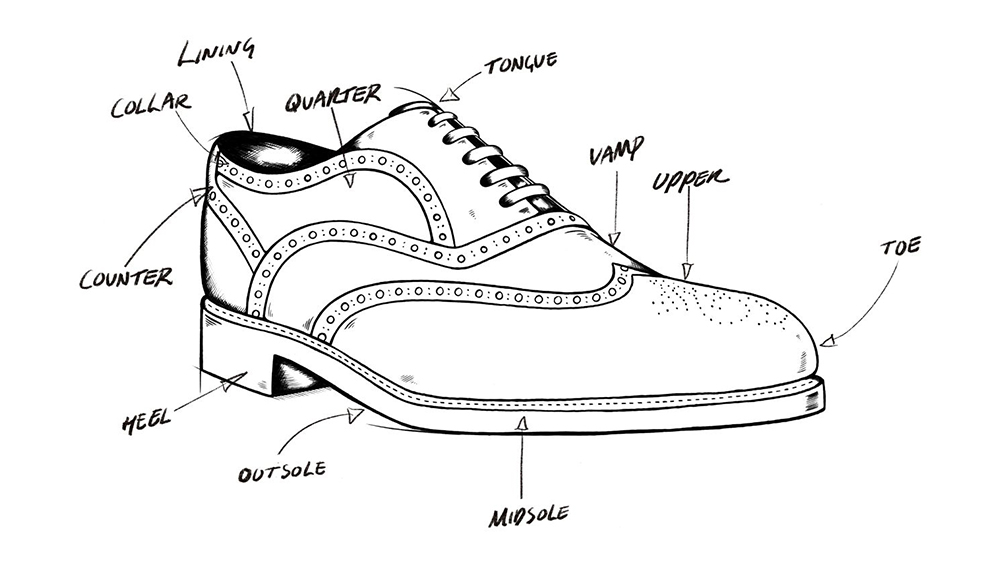
The look of the shoe will need to be aligned with the dress code and aesthetic of where you work. If you are in front of the house, you will likely be required to wear a black shoe that can be polished. In the back of the house, the appearance isn't as essential, but a leather or polyurethane vamp (i.e., upper front part of a boot or shoe) will be more waterproof – and therefore, more durable – than a cloth-based shoe. In addition to looking more professional, polishable shoes are also easier to care for and simpler to keep clean.
Pro-tip: Using a wax-based polish on leather shoes can provide additional water resistance and prevent the vamp from cracking.
The Best Restaurant Shoes – Industry Picks
Recently, we polled our community on Facebook and Twitter to find out which shoes were the best for working in restaurants. Here are the top picks:
Note: This list is a small sampling (and a work-in-progress!), it is not a paid advertisement, nor an endorsement of the brands included. If you'd like us to add other brands, please email us at [email protected] for consideration!