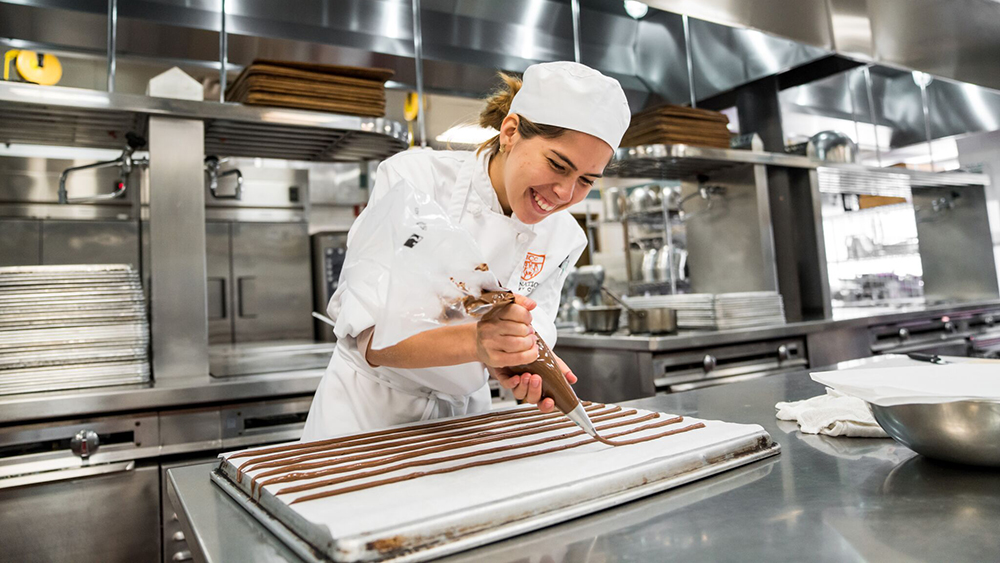
The pastry chef plays an essential role within a restaurant and calls for a unique set of skills and knowledge, as well as exceptional organization. We spoke with Rachel Kwon, Pastry Chef Instructor at the International Culinary Center, to learn about what you will need to excel at for this sweet career choice.
What questions should potential candidates ask when interviewing for a pastry position?
Potential candidates should know what areas of responsibility they would have, what the chef’s expectations are of them, and what the possible hours and pay rate would be. They should also ask about things like health care, paid time off, and what the turnover rate is with employees. Although a potential employer is interviewing you, you must take the job you want as well.
What is the most common mistake people make when pursuing a career in pastry?
I find that people make the mistake of deciding what type of pastry career they want without first trying a few different directions. It’s essential to stage (work for a day) at different kinds of places until you find the right fit. When I first started, I thought for sure that I wanted to make wedding cakes. After some research, I realized restaurant work was a better fit for me. There are so many types of pastry careers out there, and you have to choose what works best for you.
What tools/equipment should you invest In when starting?
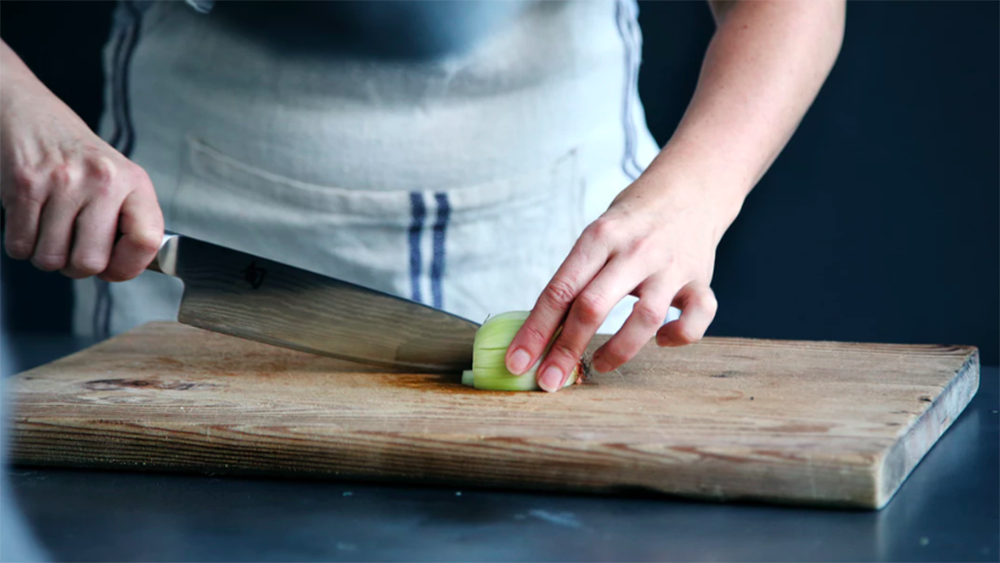
To get your job done each day you'll need an arsenal of expert tools, including chef’s knives, silicone spatulas, and whisks, as well as more specialty pastry tools such as chocolate dipping tools, candy thermometers, and quenelle spoons. Most tools and equipment you’ll need will be in your tool kit which is already covered in your tuition if you invest in culinary school. In addition, I prefer to have a couple of types of thermometers for different projects; a laser thermometer for chocolate work, and a probe or stem thermometer for sugar or checking internal temperatures of bread. You may end up buying more specific tools when you decide on your specialty, but I don’t suggest doing so until you know you’ll use them all the time.
What are some common mistakes of entry-level pastry professionals?
I sometimes think that entry-level pastry professionals don’t realize how much work they will have to put in before becoming a chef. It usually takes years of hard work, long hours, and experience before you can call yourself a chef or run a pastry program somewhere. When people rush into opening their own place right after culinary school, they likely won’t have the experience needed to succeed.
What tips do you have for new graduates?
My advice for new graduates is to get as much experience as you can. Work at different places, each for a year or two until you find the company you want to stay with. Ask a lot of questions, taste your food, and never talk back to the chef. The right attitude and work ethic will take you far.
What topics are covered in introductory pastry courses?
Pastry courses usually start with basics, topics like food safety, cookies, and tarts. As the program continues, the students add on to their skills and learn more complicated techniques. At the International Culinary Center (ICC), we teach you how to work and conduct yourself in a professional environment, as well as how to utilize both classic and modern pastry procedures.
What are the qualifications needed to be a pastry chef?
To pursue a career in pastry, all you need is a passion for it. The students at ICC come in with all different levels of experience, many with no previous experience at all. Every basic technical skill you need can be taught to you in culinary school, but you can’t teach someone to try hard and want it.
How do you recommend students continue developing their skills and experience after graduation?
One of the best aspects of a career in pastry is that you'll never run out of things to learn. After graduation, it’s important to work in a place where you will improve your skills. Aside from that, I recommend being open-minded to learning something new from everyone you encounter. Ask questions not only to the chef, but to your peers. Continue your education by reading, signing up for demonstrations, and of course, by eating at restaurants, it’s research!
About Rachel Kwon
 Rachel first began her career not as a chef, but as a teacher. She attended Pace University, where she earned a degree in education. After several years of teaching at elementary schools in New York City, she decided to pursue another of her passions. She graduated from the Institute of Culinary Education with a Pastry and Baking Arts diploma. Over the next decade, she honed her skills at some of NYC's preeminent fine-dining restaurants, including Del Posto and Park Avenue Cafe. She worked her way up to a leadership position at Jean-Georges, where she quickly realized her love of mentorship and training.
Chef Rachel joined the International Culinary Center in February of 2018, where she combines her foundations in education with her pastry experience. She believes that anything can be accomplished with a positive attitude and strong work ethic, and hopes to pass this philosophy on to her students.