Culinary
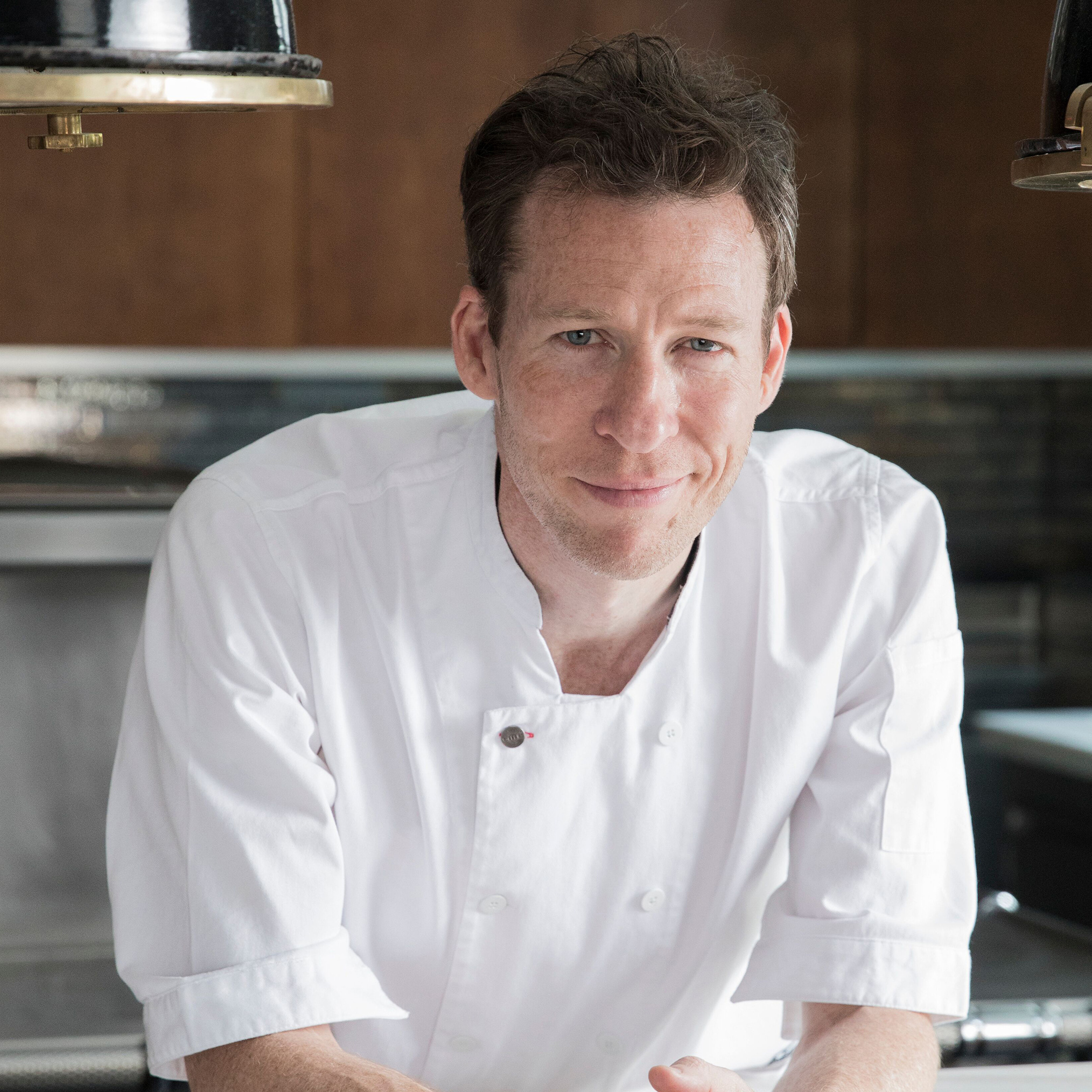
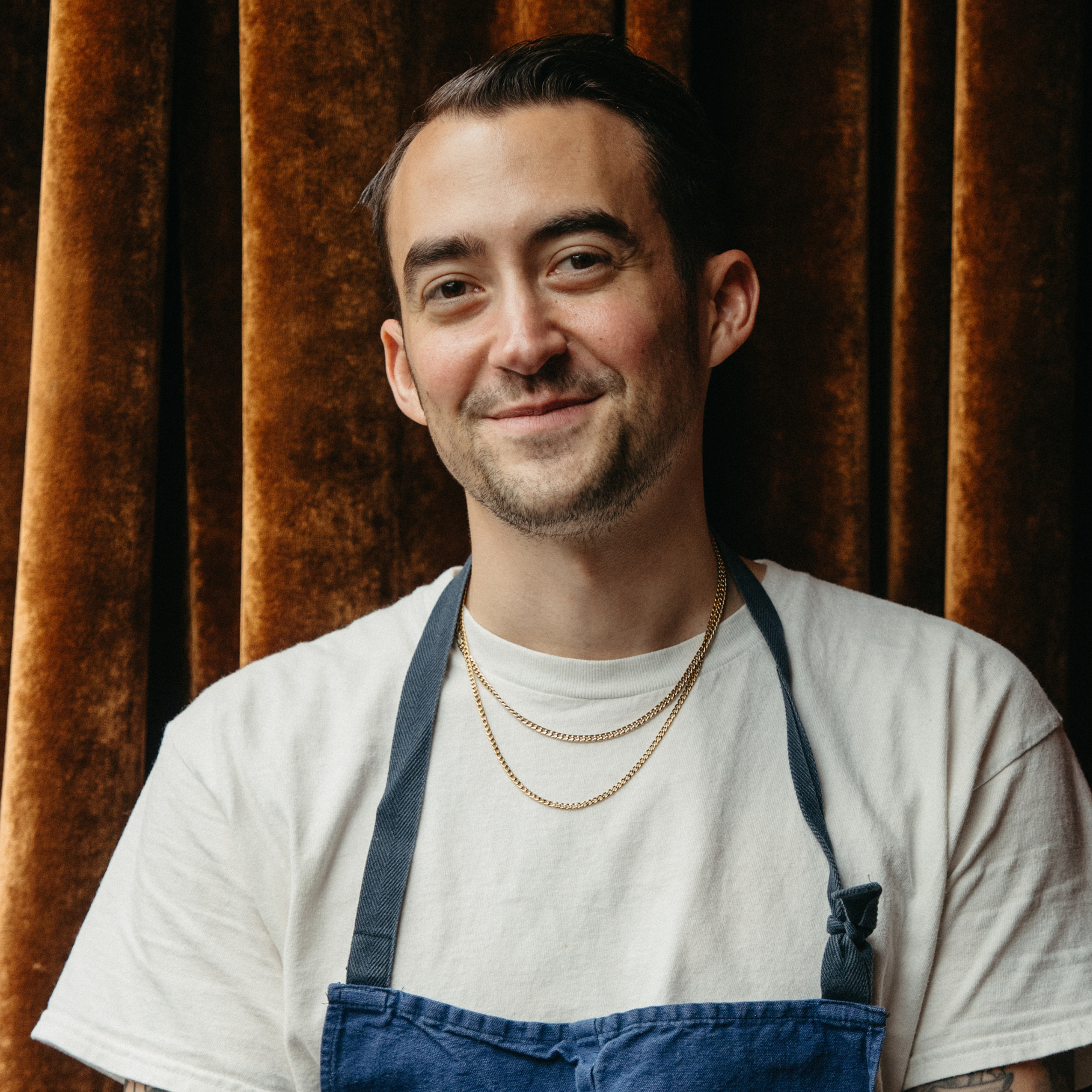
Jonas Offenbach
Executive Chef | SERRE


Experience
2025 - Present
Executive Chef
SERRE at The Maker HotelHudson, NY
2022 - 2025
Chef de Cuisine
Restaurant MatildaNew York, NY
2021 - 2022
Executive Sous Chef
Sushi NakazawaNew York, NY
2020 - 2021
Private Chef
Aspen, CO
2018 - 2020
Chef de Cuisine
Momofuku KONew York, NY
2015 - 2018
Line Cook, Chef de Cuisine
ContraNew York, NY
2008 - 2015
Line Cook
Gramercy TavernNew York, NY

Education
Advice from Jonas Offenbach
Quotes about career path, skills, and teamwork from an industry leader.

I realized this career was for me pretty early on when I saw how powerful hospitality can be.
There’s something special about creating an experience that people genuinely remember. I was drawn to the intensity, the teamwork, the craftsmanship, and the constant pursuit of improvement. Even on the hardest days, I never really wanted to do anything else.
A diverse team brings different perspectives, experiences, and ideas into the kitchen, which ultimately makes the work stronger and more creative.
Hospitality is about taking care of people from all backgrounds, and having a team with different viewpoints helps create a more thoughtful and dynamic environment. It also pushes everyone to learn from one another and stay open-minded.
I try to create an environment where people feel respected, heard, and supported.
That starts with clear communication and leading by example. I also believe it’s important to teach, not just instruct — giving people context, encouraging questions, and making sure everyone feels like they are growing and contributing meaningfully to the team.
Opening and building a restaurant concept is definitely something that requires a full team effort.
From the kitchen to the dining room, every person contributes to shaping the guest experience and the culture of the restaurant. Seeing a team come together around a shared vision — especially during challenging moments — is one of the most rewarding parts of this industry and something no individual can accomplish alone.
Communication skills, adaptability, time management, and emotional intelligence are all important transferable skills.
Hospitality moves fast, and people who can stay organized, work collaboratively, and respond well under pressure tend to succeed regardless of their background. Curiosity and a strong work ethic are also huge — technical skills can be taught, but attitude and mindset are much harder to develop.
To do my job well, I need a strong team.
Restaurants are completely collaborative, and no great service or great menu happens because of one person alone. Trust, communication, and shared standards are what allow everything to function at a high level.
I try to stay curious and never become too comfortable.
That means tasting constantly, reading, traveling when possible, studying classic techniques, and paying attention to disciplines outside of food like design, architecture, and art. A lot of learning also comes from daily repetition and reflection — looking honestly at what worked, what didn’t, and how things can improve.
What keeps me inspired is knowing there’s always another level to reach.
Hospitality is one of those professions where you never truly “arrive” — there’s always a new technique to learn, a better way to lead, or a deeper understanding of ingredients and service to develop. I’m also inspired by the people around me: cooks, farmers, artisans, and other creatives who are constantly pushing themselves to improve.
One of the biggest lessons in leadership came during periods of staffing and operational challenges.
Instead of lowering standards, we used it as an opportunity to become more organized, improve communication, and simplify systems in a smarter way. It forced us to become more collaborative as a team, and in the long run it actually strengthened the culture and made the restaurant more focused and resilient.
To grow in my career, I tried to say yes to difficult opportunities and put myself in environments that challenged me.
I focused heavily on fundamentals, stayed open to criticism, and tried to learn from everyone around me. Over time, I realized leadership isn’t just about cooking well — it’s about communication, accountability, and creating a culture where people can succeed together.
The kitchens that impacted me most were the ones with very high standards and strong mentorship.
Being in environments where every detail mattered taught me discipline, consistency, and respect for the craft. I learned that excellence is built through repetition and structure, not just creativity. Watching strong leaders (like Sean Gray, from Momofuku KO) run a kitchen also shaped the kind of chef and leader I want to become.
Lead with clarity and consistency.
People work harder for leaders who are present, respectful, and willing to teach. Hospitality is ultimately about taking care of people — guests and staff alike — and the strongest restaurants are built on trust, accountability, and shared purpose. Culture is everything.
Remember why you started.
This industry can be demanding, but it can also be incredibly rewarding. Find mentors, keep learning, and don’t measure your worth by one bad service or one difficult job. The right environment makes a huge difference, so don’t be afraid to seek out places that align with your values.
Slow down and be patient.
Early on, it’s easy to feel like you need to achieve everything immediately, but real growth takes time. Focus on mastering fundamentals and building strong habits instead of chasing recognition.
I motivate my team by creating an environment where people feel involved and challenged.
I try to explain the “why” behind things, not just the task itself. Tasting together, sharing ideas openly, and giving people ownership helps a lot. I also think people stay motivated when they feel respected and see a clear standard being upheld.
I read a mix of food and non-food material.
I still love classic cookbooks and old culinary texts, but I also enjoy design, architecture, and business publications. For food media, I follow chefs and writers who focus on craft and storytelling rather than trends.
I’ve learned that rest is part of the job, not separate from it.
Spending time with family, cooking outside of work in a more relaxed way, getting outside, and disconnecting when possible all help me reset. I also try to create healthier environments in the kitchen because burnout often comes from culture, not just hours.
A lot of my inspiration comes from ingredients and seasonality.
I’m inspired by markets, farmers, old French cuisine, Japanese craftsmanship, travel, architecture, and even conversations outside of food. Sometimes inspiration comes from revisiting something very classic and asking how to make it feel personal and relevant today.
Communication is probably the most underrated skill in hospitality.
Beyond that, organization, adaptability, leadership, and the ability to stay composed during stressful moments are other important skills to have. Creativity matters too, but without structure and execution, it doesn’t mean much.
When hiring, I look for curiosity, consistency, and emotional maturity.
Technical skills can be taught, but attitude is much harder to change. I want people who genuinely care, who ask questions, who stay calm under pressure, and who want to be part of a team bigger than themselves.
“Never stop being a student.” No matter how much experience you gain, there’s always something to learn — from younger cooks, farmers, guests, mistakes, or other cuisines.
The moment you think you know everything is usually when growth stops.
Roles in Culinary
Check out the newest job opportunities in your area and level up your career.