Ask An Expert: Maintaining the Quality of Fish for Your Restaurant

A guide to staying balanced with life and work in the hospitality industry
Culinary Agents
Sep 26, 2017

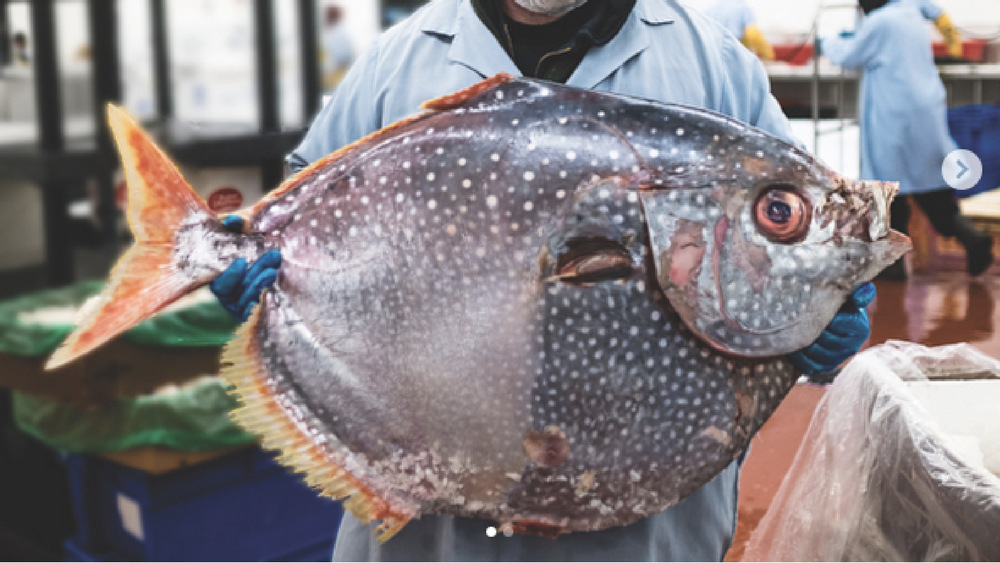
Quality and freshness in your ingredients provides a solid foundation for creating an exceptional culinary experience in every dish. Anthony Mendicino, the Regional Sales Manager (PA, NY, FL) for Samuels and Son Seafood, an industry purveyor for over 125 years, weighs in on how to maintain the quality of your fish.

1

Do Your Due Diligence 

Buying product on the blind that you are potentially going to serve your customers raw or undercooked is like allowing your child to be picked up and brought to a daycare that you’ve never visited. Schedule time to visit your purveyor's facility. Take a look at how they operate (e.g., the condition of the plant, their trucks, the way they handle product, what protective gear they wear when working with your food). Ask them about their food safety program, then note how they handle the question and what specific measures they have in place other than the basic requirements. 
2

Season Your Menu

I believe a locally caught day boat scallop will eat better than any luxury item (e.g., bluefin tuna, langoustine or live abalone) if the scallop is in peak season and the other products are not. Work with your purveyor to get updated information on what products are in peak season.  Plan “Market Driven” menus and specials whenever possible based on this information. You will not only be using the finest products on the market, but often the most affordable. 

3

Understand the Nuances

To ensure you are receiving the highest quality product, be aware of the different options the product can be purchased such as live, processed using Ike –Jime, bled, hook and line caught, day boat, diver caught, etc.  Each of these methods will impact the quality tremendously, in some cases you may even need to age or rest the fish for peak freshness.
4

Invest in the Whole Fish 

Buy your fish whole, but gutted, to preserve quality as opposed to fillets. It’s not feasible for most restaurants to buy a whole cow, pigs or lamb but a whole fish is not that difficult. The longer you can keep your fish on the bone the fresher it will be.
5

Keep It Cool 

Try to maintain the cold chain of the product at every stage of storage up until you cook it.  Common times when temperature abuse occurs at the restaurant level are during receiving, butchering, and on the line.
Based in Philadelphia, Samuels and Son Seafood has dedicated their business to serving chefs, retailers and restaurants throughout the Mid-Atlantic, Mid-West, West Coast and South Coast regions.

Continue Reading About Skills Development

Culinary Agents
Dec 16, 2018
Talent Best Practices

Top 7 Articles of 2018 on Culinary Agents

Reflecting on 2018, we explored a variety of topics and interviewed over 50 industry leaders who inspired us with their words of advice. Here...
Culinary Agents
Mar 19, 2018
Talent Best Practices

ESL Resources for Hospitality Workers in Los Angeles

Para ver este artículo en Español, haz click aquí. English is known to be one of the toughest languages to master - even when it's your...
Culinary Agents
Mar 19, 2018
Talent Best Practices

ESL Resources for Hospitality Workers in NYC

Para ver este artículo en Español, haz click aquí. "Learning any new language is really an act of bravery. It takes patience, dedication, and willingness...
Culinary Agents
Jun 6, 2017
Talent Best Practices

Lessons Learned: Pastry Chefs Before They Were Mentors

People - those who you work with and for - are the not-so secret ingredient to finding success in Pastry. Beyond determining what you...
KORIN Japanese Trading
Oct 4, 2016
Talent Best Practices

Keep Your Knife In Sharp Shape With These 7 Tips

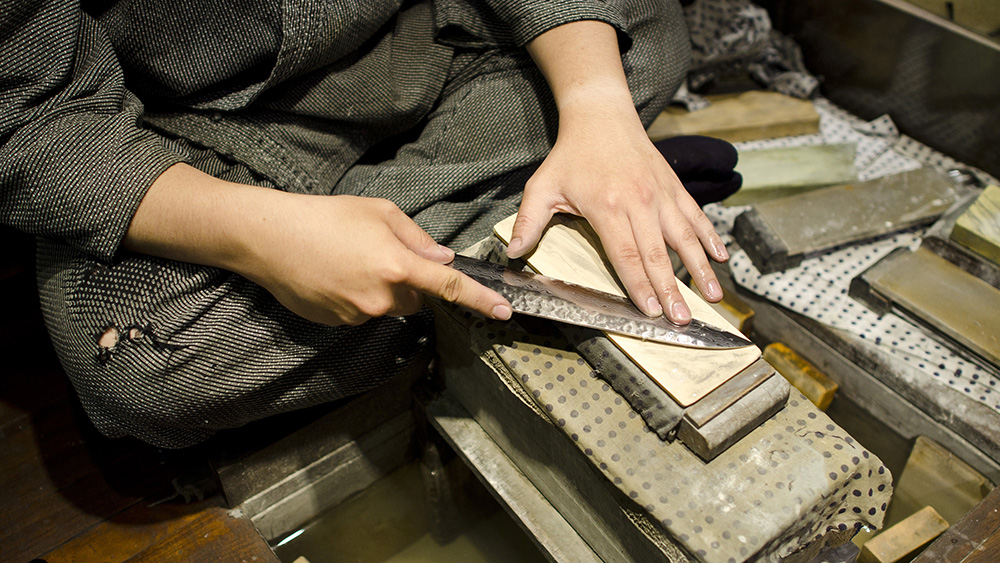
Are you having trouble keeping your knives in good condition? Korin's knife sharpener, Vincent Kazuhito Lau, shares his expert advice on how to keep your...
Culinary Agents
May 27, 2020
Skills Development
Skills Development

Cooking Methods: Blanching

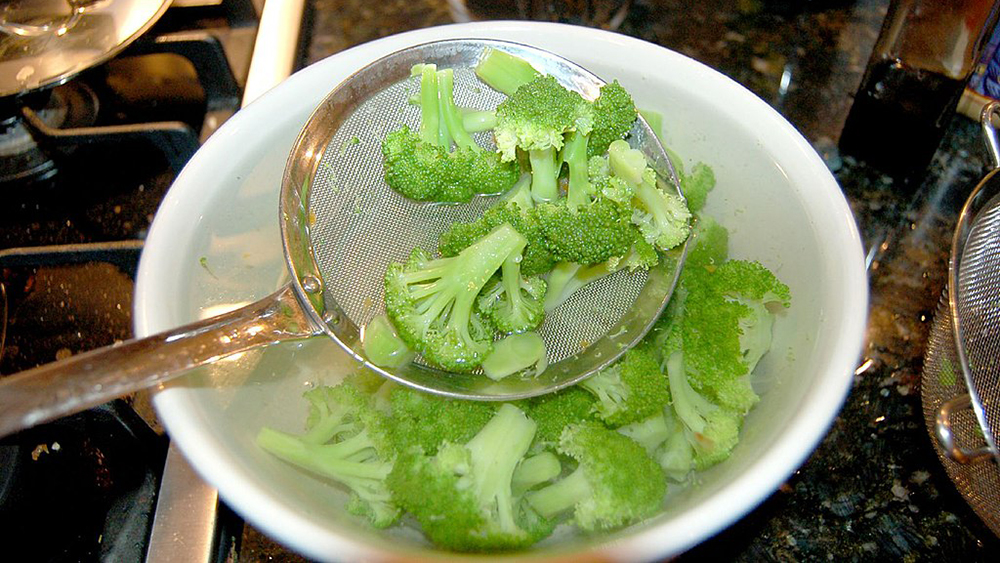
Blanching is the moist heat method by which food is placed in rapidly boiling water for a very short time and is then placed...

Related Topics

Skills Development
Ask An Expert
Find the latest compensation data across roles, experience levels, and locations.