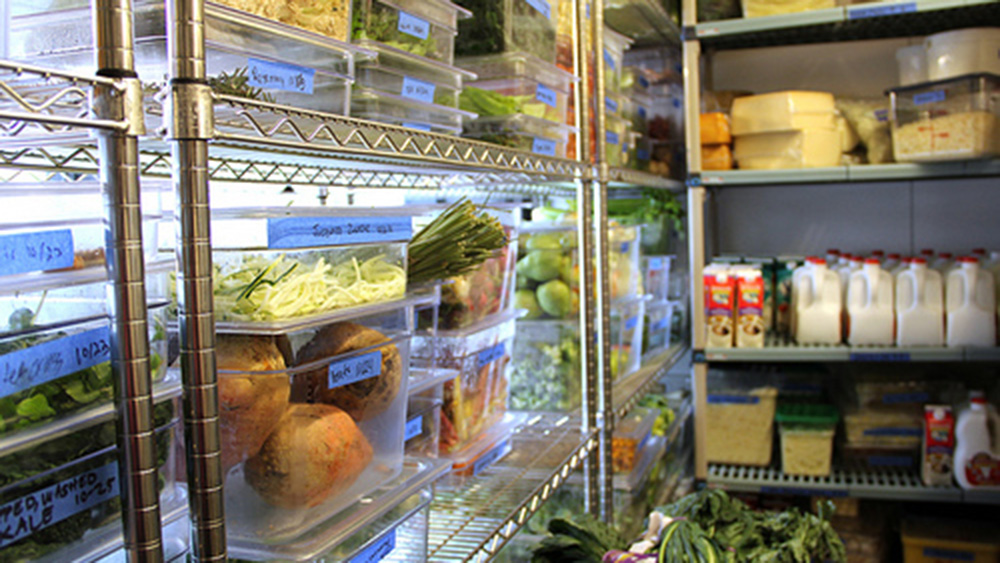
Food safety is a top concern and can be a significant cause of stress for any chef or restaurant owner. Correctly storing food products helps minimize food waste, while also reducing cross-contamination and ensuring food safety. Here are some best practices to help you keep your food safe.
Stock Rotation
First in First Out (FIFO) or stock rotation is a restaurant’s first line of protection in food safety. In addition to ensuring quality, using older products first will help you prevent food waste by using them before their expiration date.
Food Labeling
The first step in the FIFO method is to label every product. Marking products with the date received or created ensures quality and allows staff to use the products in the proper order, plus it is required by Health Departments.
Storage Containers
Choosing the right type of container to store your food items can extend their shelf life and freshness. When you transfer food to a new container, make sure the containers are clean, food-safe, airtight, and non-absorbent. Also, consider what you are storing; high acid foods such as citrus juices and tomato sauce may react with metal storage devices.
Proper Placement
The Food Code from The Food and Drug Administration states that food should be stored at a minimum of 6” or 15 cm above the floor to prevent any contamination from water, dust, dirt, or pests. Storing food above the floor also encourages air circulation and makes it easier for you to keep the storage area clean.
Meat Storage
Regardless of the container, raw meat must always be stored away from cooked items to avoid cross-contamination. If you are unable to store meat, poultry, or fish in a separate location, it must be placed on the bottom shelf of your refrigerated unit. Storing meat above other items increases the risk of contamination, as juices can drip onto other food.
Refrigeration Temperatures
Knowing the proper storage temperature will slow the growth of harmful bacteria and help extend the shelf life of your food items. To ensure the appropriate temperature, use an easily readable thermometer to monitor frequently. Here are the proper temperatures for food items according to the FDA Food Code.
- Fresh meat, poultry, and fish at or below 41°F
- Smoked fish at or below 38°F
- Frozen food at or below 0°F
Interested in learning more about food safety? Check out these certification and training programs.