A surprise visit from the Health Department is one of the most stressful days for the entire restaurant team. We connected with Food Safety Consultants, Austin Publicover from Bulletproof! Food Safety, Jeff Nelken at Food Safety and Patrick Quade from Dinesafe.org/IwasPoisoned.com, for some tips on how to ace your next health department inspection, maintain your restaurant's reputation and avoid paying costly fines.
When can an inspector not enter a restaurant?
Inspectors can always enter a restaurant during business hours. However, if the restaurant is open, but there is no food being prepared, the inspector is not allowed to conduct an assessment.
What does a health inspector look for?
The Health Department wants to ensure that a restaurant is adhering to the local health codes and following food safety handling and preparation practices. While there is no national standard health code, each state's health code is based on the U.S. Food and Drug Administration (FDA) Safety Systems. (Click here to find a copy of your local standards.)
What are some of the most common violations?
Each health inspector has a different approach; however, during an assessment, a health inspector will likely focus on these common violations:
- Lack of general cleanliness
- Lack of gloves worn by your employees
- Poor Personal Hygiene
- Poor Sanitizing and Cleaning Protocols
- Poor utensils - broken wires
- Uncovered stored food
- Inappropriate containers
- No "use-by" dates labels on your food
- Dented cans
- Storing raw ingredients under raw meat
- Signs of pests
- Storing cleaning products near the food
- Lack of temperature controls
- Unlabeled Chemicals
- Cold/hot food out of temperature
- Improper cooling / poor cooling procedures
- Temperature logs
- Mold/Soiled ice machine
How can you prepare for a health inspection?
Train Your Staff
Training your team on food safety builds a strong foundation for a well-run restaurant and can be a major factor when it comes to passing a health inspection. A food handler's permit can be issued by your local state health department or via the National Restaurant Association's ServSafe. The license ensures that your restaurant employees have been appropriately trained in food sanitation, storage, preparation, and protection. If your local health department doesn't require employees to have food safety training, it can still be a good idea.
Review Regularly at Meetings
In addition to preparing and strengthening your team's ability to act as a cohesive unit, lineups are a great time to review health inspection procedures and preparation.
Inform Your Staff
Your Health inspection typically occurs around the same time every year, at random. Record the date of your last inspection and set a reminder eleven months to alert your staff of the possibility of inspection.
Be Inspection-Ready
Instill proper cleaning habits in your staff's daily routine. In addition to cleaning the ice machine, sweeping under table legs, and mopping in the production areas and walkins, address overlooked areas like plumbing, drains, and HVAC filters. Make sure that your team is following through with these additional cleaning and inspection procedures every day.
Have Backup Thermometers
A refrigerator's thermostat will often appear to be working correctly but can report false temperature readings, which can result in serious violations. Checking your thermometers regularly and having a second backup thermometer in the in walk-in will help you keep your meat and produce in the safe zones.
HACCP
Implement and maintain a HACCP (Hazard Analysis Critical Control Point) Plan. HACCP is a management system designed to help reduce the risk of safety hazards in food.
Conduct Your Own Inspections
Self-inspections can help you catch any violations before the real thing. Have your managers or a third party administer surprise inspections in your restaurant based on the local regulations and your previous three health reports.
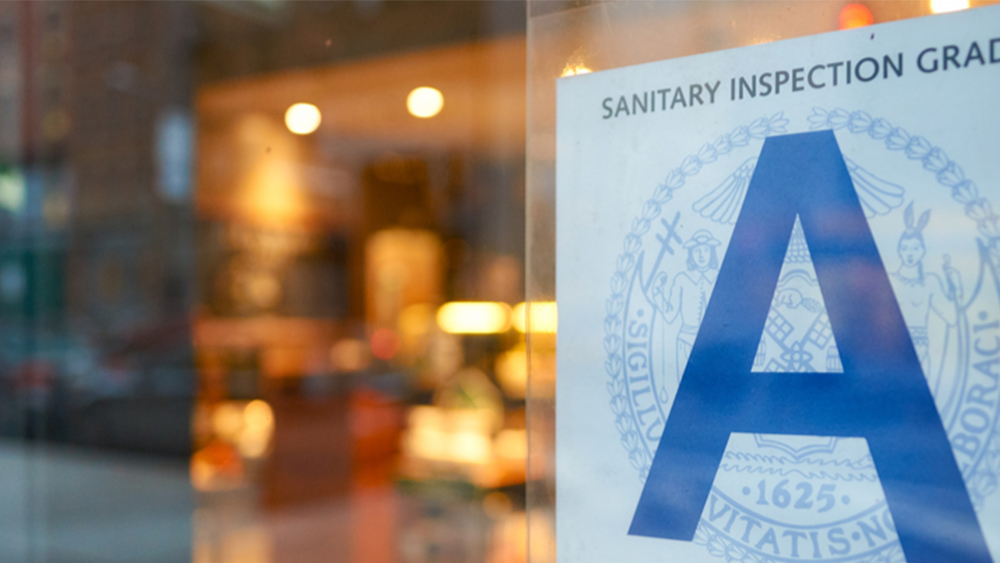
What can you do if you received less than an 'A' grade?
If you have received a violation, the important thing is not to panic. Instead, find a solution to the reported offense. Depending on the violation, you will have a chance to argue your case in front of a judge and try to win back the 'A' grade.
About The Experts
Jeff Nelken - Food safety/HACCP expert who has worked with investigation teams, as well as restaurants, casinos and food manufacturers. He coaches personnel to improve food safety awareness, through self-inspection and customized quality HACCP training programs.
Austin Publicover - Owner and founder Austin Publicover has over 12 years of experience in hospitality and project management and has conducted more than 950 restaurant inspections and site audits and developed HACCP and preventive control plans for more than 60 restaurants in the US.
Patrick Quade - Founder and CEO of Dinesafe.org/IwasPoisoned.com. A consumer-led food safety platform. The market leader with over 400 Industry/Regulatory Institutional subscribers, across 9 countries and over 10 years’ experience in crowdsourcing foodborne illness incidents and detecting outbreaks.