“The Restaurant Business is Simple… In order to be successful, you have to do two things: Make people happy and make money. ” - Jonathan Benno, Leonelli Restaurant
Opening your own restaurant is the end-all-be-all for many aspiring chefs and industry professionals. While just getting the doors open is hard enough, it can be even harder to keep them open after the initial glow has faded. One of the key factors to staying afloat is proper inventory management, or what is known as food costing. To help us understand the overhead, we’ve asked Jonathan Benno and Ben Cianciosi, his Chef de Cuisine at Leonelli Restaurants, for some clarification.
What is Food Costing?
Food costing is a method of determining what percentage of a restaurant’s sales are being spent on product purchasing. It is an integral component to creating a successful menu. Begin with an idea for a new dish or preparation. From there, identify the ingredients you want to incorporate and use those to create a recipe. The next step is to determine the price of these ingredients and break them down into a costed unit. For us, we cost each ingredient out to the gram. By accurately determining the prices of ingredients and how much of them will be required for a new dish you can make an informed decision about pricing.
Key Terms To Know:
- Cost of Goods Sold (CoGS): The total in-house cost to sell a product.
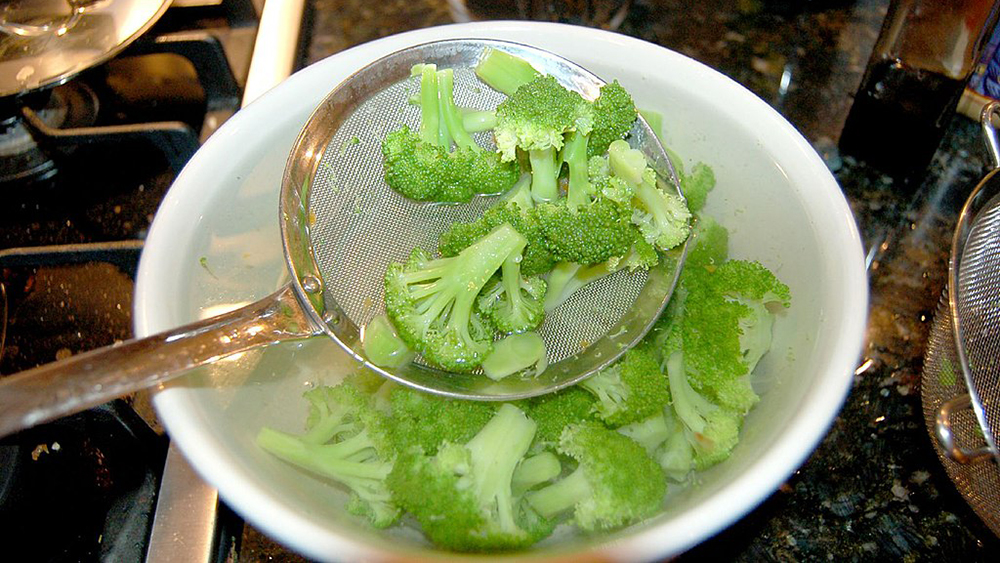
- As Purchased Cost (APC): The price for an unprepared product (e.g., a case of potatoes or a head of broccoli).
- Edible Portion Cost (EPC): The cost of prepared product determined by dividing the APC by the yield percentage Selling Price: The menu price of a dish determined by dividing the cost of one portion by the desired food cost percentage.
Key Challenges:
- Trying to offer high quality products at a reasonable selling price that won’t sharply increase Cost of Goods Sold (CoGS).
- Being vigilant everyday, monitoring invoices and working with purveyors to anticipate any sudden or imminent changes to product prices.
- There are also factors that aren’t always accounted for when costing (e.g., an unexpected fuel surcharge for a delivery).
So, How Do You Do It?
- Determine a ballpark price:
Total Cost Per Portion / Desired Food Cost Percentage = Selling Price - Get more meticulous about costing, leverage technology solutions.
We use a program called MarketMan to keep track of our Cost of Goods Sold, update prices of inventory and cost cards in real-time to maintain a faster, more accurate costing process.
Who Needs to Know About Food Costs?
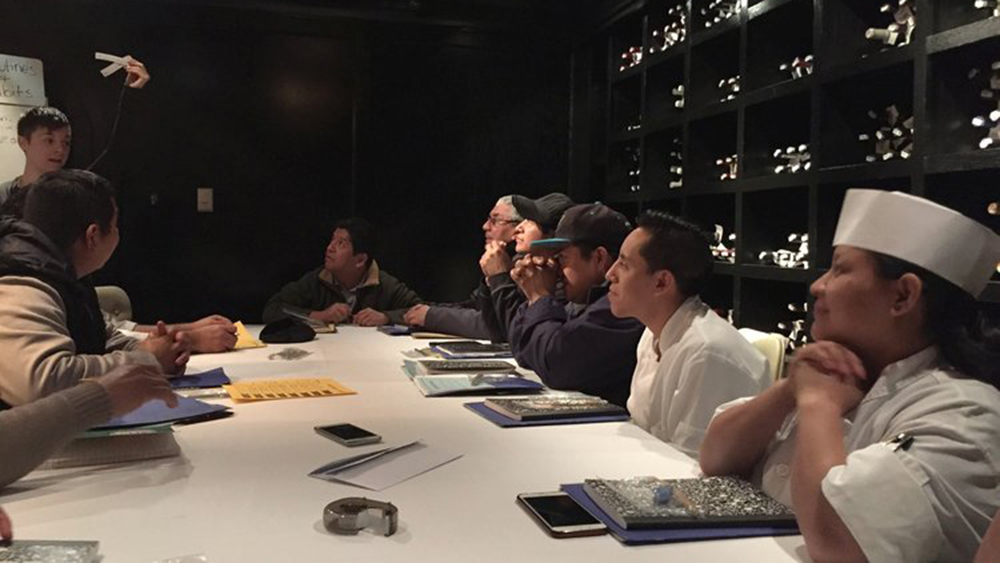
Management in FOH and BOH are all involved in weekly costing duties. Ideally, all employees should have an informed understanding of food costing. Awareness helps to instill a sense of scope and respect for the value of all manner of products an employee interacts with on a daily basis; from the careful preparation of a lobe of foie gras to the number of paper towels used when washing your hands afterwards.
To learn more: Ask An Expert: Food Costing 201
About Jonathan Benno:
Considered one of the top chefs in the country, and recognized for his dedication to quality and craftsmanship, Jonathan Benno’s career spans more than three decades, having worked in some of the world’s finest restaurants. A graduate of the Culinary Institute of America, the spirit of his cuisine has been cultivated through his mentors including John Farnsworth, Michael Mina, Daniel Boulud, Tom Colicchio, and Thomas Keller, who helped shape his philosophy about food and dining, and instill in him the drive to settle for nothing less than excellence. Benno spent six years as the Chef de Cuisine of Per Se, during which time he helped earn the restaurant three Michelin stars and four stars from the New York Times, and was named a Food & Wine Magazine “Best New Chef.” Most recently, Chef Benno spent six years at the helm of Lincoln Center’s Lincoln Ristorante, where he gained critical acclaim for his contemporary Italian Cuisine.
This year, the newly redesigned landmark the Evelyn Hotel, located in New York’s vibrant NoMad neighborhood, will become home to the next chapter in Chef Benno’s culinary epoch. He will introduce three distinct, yet complementary concepts: Leonelli Taberna, a casual Roman-inspired trattoria offering all-day dining; Leonelli Focacceria e Pasticceria, a bakery and café inspired by the great bakeries of Rome and New York’s rich history of Italian-American pastry shops; and his first eponymous project, Benno, a fine-dining restaurant serving Mediterranean cuisine. Having assembled expert culinary, beverage, and service teams—many of whom are alumni of Per Se and Lincoln Ristorante—these three
projects represent the culmination of Chef Benno’s life-long dedication to the hospitality profession.